
Pests
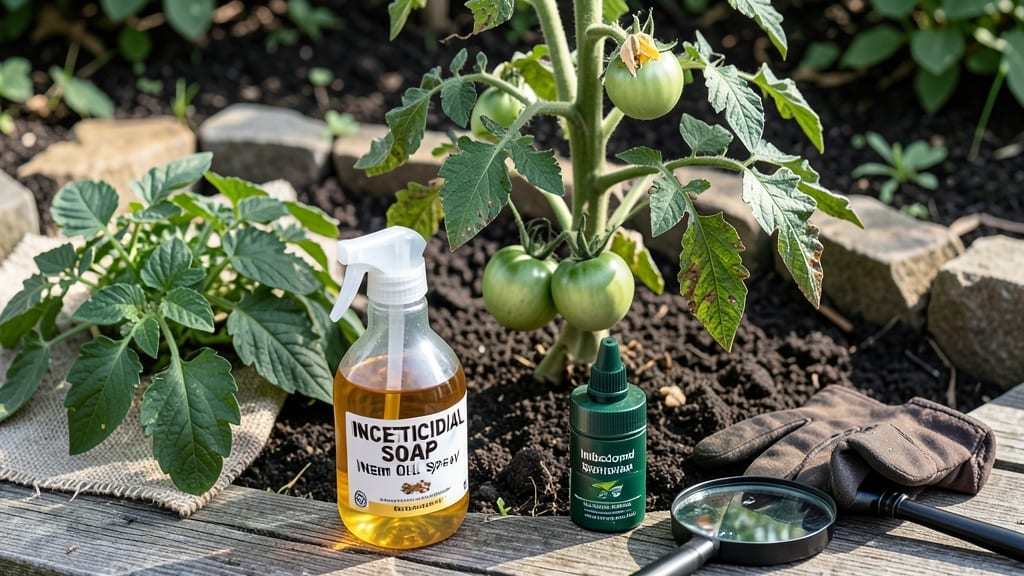
Leaf miner control insecticide is a must-have for gardeners dealing with those unsightly white squiggly trails turning leaves into lace—those telltale signs are a nightmare for any plant lover. 🌿 I've battled them in tomatoes, peppers, and even my prized ornamental trees, and the right organic spray can stop them without harming your plants or the pollinators you love.
The key is acting fast before the damage spreads.
Most chemical insecticides miss the mark because leaf miners hide inside leaves, where sprays can't reach. Instead, I rely on horticultural oils and neem oil—both smother the larvae when applied correctly.
You'll need to spray undersides thoroughly, and repeat every 5-7 days until new growth appears. It's labor-intensive but effective, and it keeps your garden safe for kids and pets.
Within a week, you'll see fresh, undamaged leaves emerging as the larvae die off. The plants rebound faster than you'd expect, and the damage stays contained if you catch it early. My basil plants, once skeletonized, now stay lush and productive all season with this method.
Works for vegetables, ornamentals, and even houseplants. The trick is consistency—don't skip applications, and always spray in the evening when bees aren't active. Here's how to make it work without the guesswork.
Root Causes Of Leaf Miner Infestations
Leaf miners aren’t just random pests—they thrive due to specific conditions that make your plants irresistible. Understanding these triggers helps you disrupt their life cycle before they wreak havoc. Here’s why these tiny, destructive insects target your foliage.
Leaf miners, particularly those from the Agromyzidae family, zero in on plants that are already struggling. When plants are stressed—whether from poor nutrition, drought, improper watering, or disease—they emit chemical signals that attract pests. These signals act like a neon "eat me" sign for miners.
- Nutrient Deficiency: Plants lacking nitrogen, phosphorus, or potassium produce softer, more tender leaves—perfect for miners to burrow into. A quick soil test can reveal if your plants are starving. - Overwatering or Underwatering: Both extremes weaken plants.
Overwatering rots roots, while drought stress makes leaves brittle and easy targets. Aim for consistent moisture (not soggy or bone-dry). - Disease Pressure: Fungal or bacterial infections (like powdery mildew or bacterial leaf spot) create entry points.
Miners exploit these weak spots, turning a minor infection into a full-blown infestation.
Pro Tip: 💡 Healthy plants are resilient. Start with a balanced fertilizer (like 10-10-10) and mulch to retain moisture—this makes your plants less appealing to miners.
Leaf miners thrive in warm, humid climates with plenty of host plants nearby. Their life cycle accelerates when conditions are perfect for egg-laying and larval growth.
- Temperature: Most leaf miners prefer 65–85°F (18–29°C). If your garden hits these temps consistently, expect peaks in miner activity during spring and summer. - Humidity: High humidity (above 60%) keeps eggs moist and larvae hydrated.
Greenhouses and shaded areas are hotspots because they trap moisture. - Host Plant Availability: Miners are species-specific—they won’t randomly attack just any plant. For example: - Liriomyza trifolii targets tomatoes, peppers, and beans. - Phytomyza species favor roses and fruit trees.
If you grow multiple susceptible plants in close proximity, you’re rolling out the welcome mat.
Pro Tip: 🌡️ Monitor your microclimate. Use shade cloth in hot, humid areas or improve airflow with spacing or fans to disrupt miner comfort zones.
Miners spread rapidly in dense plantings where they can hop from leaf to leaf without effort. Overcrowding creates a buffer zone that protects them from natural predators (like parasitic wasps) and makes sprays less effective.
- Tight Spacing: Plants touching each other allow miners to migrate effortlessly. For example, basil, parsley, and dill grown too close can turn into a miner buffet. - Weedy Borders: Uncontrolled weeds (especially in the Asteraceae or Fabaceae families) act as nursery grounds.
Miners lay eggs here, then move to your prized plants. - Monoculture Plantings: Growing the same crop in large blocks (e.g., a massive tomato patch) gives miners a feast with no escape. Diversify your garden to break their cycle.
Pro Tip: ✨ Prune for airflow—thin out crowded plants and remove weeds within a 3-foot radius of your crops. This starves miners of their preferred habitat.
Here’s the catch-22: some pesticides make miner problems worse. Broad-spectrum insecticides (like neonicotinoids or pyrethroids) kill beneficial insects—parasitic wasps, ladybugs, and lacewings—that naturally control miner populations. Without these predators, miners reproduce unchecked.
- Neonicotinoids: These systemic pesticides can reduce pollinator activity and weaken plant immunity, making them more susceptible to miners.
- Pyrethroids: While they kill adult miners, they also wipe out their predators, leading to a rebound effect where miner populations surge after the spray wears off.
- Fungicides: Some fungicides (like copper-based sprays) can disrupt beneficial microbial activity in the soil, indirectly stressing plants and making them more vulnerable.
Pro Tip: 🔥 If you must use chemicals, opt for targeted sprays (like horticultural oils or kaolin clay) and timed applications (early morning or evening) to minimize harm to beneficial insects.
Quick Fixes for Leaf Miner Infestations
Leaf miners can turn your lush plants into a skeleton of their former selves, but don’t panic—there are effective, science-backed solutions to tackle these pests. Below, we’ve mapped out cause-specific fixes, from organic sprays to cultural adjustments, so you can reclaim your garden without harsh chemicals.
Prevention tips are woven in to keep miners at bay for good!
Cause: Tiny larvae (often Phytomyza species) burrow into leaves, creating visible trails. Fix:
- Inspect leaves weekly—look for serpentine patterns or blisters. 🔍
- Remove infested leaves immediately (drop them in a sealed bag to kill larvae).
- Prune heavily damaged foliage to prevent larvae from pupating in soil.
💡 Pro Tip: Use a hand lens (or phone magnifier) to spot eggs (tiny white dots) on the underside of leaves—remove them before they hatch!
Cause: Chemical resistance or preference for natural solutions. Fix: Target larvae with contact or systemic insecticides approved for organic gardening:
| Method | How to Apply | Best For |
|---|---|---|
| Neem Oil Spray | Mix 1 tbsp neem oil + 1 tsp mild soap in 1 quart water. Spray top and bottom of leaves. Repeat every 5–7 days. | All life stages (eggs, larvae) |
| Spinosad (Organic) | Follow label rates (e.g., 0.5–1 tsp/gallon). Spray in early morning/evening to avoid harming bees. | Larvae (avoid flowers to protect pollinators) |
| Kaolin Clay | Mix 2 tbsp clay + 1 gallon water. Creates a barrier larvae can’t penetrate. Reapply after rain. | Prevention + early infestations |
| Bacillus thuringiensis var. kurstaki (Btk) | Apply as a foliar spray. Targets caterpillar-like larvae (e.g., tomato leaf miners). | Organic-certified gardens |
⚠️ Warning: Avoid pyrethrin-based sprays—they can harm beneficial insects like ladybugs and lacewings.
Cause: Overcrowded plants, poor air circulation, or nutrient imbalances attract miners. Fix:
- Space plants properly (follow seed packet guidelines) for airflow.
- Mulch with straw or wood chips to disrupt larvae pupating in soil.
- Rotate crops annually—miners target specific plants (e.g., basil, beans, tomatoes).
- Encourage predator insects: Ladybugs, lacewings, and parasitic wasps (Diglyphus isaea) feast on leaf miner eggs. Plant dill, fennel, or yarrow nearby to attract them.
🌡️ Heat Trick: Place black plastic mulch over soil in early spring—larvae pupating in soil may die from heat (test in small areas first).
Cause: Adult flies lay eggs on susceptible plants. Fix:
- Row covers (floating fabric): Use fine mesh (0.6mm) over young plants to block adults. Remove when flowers appear for pollination.
- Sticky traps: Hang yellow sticky cards near plants to catch adult flies.
- Copper tape: Wrap stems with copper (electrocutes crawling adults)—works best for container plants.
✨ Bonus: Companion planting with garlic, onions, or chives may repel adult miners with their strong scent.
Cause: Large-scale damage despite prevention efforts. Fix:
- Systemic insecticide (last resort): Use imidacloprid (e.g., Marathon) as a soil drench for heavy cases (follow label). ⚠️ Note: Harmful to bees—avoid flowering plants.
- Replace heavily infested plants: If >50% of leaves are mined, remove the plant to stop the cycle.
- Solarization: For garden beds, cover soil with clear plastic for 4–6 weeks in summer to kill pupating larvae.
Plan your defense with this seasonal checklist:
| Season | Action | Why It Works |
|---|---|---|
| Early Spring | Apply kaolin clay + row covers | Blocks adults before egg-laying. |
| Summer | Weekly neem sprays + predator plants | Targets larvae; attracts natural enemies. |
| Fall | Deep till soil or mulch heavily | Destroys overwintering pupae. |
| Winter | Clean up debris (leaves, stems) | Removes hiding spots for larvae. |
Final Thought: Leaf miners are a nuisance, but with consistent monitoring and layered defenses, you can protect your plants without chemicals. Start with neem oil and cultural fixes, then escalate only if needed. Your garden will thank you! 🌱💚
Frequently asked questions about leaf miner control
What's the fastest way to stop leaf miner damage?
Remove heavily infested leaves immediately and apply neem oil spray (1 tbsp neem + 1 tsp soap per quart of water) to both leaf surfaces. Repeat every 5-7 days until new growth appears. This smothers larvae before they mature.
Can I use store-bought insecticides for leaf miners?
Chemical options like spinosad or kaolin clay work well, but avoid pyrethroids—they kill beneficial predators. For organic gardens, Bacillus thuringiensis (Bt) is a targeted alternative. Always spray in the evening to protect bees.
How do I prevent leaf miners from coming back next year?
Practice crop rotation, remove all plant debris in fall, and use row covers in early spring. Plant dill or yarrow nearby to attract parasitic wasps—they're natural leaf miner predators!
Will leaf miner damage kill my plants?
Not usually, but severe infestations can stress plants. Remove more than 50% damaged leaves and apply kaolin clay as a protective barrier. Most plants recover fully once larvae are eliminated.
Can I use homemade sprays instead of store-bought?
Yes! Mix 1 tbsp dish soap + 1 quart water for a simple contact spray, or use garlic spray (blend 1 garlic bulb + 1 quart water, strain, and add 1 tsp soap). Reapply every 3-4 days for best results.