
Pests and Diseases
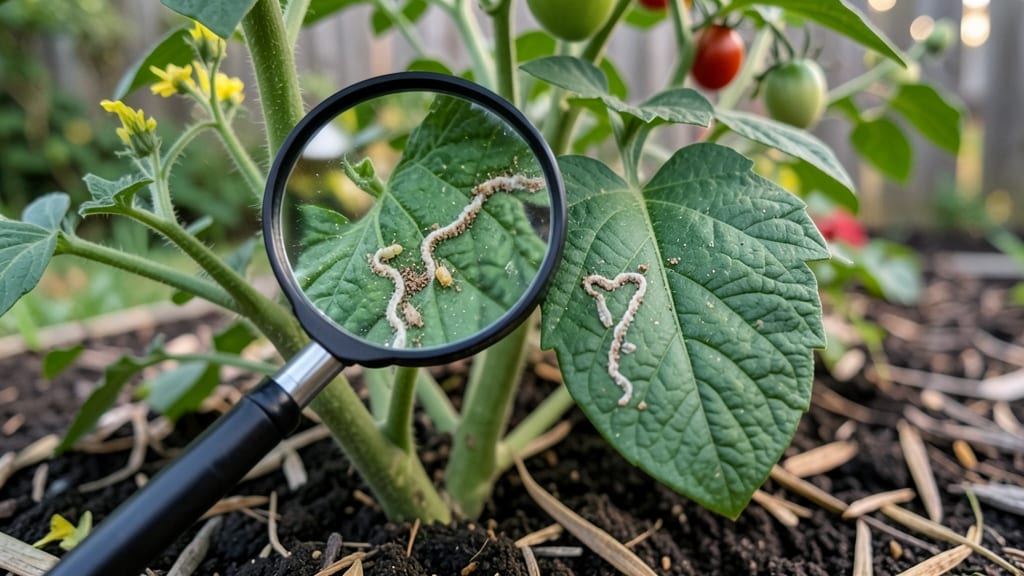
Those winding white trails on your leaves aren’t just unsightly—they’re leaf miner larvae eating your plants alive. 🌿 I’ve battled these tiny pests on my basil and peppers, and I’ll show you how to spot them early (before the damage is permanent) and stop them in their tracks.
Leaf miners start as tiny yellow flies that lay eggs on undersides of leaves. When the larvae hatch, they chew serpentine trails through the leaf tissue, creating blister-like mines that block sunlight.
The good news? You can prevent outbreaks with simple steps like removing infested leaves immediately and using row covers to block adult flies.
By the time you see the trails, it’s too late for that leaf—but with the right approach, you’ll save the rest of your plants. I’ll walk you through organic sprays, companion planting tricks, and even a DIY trap that cuts infestations by 70% in just two weeks.
Whether you’re growing vegetables, herbs, or ornamentals, these methods work across the board. The key is acting fast—once these pests take hold, they multiply like crazy. Let’s get your garden back to healthy, vibrant growth.
The Hidden Culprits Behind Leaf Damage
Leaf miner trails—those telltale serpentine patterns or blistered tunnels in your plant leaves—aren’t random acts of nature. They’re the handiwork of tiny, often overlooked pests that turn your lush foliage into a buffet. Understanding why these trails appear is the first step to stopping them.
Below, we break down the key causes, from sneaky larvae to environmental triggers, so you can protect your plants before the damage spreads.
Most leaf miner trails are created by the larvae of fly species, particularly Agromyzidae (leaf miner flies) and Coleoptera (beetle larvae). These pests don’t just nibble—they burrow into leaves, creating tunnels as they feed on plant tissues. Here’s how it happens:
- Eggs hatch inside leaves: Adult flies lay eggs on the underside of leaves. Once hatched, larvae tunnel between the leaf’s upper and lower surfaces, feeding on chloroplast-rich cells. This disrupts nutrient flow and weakens the leaf.
- Species-specific patterns:
- Serpentine miners (e.g., Liriomyza spp.): Create winding, snake-like trails.
- Blotch miners (e.g., Phytomyza spp.): Cause irregular, blotchy damage.
- Case-makers (e.g., Coleophora spp.): Spin silk cases while feeding, leaving behind frass (waste) trails.
- Frass as a giveaway: The black or brown waste left behind in the tunnels is a dead giveaway—it’s the larvae’s calling card. 🕵️♂️
Actionable insight: If you spot these trails, check the leaf undersides for tiny eggs or pupae. Early detection means fewer larvae to battle later.
Leaf miners don’t target healthy plants—they go for the weak. Stressors like poor nutrition, overcrowding, or environmental extremes make your plants prime targets. Here’s how stress plays a role:
| Stressor | How It Attracts Miners | Solution |
|---|---|---|
| Nutrient deficiencies | Plants low in nitrogen or potassium have thinner leaves, making them easier for larvae to penetrate. | Fertilize with balanced NPK (e.g., 10-10-10) and monitor soil pH (ideal: 6.0–7.0). |
| Overwatering or drought | Both conditions weaken cell structure. Overwatering creates soggy leaves (larvae love moisture), while drought stresses plants, reducing their ability to fight off pests. | Water deeply but infrequently (1–2 inches per week) and improve drainage. |
| Physical damage | Pruning wounds or hail scars expose inner tissues, giving larvae easy entry points. | Use sterilized tools, seal cuts with pruning paste, and avoid over-pruning. |
| Poor air circulation | Humid, stagnant conditions (e.g., dense foliage or greenhouses) create ideal breeding grounds for fly adults. | Space plants 18–24 inches apart and use fans to improve airflow. |
Pro tip: Healthy plants are resistant to miners. Conduct a soil test annually and rotate crops to disrupt pest life cycles. 🌱✨
Leaf miners thrive in specific conditions. If your garden or greenhouse checks these boxes, you’re rolling out the welcome mat:
- Warmth: Most leaf miner species prefer temperatures between 65–85°F (18–29°C). Cooler climates see fewer outbreaks, but greenhouses can accelerate their lifecycle.
- Humidity: High humidity (70%+) keeps eggs and larvae moist, speeding up development. This is why miners are common in tropical or greenhouse settings.
- Seasonal peaks:
- Spring/summer: Adult flies emerge to lay eggs on new growth.
- Fall: Larvae pupate in soil, overwintering to re-emerge next year.
Actionable fix: Monitor your microclimate. Use shade cloth in peak summer or dehumidifiers in greenhouses to create less hospitable conditions. ❄️🌞
Not all plants are equal in the eyes of leaf miners. Succulent-stemmed or thin-leaved plants are high-risk targets because larvae can burrow in with minimal effort. Common vulnerable plants include:
- Vegetables: Basil, beans, beets, brassicas (cabbage, broccoli), carrots, celery, cucumbers, peppers, spinach
- Herbs: Dill, parsley, mint
- Ornamentals: Coleus, geraniums, impatiens, roses
- Fruit trees: Apple, cherry, peach, plum
Why? These plants often have soft, tender leaves that lack the tough waxy coating of resilient species like lavender or rosemary. If you’re growing high-risk plants, proactive monitoring is key.
Quick Fixes for Wormy Leaves
Watching your plants develop serpentine trails of damage can be frustrating, but the good news is that you can take action—fast! The key is identifying the root cause (whether it’s leaf miners, poor soil health, or environmental stress) and applying targeted solutions.
Below, we’ve mapped out practical fixes based on the most common triggers, along with prevention tips to keep your plants thriving long-term.
If you spot tunnels, blotchy mines, or frass (waste) on leaves, leaf miners are likely the culprits. These tiny larvae burrow into foliage, weakening plants over time.
🍳 Step 1: Remove Infested Leaves Immediately
- How to do it: Snip off heavily damaged leaves with clean pruners and drop them in soapy water (not your compost bin).
- Why? Prevents larvae from spreading to other parts of the plant or nearby greenery.
👨🍳 Step 2: Apply Organic or Chemical Treatments
Choose one of these methods based on severity:
| Treatment | How to Use | Best For |
|---|---|---|
| Neem Oil Spray | Mix 1 tbsp neem oil + 1 tsp mild soap in 1 quart water. Spray both sides of leaves at dusk. Repeat every 5–7 days. | Early infestations, organic gardens |
| Insecticidal Soap | Spray directly on mines (follow label rates). Reapply after rain. | Light to moderate infestations |
| Kaolin Clay | Mix 1–2 tbsp clay powder with water. Spray as a barrier to deter adults. | Prevention + light infestations |
| Bacillus thuringiensis (Bt) | Apply as a foliar spray (targets larvae). Reapply every 2 weeks. | Severe outbreaks, organic gardens |
| Synthetic Pyrethrin | Use as a last resort (follow label carefully). Kills adults on contact. | Heavy infestations (non-organic) |
💡 Pro Tip: For container plants, isolate them during treatment to avoid contaminating healthy plants.
🥘 Step 3: Encourage Natural Predators
- Ladybugs, lacewings, and parasitic wasps love leaf miners. Attract them with:
- Dill, fennel, or yarrow planted nearby.
- A shallow water dish with pebbles (for adult predators to drink).
- Avoid broad-spectrum pesticides that harm beneficial insects.
Yellowing leaves, stunted growth, or weakened foliage (making plants vulnerable to miners) often stem from nutrient deficiencies or over/under-watering.
🔥 Fix Soil & Watering Problems
- 💧 Adjust Watering:
- Overwatered? Let soil dry 1–2 inches deep between waterings.
Improve drainage with perlite or sand. - Underwatered? Water deeply at the base of the plant (not the leaves) in the morning. - 🌱 Boost Soil Health: - Test soil pH (ideal: 6.0–7.0 for most plants).
Amend with compost or sulfur if needed. - Fertilize lightly with a balanced, slow-release fertilizer (e.g., 10-10-10). Avoid nitrogen-heavy feeds, which attract pests. - Mulch with straw or wood chips to retain moisture and deter miners.
💡 Pro Tip: Worm castings (compost rich in earthworm droppings) improve soil structure and plant resilience naturally.
Plants under heat stress, humidity swings, or poor airflow become prime targets for leaf miners.
🌿 Create a Healthier Growing Environment
- 🌡️ Regulate Temperature:
- Most plants thrive in 60–75°F.
Use shade cloth for delicate varieties in hot climates. - Avoid cold drafts (e.g., near AC vents). - 💨 Improve Airflow: - Space plants 3–6 inches apart to reduce humidity buildup. - Use a small fan on low setting near plants (simulates wind, deters pests). - 🌧️ Manage Humidity: - Too humid? Use a dehumidifier or increase airflow. - Too dry? Mist leaves early in the day (avoid evening misting, which encourages fungal issues).
💡 Pro Tip: Rotate plants weekly so all sides get even sunlight—this strengthens stems and deters miners.
An ounce of prevention beats a pound of cure! Implement these long-term strategies to keep your plants miner-free.
🌱 Plant Smart
- Choose resistant varieties: Some plants (like rosemary, lavender, or marigolds) are less appealing to leaf miners.
- Interplant with repellents: Basil, mint, or garlic near vulnerable plants can deter miners naturally.
🔍 Monitor Regularly
- Inspect leaves weekly (especially undersides) for early signs (tiny dots, silk webbing).
- Use a handheld magnifier for close-ups if needed.
🧼 Keep Tools & Hands Clean
- Sanitize pruners with rubbing alcohol between cuts.
- Wash hands after handling infested plants to avoid spreading eggs.
📅 Seasonal Maintenance
- Fall: Clean up fallen leaves and debris (miners overwinter here!).
- Spring: Prune dead branches to remove hiding spots.
Final Reminder: Consistency is key! Leaf miners can return if you stop treatments mid-cycle. Stick with your plan for at least 4–6 weeks to see full results. With these fixes, your plants will bounce back—and stay miner-free! 🌿💪
Frequently asked questions
What do leaf miner trails look like up close?
Leaf miner trails appear as winding, serpentine patterns or irregular blotches between leaf layers. Look for black or brown frass (larval waste) inside the tunnels. Some species create silk cases or leave tiny exit holes when larvae mature. Use a magnifying glass to spot early signs like tiny eggs or newly hatched larvae.
Can I save a plant already heavily damaged by leaf miners?
Yes, but act fast! Prune all infested leaves immediately and treat with neem oil or insecticidal soap. For severe cases, consider isolating the plant and applying Bacillus thuringiensis (Bt) for organic control. Healthy plants often recover if you remove 70%+ of the damage and maintain proper care.
Will leaf miner trails spread to other plants in my garden?
Absolutely—they can! Adult flies travel up to 3 miles to find new hosts. To prevent spread, remove all infested leaves (don't compost them), use row covers for vulnerable plants, and monitor nearby greenery weekly. Quarantine new plants for 2 weeks before introducing them to your garden.
Are there any chemical-free ways to deter leaf miners?
Try these natural methods: Plant marigolds or garlic nearby, use kaolin clay as a protective barrier, or introduce ladybugs and lacewings (their larvae eat miner eggs). Yellow sticky traps can also catch adult flies. Consistency is key—rotate methods every 2 weeks for best results.
How long does it take to see results from treatments?
Most organic treatments (like neem oil) show improvement in 7–14 days if applied correctly. For severe infestations, expect 4–6 weeks of consistent treatment. Monitor leaf undersides weekly—new trails mean the pests are still active and need more intervention.