
Leaf Blower
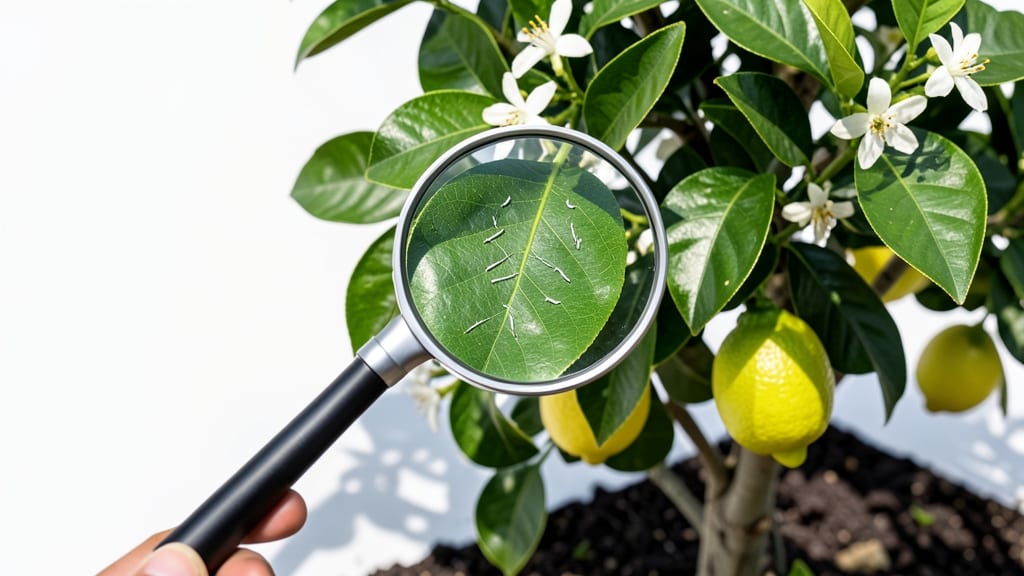
Spotting the tiny citrus leaf miner eggs on your citrus leaves? Those are the first sign of trouble—and ignoring them means your trees could lose leaves by summer. 🌿 I learned the hard way when my Meyer lemon tree turned skeletal in just six weeks.
The key to saving your citrus isn't fighting the larvae once they hatch; it's catching this early stage before they tunnel into your leaves.
The eggs are microscopic but leave telltale signs: silvery trails on leaf undersides where larvae feed. Most people wait until they see the damage, but by then it's too late. I start checking leaves with a magnifying glass in early spring when temperatures hit 60°F—that's when these pests wake up.
A simple soapy water spray (1 tsp dish soap per quart of water) removes 90% of eggs if done weekly.
What you'll end up with is a tree that stays lush and productive all season. The leaves stay green, the fruit develops properly, and you avoid the defoliation that weakens trees and invites other pests. Even better? This method works without harsh chemicals that harm pollinators or your family.
Works for all citrus varieties—from backyard lemons to commercial groves—and prevents future infestations when combined with proper pruning. Here's how to make it work before the miners even hatch.
The hidden invaders behind damage
Understanding why citrus leaf miner eggs appear on your trees starts with knowing their stealthy, science-backed triggers. These tiny pests don’t just show up randomly—they’re drawn by specific conditions that make your citrus trees look like an all-you-can-eat buffet.
Let’s break down the real culprits and why they’re targeting your grove.
Citrus leaf miners (Phyllocnistis citrella) thrive when trees are stressed or compromised. A healthy tree’s natural defenses—like thick cuticles, strong sap flow, and resilient leaves—can deter egg-laying. But when trees are weakened, miners see an open invitation.
- Nutrient Deficiencies: Lack of nitrogen, phosphorus, or zinc makes leaves thinner and more vulnerable. Miners prefer tender, nutrient-starved foliage for egg deposition. - Water Stress: Overwatering or drought weakens cell structure, making leaves softer and easier to penetrate.
Think of it like biting into a ripe vs. a tough apple—miners go for the easy meal. - Poor Pruning Practices: Overcrowded branches or dead wood create microclimates where humidity lingers, mimicking the miners’ ideal egg-laying conditions.
Pro Tip: 💡 Conduct a soil test every 2–3 years. If deficiencies are found, amend with compost or organic fertilizers (like fish emulsion or bone meal) to bolster tree resilience.
Citrus leaf miners are temperature-sensitive. They’re most active when conditions align with their biological sweet spot:
- Warmth (70–85°F): Eggs hatch fastest in consistent warmth, especially during spring and fall. Cooler nights slow them down, but sudden heat spikes trigger mass egg-laying. - High Humidity: Miners prefer 60–80% humidity—ideal for keeping eggs moist and larvae from drying out.
Greenhouses or dense foliage trap humidity, creating hotspots. - Sudden Weather Shifts: Rain followed by sunshine creates ideal conditions for egg-laying. The moisture softens leaves, while sunlight warms them—like a signal for miners to strike.
Pro Tip: ✨ Use shade cloth (30–50%) in peak summer to moderate temperature swings, making your trees less appealing to miners.
Miners don’t just target citrus—they’re opportunistic feeders. If your yard has a mix of susceptible plants, they’ll treat it like a smorgasbord.
- Primary Targets: Citrus trees (oranges, lemons, limes, grapefruit) are their favorite, but they’ll also attack: - Rutaceae family plants (like curry leaf, hop bush, or Japanese mock orange). - Weak or young trees (their defenses are still developing). - Secondary Spread: Once established, miners migrate between plants via wind or garden tools.
A single infested tree can become a pest hub in weeks.
Pro Tip: 🌡️ Monitor nearby plants—remove or treat secondary hosts to break the cycle. Even a single infected plant can act as a reservoir for miners.
Miners don’t attack randomly—they time their strikes to maximize survival. Their life cycle syncs with citrus growth patterns:
- New Growth Phases: Miners love fresh, tender leaves (spring flush or after pruning). These leaves are less tough, making egg insertion easier. - Dormant Periods: While trees rest (winter), miners lay dormant eggs on branches.
When buds swell in spring, these eggs hatch en masse, overwhelming the tree. - Post-Pruning Windows: Pruning stimulates regrowth, which miners detect as a signal to lay eggs. The new shoots are high-protein feasts for larvae.
Pro Tip: ⏰ Time pruning for late winter (just before miner activity peaks) to avoid triggering a feeding frenzy. Avoid heavy pruning in spring or fall when miners are most active.
Sometimes, well-meaning gardening practices backfire by creating miner-friendly conditions:
- Over-Fertilizing with Nitrogen: While nitrogen boosts growth, excessive use leads to soft, sappy leaves—miner heaven.
Think of it like feeding a squirrel too many peanuts; they’ll multiply uncontrollably. - Ignoring Debris: Leaf litter, fallen fruit, or mulch piles provide hiding spots for adult miners and shelter for eggs.
It’s like leaving crumbs on the table—inviting pests to stay. - Using Contaminated Tools: Pruners, rakes, or even wind from leaf blowers can transport eggs from infested to healthy trees. Always sanitize tools with rubbing alcohol between uses.
Pro Tip: 🔥 Clean up fallen leaves and fruit weekly during miner season (spring–fall). Store tools in a disinfected bin or hang them in a dry, sunny spot to deter pests.
Natural Ways to Stop Leaf Miners
Now that you know how citrus leaf miners strike, it’s time to fight back—without harsh chemicals. These pests thrive in citrus trees, but with the right approach, you can eliminate eggs, larvae, and adults while keeping your grove healthy.
Below, we break down targeted solutions based on the root cause of your problem, from early detection to long-term prevention.
The key to stopping citrus leaf miners is acting fast. Eggs hatch into larvae that tunnel through leaves, causing irreversible damage. Here’s how to tackle them at every stage:
🍳 Hand-Pick and Destroy Eggs (Best for Early Detection)
- When to do it: Check leaves every 3–5 days during warm months (spring through fall).
- How to spot eggs: Look for tiny white specks on the upper surface of leaves, often near veins.
- How to remove:
- Use a soft paintbrush or cotton swab dipped in soapy water to gently scrape off eggs.
- Drop them into a bucket of soapy water (1 tsp dish soap per gallon) to kill them instantly.
- Pro tip: 💡 Focus on new growth—leaf miners love tender, fresh leaves!
👨🍳 Prune and Dispose of Infested Leaves
- Why it works: Removing heavily damaged leaves starves larvae and reduces their numbers.
- How to do it:
- Snip off yellowing, curled, or webbed leaves with clean pruners (sterilize with rubbing alcohol).
- Bag and trash infested leaves immediately—don’t compost them!
- Bonus: 🌡️ Prune in the early morning when pests are least active.
🥘 Use Kaolin Clay as a Physical Barrier
- How it works: This non-toxic, white clay coats leaves, making it hard for adults to lay eggs and confusing larvae.
- How to apply:
- Mix 2–4 tbsp kaolin clay per gallon of water with a sticker spray (like 1 tsp horticultural oil).
- Spray evenly on both leaf surfaces, especially undersides where eggs hide.
- Reapply every 7–10 days or after rain.
- Pro tip: ✨ Works best preventively—spray before you see signs of miners!
Adult citrus leaf miners are tiny, black, and moth-like—they’re hard to spot but critical to stop. Here’s how to catch them:
🕯️ Use Pheromone Traps (Early Season Control)
- Why it works: Females are drawn to male pheromones, so traps disrupt mating.
- How to set it up:
- Buy citrus leaf miner pheromone traps (available at garden centers).
- Hang 1–2 traps per tree in early spring (before flies emerge).
- Check traps weekly and replace lures every 4–6 weeks.
- Pro tip: 🎯 Place traps 10–15 feet above ground for best results.
🌿 Plant Trap Crops to Lure Flies Away
- Why it works: Some plants attract miners more than citrus, acting as a decoy.
- Best trap plants:
- Mexican lime (Key lime)
- Rue (Ruta graveolens) – a strong-smelling herb miners love
- Sweet orange or grapefruit seedlings (plant near your main trees)
- How to use:
- Plant 1–2 trap crops per citrus tree.
- Monitor daily and prune/destroy infested leaves before miners spread to your main trees.
Once you’ve dealt with an infestation, prevent future outbreaks with these low-maintenance strategies:
🌱 Maintain Tree Health (Strong Trees = Fewer Pests)
- Water deeply but infrequently (citrus hate soggy roots—1–2 inches per week).
- Fertilize with citrus-specific food (high in nitrogen and micronutrients like zinc).
- Thin fruit to reduce stress—overloaded trees attract more pests.
- Pro tip: 💪 Mulch with wood chips (2–3 inches) to suppress weeds (which harbor miner eggs).
🛡️ Use Beneficial Insects as Natural Predators
- Lady beetles (ladybugs) – eat miner eggs and larvae.
- Parasitic wasps (like Ageniaspis citricola) – specifically target leaf miners.
- How to attract them:
- Plant
- Avoid broad-spectrum pesticides (they kill beneficial bugs too!).
- Buy and release ladybugs or parasitic wasps from garden stores.
🌧️ Time Sprays for Maximum Effect
If you must use organic sprays, time them strategically for best results:
| Spray Type | Best Time to Apply | How Often |
|---|---|---|
| Neem oil | Evening (avoid direct sun) | Every 7–10 days |
| Insecticidal soap | Early morning (before 9 AM) | Every 5–7 days |
| Spinosad (organic) | Dusk | Every 10–14 days |
Pro tip: 🔥 Rotate sprays to prevent resistance—don’t use the same one every time!
If your tree is heavily damaged (50%+ leaf loss), take aggressive action:
- Strip and destroy all leaves (wear gloves—some people are allergic to miner saliva!).
- Apply kaolin clay + neem oil the same day.
- Set up pheromone traps immediately to catch emerging adults.
- Isolate the tree until new growth appears (miners can’t survive on bare branches).
Final Reminder: 🌿 Consistency is key! Leaf miners are persistent, but with daily checks, smart pruning, and preventive sprays, you can keep your citrus trees thriving—without toxic chemicals. Start today, and your grove will thank you!
Frequently asked questions about citrus leaf miner eggs
How do I tell if those tiny specks on my citrus leaves are really leaf miner eggs?
Look for tiny white or yellow specks on the top surface of leaves, often near veins. Use a magnifying glass—they’re about the size of a pinhead. These are the eggs. Later, you’ll see silver trails (larvae feeding) on the undersides, confirming the infestation.
Can I use regular dish soap to kill these eggs before they hatch?
Yes! Mix 1 teaspoon mild dish soap with 1 quart of water and spray it directly on the eggs. The soap disrupts their protective coating. Reapply every 3–5 days during warm months for best results. Always test on a small leaf first.
Will removing infested leaves stop the problem completely?
No, it won’t eliminate the problem alone—but it’s a critical step. Remove heavily damaged leaves immediately to starve larvae, but also treat the entire tree with kaolin clay or neem oil to prevent new eggs from hatching. Adult miners can still lay more eggs on healthy leaves.
Are there any organic sprays that work better than soapy water?
Neem oil (mixed with water and a drop of dish soap) or horticultural oil smothers eggs and young larvae. For stubborn cases, spinosad (derived from soil bacteria) is highly effective. Always apply in the evening to avoid harming beneficial insects.
How long does it take to see results after treating citrus leaf miner eggs?
With consistent treatment, you’ll see improvement in 7–10 days. Eggs hatch in about 5–7 days, so if you catch them early, you’ll prevent larvae from tunneling. For severe infestations, combine egg removal + kaolin clay + beneficial insects for faster results.