
Pests and Diseases
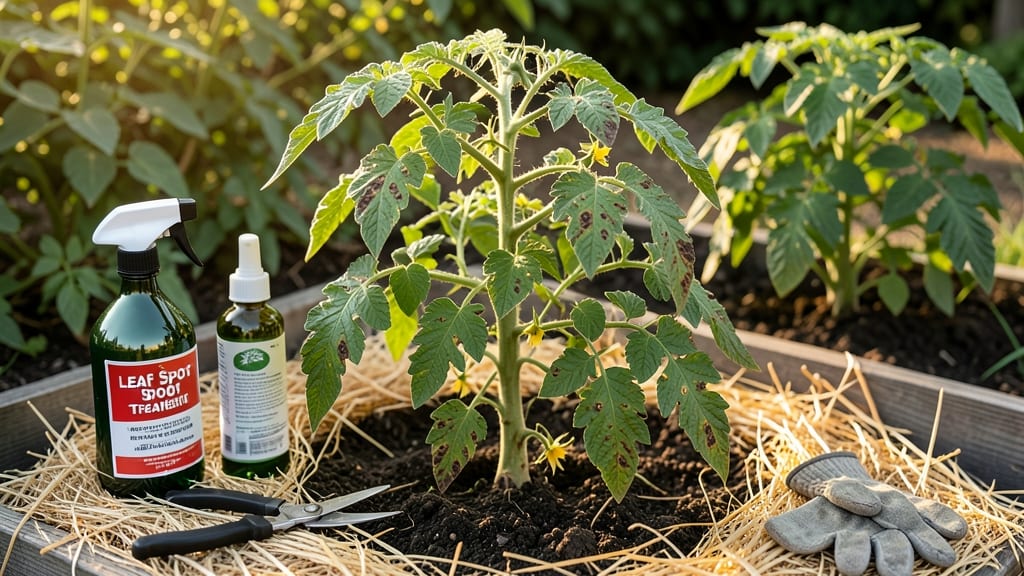
Your plants’ leaves are turning into a polka-dot mess of brown spots—this is the leaf spot disease treatment you need, and the good news is you can stop it in 72 hours without harsh chemicals. 🌿 I’ve battled this on roses, tomatoes, and even houseplants, and the key is acting fast with the right mix of cleanup, airflow tricks, and organic sprays.
The moment you see those first ugly spots, grab some pruners and a spray bottle—this is your battle plan.
Most leaf spot starts with fungal spores hitching a ride on water droplets or wind, then thriving when leaves stay wet too long. Overwatering, crowded plants, or poor airflow turn your garden into a fungal buffet. The worst part?
It spreads like wildfire—one infected leaf can contaminate an entire plant in days. But here’s the secret: removing infected leaves immediately cuts off the food source for the fungus, and a quick spray with baking soda or neem oil disrupts its life cycle before it gains traction.
By the end of 72 hours, you’ll see new growth pushing out clean and healthy, with no more spots appearing. The plants you save will reward you with vibrant green foliage and stronger stems—no more weak, spotty branches.
And the best part? This method works on everything from tomatoes and roses to your favorite houseplants, without leaving chemical residues behind.
If the spots keep coming back after a week, though, it’s time to call in reinforcements—sometimes the fungus has dug in deeper than a simple spray can handle. But for 90% of cases, this quick fix is all you need. Let’s get those leaves looking fresh again!
The Hidden Triggers Behind Leaf Spots
Leaf spot diseases don’t just appear out of nowhere—they’re the result of a perfect storm of environmental factors, fungal activity, and plant stress. Understanding these triggers is the first step to stopping them before they spread.
Let’s break down the key culprits behind leaf spots and why your plants become their favorite targets.
Fungal pathogens like Alternaria, Cercospora, and Septoria thrive in wet conditions. When soil stays soggy—whether from overwatering, heavy rain, or compacted soil—fungal spores splash onto leaves, germinate, and infect plant tissues. Poor drainage traps excess moisture, creating a fungal buffet for pathogens.
- Why it happens: Water droplets on leaves create a high-humidity microclimate, ideal for fungal growth. Some fungi (e.g., Colletotrichum) even produce appressoria—tiny suction-cup-like structures—to penetrate leaf surfaces when moisture lingers.
- Actionable insight: If your soil feels damp 2+ inches down after watering, you’re likely overdoing it. Amend soil with perlite or sand to improve airflow and water runoff.
Healthy plants have natural defenses, but stress—from nutrient deficiencies, physical damage, or environmental shocks—weakens those barriers. Fungal spores smell the stress signals (like increased sugar exudates) and move in.
| Stress Type | How It Opens the Door | Example Pathogens |
|---|---|---|
| Nitrogen Deficiency | Reduces chlorophyll, making leaves thin and vulnerable to infection. | Pseudomonas syringae |
| Herbicide Damage | Chemical burns create entry points for fungi. | Phytophthora (root rot + leaf spots) |
| Extreme Heat/Cold | Shock weakens cell walls, allowing fungal enzymes to break down tissues. | Botrytis cinerea (gray mold) |
Pro tip: 💡 Mulch with compost to stabilize soil moisture and temperature, reducing stress triggers.
Fungal spores need humidity to germinate—think of it like a sponge soaking up water. In high-humidity environments (70%+), spores land on leaves and activate within hours. Poor air circulation (e.g., dense foliage, greenhouses) traps moisture, accelerating outbreaks.
- Why it matters: Some fungi (e.g., Rhizoctonia) produce sclerotia—hard, survival structures—that lie dormant until humidity spikes.
- Fix it: 🌡️ Use a hygrometer to monitor humidity; aim for <60% in growing areas. Oscillating fans can reduce humidity by 10–15% and improve airflow.
Mature leaves are magnets for pathogens because their waxy cuticle wears thin over time, and minor tears (from hail, insects, or pruning) create open invitations. Fungi like Cercospora exploit these weak spots to colonize tissues.
- Science behind it: Damaged cells release phenolic compounds, which fungi break down for energy—basically, they eat the plant’s own repair signals.
- Preventative action: ✨ Prune strategically: Remove yellowing or crisscrossing leaves (a red flag for fungal activity) and sterilize tools with 70% isopropyl alcohol.
Leaf spots are rarely a single cause—they’re a chain reaction of conditions. The good news? Disrupting just one link (like improving drainage or reducing humidity) can break the cycle. Stay tuned for our 72-hour fungicide-free fix to tackle existing spots!
Quick Fixes for Leaf Spot Woes
Leaf spot disease can feel like a losing battle, but with the right approach, you can reverse the damage and protect your plants—without relying on harsh fungicides. The key is acting fast, identifying the root cause, and applying targeted solutions.
Below, we break down the most common triggers for leaf spot and the practical, fungicide-free fixes that work in 72 hours or less. Plus, we’ll share preventive tips to keep your garden healthy long-term.
If your plants are soggy at the roots, they’re prime targets for fungal leaf spots. The fix? Improve airflow and dry out the soil.
🔥 Step 1: Adjust Your Watering Routine
- Water deeply but infrequently—aim for the base of the plant, not the leaves.
- Water in the early morning so foliage dries by nightfall.
- Skip overhead sprinklers (they spread spores like wildfire).
👨🍳 Step 2: Boost Soil Drainage
- Mix in perlite, sand, or compost to loosen heavy soil.
- For container plants, ensure pots have drainage holes—no exceptions!
- Elevate pots slightly with feet or bricks to prevent water pooling.
💡 Pro Tip:
If your soil feels compacted or waterlogged, dig in a 1-inch layer of coarse sand or gravel at the base of the plant to create a "drainage layer." This works wonders for root-bound plants!
Leaf spot thrives when spores hitchhike on tools, wind, or infected leaves. Break the cycle with these sanitization steps.
🔪 Step 1: Prune Like a Pro
- Snip off infected leaves with sterilized pruners (wipe blades with rubbing alcohol between cuts).
- Dispose of clippings in the trash, not compost—fungus survives decomposition!
🌡️ Step 2: Disinfect Your Tools & Garden
- Spray pruners, pots, and trellises with a 1:10 bleach-water mix (rinse after).
- Remove mulch from under infected plants—it traps moisture and spores.
- Rake up fallen leaves and debris from the area.
✨ Pro Tip:
For stubborn spores, wash plant leaves with a mild soap solution (1 tsp dish soap + 1 gallon water). Spray undersides of leaves—that’s where spores love to hide! Rinse thoroughly to avoid leaf burn.
Stressed plants get sick faster. Boost their immunity with these organic power moves.
💪 Step 1: Feed with Fungus-Fighting Nutrients
- Baking soda spray: Mix 1 tsp baking soda + 1 tsp oil + 1 gallon water. Spray every 7–10 days (test on a small leaf first).
- Neem oil: Dilute 1 tbsp neem oil + 1 tsp mild soap + 1 quart water. Spray early in the morning to avoid burning leaves.
- Compost tea: Brew 1 cup compost in 5 gallons water for 24 hours, then strain and spray. Rich in beneficial microbes that outcompete fungus.
🎯 Step 2: Improve Air Circulation
- Space plants 3–5 feet apart (crowding = fungus paradise).
- Use fan on low speed near seedlings or greenhouse plants to dry leaves faster.
- Prune inner branches to let air flow through the plant.
🔥 Pro Tip:
For houseplants, group them together in a humidifier tray (fill a tray with pebbles and water, place plants on top). This traps humidity near roots while keeping leaves dry—fungus’ worst enemy!
Leaf spot loves tropical conditions. If your garden is stuck in a heatwave, create a fungus-hostile environment.
🌿 Step 1: Mulch the Right Way
- Use straw or pine needles (they dry out faster than wood chips).
- Keep mulch 2–3 inches away from the stem to prevent moisture buildup.
💡 Step 2: Shade & Strategic Watering
- Provide afternoon shade (use shade cloth or plant taller species nearby).
- Water only when the top inch of soil is dry—use a moisture meter if unsure.
✨ Pro Tip:
Try the "drip irrigation hack": Bury drip lines at the base of plants instead of spraying above ground. This keeps leaves dry while roots stay hydrated—leaf spot’s kryptonite!
Remember: The faster you act, the faster your plants bounce back. Within 72 hours, you should see noticeable improvement if you’ve addressed the root cause. For prevention, repeat these steps seasonally and always rotate your gardening tools to avoid reinfection.
Frequently asked questions
What are the first signs of leaf spot disease I should watch for?
Look for small, dark brown or black spots with yellow halos on leaves—often with feathery edges. These spots may have tiny black dots (fungal fruiting bodies) in their centers. Check both leaf top and undersides, as spores often hide there first.
Can I save a plant if most of its leaves have leaf spots?
It depends on how quickly you act! If over 50% of leaves are infected, prune the worst spots immediately and isolate the plant. For severe cases, consider replacing the plant—some diseases (like Alternaria) can weaken roots over time. Focus on preventing spread to nearby plants.
How often should I apply neem oil or baking soda sprays?
For neem oil, spray every 7–10 days at dawn (avoid direct sunlight). For baking soda, use every 7–14 days—test on a small leaf first. Stop sprays once new growth appears clean for 2–3 weeks to avoid overuse, which can harm plants.
Will leaf spot disease spread to other plants in my garden?
Absolutely—fungal spores travel via wind, water, or tools. Isolate infected plants immediately, disinfect tools with rubbing alcohol, and avoid overhead watering. Remove fallen leaves daily to break the spore cycle. Healthy plants nearby are safest.
Are there any plants more resistant to leaf spot?
Some varieties are tougher than others! Try disease-resistant tomatoes (like 'Celebrity'), roses with good airflow (e.g., 'Knock Out'), or herbs like oregano and thyme, which rarely suffer from leaf spot. Always choose locally adapted plants for your climate.