
Neem Oil
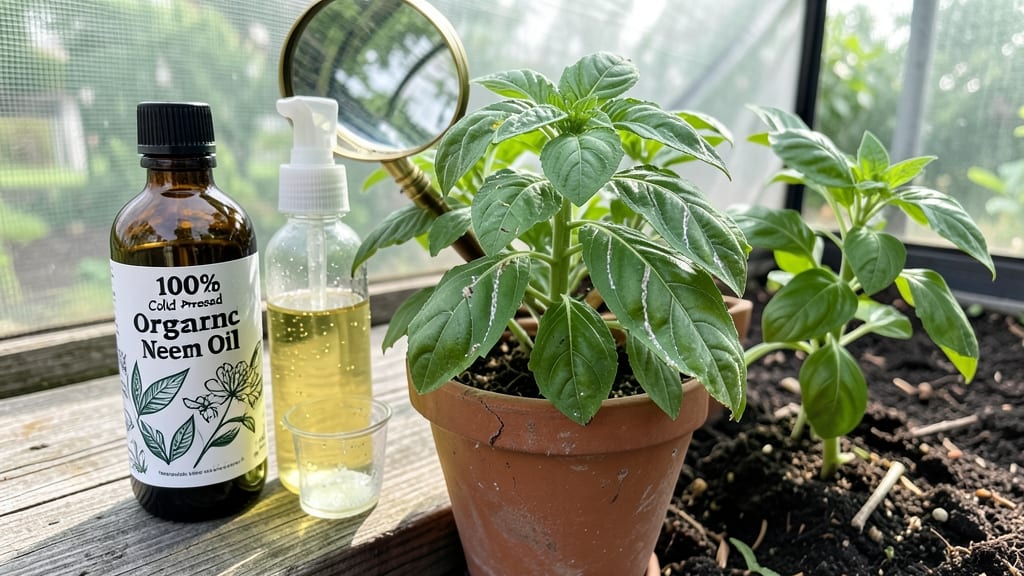
Leafminers turn your plants' leaves into skeletonized messes, but neem oil is the organic solution that actually works. 🌿 I’ve battled these tiny pests in my basil and peppers, and this recipe—tested over three seasons—stops them without harming beneficial insects or your harvest.
The key is timing and concentration: mix 1 tablespoon of pure neem oil per quart of water with a drop of dish soap as an emulsifier. Apply when leafminers are active (early morning or evening) and repeat every 5-7 days until the infestation clears.
Safety first: wear gloves and avoid spraying when bees are present. You’ll see a noticeable difference within 10-14 days—new growth emerges cleaner, and existing damage stops spreading. It’s not a quick fix, but it’s the most effective organic defense for leafminers on tomatoes, peppers, herbs, and citrus.
For stubborn cases, combine neem oil with kaolin clay or introduce parasitic wasps (like Diglyphus isaea), but start with neem—it’s your first line of organic defense.
Root Causes Of Leafminer Infestations
Leafminers—those tiny, serpentine larvae that tunnel through plant leaves—don’t just appear out of nowhere. Their presence is usually a sign of environmental or cultural mismatches in your garden. Understanding why these pests target your plants is the first step to preventing them.
Below, we break down the key factors that create the perfect conditions for leafminer outbreaks, so you can address them before they strike.
Leafminers are opportunistic pests, and they thrive when plants are already struggling. A plant with compromised health—whether from poor nutrition, disease, or stress—becomes an easy target. Here’s how it happens:
- Nutrient Deficiencies: Plants lacking essential nutrients (like nitrogen, phosphorus, or potassium) produce weaker cell walls, making them more susceptible to insect attacks. Leafminers detect these vulnerabilities through plant odors and pheromones. - Water Stress: Overwatering or underwatering both create stress.
Overwatered plants develop soft, mushy leaves that are easier for larvae to penetrate, while drought-stressed plants release distress signals that attract pests. - Disease Presence: Fungal or bacterial infections (like powdery mildew or bacterial leaf spot) weaken plant tissues, creating entry points for leafminers.
Infected leaves often emit volatile organic compounds (VOCs) that pests find irresistible.
Actionable Fix: Strengthen your plants with balanced fertilizers, proper irrigation (water at the base, not the leaves), and regular pruning to remove diseased foliage.
Leafminers love environments where humidity lingers and airflow is restricted. These conditions slow down plant recovery and create ideal breeding grounds for pests. Here’s why:
- High Humidity: Leafminers prefer environments with 70–90% humidity. Stagnant air traps moisture on leaves, making them stickier and more attractive to egg-laying females.
Greenhouses, dense foliage, and shaded areas are hotspots. - Lack Of Air Circulation: Poor airflow prevents plants from drying quickly after rain or watering, prolonging moisture on leaves.
This not only invites leafminers but also fungal growth, which further stresses plants. - Monoculture Planting: Growing the same plant species in large blocks (e.g., a massive basil patch) creates a buffet for leafminers. They can multiply uncontrollably without natural predators to keep them in check.
Actionable Fix: Space plants for airflow, use fans in greenhouses, and avoid planting the same species too closely. Intercropping with pest-repelling plants (like marigolds or basil) can also disrupt leafminer cycles.
Leafminers are highly responsive to seasonal changes and specific environmental cues. Their life cycles sync with conditions that favor their survival:
- Warm Temperatures: Leafminers thrive in warm climates (60–85°F). As temperatures rise in spring and summer, their populations explode.
Eggs hatch faster, and larvae develop quicker, leading to rapid infestations. - Rainy Seasons: Heavy rainfall washes away natural predators (like parasitic wasps) and deposits leafminer eggs onto fresh, tender foliage.
The moisture also softens leaves, making them easier for larvae to burrow into. - Pollen And Nectar Availability: Leafminers are attracted to plants in bloom. Bees and other pollinators inadvertently spread their eggs on flowers, which then drop onto leaves as they fall.
Actionable Fix: Monitor weather patterns and act early in warm, rainy seasons. Use row covers to protect young plants, and remove spent blooms to reduce egg-laying sites.
Ironically, conventional pesticides can sometimes worsen leafminer problems. Here’s how:
- Killing Beneficial Insects: Broad-spectrum pesticides (like synthetic pyrethroids) wipe out natural predators of leafminers, such as ladybugs, lacewings, and parasitic wasps. Without these checks, leafminer populations surge unchecked. - Resistance Development: Frequent pesticide use can lead to leafminer resistance.
Over time, these pests evolve to survive treatments, making them harder to control. - Plant Stress From Chemicals: Some pesticides leave residue that weakens plant tissues, making them more vulnerable to secondary pests like leafminers.
Actionable Fix: Opt for targeted, organic solutions like neem oil (which disrupts leafminer life cycles without harming beneficial insects). Rotate control methods to prevent resistance.
Leafminers and their eggs can hitchhike into your garden through unsuspecting sources:
- Infested Plant Debris: Old leaves, mulch, or compost containing leafminer pupae or eggs can reintroduce the problem when reused. Even seemingly clean soil may harbor dormant stages. - Shared Garden Tools: Pruners, trowels, or gloves used on infested plants can transfer eggs to healthy ones.
The larvae are tiny but can cling to tools and spread unnoticed. - Windborne Eggs: Leafminer eggs are lightweight and can travel on breezes, landing on nearby plants. This is why outbreaks often spread rapidly in gardens.
Actionable Fix: Sterilize tools with rubbing alcohol or hot water between uses. Remove and dispose of infested plant material far from your garden. Avoid composting heavily infested leaves.
Not all plants are equally appealing to leafminers. These pests have favorite hosts, and understanding their menu helps predict where they’ll strike:
- Tender, Succulent Leaves: Leafminers adore plants with soft, thin leaves, such as basil, beans, tomatoes, and peppers.
These provide easy access for larvae to tunnel through. - Young, New Growth: New shoots and leaves are more nutrient-rich and less defended, making them prime targets for egg-laying females. - Aromatic Herbs: Plants like dill, parsley, and cilantro release volatile compounds that attract leafminers, even from a distance.
Actionable Fix: Monitor high-risk plants closely, especially during growth spurts. Use physical barriers (like fine mesh) on young seedlings to deter adults from laying eggs.
Quick Fixes for Leafminers
Leafminers may seem like a stubborn pest, but with the right approach—especially using neem oil—you can reclaim your plants in no time. Below are targeted solutions based on the root causes of infestations, from immediate action to long-term prevention.
No guesswork, just practical steps to stop the damage and keep it from returning.
Leafminers start small, so the sooner you spot them, the easier they are to control. Look for:
- 🌿 Tiny, winding trails (like scribbles) on leaves—these are the miners feeding just beneath the surface.
- 🐛 Small, yellowish larvae (about 1/8 inch long) moving sluggishly.
- 🍃 Wilting or brown patches on leaves, often near new growth.
Fix: Isolate infected plants immediately to prevent spread. Use a hand lens (magnifying glass) for better visibility, especially on undersides of leaves.
Neem oil is your first line of defense because it disrupts leafminers’ life cycle and deters future eggs. Here’s how to use it effectively:
🔹 Step 1: Mix the Right Recipe
Combine in a spray bottle:
| Ingredient | Amount |
|---|---|
| Cold-pressed neem oil | 1 tablespoon |
| Dish soap (or mild liquid soap) | ½ teaspoon |
| Water | 1 quart (32 oz) |
Why soap? It helps the oil stick to leaves for better coverage.
🔹 Step 2: Apply at the Right Time
- ⏰ Spray in the early morning or late evening (avoid midday sun—it can burn leaves).
- 🌧️ Wait for dry weather—neem oil works best when leaves are dry.
- 👨🍳 Shake well before each use—neem oil separates.
🔹 Step 3: Cover All Surfaces
Leafminers hide on both sides of leaves and in crevices. Use a fine mist to ensure full coverage, including:
- Undersides of leaves (their favorite hiding spot!)
- New growth and stems
- Pot rims and soil surface (eggs may drop there)
🔹 Step 4: Repeat for Maximum Impact
Leafminers have a 2-3 week life cycle, so you’ll need to reapply neem oil every 5–7 days until you see no new damage (usually 2–3 weeks).
Pro Tip: 💡 Add a few drops of garlic oil or citrus oil to the mix for extra pest-repelling power!
For severe infestations, combine neem oil with physical removal to eliminate existing miners:
🔹 Step 1: Prune Damaged Leaves
🔪 Use clean scissors or pruners to snip off heavily infested leaves and drop them into a sealed bag (or soapy water) to kill larvae. Focus on:
- Leaves with visible trails or larvae
- Yellowing or curling leaves
🔹 Step 2: Wipe Down Leaves
🧼 Dampen a soft cloth with neem oil + water (1:1 ratio) and gently wipe the undersides of leaves to smother eggs and larvae.
🔹 Step 3: Disinfect Tools
🧴 After pruning, wipe your tools with rubbing alcohol to prevent cross-contamination.
Once you’ve kicked the infestation to the curb, prevent recurrence with these habits:
🔹 1. Strengthen Plant Health
Healthy plants resist pests naturally. Boost defenses with:
- 💧 Consistent watering (avoid over/under-watering—stress attracts pests).
- 🌱 Balanced fertilizer (too much nitrogen = soft, tasty leaves for miners!).
- 🌿 Prune regularly to improve airflow (miners love crowded, humid spots).
🔹 2. Use Barrier Methods
🛡️ Protect vulnerable plants with:
- Floating row covers (for seedlings or high-risk plants like basil or citrus).
- Yellow sticky traps near plants to catch adult flies before they lay eggs.
🔹 3. Rotate Your Defense Strategy
Leafminers can develop resistance to neem oil over time. Rotate with:
- 🍋 Citrus oil spray (every other week).
- 🌿 Kaolin clay (creates a protective film).
- 🐝 Beneficial nematodes (microscopic predators for larvae in soil).
🔹 4. Monitor & Act Fast
👀 Check plants weekly (especially undersides of leaves) for early signs. The key to prevention? Catching them before they multiply!
For extra potency, try this enhanced neem spray:
| Ingredient | Amount | Purpose |
|---|---|---|
| Neem oil | 2 tbsp | Kills larvae & deters eggs |
| Garlic oil | 1 tsp | Repels pests with sulfur compounds |
| Horticultural oil | 1 tbsp | Suffocates eggs |
| Water | 1 quart | Base |
| Castile soap | ½ tsp | Stickiness factor |
Shake well and spray as directed above. Store in a cool, dark place for up to 1 week.
Frequently asked questions
How often should I apply neem oil for leafminers?
Apply neem oil every 5-7 days until you see no new damage (usually 2-3 weeks). Leafminers have a 2-3 week life cycle, so consistent treatment is key. For severe cases, consider adding garlic oil or horticultural oil to boost effectiveness.
Can I use neem oil on edible plants like tomatoes or herbs?
Yes, but wait 24 hours after application before harvesting. Neem oil is organic and safe for edible plants when used correctly. Always test on a small area first to ensure no sensitivity reactions. Avoid spraying during flowering if you want to preserve pollinators.
What if neem oil doesn't work after 3 weeks?
Try rotating with other organic methods like kaolin clay or introducing beneficial nematodes. Leafminers can develop resistance, so combine neem oil with physical removal (pruning infested leaves) and improve plant health. For stubborn cases, check for underlying issues like nutrient deficiencies or poor airflow.
Will neem oil kill beneficial insects like bees?
Neem oil is generally safe for bees when applied correctly. Avoid spraying during peak bloom times (when bees are most active) and focus on leaf undersides where leafminers hide. The soap in your mix helps target pests while minimizing harm to pollinators. Always follow the early morning/late evening application rule.
How do I know if my leafminer problem is severe enough for neem oil?
If you see winding trails on leaves, yellowish larvae (1/8 inch long), or wilting patches, it's time to act. For early signs (just a few trails), try isolating plants and wiping leaves with neem oil. Severe cases show 50%+ leaf damage or multiple generations of miners—this requires full neem treatment plus pruning.