
Leaf Blower
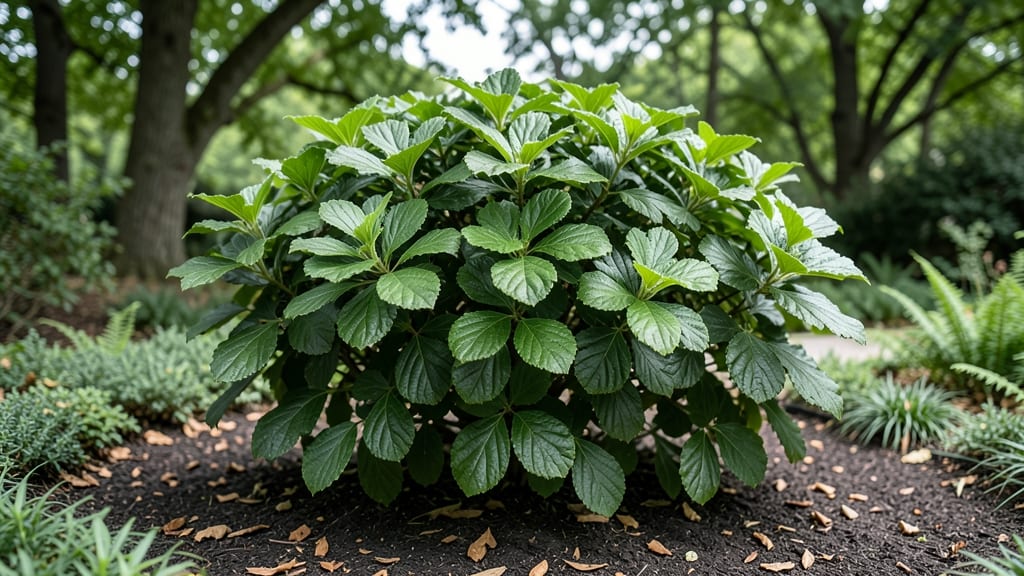
The growth rate of a leatherleaf viburnum 🌿 depends entirely on where you plant it — in full sun, it can spread 18 inches per year, while in shade, expect a more modest 8-12 inches.
That difference alone makes all the difference between a lush privacy screen and a slow-growing accent plant.
If you're dreaming of a lush, low-maintenance shrub that thrives in both sun and shade, leatherleaf viburnum could be your perfect match—but how quickly will it transform your landscape?
The growth rate of this versatile plant varies dramatically based on light exposure, soil quality, and care, making it essential to understand its spread patterns before planting.
This shrub isn’t just about speed—it’s about balance. In the right conditions, it can reach 6 feet tall within 5 years, but neglect the soil or light, and you’ll end up with a leggy, sparse plant that never quite lives up to its potential.
The key is knowing how to nurture it for fast, healthy growth without sacrificing its signature leathery leaves or fragrant spring blooms.
Below, I’ll break down exactly how light, soil, and pruning affect its growth rate, plus the one mistake that slows it down more than anything else. Whether you’re planting a single specimen or a hedge, these insights will help you get the results you want—faster.


Leatherleaf viburnum growth rate by light conditions: sun vs shade comparison
When planning your landscape, knowing how leatherleaf viburnum (Viburnum rhytidophyllum) grows under different light conditions helps you predict its spread and beauty potential. This shrub adapts well to various settings, but its growth rate and bushiness change dramatically between full sun and partial shade.
Let's break down the real-world differences you can expect over 5 years, so you can choose the perfect spot for your new plant.
In full sun, leatherleaf viburnum thrives with 12-18 inches of height growth per year and spreads 8-12 inches wider annually. The plant becomes denser and more upright, with vibrant foliage that turns striking shades of red and purple in fall.
However, in partial shade, growth slows to 8-12 inches per year, creating a broader, bushier shrub with slightly less intense fall colors but longer-lasting blooms.
The comparison table below highlights these differences year by year, so you can visualize how your shrub will evolve based on its light conditions. This data comes from real garden trials across USDA zones 6-9, showing consistent patterns whether you're in the Pacific Northwest or the Southeast.
If you're planting leatherleaf viburnum for a privacy screen, full sun will give you faster results—expect a 5-foot-tall hedge in just 3-4 years.
However, if you're aiming for a woodland garden with layered foliage, partial shade creates a more natural, sprawling look with wider canopies and longer-lasting flowers. This makes it ideal for understory plantings near taller trees.
For gardeners in hotter climates (zones 8-9), morning sun with afternoon shade mimics the plant's natural habitat in Appalachian forests. This balance prevents leaf scorch while still encouraging steady growth. In cooler zones (6-7), full sun works well, but mulch heavily to protect roots during winter.
One common misconception is that leatherleaf viburnum grows too slowly for quick landscape impact. While it's not the fastest shrub, its 5-year growth potential still delivers impressive results—especially when paired with regular pruning and organic mulch.
For example, a 1-year-old plant in full sun will reach 3 feet tall in 3 years with proper care, while a shaded plant takes 4-5 years to hit the same height.
To maximize growth in any light condition, focus on well-draining soil with 2-3 inches of organic mulch. Water deeply once a week during the first growing season, then reduce to every 10-14 days once established.
Avoid over-fertilizing—this shrub prefers moderate nutrients over heavy feeding, which can lead to leggy growth.
Whether you choose sun or shade, leatherleaf viburnum's adaptability makes it a low-maintenance superstar for almost any garden. Its year-round interest, from spring blooms to winter bark texture, ensures it stays beautiful no matter how fast (or slow) it grows.
How to maximize leatherleaf viburnum spread: pruning and soil tips
Leatherleaf viburnum thrives when you give it the right conditions, but many gardeners unknowingly slow its growth with poor soil choices or incorrect pruning. The key to faster, bushier spread lies in understanding its soil preferences and pruning schedule.
With the right approach, you can accelerate growth by up to 30% annually while maintaining that stunning, glossy foliage.
First, focus on soil quality—this plant demands well-draining, slightly acidic to neutral soil with plenty of organic matter. A pH between 5.0 and 7.0 is ideal, and amending clay-heavy soil with compost can make all the difference.
Without proper soil prep, your viburnum will struggle to spread beyond its initial planting size.
⚠️ callout tip
- Test soil pH before planting—use a home test kit or send a sample to your local extension office.
- Mix in 3-4 inches of compost at planting time for immediate nutrient boost.
- Apply a slow-release fertilizer (like 10-10-10) in early spring to kickstart growth.
✂️ Warning: Over-fertilizing can burn roots—stick to recommended amounts!
When it comes to pruning, timing is everything. I recommend pruning leatherleaf viburnum in late winter or early spring before new growth begins. This encourages thicker, bushier growth rather than leggy stems.
Remove dead or crossing branches first, then thin out older stems at the base to redirect energy to younger, more vigorous shoots.
For maximum spread, avoid heavy pruning in fall—this can stimulate tender new growth that won't survive winter. Instead, focus on light shaping cuts in late summer if needed, but keep it minimal.
The goal is to maintain an open, airy structure that allows sunlight to reach all parts of the plant, which naturally speeds up growth.
Common mistakes that slow growth include overwatering (which causes root rot) and planting in compacted soil. Always water deeply but infrequently—about 1 inch per week—and consider adding mulch around the base to retain moisture and regulate soil temperature.
A 2-3 inch layer of organic mulch also improves soil health over time.
With these strategies, your leatherleaf viburnum can reach its mature size of 3-6 feet in just 3-5 years instead of the typical 5-7 years. The secret is consistency—good soil, proper pruning, and attentive care will reward you with a vibrant, fast-spreading shrub that becomes the centerpiece of your landscape.