
Pests
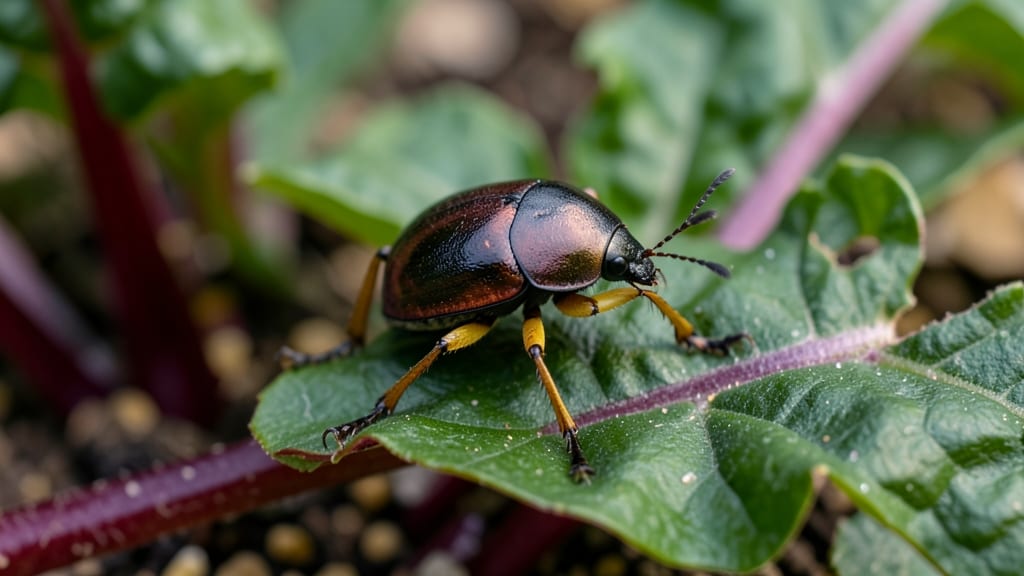
Those skeletonized lilies and chewed leaves aren’t just ugly—they’re the work of lily leaf beetle control gone wrong. The shiny, orange invaders strip your plants bare, but copper spray isn’t just a last resort—it’s the fastest way to stop them in their tracks while keeping your garden safe.
The beetles arrive in late spring, munching through leaves like they're at a buffet. But here's the thing: they're slow movers, and copper spray works by creating a protective barrier that disrupts their feeding within 24 hours.
You'll see the first signs of recovery almost immediately—new growth pushing through, leaves regaining their color.
By week two, your lilies will look like they did before the invasion, and the beetles? They'll be history. The spray works on eggs too, so you're not just treating the problem—you're preventing the next generation. Plus, it's safe for pollinators once dry, unlike some chemical alternatives.
Whether you're dealing with a backyard garden or container plants, this method scales easily. The key is consistency—apply it every 7-10 days until the beetles disappear. Here's how to make it work without the guesswork.
The Real Culprits Behind Lily Leaf Beetles
Lily leaf beetles (Lilioceris lilii) aren’t just a nuisance—they’re invasive, voracious, and relentless. But why do they suddenly show up in your garden, stripping your prized lilies and fritillaries bare?
The answer lies in a mix of ecological factors, human activity, and the beetles’ own survival strategies. Understanding these causes is the first step to stopping them in their tracks.
Lily leaf beetles aren’t native to North America—they hitchhiked here from Europe, likely arriving in the early 2000s via contaminated plant shipments. Once established, they spread rapidly because:
- No natural predators: Unlike in their native Europe, North American ecosystems lack birds, parasites, or fungi that keep their populations in check.
- Global plant trade: Nurseries and garden centers often sell infested lilies or fritillaries without inspection, unwittingly distributing eggs or larvae.
- Climate suitability: Mild winters in many U.S. and Canadian regions provide ideal conditions for year-round survival and breeding.
Pro tip: 💡 Always inspect new plants for red eggs, black larvae, or shiny copper-colored adults before bringing them home. Quarantine suspect plants for 2 weeks to prevent spread.
Lily leaf beetles have a very specific menu: they only dine on plants in the Liliaceae family, including:
- True lilies (Lilium spp.)
- Fritillaries (Fritillaria spp.)
- Tulips (Tulipa spp.)
- Daylilies (Hemerocallis)—though less preferred
If your garden is a lily buffet, beetles will find it. They’re also drawn to:
- Stressed or weakened plants: Drought, poor soil, or overcrowding make lilies easier targets.
- Newly planted lilies: Young, tender shoots are irresistible to hungry adults and larvae.
- Shady, moist microclimates: These provide ideal hiding spots for eggs and larvae.
Pro tip: 🌡️ Reduce beetle buffets by removing spent lily foliage in fall (when eggs are laid) and avoiding overwatering. Healthy plants with strong scent repel pests better.
Lily leaf beetles don’t just appear—they time their attacks for maximum damage. Their life cycle is a well-oiled destruction machine:
| Stage | When It Happens | What They Do | Your Window to Act |
|---|---|---|---|
| Adults | April–June (peak: May–early June) | Chew skeletonized holes in leaves; mate and lay eggs in soil near plants. | Now! Handpick adults (drop in soapy water) or use copper spray. |
| Eggs | June–July (laid in clusters near plant bases) | Bright red, jelly-like eggs hatch in 5–10 days into larvae. | Scrape eggs off stems/soil with a knife or brush. Do this daily—they hatch fast! |
| Larvae | July–August (peak feeding) | Black, spiny grubs devour leaves and stems; drop to soil to pupate. | Apply neem oil or Bt (Bacillus thuringiensis) to foliage. Mulch heavily to suffocate pupae. |
| Pupae | August–September (in soil) | Overwinter as pupae; emerge as adults next spring. | Disturb soil in fall to expose pupae to predators/birds. Use row covers in early spring. |
Pro tip: ⏰ Monitor weekly from April to September. The first 2 weeks of June are critical—adults are most vulnerable before egg-laying.
Lily leaf beetles thrive in moderate climates but can adapt to extremes. Key weather triggers:
- Mild winters: Fewer than 20°F (-7°C) for >4 hours kills pupae, but many regions (e.g., Pacific Northwest, Northeast U.S.) rarely drop that low.
- Warm, dry springs: Accelerates adult emergence and egg hatching. Beetles are more active when temps hit 60°F (15°C).
- Rainfall spikes: Heavy rain can wash eggs into soil, protecting them from desiccation and predators.
Pro tip: 🌡️ Use weather to your advantage: Apply copper spray after rain (it’s more effective on wet foliage). In drought-prone areas, water deeply in fall to encourage fungal growth that may harm pupae.
Quick Fixes For Beetle Damage
If your lilies are under siege by Lilioceris lilii, the bright red lily leaf beetle, don’t panic—these pests may be small, but they’re easy to outsmart with the right tactics.
Below, we break down solutions by cause, from immediate fixes to long-term prevention, so you can reclaim your garden in no time. 🚀
Cause: Beetles lay eggs in clusters on the underside of leaves, and larvae hatch in just days. Fix:
- Inspect leaves daily (especially in spring/summer) for bright red adults or black, jelly-like eggs.
- Handpick beetles into a soapy water bucket—no chemicals needed for a few dozen pests.
- 💡 Pro Tip: Check the undersides of leaves first; that’s where eggs hide!
Cause: Beetles and larvae chew through foliage, stripping plants bare. Fix:
- Copper-based sprays (like the one in our title!) create a toxic barrier when beetles feed. Spray every 7–10 days during outbreaks.
- Neem oil (1 tbsp per quart of water + dish soap) disrupts their life cycle. Reapply after rain.
- Kaolin clay (food-grade) coats leaves, making them unappetizing. Best for prevention.
⚠️ Caution: Test sprays on a small leaf first—some plants (like sensitive ferns) may react.
Cause: Beetles love fresh lily growth and multiply fast. Fix:
- Yellow sticky traps lure adults—place near lily beds. Replace weekly when saturated.
- Row covers (fine mesh) block adults from laying eggs. Use in early spring before beetles appear.
- 🌡️ Heat trick: Place a black plastic tarp over infested plants for 24 hours—beetles overheat and die.
Cause: Large infestations defoliate plants, weakening lilies for next season. Fix:
- Prune heavily damaged leaves (but sterilize shears with rubbing alcohol to avoid spreading eggs).
- Apply systemic insecticide (like imidacloprid) only as a last resort—it’s harsh but effective for stubborn cases.
- 🎯 Target larvae: Look for black, slug-like grubs on stems. Squish or spray with soapy water.
Cause: Beetles return yearly if conditions (like lily plants) are ideal. Fix:
- Plant trap crops (like daylilies) far from prized lilies to distract beetles.
- Encourage predators: Ladybugs and birds eat lily leaf beetles. Add a birdbath or native plants to attract them.
- Rotate sprays: Alternate copper, neem, and insecticidal soap to prevent resistance.
- 🔥 Post-season cleanup: Remove all lily debris (leaves, stems) in fall—beetles hide in organic matter to overwinter.
Remember: Consistency is key. A little daily effort now saves hours of cleanup later. With these steps, your lilies will bloom beetle-free next season! 🌸
Frequently asked questions about lily leaf beetle control
What do lily leaf beetle eggs look like, and where should I check for them?
Lily leaf beetle eggs are bright red, jelly-like clusters about the size of a pinhead. Check the undersides of lily leaves, stems, and soil near plant bases—especially in June and July when they're most active. They hatch in just 5-10 days, so early detection is key!
Can I use copper spray on other plants besides lilies?
Yes! Copper spray is safe for most ornamental plants, including fritillaries, tulips, and daylilies. However, avoid using it on edible plants like vegetables or fruits, as copper can leave residues. Always test a small area first—some sensitive plants may react.
How often should I apply neem oil for lily leaf beetle control?
Apply neem oil every 7-10 days during active beetle seasons (April-September). For best results, spray in the evening when bees are less active, and reapply after rain. Mix 1 tablespoon per quart of water with a drop of dish soap as an emulsifier.
Will removing all lily foliage in fall really help prevent beetles?
This is one of the most effective preventive measures. Beetles hide in organic matter to overwinter, so removing all lily debris in late fall (after first frost) eliminates their hiding spots. Pair this with deep soil cultivation to expose pupae to predators.
Are there any natural predators that can help control lily leaf beetles?
Yes! Birds, ladybugs, and parasitic wasps naturally prey on lily leaf beetles. Create a predator-friendly garden by adding birdbaths, native plants, and shelter. You can also purchase ladybugs from garden centers to release during beetle outbreaks.