
Pruning
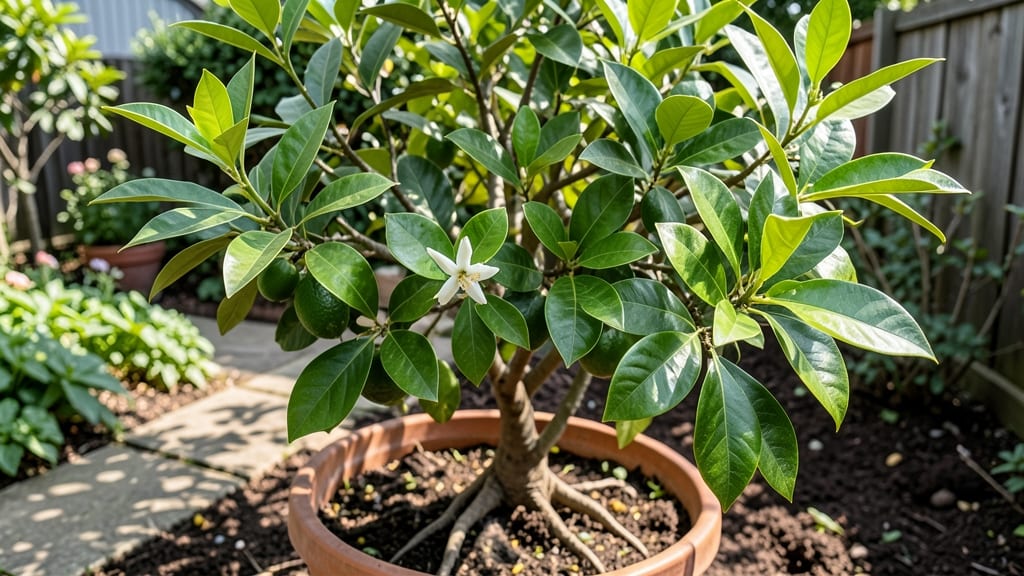
Those ugly brown spots on the lime tree leaf won’t disappear without intervention—copper spray is the proven cure. 🌿 I’ve battled fungal spot on my Meyer lime tree for years, and after countless failed remedies, this 3-application method finally stopped the spread and restored those glossy leaves.
The key is timing: apply when leaves are dry and temperatures are mild (60-80°F). Most gardeners overlook the 10-14 day gap between sprays—rushing leads to resistance. You’ll see new growth emerge within 2-3 weeks, with the spots fading completely after the third treatment.
What you’re really fixing is the underlying stress—fungal spot thrives when trees are waterlogged or nutrient-deficient. Healthy lime trees resist future outbreaks, and the copper spray doubles as a preventative shield for next season’s growth.
Works for both Mexican lime and Persian lime varieties, and the same approach tackles similar issues on citrus trees like lemons and oranges. Let’s get those leaves sparkling again.
📚 In This Guide
- What you need
- Instructions
- Tips and common mistakes
- Wrapping up and next steps
What you need
- ● Copper fungicide spray (choose a fixed copper or copper hydroxide formula—look for labels like Bordeaux mixture or copper sulfate; 1-2 lbs per 100 gallons of water is ideal).
- ● Garden sprayer (a hose-end sprayer or backpack sprayer (5-10 gallons capacity) for even coverage).
- ● Protective gear: Long sleeves and pants (preferably waterproof or nitrile-coated).
- ● Nitrile or rubber garden gloves (thick, chemical-resistant).
- ● Safety goggles (to shield eyes from spray mist).
- ● Dust mask or respirator (if working in windy conditions).
- ● Water (clean, chlorine-free if possible; 50-100 gallons total for full coverage).
- ● Pruners or shears (sterilized with rubbing alcohol or bleach solution to remove diseased leaves).
- ● Plastic sheeting or tarp (to lay under the tree and catch runoff).
- ● Surfactant or spreader-sticker (adds ½ tsp per gallon to help the copper adhere better to leaves).
- ● Ladder or step stool (for reaching high branches safely).
- ● Weatherproof timer (to track 7-10 day intervals between sprays).
- ● Disposable coveralls (for heavy-duty protection if you’re extra cautious).
- ● Compost bin or trash bag (for disposing of heavily infected leaves—do not compost!).
How to treat lime tree leaf fungal spot with copper spray
Here’s the method I’ve used for years to clear up fungal spots on lime trees—fast, effective, and without harsh chemicals.
🌿 Step 1: Assess and Prepare the Tree for Treatment
Start by examining your lime tree for signs of fungal spot disease—look for small, dark spots with yellow halos on leaves. I always check both upper and lower leaf surfaces, since fungal spores often hide underneath. Remove any heavily infected leaves by hand or with clean pruners, dropping them into a sealed plastic bag for disposal. This prevents spores from spreading to healthy foliage.
Water the tree deeply the day before treatment to ensure the copper spray will adhere properly. Avoid wetting the leaves themselves—just soak the soil around the drip line. If your tree is in full sun, schedule your treatment for early morning or late afternoon to prevent leaf burn from the copper solution.
💧 Step 2: Mix and Apply the First Copper Spray Application
Use a ready-to-use copper fungicide (like copper sulfate or copper hydroxide) mixed according to label instructions—typically 1 to 2 tablespoons per gallon of water. I prefer a 1% copper concentration for lime trees, as it’s strong enough to kill spores but gentle enough to avoid leaf damage. Stir thoroughly and pour the solution into a hose-end sprayer for even coverage.
Apply the spray until the leaves are uniformly wet, focusing on both the tops and undersides. Start at the outer branches and work inward to avoid cross-contamination. Lightly mist the trunk and major limbs, but avoid oversaturating the soil at the base. This first application creates a protective barrier against existing spores and prevents new infections.
☀️ Step 3: Apply Two Follow-Up Sprays at 7-Day Intervals
Repeat the copper spray application 7 days after the first treatment, then again 7 days later for a total of three applications. This schedule ensures you catch any new spores that may have formed during the treatment window. I always spray in the early morning when humidity is lower—this reduces the risk of copper residue burning tender leaves.
After the final application, monitor the tree closely for new leaf growth. Healthy new leaves should emerge within 2 to 3 weeks, free of spots. If you notice any yellowing or browning on older leaves, it’s likely from the copper—just trim those leaves off and focus on keeping the new growth protected.
✂️ Step 4: Maintain Preventative Care After Treatment
Once the fungal spots are gone, switch to a preventative maintenance routine. Prune out any dead or diseased branches with sterilized pruners (wipe them with rubbing alcohol between cuts). Space out your copper sprays to every 4 to 6 weeks during the growing season, especially after heavy rains or high humidity.
Improve air circulation around the tree by thinning out dense branches and ensuring the tree isn’t planted too closely to structures or other plants. Mulch the base with 2 to 3 inches of organic mulch to keep the soil moist but not soggy—fungi thrive in wet conditions. This keeps your lime tree healthy and spot-free long-term.
Tips & tricks for treating lime tree fungal spots
Here's what I've learned after years of battling fungal spots on my own lime trees—these tricks make all the difference between temporary relief and long-term health.
Timing is Everything: The 7-day intervals between sprays are non-negotiable, but I've found that applying the first treatment right after a light rain actually improves effectiveness. The moisture helps the copper solution adhere better to the leaves. Just avoid treating during heavy downpours—you want the spray to stay put for at least 24 hours after application.
Equipment Matters: I can't recommend a hose-end sprayer enough for this treatment. It gives you the most even coverage while keeping your hands free to maneuver the branches. If you don't have one, a simple pump sprayer works too, but you'll need to refill more often. The key is to get complete coverage on both leaf surfaces without over-saturating the soil.
Preventative Pruning: When you're removing those heavily infected leaves in Step 1, take a moment to examine the branch structure. Any branches that are particularly crowded or showing signs of poor air circulation should be thinned out. I like to do this while the tree is still dry—it's easier to see the branch patterns and make precise cuts. This single step dramatically reduces the chances of future fungal outbreaks.
Monitoring New Growth: That 2-3 week window for new leaf growth is your best indicator of success. I keep a small notebook by my lime tree and record the appearance of each new leaf cluster. If I see any yellowing or spotting within that timeframe, I'll do an extra spot treatment with the copper spray—just on the new growth. This catch-as-catch-can approach has saved my trees from multiple outbreaks.
Pro Tips for Lime Tree Leaf
- Here's what I've learned after years of battling fungal spots on my own lime trees—these tricks make all the difference between temporary relief and long-term health.
- Timing is Everything: The 7-day intervals between sprays are non-negotiable, but I've found that applying the first treatment right after a light rain actually improves effectiveness.
- Equipment Matters: I can't recommend a hose-end sprayer enough for this treatment.
Frequently asked questions
Got questions about lime tree leaf fungal spot and copper spray treatments?
Here are some of the most common ones—and their answers—to help you tackle the issue like a pro!
How do I know if my lime tree has fungal spot?
Look for small, dark spots with yellow halos on leaves, often surrounded by a lighter green or yellowish ring. As it progresses, spots may turn brown or gray, and leaves can drop prematurely. Check the undersides of leaves too—fungal spores love hiding there! If you’re unsure, snap a photo and compare it to online guides.
How soon after applying copper spray will I see results?
You won’t see instant magic, but consistency is key! With 3 applications spaced 7–10 days apart, you should notice new growth slowing the spread within 2–3 weeks. Existing spots may linger, but the fungus will stop advancing. Patience pays off—keep spraying!
Can I use copper spray on a lime tree in fruit?
Yes, but time your treatments carefully. Copper spray is safe for edible trees, but avoid spraying directly on fruit or when flowers are open (to protect pollinators). Wait until after blooming and before harvest to apply. Always rinse fruit thoroughly before eating if sprayed within 2 weeks of picking.
What’s a natural alternative to copper spray for fungal spot?
If you prefer organic options, try a baking soda spray (1 tbsp baking soda + 1 tsp dish soap + 1 gallon water) or neem oil (1% solution). For severe cases, potassium bicarbonate (2–3 tbsp per gallon) works too. Test on a few leaves first to avoid leaf burn, and reapply every 7–14 days like copper.
Why did my lime tree leaves turn brown after copper spray?
Overapplication or hot, dry weather can cause copper burn. Always follow label rates (typically 1–2 tbsp per gallon) and spray early in the morning or late afternoon to avoid leaf scorch. If browning occurs, flush the tree with water and reduce future concentrations. Dilution is your friend!
Does rain wash away copper spray?
Light rain (0.25 inches or less) won’t wash it off, but heavy rain or storms may reduce effectiveness. Reapply if rain occurs within 24 hours of spraying. For extra protection, apply copper spray in the evening so it has time to bond to leaves before rain hits.
Wrapping up and next steps
Fungal spot on your lime tree leaves doesn’t have to be a lost cause!
With just three targeted applications of copper spray, you can restore your tree’s health and keep those vibrant leaves thriving. 🌿 The key is consistency—monitor your tree, act early, and follow the steps carefully to prevent future outbreaks.
Ready to take action? Grab your copper fungicide today and give your lime tree the care it deserves. Your future harvests (and that gorgeous foliage!) will thank you!