
Blooming
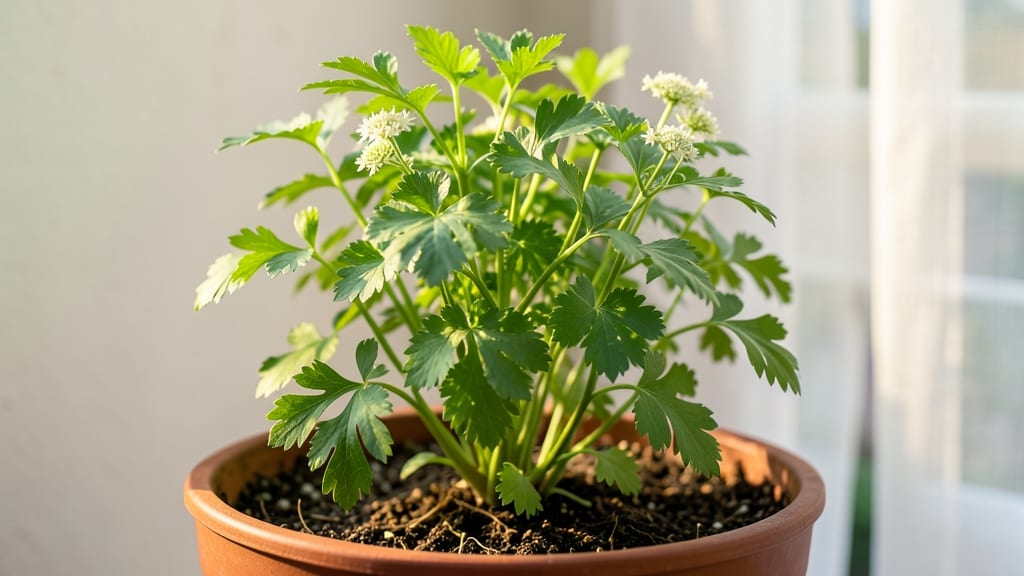
Growing long leaf cilantro means bold, fresh flavor that regular cilantro can’t match—and it won’t bolt as fast. ✨ This variety keeps producing tender leaves for weeks longer, making it the secret weapon for gardeners tired of bitter, flowering cilantro.
The key? Cool soil, consistent moisture, and a few simple tricks to delay bolting.
Unlike regular cilantro, long leaf varieties thrive in cooler climates and handle light frosts better. Plant in well-draining soil with a touch of compost, and space seeds 6-8 inches apart for full leaf development.
Water deeply 2-3 times per week (more in heat), but avoid soggy soil—root rot is the enemy of flavor.
Harvest leaves from the bottom up to encourage bushier growth, and pinch off flowers the moment they appear. This slows bolting by 2-3 weeks, giving you 6-8 weeks of harvest instead of the usual 3-4.
The flavor? Bright, citrusy, and far less soapy than regular cilantro—perfect for salsas, soups, or fresh salads.
If your cilantro bolts too soon, blame heat or drought stress. Try shade cloth in summer or succession planting every 2 weeks for a continuous supply. With these tweaks, you’ll enjoy long leaf cilantro’s signature flavor all season long—no bitter surprises included.
📚 In This Guide
- What you need
- Instructions
- Tips and common mistakes
- Wrapping up and next steps
What you need
- ● Long Leaf Cilantro Seeds: 1 packet (about 50-100 seeds). Look for heirloom or organic varieties like Coriandrum sativum var. microcarpum for the classic long, frilly leaves.
- ● Containers or Garden Bed: Option 1: 4-6 inch deep pots (3-5 pots for a small harvest). Ensure pots have drainage holes!
- ● Option 2: A well-draining garden bed in full sun (6+ hours of sunlight daily). Avoid soggy soil—cilantro hates it!
- ● Potting Mix: 2-3 bags of high-quality, well-draining soil (e.g., a mix of 50% potting soil + 50% perlite or coarse sand). Avoid heavy garden soil.
- ● Watering Can or Spray Bottle: With a fine mist setting for gentle watering.
- ○ Fertilizer (Optional but Helpful): Balanced liquid fertilizer (e.g., 10-10-10) or compost tea. Dilute to half-strength to avoid overfeeding.
- ● Slow-release organic fertilizer granules (e.g., fish emulsion or worm castings).
- ● Hand Trowel: For planting seeds and transplanting seedlings.
- ● Pruning Shears or Sharp Scissors: To harvest leaves cleanly and encourage regrowth.
- ○ Gloves (Optional): If you prefer not to handle soil directly.
- ○ Shade Cloth (Optional): Lightweight fabric (30-50% shade) to protect seedlings from intense afternoon sun in hot climates.
- ● Label Markers: To keep track of planting dates (cilantro bolts quickly!).
- ● Patience: Long leaf cilantro grows slowly—don’t rush it! Germination can take 7-14 days.
- ● Consistent Care: Commit to daily watering (keep soil moist but not waterlogged) and weekly checks for pests.
- ● Cool Weather: Ideal for spring or fall planting. If growing in summer, use shade cloth to prevent bolting.
How to grow long-leaf cilantro for maximum flavor and longevity
Here's the foolproof method I use to keep cilantro thriving and producing bold leaves for months.
🌱 Step 1: Start Seeds Indoors for Early Growth
Fill 2-inch deep seed-starting trays with sterile potting mix and sow cilantro seeds ¼ inch deep. I press each seed gently into the soil—too deep and they'll take forever to emerge. Keep the mix moist but never soggy; cilantro hates sitting in water.
Cover the tray with a humidity dome or plastic wrap to retain warmth and moisture. Place it in a warm spot (70-75°F) until germination, which typically takes 7-14 days. The first true leaves will appear after the initial cotyledons—this is your cue to remove the cover immediately and prevent damping-off.
☀️ Step 2: Provide Consistent Light to Prevent Bolting
Move seedlings to a bright, indirect light spot as soon as they sprout. A south-facing window works, but cilantro bolts quickly when stressed by heat or light deprivation. I use a grow light positioned 4-6 inches above the plants for 14-16 hours daily to keep them compact and flavorful.
Watch for leggy growth—thin, pale stems reaching toward the light. This means your plants need more intensity. Adjust the light height or supplement with a stronger bulb. Strong cilantro has thick stems, deep green leaves, and slow, steady growth without stretching.
💧 Step 3: Water and Fertilize for Optimal Growth
Water cilantro every 2-3 days when the top inch of soil feels dry. Overwatering causes root rot, while underwatering leads to bitter leaves. I use room-temperature water to avoid shocking the roots. Always water at the base to keep foliage dry—wet leaves invite fungal diseases.
Feed seedlings with a balanced liquid fertilizer (10-10-10) diluted to half-strength every 2 weeks. This encourages lush growth without overloading the plants. Stop fertilizing if you notice yellowing leaves—this usually means too much salt buildup from concentrated fertilizer.
🌿 Step 4: Transplant Outdoors After Frost Risk Passes
Wait until nighttime temperatures stay above 50°F before transplanting. Cilantro thrives in cool weather and bolts when stressed by heat. Choose a spot with partial shade—morning sun and afternoon shade keep leaves tender and flavorful.
Space plants 6-8 inches apart in well-draining soil. I dig a hole slightly larger than the root ball, place the seedling in, and firm soil around it. Water deeply to settle roots and reduce transplant shock. Mulch with 1 inch of organic matter to retain moisture and suppress weeds.
✂️ Step 5: Harvest Strategically to Extend the Season
Harvest outer leaves when they reach 2-3 inches long, leaving the inner growth intact. This encourages bushier regrowth and prevents bolting. I pinch off flowers as soon as they appear—cilantro sends up seed stalks quickly, and once it bolts, the leaves turn bitter.
For a continuous harvest, sow new seeds every 2-3 weeks throughout the growing season. This staggered planting ensures fresh cilantro for months. Store harvested leaves in a damp paper towel in the fridge for up to 5 days to keep them crisp.
Tips & tricks for growing long-leaf cilantro
These little-known strategies will help you grow cilantro that stays fresh and flavorful for months instead of bolting in weeks.
Germination Hack: After sowing seeds ¼ inch deep in Step 1, place the tray in a sealed plastic bag overnight. The extra humidity mimics the moist conditions cilantro loves, often speeding up germination to just 7 days instead of the usual 14 days. Just remove the bag once the first true leaves appear to prevent damping-off. This trick works especially well in cooler homes where germination can stall.
Light Strategy: In Step 2, if you notice leggy seedlings reaching toward your grow light, it's not too late to save them. Move the light closer to just 3 inches above the plants for 24 hours—this intense light shock triggers thicker stems. After 24 hours, return to 4-6 inches for normal growth. The shock mimics sudden sunlight and forces the plants to bulk up instead of stretch.
Watering Wisdom: The 2-3 day watering schedule in Step 3 works best when you check moisture at the same time each day. I test soil moisture by pressing my finger 1 inch deep—if it feels dry, water thoroughly until it runs out the drainage holes. The key is consistency: cilantro hates both soggy roots and dry soil, both of which trigger bolting. A moisture meter helps if you're forgetful!
Transplant Timing: For Step 4, I recommend hardening off seedlings for 5-7 days before transplanting outdoors. Place them in a sheltered spot for a few hours each day, gradually increasing exposure. This gradual transition prevents shock when nighttime temps finally stay above 50°F. I've found that hardened-off plants establish roots faster and bolt 3-4 weeks later than unacclimated seedlings.
Pro Tips for Long Leaf Cilantro
- These little-known strategies will help you grow cilantro that stays fresh and flavorful for months instead of bolting in weeks.
- Germination Hack: After sowing seeds ¼ inch deep in Step 1, place the tray in a sealed plastic bag overnight.
- Light Strategy: In Step 2, if you notice leggy seedlings reaching toward your grow light, it's not too late to save them.
Frequently asked questions
How long does it take for long leaf cilantro to mature?
Long leaf cilantro typically reaches maturity in 60–75 days from seed, depending on climate. Unlike regular cilantro, it thrives in heat (up to 90°F) and won’t bolt as quickly. For fastest growth, plant in full sun and keep soil consistently moist but well-draining. Pro tip: Harvest leaves every 2–3 weeks to encourage bushier, longer stems!
Why does my long leaf cilantro taste bitter?
Bitterness usually stems from stress—like drought, extreme heat, or poor soil. Long leaf cilantro prefers loamy, nutrient-rich soil with regular watering (1–1.5 inches per week). If it’s already bolted, try harvesting the stems before flowers open—they’re still flavorful! For extra zing, snip leaves in the morning when essential oils peak.
Can I substitute long leaf cilantro for regular cilantro in recipes?
Long leaf cilantro has a milder, sweeter flavor with a citrusy kick—perfect for salsas, soups, and marinades. Swap 1:1 by volume, but chop it coarser since the leaves are broader. Bonus: The long stems add a striking garnish to tacos or grilled meats!
How do I harvest long leaf cilantro without killing the plant?
Use sharp scissors to snip stems just above a leaf node (where new growth emerges). Avoid pulling leaves—this damages the plant. For a continuous harvest, cut outer stems first, leaving the center intact. Never take more than ⅓ of the plant at once, or it’ll struggle to regrow. Fun fact: Regular harvesting actually encourages longer, fuller leaves!
What’s the best way to store long leaf cilantro to keep it fresh?
Store stems in a glass of water (like flowers!) in the fridge for up to 2 weeks. For dry storage, pat leaves thoroughly, wrap in a damp paper towel, and seal in a plastic bag. Use within 5–7 days. Freezing works too—blanch stems for 2 minutes, chop, and freeze in ice cube trays for easy future use!
Are pests a common problem with long leaf cilantro?
Long leaf cilantro is pest-resistant but can attract aphids or spider mites if stressed. Prevent issues by:
Good news: Its strong scent often repels common garden pests naturally!
Wrapping up and next steps
Long leaf cilantro isn’t just a trendy herb—it’s a flavor powerhouse that transforms dishes with its bright, citrusy kick and slow-bolt resilience. Whether you’re growing it for the first time or elevating your cooking, this versatile plant delivers big rewards with minimal fuss. 🌱✨
Ready to dive in? Start by planting a few seeds (or snagging a starter plant) and experiment with recipes—from salsas to marinades. The next step? Harvest, share, and savor the bold flavors you’ve cultivated!