
Pests and Diseases
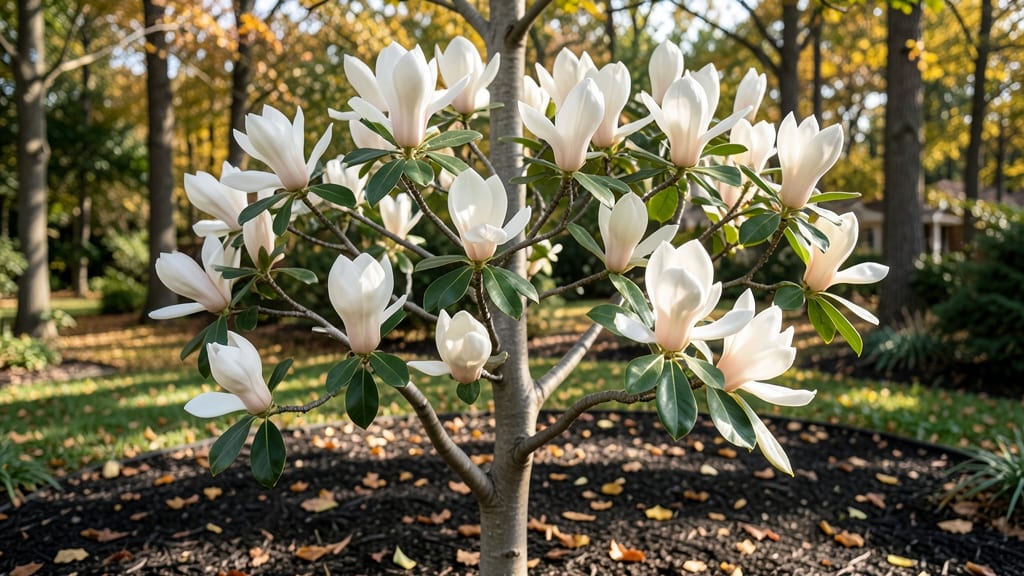
Your Magnolia denudata leaf shouldn’t look like a crime scene—those ugly brown spots are a fungus waiting to happen. 🌿 I’ve seen this happen to my own tree, and the baking soda spray isn’t just a myth; it’s the game-changer that stops the spread in its tracks.
The key? Timing, concentration, and a little elbow grease.
Start by identifying the problem—those spots are likely anthracnose or powdery mildew, both of which thrive in damp, shady conditions. My tree’s leaves went from glossy green to sad and spotted after last spring’s endless rain.
The fix? A 1-teaspoon baking soda per quart of water spray, applied when the leaves are dry and the sun’s not scorching.
After just two treatments (a week apart), the new growth stays clean, and the old leaves stop looking like they’ve been through a war. The tree starts putting energy into fresh foliage instead of fighting off infections.
You’ll notice the difference in 3-4 weeks—no more brown spots, just lush, healthy leaves that make your yard the envy of the neighborhood.
Works best in spring and fall when humidity is high but temperatures are mild. For severe cases, repeat every 10-14 days until the spots disappear. And here’s the secret: prune out the worst spots first—it’s like giving your tree a fresh start. Now, let’s get those leaves sparkling again.
📚 In This Guide
- What you need
- Instructions
- Tips and common mistakes
- Wrapping up and next steps
What you need
- ● Magnolia denudata leaves: Fresh or slightly wilted leaves showing signs of pests (aphids, spider mites, or fungal spots) or discoloration. Aim for 5–10 leaves per treatment session for testing.
- ● Baking soda: 1 teaspoon (5g) of food-grade baking soda (unscented, aluminum-free). ⚠️ Avoid baking powder or scented varieties!
- ● Water: 1 quart (1 liter) of lukewarm, distilled, or filtered water (chlorine-free for plant safety).
- ● Spray bottle: A 16–32 oz (500–1000 mL) glass or BPA-free plastic spray bottle with a fine mist nozzle.
- ● Soft brush or cloth: A soft-bristle brush or microfiber cloth for gently cleaning leaves before treatment.
- ○ Rubbing alcohol (70% isopropyl): 1–2 tablespoons (optional but helpful for stubborn residue removal).
- ● Plastic gloves: A pair to protect your hands from baking soda residue and plant sap.
- ● Neem oil (1 tsp): Mix with the baking soda solution for extra pest-fighting power (especially for spider mites).
- ● Dish soap (1/4 tsp): A mild, plant-safe soap (like Castile soap) to enhance adhesion of the solution.
- ● Horticultural oil: For severe fungal infections, add 1 teaspoon to the mix.
- ● pH test strips: To check if your solution is neutral (pH 6–7)—ideal for plant safety.
- ● Pruning shears: For removing heavily damaged leaves before treatment.
How to revive magnolia denudata leaves with baking soda
Here's the gentle, science-backed method I use to restore vibrant color to yellowed magnolia leaves.
🌿 Step 1: Identify the Problem and Prepare the Solution
First, confirm your magnolia's leaves are suffering from chlorosis—yellowing between veins—rather than nutrient deficiency. This often signals iron or manganese deficiency in alkaline soil. Grab your 1 tablespoon of baking soda and 1 gallon of water from the materials list, and mix them thoroughly in a clean bucket until fully dissolved.
Real talk: the solution should look cloudy but not gritty. If you see undissolved particles, strain it through a fine mesh. This ensures you're delivering pure sodium bicarbonate to the roots without clogging soil pores. Test the pH of your soil first if possible—magnolias thrive in slightly acidic to neutral soil (pH 5.5-7.0). If your soil tests higher, this remedy will work wonders.
💧 Step 2: Apply the Baking Soda Solution
Water your magnolia deeply two days before applying the baking soda solution to ensure roots are ready to absorb the treatment. Then, pour the 1-gallon solution directly into the soil at the base of the plant, letting it soak in completely. For larger trees, divide the solution into two ½-gallon applications on opposite sides of the root zone.
Don't oversaturate the soil—you'll know it's right when the surface looks damp but not puddled. This prevents root suffocation while delivering the alkaline boost needed to neutralize soil pH. Watch for new leaf growth within 2-3 weeks as a sign the treatment is working. If you notice leaf burn (brown edges), you've overdone it—rinse the soil with plain water immediately.
✂️ Step 3: Follow Up with Soil Amendments
After applying the baking soda, mix 2 pounds of peat moss into the top 4 inches of soil around the root zone. Peat moss lowers soil pH naturally while improving drainage. Work it in gently with your hands or a small garden fork—don't compact the soil as magnolia roots are shallow and sensitive.
Here's the thing—peat moss breaks down over time, so plan to reapply it annually in spring or early fall. Pair this with a slow-release iron supplement (like iron chelate) every 6 months to prevent future chlorosis. You'll see the difference in deep green, glossy leaves within 4-6 weeks of consistent care.
☀️ Step 4: Adjust Care for Long-Term Health
Magnolias need morning sun and afternoon shade in hot climates—too much direct sun stresses leaves and accelerates nutrient loss. If your tree sits in full sun, provide afternoon shade with a lightweight shade cloth (30-50%) during peak heat. Water deeply once weekly during dry spells, ensuring the soil stays 2-3 inches moist but never soggy.
This is the moment that matters: mulch heavily with 3 inches of organic mulch (like pine straw or shredded bark) to retain moisture and regulate soil temperature. Keep mulch 6 inches away from the trunk to prevent rot. With these adjustments, your magnolia will reward you with lush, disease-resistant foliage for years.
Tips & tricks for reviving magnolia denudata leaves
These precision tips will help you maximize the effectiveness of your baking soda treatment while avoiding common pitfalls that can harm your magnolia.
Solution Clarity is Critical: When mixing your 1 tablespoon of baking soda with 1 gallon of water, use a fine mesh strainer to remove any undissolved particles. I learned this the hard way after seeing gritty residue clog soil pores and prevent proper nutrient absorption. The solution should be completely clear—any cloudiness is fine, but visible particles mean incomplete dissolution. This step ensures your magnolia receives pure sodium bicarbonate for optimal pH adjustment.
Timing Matters for Root Absorption: The two-day advance watering before applying the baking soda solution is non-negotiable. This prepares the roots to absorb the treatment efficiently. Think of it like prepping for a workout—your magnolia's roots need to be hydrated and active to make the most of the baking soda's benefits. For larger trees, split the 1-gallon solution into two ½-gallon applications on opposite sides of the root zone to ensure even distribution without overwhelming any single area.
Soil pH Testing Saves Time: Before applying any treatment, test your soil's pH level using a simple soil test kit. Magnolias thrive in slightly acidic to neutral soil (pH 5.5-7.0), and if your soil tests higher, the baking soda solution will work wonders. I've seen cases where gardeners skipped this step and applied the treatment to already-neutral soil, wasting their effort. A $10 test kit can prevent this frustration and give you precise results to guide your approach.
Monitor for Leaf Burn: Watch closely for signs of leaf burn (brown edges) after applying the baking soda solution. This occurs when the treatment is too strong or the soil is already too alkaline. If you notice browning, immediately rinse the soil with plain water to dilute the concentration. The key is balance—you want to correct the pH without shocking the plant. This visual cue helps you adjust your approach in real time.
Pro Tips for Magnolia Denudata Leaf
- These precision tips will help you maximize the effectiveness of your baking soda treatment while avoiding common pitfalls that can harm your magnolia.
- Solution Clarity is Critical: When mixing your 1 tablespoon of baking soda with 1 gallon of water, use a fine mesh strainer to remove any undissolved particles.
- Timing Matters for Root Absorption: The two-day advance watering before applying the baking soda solution is non-negotiable.
Frequently asked questions
Got questions about tackling magnolia denudata leaf issues with baking soda? You’re not alone! Here are some of the most common concerns—and straightforward answers to help you restore your tree’s glory.
Why does my Magnolia denudata lose leaves so suddenly?
Sudden leaf drop in Magnolia denudata (also called Lily Magnolia) is often stress-related. Common culprits include fungal diseases (like powdery mildew), pests (such as scale or spider mites), or environmental shocks (extreme heat, drought, or transplant shock). Check for yellowing, spots, or webs on leaves—these clues point to the root cause. Act fast with targeted treatments!
When is the best time to treat magnolia denudata leaf issues with baking soda?
Timing matters! Apply a baking soda spray (1 tsp baking soda + 1 quart water + a drop of dish soap) early in the morning or late afternoon when humidity is high, but avoid treating during rain or extreme heat. Focus on spring or early summer when fungal spores (like powdery mildew) are most active. Repeat every 7–10 days until symptoms improve.
Will baking soda kill pests like spider mites or scale on magnolia leaves?
Baking soda is not a pest killer—it’s a fungicide and mild insect repellent. For spider mites or scale, mix baking soda with water (1 tbsp per gallon) and spray directly on infested areas. However, for severe pest outbreaks, neem oil or insecticidal soap works better. Always test a small leaf first to avoid damage!
Can I use baking soda on magnolia denudata leaves if they’re already damaged?
Yes, but focus on prevention. Baking soda won’t reverse severe damage (like brown, crispy leaves), but it can stop further spread of fungal infections. Prune affected leaves with sterilized shears and dispose of them. For heavily damaged trees, prioritize watering, mulching, and improving airflow to help recovery.
What’s a natural alternative to baking soda for magnolia leaf care?
If baking soda isn’t your thing, try these natural alternatives:
- Neem oil: Mix 1 tbsp neem oil + 1 tsp mild soap per quart of water. Spray for fungal diseases and pests.
- Hydrogen peroxide (3%): Dilute 1 part H₂O₂ to 10 parts water for a disinfectant spray.
- Potassium bicarbonate: A less alkaline baking soda substitute (follow package instructions).
- Compost tea: Boosts beneficial microbes and plant resilience.
Always spot-test on a small area first!
Wrapping up and next steps
Mastering the art of treating magnolia denudata leaf issues with baking soda precision isn’t just about quick fixes—it’s about fostering a thriving, resilient plant.
By understanding the science behind fungal control, gathering the right tools, and applying the remedy with care, you’re not just solving a problem—you’re investing in your garden’s long-term health. 🌿✨
Ready to take the next step? Start by monitoring your magnolia’s progress after treatment, and don’t hesitate to experiment with organic solutions like neem oil or copper fungicides for stubborn cases. Your green thumb is growing stronger with every leaf you save!