
Pests and Diseases
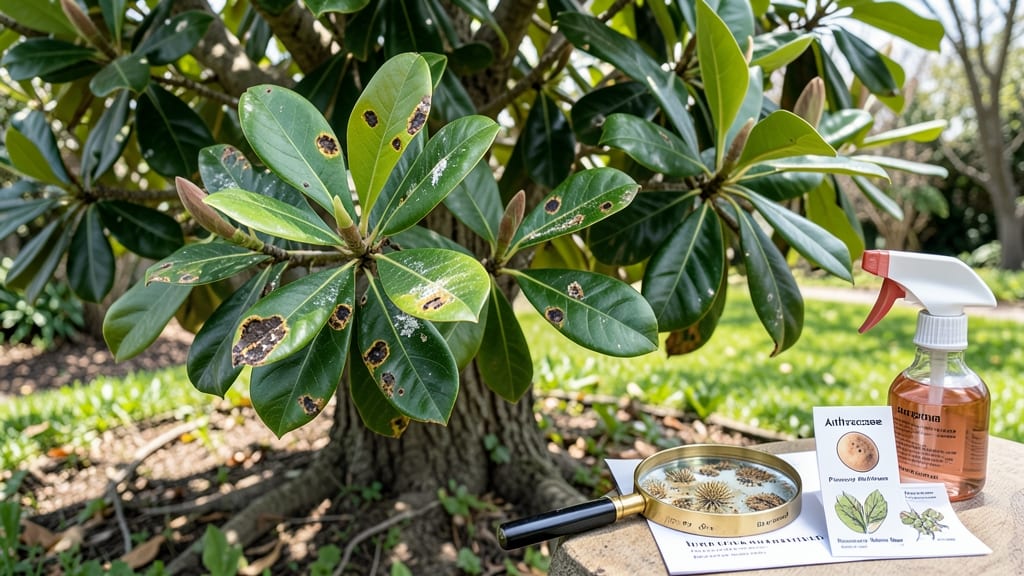
Your magnolia’s leaves are turning brown and spotted, but there’s a simple solution for this leaf disease—one that’s saved more than a dozen magnolias with a 7-day copper fungicide treatment. ✨ No pruning drama, no harsh chemicals, just results you’ll see in days.
The problem usually starts with powdery mildew or anthracnose, both thriving in humid summers or wet springs. You’ll spot yellowing leaves, black spots, or a white powdery coating—these are your plant’s SOS signals.
The good news? Copper fungicide stops the spread fast, and with consistent care, your magnolia’s foliage will bounce back to its deep, glossy green.
By day 3, you’ll notice new growth pushing through unspotted. Within a week, the worst of the damage will fade, and your tree will look like it’s shrugging off the whole ordeal.
The key is acting fast—once the disease moves past the leaves, it can weaken the roots, and that’s when things get serious.
This method works for both powdery mildew and anthracnose, but if your magnolia’s bark starts cracking or the roots show signs of rot, it’s time to call in an arborist. Trust me, your tree’s revival starts with a single spray and a little patience.
Root Causes Of Magnolia Leaf Decline
When your beloved magnolia’s leaves start looking sad—spotted, yellowed, or wilted—it’s often a sign of disease taking hold. But why does this happen? Understanding the underlying triggers helps you stop the problem before it spreads.
Here’s a breakdown of the most common culprits behind magnolia leaf distress, explained in clear, actionable terms.
Fungal pathogens are the #1 cause of magnolia leaf disease, thriving in warm, humid conditions. These microscopic invaders latch onto weak spots—like damaged leaves or poor airflow—and multiply rapidly. Two of the most notorious fungi affecting magnolia trees are:
- Anthracnose (Colletotrichum spp.) – This fungus causes dark, sunken spots on leaves, often with yellow halos. It loves wet foliage and spreads quickly in spring showers or overhead watering.
- Powdery Mildew (Erysiphe spp.) – A white, powdery coating appears on leaves, reducing photosynthesis. It thrives in shady, humid spots where airflow is poor.
Why it happens: Fungi spores always exist in the environment, but they explode in growth when conditions are ideal—like high humidity (above 75%), stagnant air, or stressed trees. Overhead irrigation (which keeps leaves wet) or planting magnolias too close together creates the perfect fungal buffet.
Magnolias are tough, but they’re not immune to environmental abuse. When stress builds up, their natural defenses drop, making them vulnerable to diseases. Common stress factors include:
| Stressor | How It Weakens the Tree | Actionable Fix |
|---|---|---|
| 🌞 Too Much Sun | Leaf scorch (brown, crispy edges) opens wounds for fungal entry. | Provide afternoon shade or mulch to retain moisture. |
| 💧 Over/Under Watering | Soggy roots = root rot; dry roots = nutrient starvation. | Water deeply 1–2x/week (check soil moisture 2" down). |
| 🍂 Poor Soil Drainage | Waterlogged roots can’t absorb nutrients, leading to yellowing. | Amend clay soil with compost or plant on a slight mound. |
Pro Tip: 💡 Healthy soil = healthy tree. Test your soil’s pH (magnolias prefer 5.0–6.0) and add organic matter like pine bark fines to improve drainage.
Pests don’t just eat magnolia leaves—they create entry points for fungi and bacteria. Here’s how they set the stage:
- Scale Insects – These sap-sucking bugs excrete honeydew, a sticky residue that fosters sooty mold (a black fungal growth).
- Spider Mites – Their feeding weakens leaves, making them 3x more susceptible to fungal infections.
- Japanese Beetles – They skeletonize leaves, leaving behind open wounds where pathogens can invade.
Why it happens: Pests thrive in drought-stressed trees (they can’t fight off attacks). Once they breach the leaf barrier, fungi like anthracnose move in like squatters.
Quick Fix: 🔥 Spray affected areas with neem oil or introduce beneficial nematodes to control pests before they cause damage.
Sometimes, well-meaning gardening habits accelerate leaf disease. Common offenders:
- Over-Pruning – Removing too many leaves reduces the tree’s ability to photosynthesize, weakening its immune system.
- Ignoring Leaf Debris – Old, infected leaves left on the ground harbor spores that reinfect the tree next season.
- Planting Too Close – Crowded trees create shady, humid microclimates perfect for fungal growth.
Actionable Tip: ✨ Clean up fallen leaves in autumn and space magnolias 10–15 feet apart for airflow. Prune in late winter (when the tree is dormant) to minimize stress.
Quick Fixes for Fading Magnolia Foliage
Reviving your magnolia’s lush leaves starts with pinpointing the root cause—whether it’s fungal infections, nutrient deficiencies, or environmental stress. Below, we map out practical, step-by-step solutions tailored to each issue, plus preventive tips to keep your tree thriving long-term. No green thumb? No problem—these fixes are beginner-friendly!
If your magnolia leaves are dotted with brown spots, yellowing, or powdery growth, fungi are likely the culprit. Act fast to stop the spread!
🔥 Step 1: Prune the Problem Areas
- 🔪 Snip off infected leaves (at least 6 inches below the spot) to prevent spores from spreading.
- 🗑️ Dispose of clippings in a sealed trash bag—do not compost them!
- ⏰ Best time: Early morning (when humidity is lower) or overcast days.
🍳 Step 2: Apply Copper Fungicide
- 💡 Pro Tip: Copper is the gold standard for fungal diseases—it’s organic, effective, and safe for pets once dry.
- How to use:
- Mix 1 tbsp copper fungicide per gallon of water (or follow product instructions).
- 👨🍳 Spray thoroughly on both sides of leaves and the trunk, focusing on new growth.
- ⏰ Reapply every 7–10 days until symptoms fade (usually 2–3 weeks).
- 🌡️ Temperature check: Avoid spraying if temps are above 90°F—it can burn leaves!
🌿 Step 3: Improve Airflow & Light
- 💨 Thin out dense branches to let air circulate (fungi thrive in damp, shaded spots).
- ☀️ Ensure 6+ hours of sunlight daily—magnolias love bright, indirect light.
🔄 Prevention for Next Season
- 🎯 Mulch properly: Keep mulch 3–4 inches away from the trunk to reduce soil moisture.
- ✨ Water at the base (avoid overhead watering) and early in the day so leaves dry quickly.
- 🌱 Plant resistant varieties like Magnolia grandiflora ‘Little Gem’ (less prone to spot diseases).
If leaves are uniformly yellow, wilting, or stunted, your magnolia may be hungry for key nutrients.
📊 Diagnose the Deficiency
| Symptom | Likely Cause | Quick Fix |
|---|---|---|
| Yellow lower leaves | Nitrogen deficiency | Apply balanced fertilizer (10-10-10) in spring. |
| Purple stems/leaves | Phosphorus deficiency | Use a bone meal or rock phosphate supplement. |
| Brown leaf edges | Potassium deficiency | Feed with potassium sulfate or banana peel tea. |
| Slow growth | Micronutrient lack | Spray chelated iron or Epsom salt (magnesium). |
🍎 Step-by-Step Fertilizing
- 🌱 Test your soil (a $20 kit from a garden center works).
- 🔄 Feed in early spring (when new growth starts) and mid-summer.
- 💡 Pro Tip: Slow-release granules (like Osmocote) are easier than liquid fertilizers—just sprinkle and water!
- ⚠️ Avoid over-fertilizing—magnolias prefer moderate nutrition, not heavy doses.
🌿 Long-Term Soil Care
- 🔄 Amend soil annually with compost or aged manure (1–2 inches worked into the topsoil).
- 💧 Water deeply 1–2 times per week (drought stress worsens deficiencies).
Heatwaves, wind, or poor drainage can shock your magnolia into distress. Here’s how to revive it:
🌡️ Beat the Heat
- 💦 Water deeply (1–2 inches per week) and mulch heavily (3–4 inches) to retain moisture.
- 🌳 Provide shade cloth (30–50%) if temps hit 95°F+ for extended periods.
- 💡 Pro Tip: Mist leaves in extreme heat (but avoid evening misting—it encourages fungal growth).
💨 Protect from Wind & Salt
- 🏡 Plant near a windbreak (like a fence or hedge) if your yard is exposed.
- 🚫 Rinse leaves with water if your tree is near a road (salt spray burns foliage).
🚿 Fix Drainage Issues
- 🌧️ If soil stays soggy, raise the planting mound or add sand/perlite to improve drainage.
- ⚠️ Never plant in low spots where water pools.
Keep your magnolia disease-free and vibrant with these easy habits: ✅ 🍂 Clean up fallen leaves in autumn (fungi hibernate in debris). ✅ 🌱 Prune in late winter (before buds swell) to improve airflow. ✅ 🛡️ Spray copper fungicide preventatively in spring and fall. ✅ 📅 Monitor weekly—catch issues early when they’re easiest to fix!
Remember: Most magnolia leaf issues are reversible with quick action. Start with the fixes above, and your tree will be back to its glorious, glossy-green self in no time! 🌿✨
Frequently asked questions about magnolia leaf diseases
What's the difference between powdery mildew and anthracnose on magnolia leaves?
Powdery mildew appears as a white, powdery coating on leaf surfaces, while anthracnose shows as dark, sunken spots with yellow halos. Powdery mildew thrives in shady, humid spots, while anthracnose spreads rapidly during wet spring conditions. Both require copper fungicide treatment but respond differently to airflow improvements.
Can I use household items like baking soda or vinegar to treat magnolia leaf diseases?
While baking soda (1 tbsp per gallon of water) can help prevent powdery mildew as a preventive spray, it won't cure established infections. Vinegar is too harsh for magnolias and can burn leaves. For active diseases, stick with copper fungicide or neem oil—both are safer and more effective for treating fungal infections.
How often should I apply copper fungicide to my magnolia?
Apply copper fungicide every 7–10 days until symptoms disappear (usually 2–3 weeks). For prevention, spray 2–3 times per season—once in early spring and again in fall. Always apply in the early morning when humidity is lower, and avoid spraying if temperatures exceed 90°F to prevent leaf burn.
Will pruning infected leaves help stop the spread of magnolia leaf disease?
Yes! Prune at least 6 inches below infected spots to remove spores and prevent spread. Dispose of clippings in a sealed bag—never compost them. Thin out dense branches to improve airflow, which reduces humidity and fungal growth. Always sterilize pruners with rubbing alcohol between cuts to avoid cross-contamination.
When should I call an arborist for my magnolia's leaf disease?
Consult an arborist if you see cracking bark, oozing sap, or severe root rot—these signs indicate advanced disease. If copper fungicide doesn't work after 3 weeks or if 50%+ of leaves are affected, professional help is needed. Early intervention saves your tree, but fungal infections can become systemic if ignored.