
Diseases
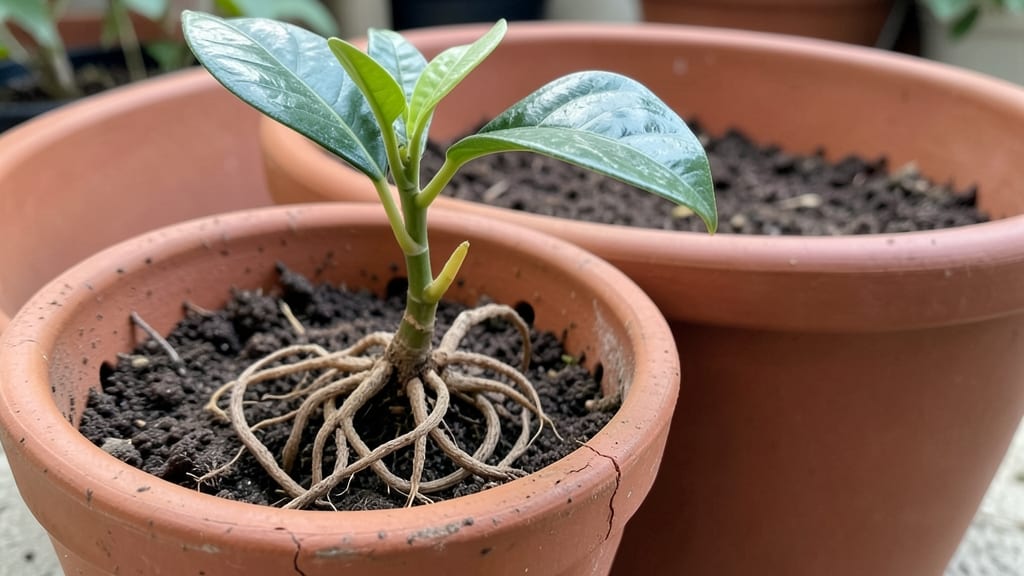
Seeing curled leaves on your young mango seedlings can be alarming, but the right fixes can restore health and boost growth. These 10 targeted solutions address common causes—from pests to environmental stress—so you can revive your plants before they’re permanently damaged.
Adjusting Watering Schedule for Mango Seedlings
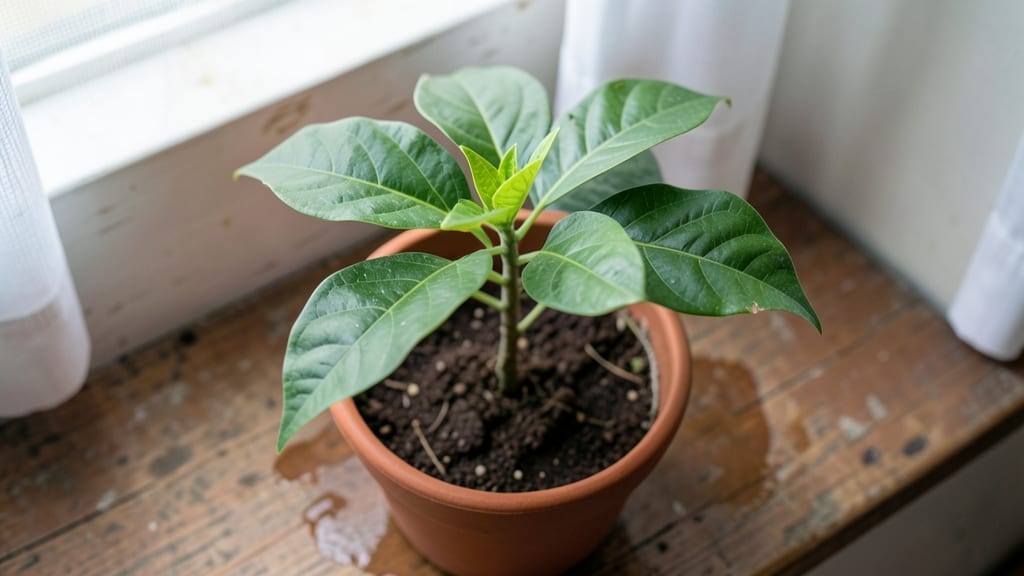
If your mango seedlings are sporting curled leaves, inconsistent watering is often the silent culprit. Unlike mature trees, seedlings can’t handle soggy soil or bone-dry conditions—both trigger stress that manifests as curling. The key? Mimicking their natural tropical rainfall patterns with precision.
Water your seedlings when the top 1-2 inches of soil feel dry to the touch, typically every 2-3 days in warm weather or every 4-5 days in cooler conditions. Use a moisture meter for accuracy, and always ensure pots have drainage holes to prevent root suffocation. Tropical seedlings thrive on consistency—never let them sit in saucers of standing water, but avoid letting the soil dry out completely between waterings.
This method is especially valuable for urban gardeners or beginners growing mangoes in containers, where moisture control is critical. Mastering this balance will transform curled leaves into lush, vibrant growth within weeks. 🌱
Neem Oil Spray for Pest Control
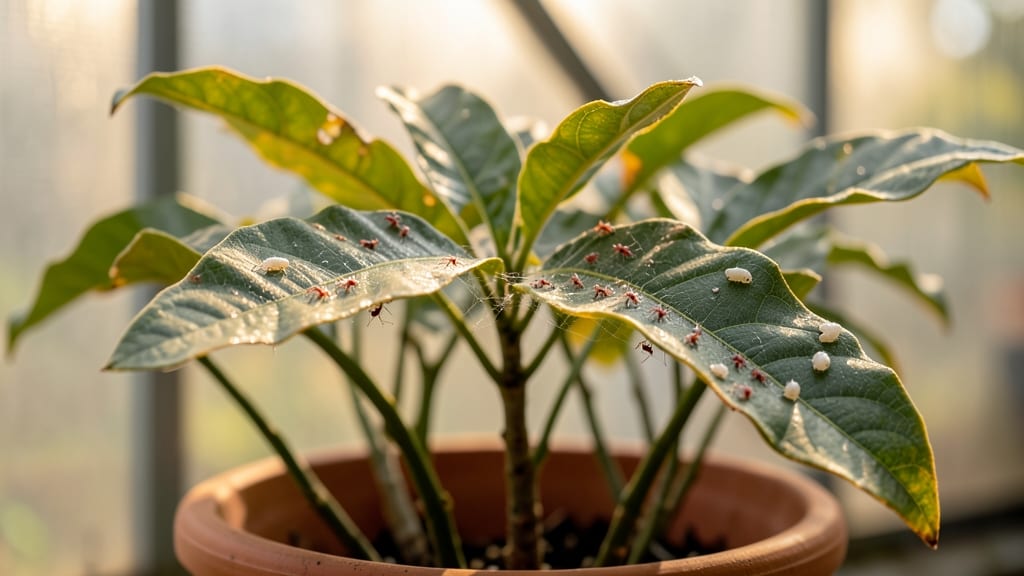
When your mango seedlings develop curled leaves, tiny pests like spider mites and aphids are often the silent culprits. These sap-sucking insects thrive on young, tender foliage, draining nutrients and triggering that telltale curling—all while leaving behind a sticky residue that further stresses your plants.
Neem oil spray acts as a two-in-one solution: it smothers existing pests on contact while disrupting their life cycles to prevent future infestations. Mix 1 teaspoon of pure neem oil with 1 quart of water and a dash of mild soap (like castile) as an emulsifier. Spray the undersides of leaves—where pests hide—every 5-7 days until the curling stops and new growth appears. The oil also triggers your seedlings’ natural defenses, making them less appealing to future pests.
This method is perfect for organic gardeners or those with sensitive seedlings, as it’s non-toxic to humans and pets when used correctly. Start with this spray if you spot webbing or clusters of tiny bugs—your mango’s future health depends on acting fast. 🌿
Pruning Damaged Leaves for Airflow
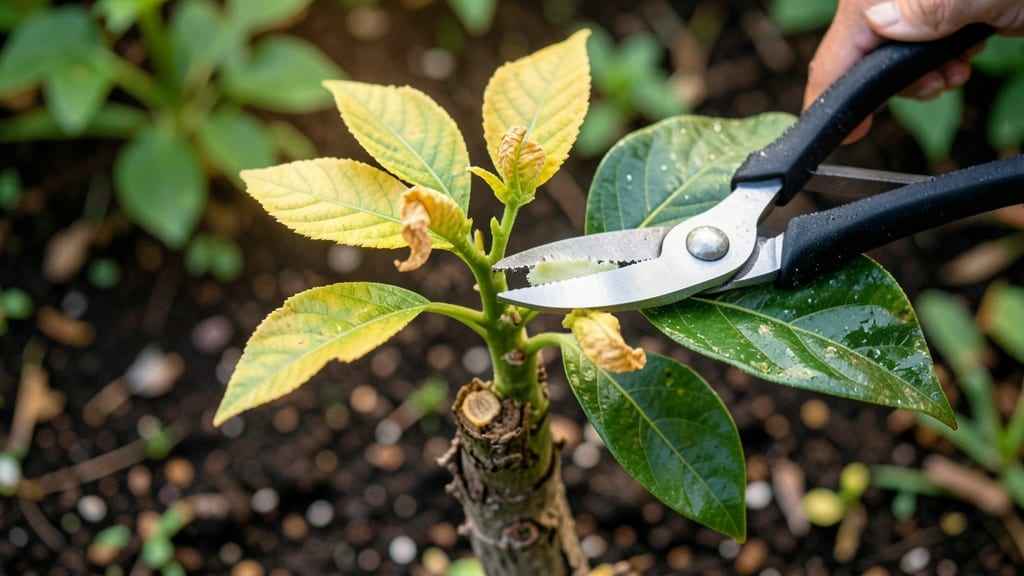
Curled leaves on your mango seedlings might feel like a lost cause, but pruning them strategically can actually revive your plant faster than you think. The key is removing only the damaged leaves—not healthy ones—while creating space for fresh growth to thrive.
Use sterilized pruning shears to snip curled leaves at the base, focusing on the outer edges of the plant where airflow is poor. This redirects the seedling’s energy toward new, vibrant leaves while reducing humidity pockets that breed fungal infections like powdery mildew. For tropical climates, prune during early morning to avoid stressing the plant in afternoon heat.
This method is ideal for gardeners in humid regions or those growing seedlings indoors with limited airflow. By keeping your mango’s foliage open and airy, you’ll prevent long-term damage and encourage stronger, straighter growth. 🌿
Balanced Fertilizer for Nutrient Deficiency
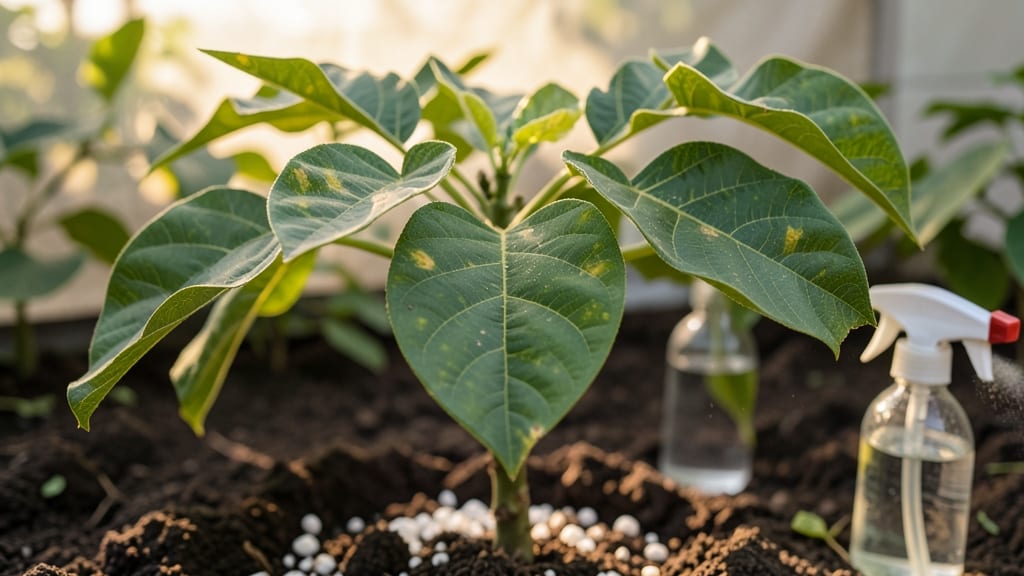
When your mango seedlings develop curled leaves, nutrient deficiencies—especially potassium (K) or magnesium (Mg)—are often the hidden culprits. Unlike pests or water issues, these deficiencies don’t always show up in the soil’s appearance, leaving gardeners guessing what’s wrong.
Use a balanced fertilizer with an NPK ratio of 10-10-10 or 6-12-12 (nitrogen-phosphorus-potassium) to address curling caused by nutrient imbalances. For magnesium deficiency, add Epsom salt (1 tablespoon per gallon of water) every 4-6 weeks, as magnesium is crucial for chlorophyll production. Apply fertilizer every 4-6 weeks during the growing season, keeping it 2-3 inches away from the stem to avoid root burn.
This approach is perfect for container gardeners or those with sandy soils, where nutrients wash out quickly. Start with a soil test to confirm deficiencies before fertilizing—your seedlings will thank you with straight, vibrant leaves. 🌱
Shade Cloth Protection from Direct Sun
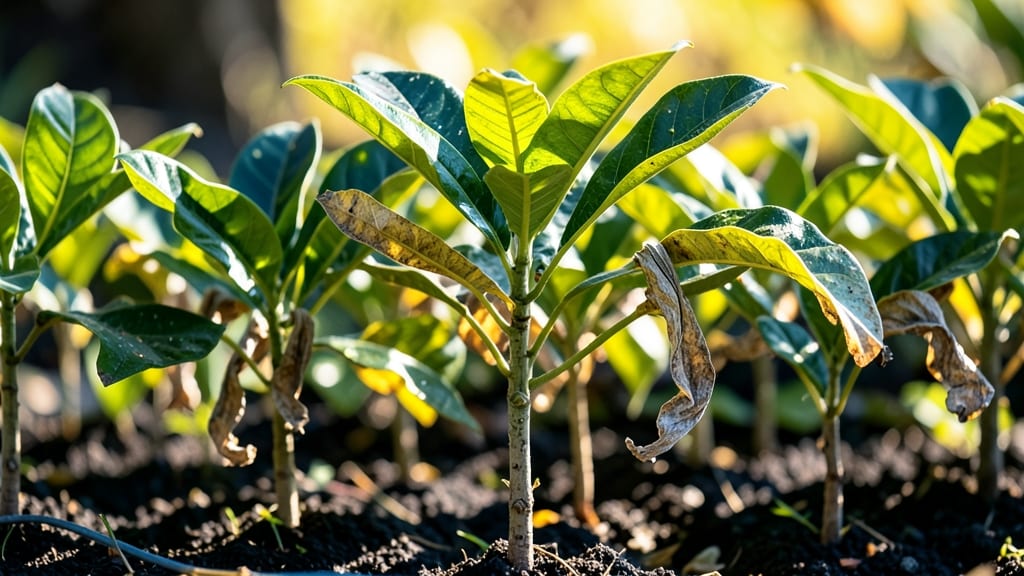
When your mango seedlings suddenly develop curled leaves under harsh midday sun, it’s not just wilting—it’s sunburn stress damaging their delicate cells. Unlike gradual acclimation, sudden exposure mimics the shock of stepping into a sauna after shade, causing irreversible damage if unchecked.
Install 30-50% shade cloth (white or silver) to filter sunlight while allowing photosynthesis to continue. Secure it 2-3 feet above seedlings to create dappled light, just like a forest canopy. For tropical varieties, use shade during 10 AM–4 PM when UV intensity peaks, then remove it for morning/evening growth. This mimics their natural understory habitat while preventing leaf scorch.
This method is ideal for urban gardeners with limited shade options or those growing seedlings in greenhouses where heat builds quickly. It’s a simple, low-cost fix that protects young plants while they develop resilience. 🌟
Soil pH Adjustment for Tropical Growth
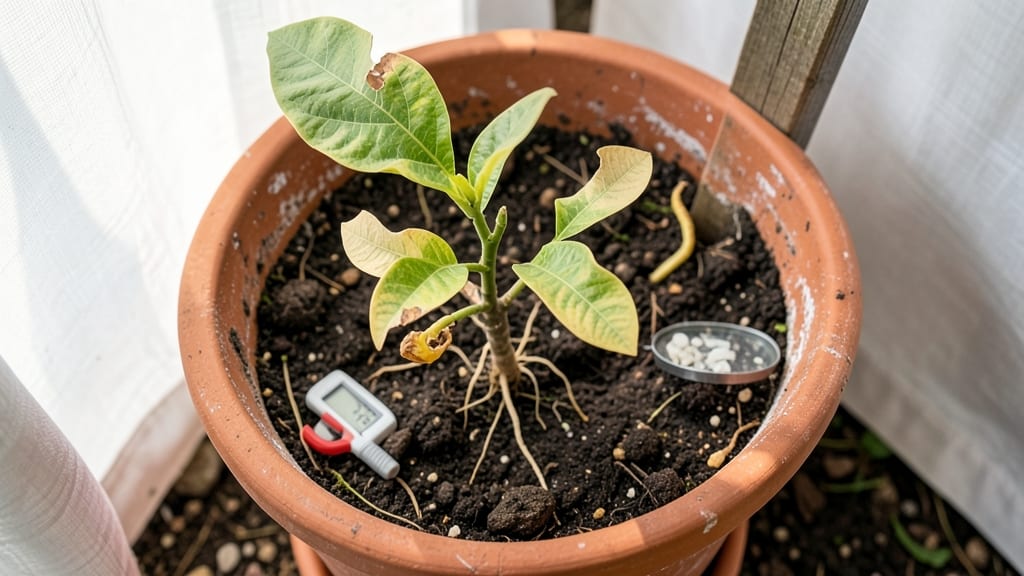
If your mango seedlings are showing curled leaves despite perfect watering and pest control, the culprit might be hiding in plain sight—your soil’s pH balance. Mangoes crave slightly acidic soil (pH 5.5–6.5), and alkaline conditions lock out essential nutrients like iron and manganese, triggering that telltale curling.
Test your soil with a simple pH meter or strips (available at garden centers). If the reading is above 7.0, amend the soil with elemental sulfur (for quick acidification) or peat moss (for gradual adjustment). For container-grown seedlings, mix amendments directly into the potting soil before replanting. Avoid overdoing it—aim for a slow, steady drop to prevent shocking the roots.
This fix is especially critical for gardeners in dry climates or urban areas, where soil naturally trends alkaline. Once the pH is corrected, your seedlings will regain access to nutrients, leading to straighter, healthier growth within weeks. 💚
Companion Planting to Deter Pests
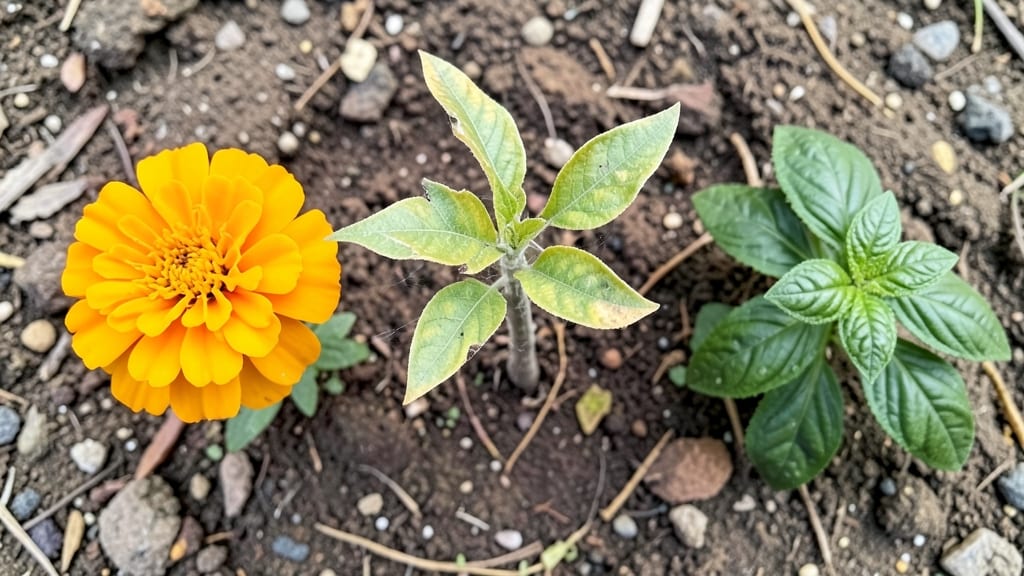
When tiny pests like spider mites or aphids attack your mango seedlings, their curling leaves become a clear SOS signal. Instead of reaching for harsh chemicals, try a natural defense system that also boosts your soil’s health—companion planting with marigolds and basil.
These powerhouse plants release compounds that repel insects while attracting beneficial predators like ladybugs. Plant marigolds around your seedlings—their strong scent confuses pests—and tuck basil nearby, which deters flies and mosquitoes. The bonus? Their deep roots aerate the soil, improving nutrient uptake for your mango seedlings.
This method is perfect for organic gardeners or those with young plants that can’t handle strong pesticides. Try it alongside your other fixes for a double dose of protection! 💚
Humidity Tray for Dry Air Conditions
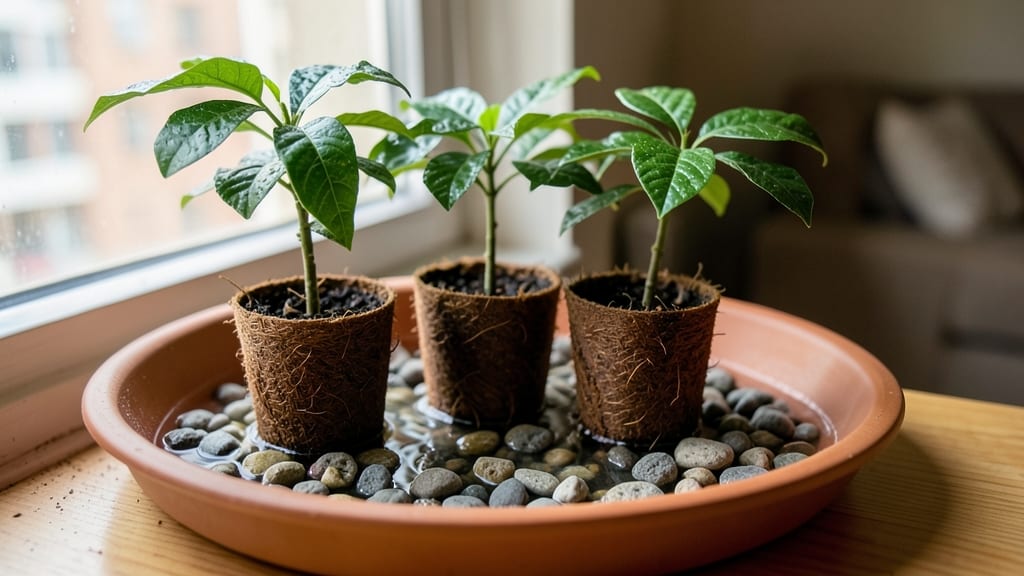
If your mango seedlings are battling dry indoor air, a simple humidity tray can be the game-changer they need. Low humidity causes leaves to curl and crisp, especially in urban apartments where air feels like a desert. This DIY solution creates a localized tropical environment without fancy equipment.
Fill a shallow tray with pebbles or gravel, then add water until it reaches just below the top layer. Place your seedling pot on the pebbles, ensuring the bottom doesn’t touch the water. As moisture evaporates, it creates a microclimate of 60-70% humidity around your seedlings—ideal for tropical plants. Refresh the water every 2-3 days to maintain the effect. For extra humidity, mist the leaves lightly in the morning.
This method is perfect for urban gardeners or anyone growing seedlings indoors during winter months. It’s cost-effective, reusable, and works wonders for preventing further leaf damage while your plants recover. 💚
Fungal Disease Treatment with Baking Soda
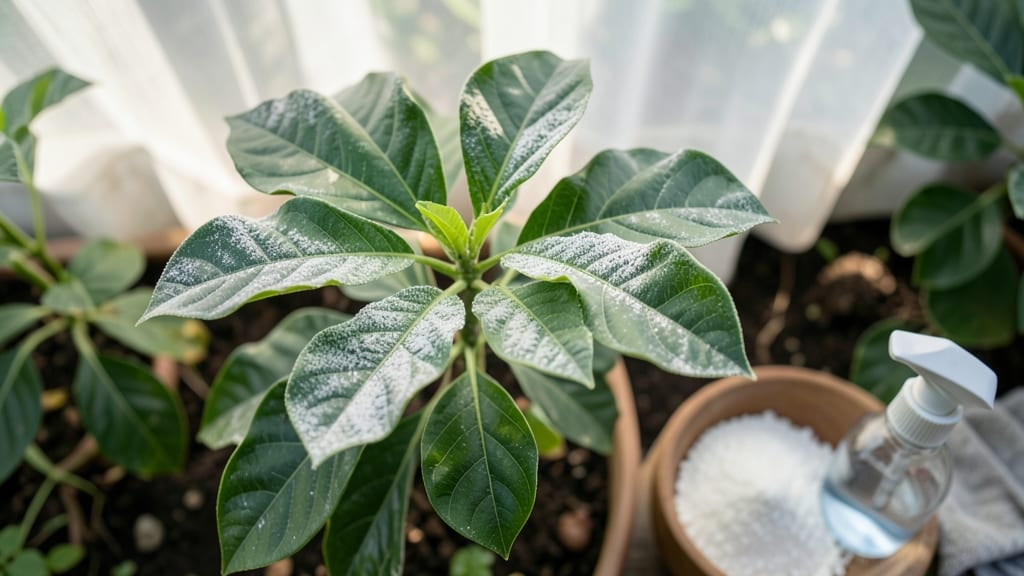
If your mango seedling’s leaves are curling from a white, powdery film, you’re likely dealing with powdery mildew—a fungal foe that thrives in humid conditions. The good news? A simple, organic baking soda spray can stop it in its tracks without harsh chemicals.
Mix 1 teaspoon of baking soda, 1 quart of water, and a few drops of liquid soap (like Castile) in a spray bottle. Shake well before each use and apply to both leaf surfaces when symptoms first appear. Repeat every 7–10 days or after rain to maintain protection. This method is safe for edible plants and won’t disrupt your organic garden’s certification.
This low-cost, preventive treatment is ideal for gardeners who prioritize chemical-free solutions or live in humid climates where fungal diseases spread quickly. 🌱
Transplanting to Larger Containers

When your mango seedlings show signs of root-bound stress—like curled leaves and stunted growth—it’s time to upgrade their containers. Fast-growing varieties like Keitt or Kent can outgrow small pots in just a few weeks, leading to poor drainage and restricted root expansion.
Choose a container 2-3 inches larger in diameter with drainage holes to prevent waterlogging. Gently loosen the root ball before transplanting into fresh, well-draining soil mixed with compost. This step not only stops curling but also encourages stronger root development and faster foliage growth in tropical climates.
This fix is ideal for gardeners with limited space who want to maximize growth without sacrificing health. 🌱