
Trees
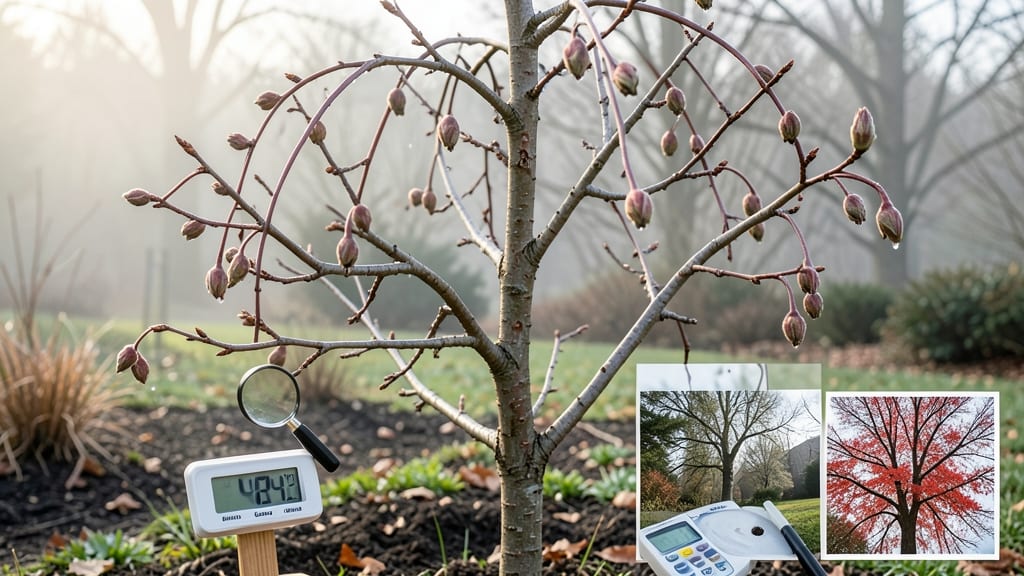
Your maple trees not leafing out this spring isn’t a death sentence—it’s a wake-up call. 🌳 After years of watching maples burst into color, I’ve learned the root zone holds the key to revival.
This isn’t about guessing; it’s about checking soil moisture, bark condition, and hidden signs of stress that most gardeners miss.
The real culprits? Often winter desiccation from dry winds, nutrient starvation after heavy leaf drop, or even verticillium wilt hiding in the roots. I’ve seen trees labeled "dead" come back with just 3 targeted steps: deep watering, a soil test, and strategic pruning. The fix isn’t complicated—it’s systematic.
You’ll start seeing fresh buds within weeks if the roots are still alive. The first flush of green isn’t just about looks—it’s proof the tree’s fighting back.
We’ll cover how to tell if it’s worth saving (spoiler: most are) and what to do if the problem runs deeper than the soil.
Whether your maple’s in a city lot or country acre, these steps adapt to any climate. Let’s get that canopy back to work—your tree’s been patient long enough.
Root Causes Of Stunted Maple Growth
When your maple tree refuses to leaf out, it’s often a silent cry for help—whether from hidden stress or outright damage. Understanding the why behind this behavior is the first step toward revival.
Below, we break down the most common culprits, backed by science and actionable insights to diagnose the issue accurately.
Maple trees (especially species like Acer saccharum or Acer rubrum) require a period of dormancy triggered by cold temperatures to break bud dormancy in spring. If winters are too mild, the tree may fail to complete this critical phase.
How it happens:
- Global warming trends have reduced the number of days below 32°F (0°C), disrupting the tree’s internal clock.
- Urban heat islands (concrete and asphalt retaining heat) can delay chill accumulation, even in colder climates.
- Early warm spells in late winter can trick the tree into thinking spring has arrived, causing premature bud swell—only to be damaged by a late frost.
What to watch for:
- Buds that swell but then blacken or drop off after a cold snap.
- Delayed leafing (weeks behind normal) even after frost danger has passed.
💡 Pro Tip: Track your local chill hours (hours below 45°F/7°C) using a weather station or online tools like the USDA Plant Hardiness Zone Map. If your area is consistently warm, consider selecting cold-hardy maple cultivars (e.g., Acer saccharum ‘Monumental’).
A maple tree’s roots are its lifeline, and when they’re compromised, the tree prioritizes survival over growth. Root stress can stem from physical injury, disease, or environmental factors, all of which disrupt nutrient and water uptake.
How it happens:
- Compacted or waterlogged soil restricts oxygen flow, suffocating roots. Maple trees prefer well-draining, slightly acidic soil (pH 6.0–7.5).
- Construction damage (e.g., trenching, heavy equipment) severs roots, reducing the tree’s ability to absorb water.
- Root rot (from Phytophthora fungi) thrives in soggy conditions, blocking vascular flow and causing wilting or leaf-out failure.
- Girdling roots (roots growing in a circular pattern around the trunk) strangle the tree’s nutrient transport system.
What to watch for:
- Yellowing leaves (if any appear) or premature leaf drop in previous seasons.
- Mushrooms or conk fungi at the base of the tree (signs of root rot).
- Cracked or split bark near the root flare (indicating physical trauma).
🔧 Actionable Fix: Test your soil’s drainage and pH with a simple kit (available at garden centers). If compaction is the issue, aerate the root zone with a hand auger or hire a professional to relieve girdling roots carefully.
Maples are prone to fungal infections and insect attacks that weaken the tree’s ability to push out leaves. Some pathogens directly target buds, while others starve the tree of energy.
Common culprits:
- Verticillium or Fusarium wilt (fungal diseases that clog xylem vessels, causing leaf scorch and wilting).
- Anthracnose (Apiognomonia veneta) – A fungal leaf spot that blackens buds and twigs, preventing leaf emergence.
- Maple borers (larvae that tunnel into the cambium layer, disrupting nutrient flow).
- Aphids or scale insects (sap-sucking pests that weaken the tree and attract sooty mold).
What to watch for:
- Blackened, tarry buds (anthracnose).
- Oozing sap or sawdust-like frass (borer activity).
- Sticky residue on leaves (aphid honeydew).
🛡️ Prevention & Treatment:
- Prune in late winter/early spring (before buds swell) to remove mummified buds (dried, infected buds from last season).
- Apply copper fungicide (for anthracnose) or neem oil (for pests) in early spring as a preventative.
- Invite natural predators (ladybugs for aphids) by planting companion plants like yarrow or dill.
Maples are drought-tolerant once established, but improper watering—whether from overwatering or neglect—can stall leaf production.
How it happens:
- Overwatering leads to root suffocation, preventing the tree from absorbing moisture efficiently.
- Underwatering (especially in container-grown maples) causes bud desiccation (drying out before leaves emerge).
- Sudden water stress (e.g., after a long winter drought) can shock the tree into a survival mode, delaying growth.
What to watch for:
- Wilting leaves (if any appear) or crispy, brown edges on new growth.
- Soil that stays soggy for weeks after rain (sign of poor drainage).
- Leaf scorch (brown, papery edges) in hot, dry weather.
💦 Watering Solutions:
- Deep water 1–2 times per week (1–2 inches per session) during dry spells.
- Mulch heavily (3–4 inches of wood chips) to retain moisture and regulate soil temperature.
- Avoid overhead watering (use drip irrigation or soaker hoses to prevent fungal spores from splashing onto buds).
Maples are hardy but not invincible—sudden temperature swings can freeze or dehydrate buds before they open.
How it happens:
- Late spring frosts (below 28°F/-2°C) can kill emerging buds, leaving the tree bare.
- Heatwaves before bud break cause bud desiccation (buds dry out from rapid evaporation).
- Windburn (from strong winds in dry conditions) dries out tender buds, preventing leaf emergence.
What to watch for:
- Bud scales that remain closed despite warm weather.
- Blackened or shriveled buds after a cold snap.
- Leaf edges that appear scorched (heat stress).
🌿 Protection Strategies:
- Use frost cloth to cover the tree if a late frost is forecasted.
- Water deeply before heatwaves to help the tree resist drought stress.
- Plant windbreaks (like evergreens) if your maple is exposed to prevailing winds.
A maple tree that’s starving for nutrients will prioritize root and trunk growth over leaves. Deficiencies in nitrogen, magnesium, or zinc are the most common triggers.
How it happens:
- Poor soil quality (sandy or clay-heavy soils lack organic matter).
- Over-fertilizing with phosphorus (common in lawn fertilizers) locks out nitrogen.
- Micronutrient imbalances (e.g., low zinc or manganese) cause bud failure.
What to watch for:
- Yellowing between leaf veins (nitrogen deficiency).
- Purple or red tinges on new growth (phosphorus excess or magnesium deficiency).
- Stunted, small leaves (zinc deficiency).
🌱 Fertilization Fix:
- Test your soil (via a local extension office or home kit) to identify specific deficiencies.
- Apply a balanced, slow-release fertilizer (e.g., 10-10-10) in early spring before buds swell.
- Use compost or worm castings to boost organic matter and microbe activity in the root zone.
Revive Your Maple’s Growth Now
When your maple tree refuses to leaf out, the good news is that most issues are fixable with the right approach. Below, we’ve mapped out practical solutions for the most common causes—along with prevention tips to keep your tree thriving long-term. Let’s get your maple back on track!
If your maple’s buds are still tight despite warm weather, late frost or winter cold snap may be the culprit. Maple buds are sensitive to temperature swings, especially in early spring.
How to Help:
- Wait it out (but monitor closely). 🌡️ Buds often burst within 7–14 days of consistent warmth (above 50°F/10°C). Avoid pruning or disturbing the tree until buds swell.
- Protect from late frosts. If a frost warning arrives, drape frost cloth or lightweight row covers over the tree at night. Secure edges with bricks or stakes to prevent wind damage.
- Apply a thin layer of mulch (2–3 inches) around the base to regulate soil temperature and protect roots.
Prevention for Next Year: ✅ Plant in a sheltered spot (e.g., near a south-facing wall or fence). ✅ Choose cold-hardy varieties like Acer rubrum (red maple) or Acer saccharum (sugar maple) if your zone has harsh winters. ✅ Avoid late pruning in fall—wait until dormancy is complete (after leaf drop).
Maples hate wet feet but also dry soil. Both extremes can stall bud break.
Signs Your Maple is Thirsty (or Drowned):
- Dry soil test: Stick your finger 3–4 inches deep—if it’s bone-dry, water deeply.
- Mushy, discolored bark or fungal growth at the base = overwatering.
How to Fix:
- For drought stress:
- Water deeply 1–2 times per week (until soil is moist 12 inches down).
- Use a soaker hose or drip irrigation to avoid wetting leaves (reduces disease risk).
- Mulch heavily (4–6 inches of wood chips or straw) to retain moisture.
- For overwatering:
- Stop watering immediately and let the soil dry out.
- Improve drainage by amending soil with compost or perlite (if possible).
- Check for root rot—if the bark smells sour or oozes sap, consult an arborist.
Prevention Tips: 💡 Water in the morning to reduce evaporation and fungal risks. 💡 Avoid compacted soil—aerate the root zone with a garden fork if needed.
Yellowing leaves, slow growth, or small, weak buds often mean your maple is nutrient-deficient, especially in nitrogen (N), phosphorus (P), or micronutrients.
Quick Fixes:
| Deficiency | Symptoms | Solution |
|---|---|---|
| Nitrogen (N) | Pale yellow leaves, stunted growth | Apply balanced fertilizer (10-10-10) or compost tea in early spring. |
| Phosphorus (P) | Dark green leaves, poor root growth | Use bone meal or rock phosphate in fall. |
| Potassium (K) | Brown leaf edges, weak stems | Feed with kelp meal or wood ash (sparingly). |
| Magnesium/Manganese | Yellow veins on older leaves | Sprinkle Epsom salt (magnesium sulfate) around the base or use a chelated micronutrient spray. |
How to Apply: 👨🍳 For soil: Work fertilizer 6 inches deep into the drip line (not the trunk). 🌿 For foliar sprays: Mix 1 tbsp Epsom salt in 1 gallon of water and spray leaves on a cloudy day to prevent leaf burn.
Prevention: ✨ Test your soil every 2–3 years (use a DIY kit or send to a lab). ✨ Top-dress with compost annually in early spring before buds swell.
If your maple’s roots are smothered in compacted soil or lack oxygen, buds won’t break. This is common in urban landscapes with heavy foot traffic or clay soil.
How to Aerate & Revive:
- Loosen compacted soil:
- Use a manual aerator or garden fork to poke 6-inch holes in a grid pattern around the drip line.
- For heavy clay, mix in sand or coconut coir to improve drainage.
- Add organic matter:
- Spread 4–6 inches of compost or well-rotted manure over the root zone.
- Gently rake it in (don’t pile against the trunk).
- Mulch properly:
- Use chunky mulch (like pine straw or hardwood chips) in a 3-inch layer, keeping it 6 inches away from the trunk.
Prevention: 🔥 Avoid heavy machinery near the tree’s root zone. 🔥 Plant deep-rooted perennials (like daylilies or coneflowers) to naturally loosen soil.
Sometimes, insects or pathogens are silently draining your maple’s energy.
Common Culprits:
- Maple borers (tiny holes in bark, sawdust-like frass).
- Aphids/spider mites (sticky leaves, webbing).
- Fungal infections (tar spots, powdery mildew).
How to Treat:
- For borers:
- Prune and burn infested branches (don’t compost!).
- Apply beneficial nematodes or neem oil in early spring.
- For aphids/mites:
- Spray with soapy water (1 tsp mild soap per quart of water).
- Remove infected leaves and sterilize pruners with rubbing alcohol.
- Apply copper fungicide or baking soda spray (1 tbsp baking soda + 1 tsp oil + 1 gallon water).
Prevention: 💡 Inspect trees in early spring before buds break. 💡 Encourage natural predators (ladybugs, lacewings) with native plants.
If your maple still won’t leaf out after 3 weeks of warm weather, or if you suspect:
- Severe root rot (mushrooms at the base, oozing bark).
- Girdling roots (roots circling the trunk).
- Bacterial or viral infection (unusual wilting, cankers).
Red flags to watch for: ⚠️ No buds at all (could indicate dieback). ⚠️ Cracked or oozing bark (sign of borer infestation). ⚠️ Sudden leaf drop after buds swell (possible vascular disease).
Final Pro Tip: 🌟 Patience is key! Maple trees can take 1–2 seasons to fully recover from stress. Monitor progress, adjust care as needed, and soon you’ll see those vibrant green leaves returning!
Frequently asked questions about maple trees not leafing out
How can I tell if my maple tree is still alive if it’s not leafing out?
Check for signs of life by scraping a small section of bark with a knife. If green cambium layer appears beneath, the tree is alive. Also look for buds on branches—even if they’re small—and check for sap flow when you make a fresh cut. A healthy tree will ooze sap.
Could my maple tree’s lack of leaves be from last year’s stress?
Maple trees often show delayed symptoms from drought, disease, or winter damage that occurred the previous year. For example, if your tree suffered from verticillium wilt or severe frost damage last winter, it may take until next spring to fully recover. Monitor for new growth in 2-3 weeks of warm weather.
Is it safe to prune my maple tree if it’s not leafing out?
Only prune if you see dead branches (no buds, cracked bark) or branches with fungal growth. Avoid heavy pruning until you confirm the tree is alive—healthy branches may still be dormant. If you must prune, use sterilized tools and make cuts just outside bud unions to encourage new growth.
How long should I wait before giving up on my maple tree?
Give it at least 4-6 weeks of consistent warmth (above 50°F/10°C) before assuming it’s dead. Some maples take longer to leaf out, especially after severe winter stress. If buds still don’t appear by late spring, check for root rot or borer damage—these often require professional intervention.
Can I force my maple tree to leaf out faster?
No, you can’t force buds to open prematurely—maples follow their own internal clock based on chill hours. However, you can improve conditions by ensuring proper watering, mulching, and nutrient balance. Avoid fertilizing too early, as this can stress the tree further. Patience is key—healthy maples typically leaf out within 2-3 weeks of stable warm weather.