
Leaf Blower
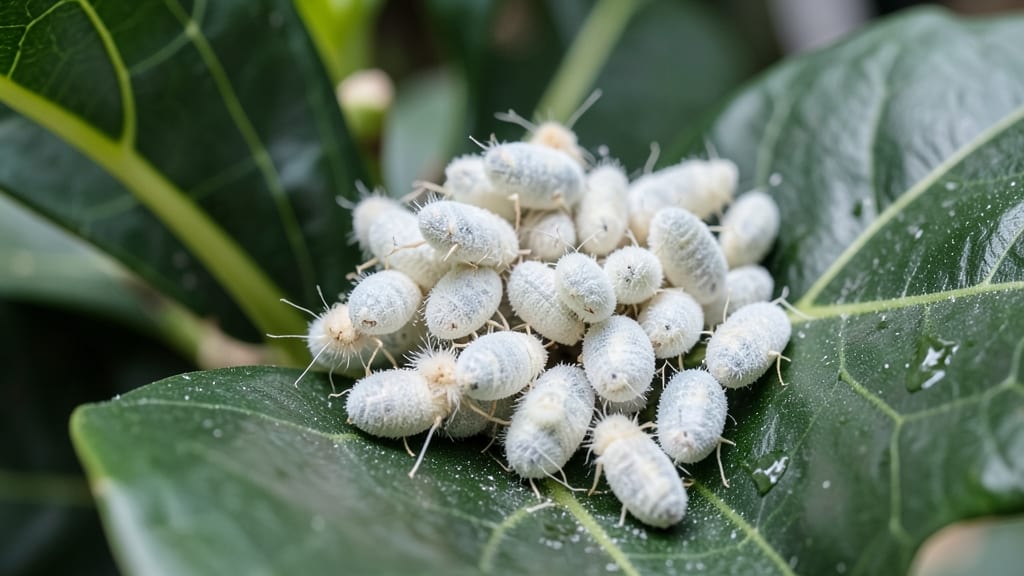
Mealybugs on fiddle leaf figs turn your lush leaves into sticky, white messes faster than you can say "plant emergency." 🌿 I’ve battled these pests myself—those cottony clusters suck sap, weaken stems, and leave behind a sticky residue that attracts ants. The good news?
Neem oil isn’t just a remedy; it’s a spotless revival for your plant’s health when used right. The first mistake most people make is waiting too long. By the time you notice webbing or yellowing leaves, mealybugs have already built colonies.
That’s why early intervention with neem oil (or soapy water for mild cases) is critical—it disrupts their life cycle before they spread. You’ll see results within 3-5 days of treatment if you’re consistent.
What you’ll end up with is a fiddle leaf fig that looks cleaner than ever, with glossy leaves and no more sticky trails. The key is repeating treatments every 7-10 days to break their reproductive cycle. Plus, neem oil adds a bonus layer of protection against future pests.
This works for all fiddle leaf figs, whether you’re dealing with a single plant or a collection. Let’s get that plant back to thriving—without the mess.
Root Causes of Mealy Bug Infestations
Mealy bugs may seem like a sudden, unwelcome surprise on your fiddle leaf fig, but they’re usually the result of specific conditions your plant has been silently signaling. Understanding these triggers is the first step to reclaiming your leafy green companion.
Let’s break down the science—and the sneaky habits—behind why these pests choose your fiddle leaf fig as their buffet.
Fiddle leaf figs thrive when they’re healthy, but stress weakens their natural defenses, making them prime targets for mealy bugs. These pests are drawn to plants that are already struggling, as their weakened state makes it easier to tap into the plant’s sap.
Why it happens:
- Nutrient deficiencies: A lack of essential nutrients (like nitrogen, phosphorus, or potassium) stresses the plant, reducing its ability to produce sticky resins that repel pests. Mealy bugs detect these deficiencies through volatile organic compounds (VOCs) emitted by the plant.
- Overwatering or underwatering: Both extremes disrupt the plant’s root system. Overwatering leads to root rot and fungal growth, while underwatering causes drought stress. In either case, the plant’s energy is diverted from pest resistance to survival.
- Poor air circulation: Stagnant air creates a humid microclimate around the leaves, which mealy bugs adore. Poor airflow also slows down the evaporation of water, keeping the plant’s surface damp—a mealy bug’s dream for egg-laying and feeding.
💡 Pro Tip: Rotate your fiddle leaf fig regularly (every few weeks) to ensure even light exposure and improve air circulation. A well-lit, breezy environment is less inviting to pests.
Mealy bugs are opportunistic pests, and your fiddle leaf fig might be creating the perfect conditions for them without you realizing it. These bugs thrive in warm, humid environments with plenty of hiding spots—sounds familiar?
Why it happens:
| Factor | How It Attracts Mealy Bugs |
|---|---|
| High humidity (60%+) | Mealy bugs originate from tropical regions and prefer humid conditions. High humidity slows water evaporation from the plant, keeping it moist and easier to penetrate with their piercing-sucking mouthparts. |
| Warm temperatures (70–85°F) | Mealy bugs are inactive below 50°F and reproduce rapidly in warm conditions. A cozy indoor environment (like a sunny windowsill) accelerates their lifecycle from weeks to days. |
| Dusty or dirty leaves | Dust provides a protective layer for mealy bugs, shielding them from natural predators (like ladybugs) and making them harder to spot. It also traps moisture, creating micro-habitats for infestations. |
| New growth or soft stems | Mealy bugs prefer tender, nutrient-rich plant tissue. New leaves and stems are softer and easier to penetrate, offering an instant energy boost. |
✨ Actionable Fix: Use a damp cloth to wipe down leaves weekly (especially the undersides) to remove dust and deter pests. A small fan on low speed near the plant can also help reduce humidity without stressing the fig.
Mealy bugs don’t just appear out of nowhere—they often hitch a ride on new plants, soil, or even gardening tools. If you’ve recently introduced a new plant to your collection or repotted your fiddle leaf fig, you might have unknowingly brought these stowaways home.
Why it happens:
- New plants or soil: Mealy bugs are commonly found in nursery soil, potting mixes, or on the stems/leaves of newly purchased plants. Even if the plant looks healthy, it could be carrying eggs or nymphs that hatch later.
- Contaminated tools or pots: Reusing pots, soil, or pruning shears without sterilizing them can transfer mealy bugs from one plant to another. These pests are masters of disguise, often hiding in cracks or under soil.
- Outdoor exposure: If your fiddle leaf fig spends time outside (even briefly), mealy bugs can fly in on the wind or hitch a ride from nearby infested plants. They’re also drawn to sap from other plants, which can attract them to your fig.
🔥 Prevention Tip: Quarantine new plants for 2–4 weeks before introducing them to your fiddle leaf fig. Inspect soil, stems, and leaves thoroughly, and treat with neem oil as a precaution.
Remember: Mealy bugs don’t choose your fiddle leaf fig because it’s a "bad" plant—they’re drawn to specific conditions you can control. By addressing these root causes, you’re not just treating the infestation; you’re making your plant less appealing to pests in the first place.
How to Rescue Your Fiddle Leaf Fig
Mealybugs might feel like a hopeless battle, but with the right approach, your fiddle leaf fig can bounce back to its lush, pest-free glory. The key is acting fast, using targeted treatments, and preventing future infestations.
Below, we break down practical, step-by-step solutions tailored to the root cause of your mealybug problem—whether it’s an early-stage outbreak, a severe infestation, or a stubborn recurrence.
If you’ve spotted just a few cottony clusters or sticky residue on the leaves, you’re in the golden window for a quick fix.
🍳 Manual Removal: The First Line of Defense
- Gather your tools: Grab a soft-bristled toothbrush, cotton swabs dipped in rubbing alcohol (70% isopropyl), or damp microfiber cloths.
- Isolate your plant: Move it away from other houseplants to prevent cross-contamination.
- Wipe down every surface: Gently scrub the leaves, stems, and crevices where mealybugs hide. Focus on the undersides of leaves and leaf axils (where leaves meet the stem).
- Dispose of debris: Rinse the cloth/toothbrush in soapy water and toss used cotton swabs in a sealed bag.
✨ Pro Tip: Do this twice a week for 2–3 weeks to ensure you’ve gotten every last bug. Mealybugs are sneaky!
When mealybugs have taken over, manual removal won’t cut it. Neem oil—a natural, plant-safe insecticide—is your best bet. Here’s how to use it effectively:
🥘 Step-by-Step Neem Oil Treatment
- Choose the right neem oil: Look for a cold-pressed, organic neem oil (like Neem Bliss or Bonide Neem Oil). Avoid pre-mixed sprays with synthetic additives.
- Mix the solution: - 1 tsp neem oil + 1 tsp mild liquid soap (like Castile soap) + 1 quart of water. - Soap helps the oil stick to the bugs and breaks down their waxy coating.
- Spray thoroughly: - Bottom of leaves (mealybugs love hiding there!). - Stems, leaf nodes, and soil line (they crawl down to feed). - Under the pot (yes, really—check for eggs or adults).
- Cover the soil: Neem oil can harm beneficial soil microbes, so place a plastic sheet under the pot or water the soil separately with plain water afterward.
- Repeat every 5–7 days: Mealybugs have a short life cycle, so consistency is key.
Keep treating until you see no new bugs for 3–4 weeks.
💡 Pro Tip: For extra stubborn cases, add 1 tsp horticultural oil to the mix. This suffocates the bugs and eggs.
If your plant keeps getting reinfested, it’s time to go nuclear—but safely.
🌡️ Systemic Solution: Soil Drench with Neem or Insecticidal Soap
Mealybugs can hide deep in the soil or on roots. A soil drench ensures they can’t escape: 1. Mix: - 1 tbsp neem oil + 1 tsp insecticidal soap + 1 gallon of water.
- Water the soil thoroughly: Let the solution seep into the roots (don’t let it pool).
- Reapply every 2 weeks for 2 months to break the cycle.
🎯 Long-Term Prevention: Break the Mealybug Life Cycle
- Quarantine new plants for 2–4 weeks before introducing them to your collection.
- Wipe down leaves monthly with a soapy water cloth (even if no bugs are visible).
- Improve air circulation around your fiddle leaf fig—mealybugs thrive in humid, stagnant air.
- Repot if needed: If the soil is heavily infested, sterilize the pot (boil or bake at 200°F for 30 mins) and use fresh, well-draining soil.
If your plant is severely damaged (yellowing leaves, wilting, or black sooty mold), take immediate action: 1. Prune affected leaves: Cut off heavily infested foliage with sterilized scissors (wipe with rubbing alcohol between cuts).
- Wash the plant: Give it a gentle shower with lukewarm water to dislodge bugs.
- Apply a 70% alcohol spray (mix 1:1 with water) to visible clusters—this kills them on contact.
- Follow up with neem oil as described above.
✨ Pro Tip: Sooty mold (black fungus) from mealybug honeydew? Wipe it off with a damp cloth and a drop of dish soap to restore leaf health.
| Action | How Often | Why It Works |
|---|---|---|
| Inspect leaves weekly | Every 7–10 days | Catches infestations before they spread |
| Wipe leaves with soapy water | Monthly | Removes eggs and early-stage bugs |
| Quarantine new plants | 4 weeks | Stops hidden pests from hitchhiking |
| Improve airflow | Ongoing | Mealybugs hate dry, breezy environments |
| Use sticky traps | Near infested plants | Monitors for new activity |
Final Note: Patience is key! Some plants may take 6–8 weeks to fully recover, but with consistent treatment, your fiddle leaf fig will be bug-free and thriving** in no time. 🌿💚
Frequently asked questions
How do I know if my fiddle leaf fig has mealy bugs?
Look for white, cotton-like clusters on stems, leaf undersides, or leaf joints—these are adult mealy bugs. You might also spot sticky residue (honeydew) on leaves or black sooty mold (fungus growing from the honeydew). Early signs include yellowing leaves or stunted growth near infested areas.
Is neem oil safe for fiddle leaf figs?
Yes! Neem oil is plant-safe when used correctly. Always dilute it (1 tsp neem + 1 tsp mild soap + 1 quart water) and avoid spraying directly on soil. Test on a small leaf first—some sensitive plants may react. Never use undiluted neem oil, as it can burn leaves.
How long does it take to eliminate mealy bugs?
With consistent treatment (every 5-7 days), you’ll see improvement in 3-5 days. Complete elimination takes 4-6 weeks because mealy bugs reproduce quickly. Keep treating until you see no new bugs for 3-4 weeks—patience is key!
Can I use rubbing alcohol to kill mealy bugs?
Dip a cotton swab in 70% isopropyl alcohol and dab directly onto mealy bugs. This kills them instantly, but it’s best for small infestations only. For larger outbreaks, combine with neem oil treatments. Just avoid spraying alcohol near leaves—it can cause damage.
Will my fiddle leaf fig recover after mealy bugs?
Yes, but it depends on how severe the damage is. If leaves are heavily yellowed or wilted, they may not recover, but new growth will be healthy if you treat the infestation early. Focus on pruning damaged leaves and keeping the plant well-watered while it recovers.