
Leaf Blower
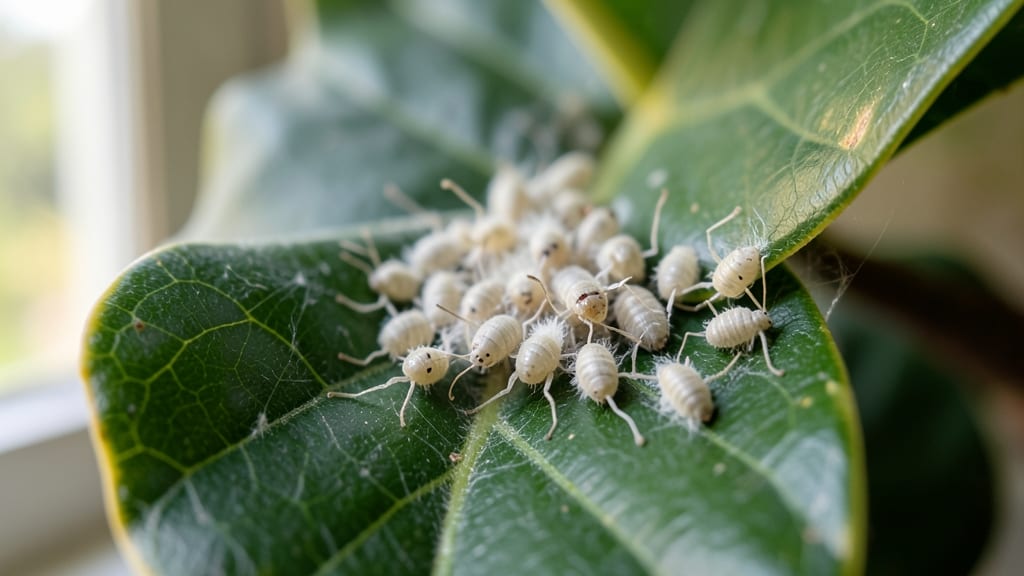
Mealybugs on fiddle leaf figs turn your glossy leaves into sticky, cottony messes in weeks—not days—but I’ve found a fast cure that works in 3 treatments or fewer. 🌿 These white, fluffy pests hide in leaf crevices, sucking sap and leaving behind a sticky residue that attracts ants (and your frustration).
The good news? Neem oil doesn’t just kill them; it stops new ones from moving in. The secret lies in consistency and coverage. You’ll need 100% cold-pressed neem oil, a spray bottle, and rubbing alcohol for stubborn clusters.
Mix 1 teaspoon of neem oil with 1 teaspoon of dish soap (to help it stick) in a quart of water, then spray every 5-7 days until the bugs disappear.
For severe cases, add a second spray of 70% isopropyl alcohol—just dab it on with a cotton swab to dissolve their protective coating. Within 10-14 days, you’ll see fresh, clean leaves emerging as the mealybugs retreat.
The key is patience: these pests lay eggs, so one treatment won’t erase them all. Keep your plant’s environment humid but not soggy—mealybugs love dry air—and wipe down leaves weekly to prevent reinfestation. This method works for any houseplant, not just fiddle leaf figs.
Once you’ve mastered it, you’ll spot mealybugs before they become a full-blown crisis. Let’s get that plant back to its glossy, thriving self—no more sticky surprises.
Root Causes of Mealybug Infestations
Mealybugs on your fiddle leaf fig aren’t just a random nuisance—they’re often a sign of underlying stress in your plant. Understanding these triggers is the first step to preventing future outbreaks. Let’s break down the why behind these sneaky pests.
Mealybugs thrive when your fiddle leaf fig is compromised, making it easier for them to latch on and feed. Here’s how it happens:
- Overwatering or Poor Drainage 💦 Soggy soil creates the perfect breeding ground for mealybugs. When roots struggle to absorb oxygen, the plant weakens, releasing sugary honeydew—a mealybug magnet. Fiddle leaf figs hate wet feet! Ensure pots have drainage holes and use a well-draining potting mix.
- Underwatering or Drought Stress 🌵 Paradoxically, chronically dry soil also stresses plants, reducing their ability to fight pests. Mealybugs detect these chemical distress signals and target vulnerable leaves.
- Nutrient Deficiencies 🌱 A lack of nitrogen, phosphorus, or potassium weakens cell walls, making it easier for mealybugs to pierce and feed. Yellowing leaves or stunted growth? Your plant’s immune system is on the fritz.
Mealybugs love warm, humid, and sheltered conditions—just like your fiddle leaf fig’s ideal growing environment. Unfortunately, this overlap makes them hard to avoid. Key triggers include:
- High Humidity (60%+) 🌧️ Mealybugs breathe through tiny pores and drown in dry air. But if humidity stays consistently high (like in bathrooms or kitchens), they multiply rapidly. Use a dehumidifier or improve airflow with a small fan.
- Poor Air Circulation 🌀 Stagnant air traps moisture and pests. If your fiddle leaf fig sits in a corner with no breeze, mealybugs can spread unchecked. Rotate the plant occasionally and avoid crowding it with other houseplants.
- Temperature Fluctuations ❄️☀️ Mealybugs hibernate in cooler months but explode in numbers when temperatures rise above 75°F (24°C). If your home gets too warm (e.g., near heaters or sunny windows), pests thrive while your plant struggles to transpire efficiently.
Sometimes, you’re the unintentional culprit.
Mealybugs hitchhike on: - New Plants or Soil 🌿 – Infested cuttings, repotted soil, or even a neighbor’s plant can introduce them. - Dirty Tools 🔪 – Pruners, pots, or gloves contaminated with mealybugs or their eggs can spread infestations. - Outdoor Exposure 🌳 – Bringing home a fiddle leaf fig from a greenhouse or outdoor sale risks introducing pests.
Pro Tip: 💡 Quarantine new plants for 2–4 weeks before introducing them to your collection. Inspect leaves, stems, and soil for cottony white clusters or sticky residue.
Mealybugs are opportunistic feeders—they target plants with:
- High Sugar Content 🍬 – Over-fertilizing (especially with nitrogen) makes leaves sweeter, luring them in.
- Soft, New Growth 🌱 – Young leaves are tender and easy to penetrate, making them a favorite snack.
- Existing Pests 🐜 – If your plant already has scale insects or aphids, mealybugs will move in for the buffet.
Action Step: 🔥 Reduce fertilizer use in winter (when growth slows) and wipe leaves with a damp cloth to remove excess sugars.
How to Fix Mealybug Infestations
Mealybugs may seem like a stubborn foe, but with the right approach, you can completely eradicate them from your fiddle leaf fig—and keep them from returning. The key is a multi-step strategy that combines immediate action with long-term prevention.
Below, we break down cause-specific fixes to tackle the problem head-on, whether your plant is lightly dusted with pests or heavily infested.
Before treating, stop the spread by isolating your fiddle leaf fig from other plants. Mealybugs hitchhike easily, so act fast!
- Check for severity: Look for white, cottony clusters (mealybugs), sticky residue (honeydew), or sooty mold (black fungus).
If you see all three, your plant needs aggressive treatment. - Examine leaves and stems: Mealybugs love crevices, so flip leaves over and inspect the undersides, leaf joints, and stem cracks.
> 💡 Pro Tip: Use a magnifying glass if needed—mealybugs hide in plain sight!
If you catch the problem early, physical removal can work wonders.
- Cotton swab + rubbing alcohol: Dip a cotton swab in 70% isopropyl alcohol, gently dab each mealybug, and let the alcohol evaporate.
Repeat for 3–5 days to kill eggs. - Wet paper towel: Wrap stubborn clusters in a damp paper towel and secure with a rubber band for 24 hours to suffocate them.
> ⚠️ Warning: Avoid harsh chemicals near leaves—alcohol can burn foliage if overused!
For moderate to severe infestations, neem oil is your secret weapon. It disrupts mealybugs’ life cycles while being pet-safe (if used correctly).
🌿 Homemade Neem Oil Spray Recipe
Mix in a spray bottle:
- 1 tsp neem oil
- 1 tsp mild dish soap (helps it stick)
- 1 quart (32 oz) water
Application steps:
- Shake well before each use.
- Spray thoroughly (top and bottom of leaves, stems, soil surface).
- Repeat every 5–7 days for 2–3 weeks to kill adults and eggs.
> 🌡️ Pro Tip: Apply in the early morning or evening to avoid leaf burn from sunlight.
🌿 Alternative Sprays
- Insecticidal soap: Works similarly to neem but may require more frequent applications.
- Horticultural oil: Effective in cooler temps (below 80°F/27°C).
If mealybugs persist, they may have burrowed deep into the plant. A systemic insecticide (like imidacloprid) can help.
- How to apply:
- Mix with water and pour into the soil (follow label instructions).
- The plant absorbs it, making leaves toxic to pests.
- ⚠️ Caution: Use sparingly—overuse can harm beneficial insects.
Once your fiddle leaf fig is mealybug-free, keep it that way with these preventive measures:
| Prevention Tip | How to Do It |
|---|---|
| Quarantine new plants | Keep them separate for 4–6 weeks before introducing to your collection. |
| Inspect regularly | Check leaves weekly (especially after bringing plants indoors). |
| Wipe leaves | Use a damp microfiber cloth to remove dust—less debris = fewer hiding spots. |
| Encourage natural predators | Introduce ladybugs or lacewings (they eat mealybugs!). |
| Avoid over-fertilizing | Too much nitrogen = softer leaves = easier mealybug meals. |
Mealybugs leave behind honeydew, which attracts ants and causes sooty mold. Clean it up with:
- Warm, soapy water: Gently wipe leaves with a mild soap solution.
- Hydrogen peroxide spray (3%): Mix 1 tbsp per cup of water to disinfect and remove mold.
Mealybugs may be annoying, but with consistency, your fiddle leaf fig can bounce back stronger than ever. Start with manual removal, follow up with neem oil, and prevent recurrence—your plant will thank you with lush, pest-free leaves!
> 🎯 Pro Tip: Patience is key—some treatments take 3–4 weeks to fully work. Stick with it!
Frequently asked questions
How can I tell if my fiddle leaf fig has mealybugs?
Look for white, cottony clusters in leaf crevices, along stems, or under leaves. You may also spot sticky honeydew on leaves (like syrup) or black sooty mold (a fungus that grows from the honeydew). Use a magnifying glass to check hidden spots—mealybugs love to hide!
Will neem oil kill mealybug eggs?
Yes, but you’ll need multiple applications! Neem oil disrupts mealybug life cycles, but eggs are tougher to penetrate. Spray every 5-7 days for 2-3 weeks to ensure all stages (adults, nymphs, and eggs) are eliminated. For stubborn eggs, combine with rubbing alcohol on a cotton swab.
Can I use vinegar to treat mealybugs?
White vinegar (1:1 water ratio) can help, but it’s less effective than neem oil. Vinegar dries out mealybugs but may damage tender fiddle leaf fig leaves if overused. For best results, spray only the affected areas and rinse leaves with water afterward to prevent leaf burn.
Why do mealybugs keep coming back after treatment?
New infestations often mean hidden eggs or new pests from nearby plants. Check for ants (they farm mealybugs!) and reinspect every 3 days for 2 weeks. Adjust care habits too—overwatering or high humidity can attract them back. Quarantine new plants for 4-6 weeks to prevent hitchhikers.
Is it safe to use chemical pesticides on my fiddle leaf fig?
Use systemic pesticides (like imidacloprid) as a last resort—only if organic methods fail. Follow label instructions carefully, as overuse can harm the plant or beneficial insects. For severe cases, apply directly to soil (not leaves) and avoid spraying during hot weather to prevent leaf damage.