
Pests and Diseases
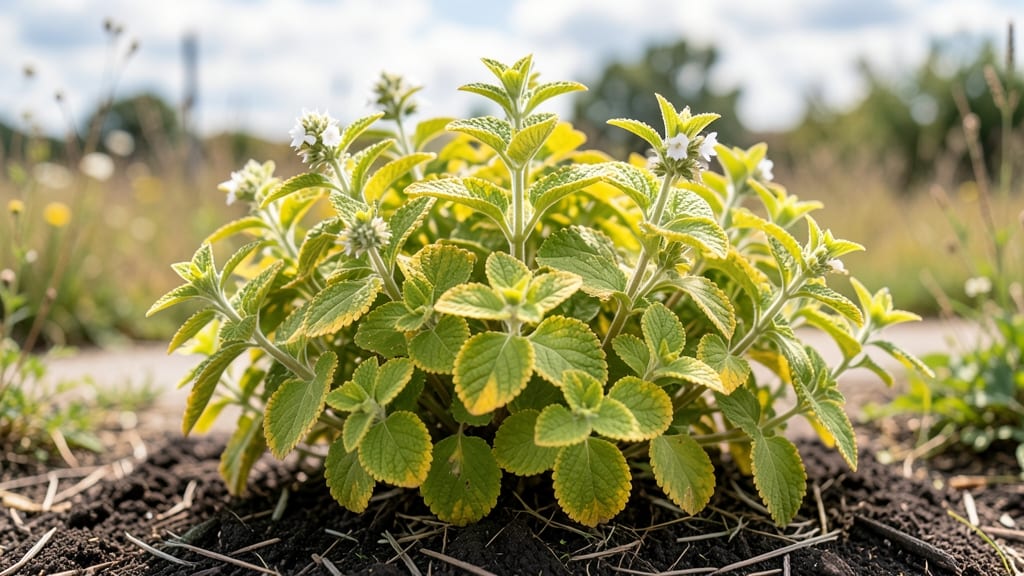
Growing Melissa officinalis 'Gold Leaf' transforms your garden into a fragrant pest-free zone—this golden-leafed lemon balm variety thrives where regular lemon balm fades, offering year-round lemony scent that deters aphids, mosquitoes, and even deer. 🌿 The secret lies in its cold-hardy nature and drought tolerance, making it the ultimate low-maintenance workhorse for borders, containers, or even as a living mulch.
Start with well-draining soil (it hates soggy roots) and partial sun—this variety tolerates more shade than standard lemon balm, but 4-6 hours of sunlight keeps those golden leaves vibrant year-round. Plant in spring or early fall, spacing plants 18-24 inches apart to give them room to spread.
Unlike regular lemon balm, 'Gold Leaf' rarely flops over, staying compact and tidy even in heat waves.
Once established, water deeply once a week (drought-tolerant but not desert-tolerant)—the golden foliage wilts dramatically when thirsty, so check the soil before watering. Prune back by 1/3 in early spring to encourage bushier growth, and harvest leaves anytime for tea, pest-repellent sprays, or culinary uses.
The fragrance alone keeps pests away, but crushed leaves make a powerful organic insecticide that works on roses, tomatoes, and even houseplants.
Unlike aggressive standard lemon balm, 'Gold Leaf' stays neat and contained, making it perfect for small spaces, windowsills, or even indoor growing with enough light. Divide clumps every 3-4 years to keep plants vigorous, and watch as this golden beauty becomes the star of your garden—and your pest-control arsenal.
Here’s how to get started without a single pest in sight.
📚 In This Guide
- What you need
- Instructions
- Tips and common mistakes
- Wrapping up and next steps
What you need
- ● Seeds or nursery plants: 5–10 Melissa officinalis 'Gold Leaf' seeds (or 2–3 young plants for faster results)
- ○ Optional: Certified organic seeds for guaranteed purity
- ● Soil: 5–10 gallons of well-draining, organic potting mix (or garden soil amended with compost)
- ● Pro tip: Mix in 1 part perlite or sand for improved aeration 💡
- ● Containers or garden space: Containers: 12–18" diameter pots (with drainage holes) for 1–2 plants each
- ● Garden beds: Full sun to partial shade (6+ hours of light daily)
- ● Fertilizer: Balanced organic fertilizer (e.g., 5-5-5 or compost tea)
- ○ Optional: Fish emulsion or worm castings for extra nutrients
- ● Watering tools: Watering can or hose with a gentle spray nozzle
- ○ Optional: Drip irrigation system for consistent moisture
- ● Pruning shears (for maintaining shape and encouraging bushiness)
- ● Mulch (straw or shredded leaves to retain moisture and suppress weeds)
- ● Pest control spray (neem oil or insecticidal soap, just in case!)
- ● Gloves (to protect your hands from sap or soil)
- ● Label markers (to track varieties if growing multiple plants)
Step-by-step instructions for cultivating melissa officinalis 'gold leaf'
Here's how to grow this fragrant, golden-leafed variety that thrives as both pest deterrent and sensory delight.
🌱 Step 1: Select and Prepare Planting Site
Choose a location with at least 6 hours of direct sunlight daily—'Gold Leaf' melissa develops its signature golden foliage most intensely in full sun. I always test soil pH first, aiming for 6.0-7.0; this variety tolerates slightly alkaline conditions better than most. Amend heavy clay with 2-3 inches of compost mixed into the top 12 inches of soil to improve drainage.
This plant spreads aggressively, so give it 2-3 feet of space in all directions. If planting in containers, select pots at least 12 inches deep and wide—shallow roots will quickly outgrow small spaces. I've found that terracotta pots work best as they allow excess moisture to evaporate through the walls.
🌿 Step 2: Plant and Establish Initial Growth
Plant bare-root starts or container-grown plants in early spring, 2-3 weeks before your last frost date. Dig holes twice as wide as the root ball but no deeper to prevent crown rot. Gently remove the plant from its container and loosen any circling roots with your fingers. Place it in the hole so the top of the root ball sits 1 inch below soil level—this prevents stem rot while encouraging strong root development.
Backfill with native soil mixed with 1 cup of compost per plant, tamping lightly to eliminate air pockets. Water deeply immediately after planting to settle the soil and eliminate air gaps around roots. You'll know moisture is right when the soil surface looks slightly damp but not glistening.
💧 Step 3: Maintain Water and Nutrient Balance
'Gold Leaf' melissa thrives with 1-1.5 inches of water weekly, but it's surprisingly drought-tolerant once established. I water deeply every 5-7 days during summer, allowing the top 2 inches of soil to dry between waterings. Overwatering causes the golden leaves to revert to green, so resist the urge to keep the soil constantly moist.
Fertilize lightly in spring with ½ cup of 5-10-5 fertilizer per plant, then again in early summer. Too much nitrogen will promote leaf growth at the expense of those prized golden hues. I've found that a 1-inch layer of mulch around the base helps retain moisture while preventing soil-borne diseases from splashing onto the foliage.
✂️ Step 4: Prune for Health and Fragrance
Regular pruning encourages bushier growth and intensifies the lemon-scented foliage. Cut back one-third of the plant's height in early spring before new growth begins, and again after flowering to maintain shape. I always use clean, sharp shears to make cuts just above a leaf node—this prevents tearing and encourages new growth from that point.
Deadhead spent flowers to redirect energy into leaf production rather than seed development. This variety produces delicate white flowers that attract pollinators, but removing them prevents the plant from becoming leggy. Prune again in late summer to shape the plant for winter—this prevents flopping and makes harvesting easier.
⏰ Step 5: Prepare for Winter and Year-Round Care
'Gold Leaf' melissa is hardy to Zone 5 and beyond, but young plants benefit from winter protection. In colder climates, mound 3-4 inches of mulch around the base after the first frost to insulate roots. I've never lost a mature plant to winter, but first-year specimens sometimes need this extra insulation.
This variety maintains its golden foliage year-round in mild climates, but in colder regions, the leaves may revert to green during winter. Don't panic—simply prune back any unsightly growth in early spring, and the golden leaves will return with new growth. The plant's pest-repellent properties work year-round, making it a valuable addition to any organic garden.
Tips & tricks for perfect melissa officinalis 'gold leaf' cultivation
These insights will help you coax the most vibrant golden foliage and maximize this plant's pest-repelling superpowers.
Sunlight Optimization: While the instructions specify at least 6 hours of direct sunlight daily, I've found that positioning your plant where it receives morning sun and afternoon shade (especially in hot climates) actually intensifies the golden hue. The intense midday sun can sometimes cause the leaves to bleach out, so a partially shaded afternoon spot works beautifully.
Soil Science: The 6.0-7.0 pH range mentioned is ideal, but I've discovered that adding a handful of crushed eggshells to the planting hole boosts calcium levels, which helps maintain that golden color. This is particularly useful if your soil tests slightly acidic—melissa tolerates alkaline conditions, but calcium acts as a natural buffer. Test your soil annually to catch any pH shifts early.
Container Growing Secrets: When growing in terracotta pots, I recommend placing a layer of ½-inch gravel at the bottom before adding soil. This improves drainage while preventing the roots from sitting in water, which can cause the golden leaves to revert to green. Also, rotate your containers every few weeks to ensure even sunlight exposure on all sides—this prevents lopsided growth.
Winter Care Pro Tip: For plants in Zone 5 or colder, I've had success using straw mulch instead of the recommended 3-4 inches of mulch. Straw breaks down more slowly and provides better insulation against temperature fluctuations. Plus, it creates a natural barrier that deters slugs and snails—common pests that might otherwise target your melissa during winter.
Pro Tips for Melissa Officinalis Gold Leaf
- These insights will help you coax the most vibrant golden foliage and maximize this plant's pest-repelling superpowers.
- The intense midday sun can sometimes cause the leaves to bleach out, so a partially shaded afternoon spot works beautifully.
- Soil Science: The 6.0-7.0 pH range mentioned is ideal, but I've discovered that adding a handful of crushed eggshells to the planting hole boosts calcium levels, which helps maintain that golden color.
Frequently asked questions
Got questions about growing and using Melissa officinalis (lemon balm) with its stunning gold leaf varieties?
Here are some of the most common inquiries—plus quick answers to help you succeed!
What’s the best time of year to plant gold leaf lemon balm?
Plant your Melissa officinalis gold leaf varieties in early spring (after the last frost) or early fall for optimal root establishment. Avoid summer heatwaves, as young plants can struggle with transplant shock. If using seeds, start indoors 6–8 weeks before the last frost for a head start!
Does gold leaf lemon balm repel pests like regular lemon balm?
The gold leaf variety retains the same natural pest-repelling properties as traditional lemon balm, thanks to its high citral content. It deters aphids, mosquitoes, and even deer—just plant it near your garden’s perimeter or crush leaves for a quick spray. The golden foliage also makes it a stunning ornamental!
How long does it take for gold leaf lemon balm to show its signature color?
New growth may take 4–6 weeks to develop the golden hue, especially in cooler weather. For faster color, plant in full sun (6+ hours/day) and ensure well-draining soil. If the leaves stay green, check for shade stress or over-fertilization—gold leaf varieties are sensitive to excess nitrogen!
Can I harvest gold leaf lemon balm the same way as regular lemon balm?
Yes! Harvest leaves before flowering (spring/summer) for the strongest flavor and pest-repelling oils. Use clean scissors to snip stems just above a leaf node. For gold leaf varieties, avoid heavy pruning—this helps maintain the golden color. Dry leaves in bundles or freeze for later use in teas, pest sprays, or culinary dishes.
Will gold leaf lemon balm survive winter in cold climates?
This hardy perennial thrives in USDA Zones 3–9! In colder regions, mulch heavily with straw or leaves to protect roots. The golden foliage may fade in winter but regrows vibrantly in spring. If growing in containers, move pots to a sheltered spot or insulate with burlap. Pro tip: Divide clumps every 2–3 years to rejuvenate growth!
Wrapping up and next steps
Growing Melissa officinalis (lemon balm) with gold leaf isn’t just about pest control—it’s about creating a fragrant, low-maintenance garden that thrives year-round! 🌿 Whether you’re a beginner or a seasoned gardener, this versatile herb offers beauty, utility, and resilience.
Start small, experiment with companion plants, and soon you’ll have a lush, aromatic border that keeps pests at bay.
Ready to take the next step? Try propagating a cutting from your first harvest or share your progress with fellow gardeners—your green thumb will inspire others! 🌟