
Planting
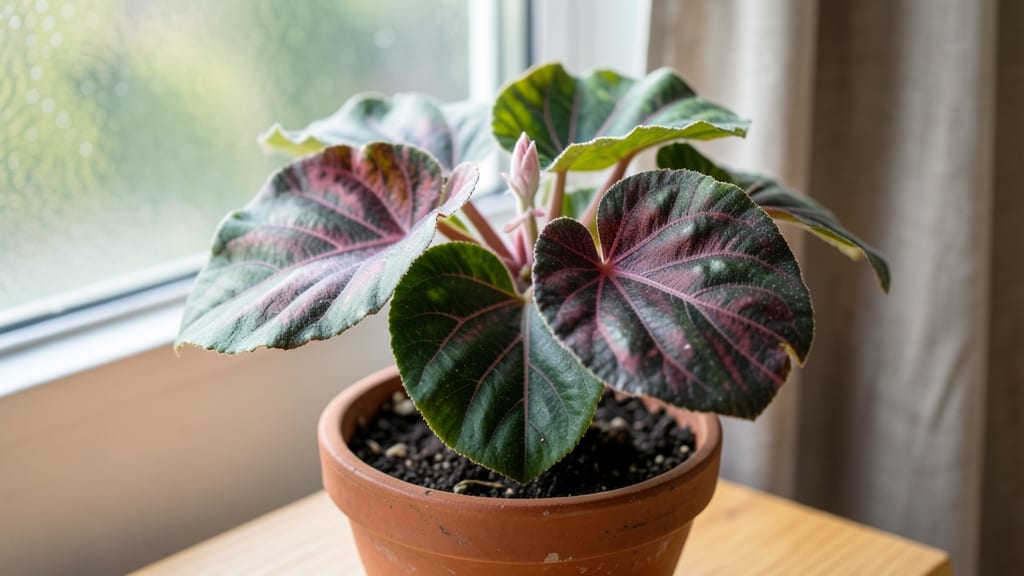
A modified leaf of a plant transforms into specialized structures like spines, tendrils, or storage organs through genetic mutations or environmental pressures, while often retaining its core photosynthetic function.
These adaptations aren't random—they're survival strategies. For example, cacti convert leaves into spines to reduce water loss, while pitcher plants evolve into carnivorous traps to supplement nutrients in poor soil. 🌵 The key is understanding how stress triggers these changes, whether it's drought forcing succulence or herbivores prompting thorn development.
Many gardeners unknowingly encourage modifications by altering growing conditions, like pruning to stimulate tendril growth in vines.
What's fascinating is how some plants maintain photosynthesis even after modification. Take Bougainvillea—its vibrant bracts (modified leaves) don't just look stunning; they're actually modified leaf structures that still perform photosynthesis while serving as showy petal substitutes.
This dual functionality explains why modified leaves appear in so many diverse forms across plant families.
💡 In This Article
- Genetic and Environmental Factors Behind Leaf Modifications
- Practical Examples of Modified Leaves in Gardening
Genetic and environmental factors behind leaf modifications
Leaf modifications begin with genetic blueprints like the Tiny gene in Arabidopsis, which regulates leaf size and shape. When this gene mutates, it can trigger dramatic transformations—like converting broad leaves into needle-like structures or flat surfaces into water-storing pads.
These changes are hardwired into the plant's DNA, allowing them to pass modifications to offspring. For example, the Opuntia cactus family's Glochid spines develop from modified leaf primordia during early growth stages, a process controlled by specific transcription factors that activate under drought conditions.
Environmental stressors act as triggers for these genetic potentials. Drought forces plants like Agave to develop thick, succulent leaves with waxy coatings that reduce water loss by up to 90% compared to normal leaves.
Meanwhile, herbivore pressure drives thorn development in Acacia trees, where modified leaves (phyllodes) grow into sharp, needle-like structures that deter browsing animals. The key mechanism here is hormonal signaling—stress hormones like abscisic acid (ABA) flood the plant, activating genes that suppress normal leaf development while promoting specialized structures.
What's remarkable is how some modified leaves maintain photosynthesis despite their new forms. Take Pitcher plants—their modified leaves form tubular traps lined with digestive enzymes, yet the upper surfaces still contain chlorophyll.
These plants evolved in nutrient-poor soils, so their leaf modifications serve a dual purpose: capturing insects for nitrogen while continuing to photosynthesize. The trade-off is fascinating—some photosynthetic tissue is sacrificed for trap formation, but the plant gains a critical survival advantage in harsh conditions.
Temperature also plays a critical role in leaf modifications. In alpine environments, plants like Dryas octopetala develop tiny, scale-like leaves that minimize heat loss during freezing temperatures. The process involves cold-responsive genes that shrink leaf size while increasing their density, creating a protective microclimate.
This adaptation isn't just about survival—it's a perfect example of how environmental pressures shape plant evolution at the cellular level, where leaf primordia (the embryonic leaf structures) are reprogrammed during development.
Herbivory creates another powerful selective pressure. Plants like Rhododendron develop trichomes (hair-like structures) on their leaves, which aren't true modifications but serve similar protective functions.
These trichomes can increase leaf surface area by 30-50%, making it harder for insects to feed while reflecting more sunlight—a double benefit in shaded forests. The chemical signals that trigger these defenses often come from damaged cells releasing jasmonic acid, which then activates the genetic pathways for modification.
One of the most dramatic examples is the Venus flytrap, where modified leaves form snap traps with sensitive trigger hairs. The transformation begins with the plant's genetic programming to detect mechanical stimuli, which then induces rapid cellular changes in the leaf structure.
This process involves action potentials (electrical signals) that travel through the leaf, causing it to close in under 0.1 seconds—a speed that rivals some animal reflexes. The energy for this rapid movement comes from specialized cells that store high concentrations of potassium ions.
Understanding these mechanisms helps explain why some garden plants develop unexpected traits. For instance, when you prune a Hoya vine too aggressively, the plant may produce more tendrils (modified leaves) to climb and seek sunlight.
This isn't just random growth—it's a direct response to the plant's perception of stress and its genetic instructions to adapt.
The same principle applies to Bougainvillea, where bright bracts (modified leaves) appear more prominently when the plant experiences nutrient stress, serving as both a survival adaptation and a visual spectacle.