
Leaf Blower
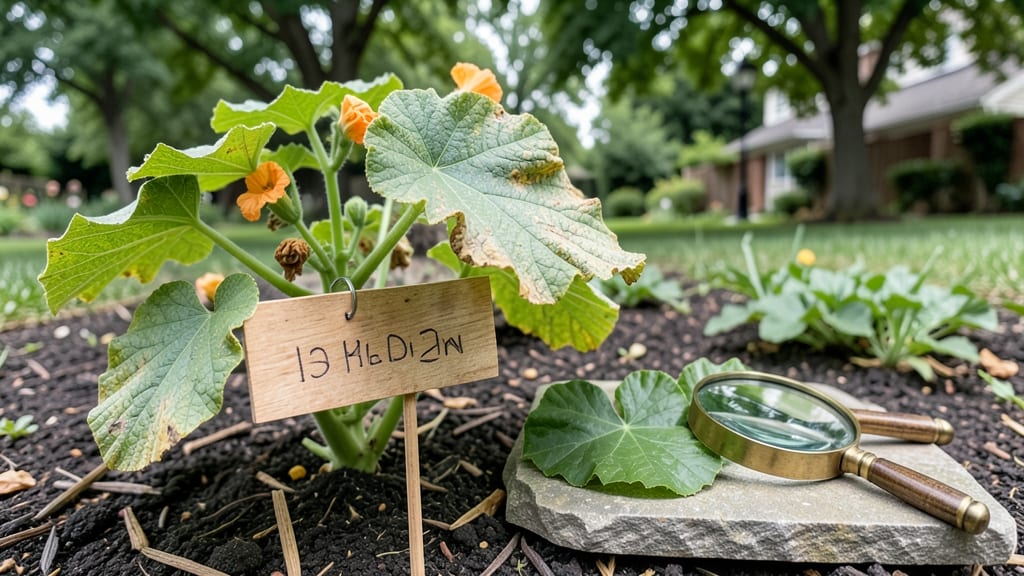
That crispy, curled nasturtium leaf isn’t just ugly—it’s your plant’s SOS signal. 🌿 I’ve watched this problem turn vibrant green foliage into brittle, yellowing messes, but a simple copper spray can bring them back in just 3 days if caught early. The real villain?
Often aphids, fungal spores, or even a viral stowaway like cucumber mosaic hiding in your garden. First, check the undersides of leaves for tiny pests or sticky residue—aphids love nasturtiums.
If you spot them, a soapy water spray (1 tsp mild dish soap per quart of water) knocks them out fast. For fungal curl, copper fungicide (like Bordeaux mix) stops the spread within 24 hours when applied at dusk. Prune affected leaves immediately to prevent it from becoming chronic.
What you’ll end up with is lush, glossy leaves that snap back to their usual crispy texture. The key is acting before the curl spreads to new growth—once the virus sets in, there’s no cure, and you’ll need to remove the whole plant to protect others.
Think of copper spray as your nasturtium’s emergency room visit. Works for both potted and in-ground nasturtiums, and the same fix handles similar issues on squash or cucumbers too. Here’s how to make the spray and when to apply it for maximum impact.
Behind Nasturtium Leaf Curl
Understanding why your nasturtium leaves develop that unsightly curl is the first step toward a full recovery. This issue often stems from a mix of environmental stressors and pest pressures. Let’s break down the most common causes—and what’s really making your plants pucker up like a tightly rolled scroll.
Nasturtium leaf curl is most famously caused by Tobacco Rattle Virus (TRV) or Tobacco Mosaic Virus (TMV), both of which thrive in nasturtiums.
These viruses are transmitted through: - Infected soil (surviving on plant debris or nematodes) - Contaminated tools (pruners, gloves, or hands moving between plants) - Aphids or other sap-sucking pests (acting as vectors)
🔍 What to watch for:
- Leaves curling upward or downward in a cup-like shape
- Stunted growth or mosaic patterns (light/dark green patches)
- Systemic spread (new leaves showing symptoms after old ones)
💡 Pro Tip: If viruses are confirmed, remove infected plants immediately to prevent spread. Nasturtiums are susceptible, but resistant varieties like Tropaeolum majus ‘Alaska’ may offer better defense.
While viruses are the top culprit, sap-sucking insects like aphids, whiteflies, and spider mites can weaken leaves, causing them to curl as a stress response.
These pests: - Extract plant sap, starving leaves of nutrients - Inject toxins (e.g., aphids produce saliva that disrupts growth hormones) - Leave behind honeydew, fostering sooty mold
🔍 What to watch for:
- Sticky residue on leaves (honeydew)
- Tiny webs (spider mites) or clustered insects (aphids)
- Yellowing or browning between leaf veins
✨ Quick Fix: A copper spray (like the one in your fix guide) disrupts pest life cycles while being organic and nasturtium-safe. Spray early in the morning for best results.
Nasturtiums are hardy, but extreme conditions can trigger curling as a survival mechanism. Common triggers include:
- Temperature swings (too hot or cold)
- Drought stress (leaves curl to reduce water loss)
- Overwatering (root rot cuts off oxygen, suffocating leaves)
- Poor drainage (waterlogged soil = nutrient starvation)
🔍 What to watch for:
- Uniform curling (not patchy, like with pests)
- Wilting or drooping (especially in heat)
- Yellowing stems (sign of root issues)
🎯 Actionable Fix:
- Adjust watering (nasturtiums prefer consistently moist but not soggy soil).
- Mulch to regulate soil temperature and retain moisture.
- Relocate plants if temperatures exceed 85°F (29°C)—they prefer 50–75°F (10–24°C).
A lack of magnesium, nitrogen, or calcium can cause leaves to curl or distort. Nasturtiums are light feeders, but poor soil leads to:
- Magnesium deficiency (interveinal chlorosis + curling)
- Nitrogen deficiency (pale, weak new growth)
- Calcium deficiency (young leaves curl and die)
🔍 What to watch for:
- Yellowing between veins (magnesium)
- Purplish stems (phosphorus deficiency, though rare)
- Edge browning (calcium or potassium issues)
💪 Boost Recovery:
- Epsom salt spray (1 tbsp per gallon of water) for magnesium.
- Balanced organic fertilizer (5-5-5) at half strength in early spring.
- Lime (for acidic soil) if calcium is the issue.
While less common than viruses, fungal pathogens like Alternaria or Pseudomonas can cause curling, especially in humid conditions. Symptoms often include:
- Dark, greasy spots (bacterial leaf spot)
- Powdery mildew (white fuzzy patches)
- Leaf drop alongside curling
🔍 What to watch for:
- Symptoms worsening in damp weather
- Blackened veins or water-soaked areas
- Curling paired with lesions
🔥 Prevent Spread:
- Space plants for airflow (nasturtiums need 12–18 inches apart).
- Avoid overhead watering (use drip irrigation).
- Copper fungicide spray (same as for pests) can help if caught early.
Sometimes, curling isn’t a disease—it’s a trauma response. Wind, hail, or even rough handling can cause leaves to pucker as they repair. Check for:
- Uneven curling (not uniform like with pests)
- Bruising or tears on leaves
- New growth appearing normal
🛠️ What to Do:
- Prune damaged leaves to redirect energy to healthy growth.
- Stake tall varieties if wind is the issue.
- Gently rinse leaves with water to remove dust (which blocks sunlight).
Quick Fixes for Wrinkled Leaves
Reviving your nasturtiums from leaf curl starts with identifying the root cause—whether it’s fungal infections, pests, or environmental stress. Below are practical, step-by-step solutions tailored to each issue, plus prevention tips to keep your plants thriving long-term.
If your nasturtiums are battling downy mildew or leaf curl from fungal spores, copper-based treatments are your best defense. These sprays disrupt fungal growth while being safe for edible plants (once fully dried).
🔥 Step 1: Choose the Right Copper Spray
Use a fixed copper fungicide (like copper sulfate pentahydrate or copper hydroxide) for broad-spectrum protection. Avoid homemade copper solutions (like vinegar mixes)—they’re less effective and can harm plants.
👨🍳 Step 2: Apply at the Right Time
- Best timing: Early morning or late afternoon (avoid midday sun to prevent leaf burn).
- Frequency: Spray every 7–10 days until symptoms disappear, then monthly for prevention.
- Coverage: Spray both sides of leaves and stems thoroughly—fungi hide in crevices!
🥘 Step 3: Boost Plant Recovery
- Prune infected leaves (sterilize shears with rubbing alcohol between cuts).
- Improve airflow by thinning crowded plants or spacing them 6–12 inches apart.
- Water at the base (not overhead) to keep leaves dry.
✨ Pro Tip: Mix 1 tsp baking soda + 1 tbsp neem oil + 1 tsp mild soap per gallon of water as a supplemental spray between copper treatments. This adds extra antifungal power!
If aphids, spider mites, or whiteflies are the culprits, your nasturtiums need a two-pronged attack: immediate pest control + long-term prevention.
🔪 Step 1: Knock Out Pests Fast
- Blast off aphids: Spray with a strong stream of water to dislodge them, then follow with insecticidal soap or neem oil.
- Tame spider mites: Wipe leaves with a damp cloth to remove webbing, then spray with neem oil + water (1 tbsp per quart).
- Whiteflies? Use yellow sticky traps near plants to catch adults, and spray with soapy water (1 tsp castile soap per quart).
🌡️ Step 2: Strengthen Plant Defenses
- Introduce beneficial insects: Ladybugs and lacewings devour aphids—buy them online or attract them with dill or fennel nearby.
- Apply kaolin clay (like Surround WP) as a protective barrier—it repels pests and reflects sunlight to deter stress.
💡 Pro Tip: Rotate treatments—if one spray stops working, pests may have built resistance. Alternate between neem oil, insecticidal soap, and horticultural oil every 5–7 days.
Heatwaves, drought, or poor soil can cause leaf curling as a survival mechanism. Fix the conditions, and your plants will bounce back in 3–5 days.
💧 Step 1: Hydrate Properly
- Water deeply 1–2 times per week (check soil moisture—top inch should be dry before watering).
- Mulch heavily (2–3 inches of straw or shredded leaves) to retain moisture and cool roots.
- Avoid wetting leaves to prevent fungal hitchhikers.
🌿 Step 2: Adjust Light & Temperature
- Move pots to partial shade if leaves are scorched (nasturtiums tolerate full sun but wilt in extreme heat—above 90°F).
- Provide afternoon shade with a lightweight shade cloth (30–50% coverage).
- Hardened nasturtiums? If frost is the issue, cover plants with frost cloth at night.
📊 Step 3: Feed for Resilience
- Fertilize lightly with a balanced 10-10-10 or fish emulsion (too much nitrogen = softer, more vulnerable leaves).
- Add compost to the soil for slow-release nutrients—nasturtiums thrive in well-draining, slightly acidic soil (pH 5.5–6.5).
🎯 Prevention Tip: Hardening off seedlings gradually (exposing them to outdoor conditions over 7–10 days) prevents shock-induced curling.
| Issue | Preventative Action | Frequency |
|---|---|---|
| Fungal diseases | Copper spray + airflow | Monthly (high-risk seasons) |
| Pests | Beneficial insects + sticky traps | Weekly checks |
| Heat stress | Mulch + afternoon shade cloth | Seasonal setup |
| Drought | Drip irrigation + self-watering pots | Install before heatwaves |
| Poor soil | Compost + balanced fertilizer | Spring & early summer |
Final Thought: Nasturtium leaf curl is rarely fatal—it’s a call to action for your plants. With these fixes, you’ll see straight, vibrant leaves in days and crisp, edible blooms in weeks. 🌱✨
Frequently asked questions
Can nasturtium leaf curl be cured once it starts?
It depends on the cause. If curling is from pests or environmental stress (like drought or heat), you can often reverse it in 3-5 days with proper care. However, if it’s caused by viruses like Tobacco Mosaic Virus, there’s no cure—you’ll need to remove the infected plant immediately to prevent spreading to healthy ones.
How do I tell if my nasturtiums have a virus or just pests?
Check for these clues: Viruses cause mosaic patterns (light/dark green patches) and spread to new leaves. Pests (like aphids) leave sticky residue (honeydew) or tiny webs. Viral symptoms are systemic—new growth shows signs—while pest damage is usually patchy.
Is copper spray safe for edible nasturtium leaves?
Yes, but with precautions! Use fixed copper fungicide (like copper hydroxide) and let leaves dry completely (24 hours) before harvesting. Avoid spraying edible flowers directly. Copper is organic and approved for edible gardens when used correctly.
Why does my nasturtium curl more in hot weather?
Extreme heat (above 85°F/29°C) causes transpiration stress—leaves curl to reduce water loss. Mulch with 2-3 inches of straw, water deeply at the base, and provide afternoon shade with a lightweight cloth. Nasturtiums prefer 50–75°F (10–24°C) for optimal growth.
Can I save my nasturtium plant if most leaves are curled?
Prune only the most severely affected leaves to redirect energy to healthy growth. Focus on fixing the root cause (pests, soil, or water). If over 50% of the plant is curled and it’s viral, removal is safest to prevent spread. Healthy new growth should appear within 1-2 weeks if conditions improve.