
Flowers
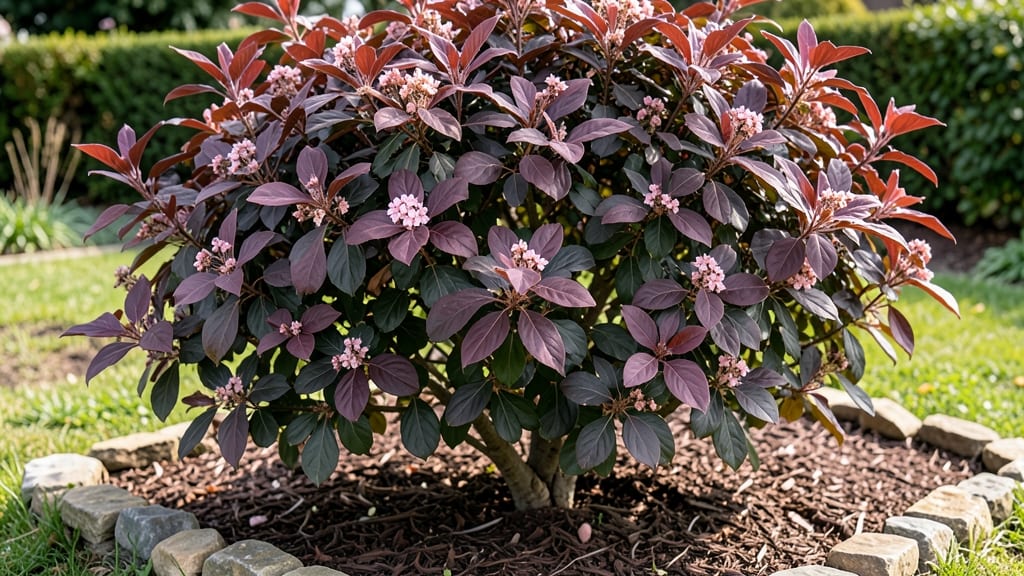
The Newport Purple Leaf Plum's striking purple foliage transforms any yard into a living masterpiece—even when it's not in bloom. 🌿 I planted mine last spring after years of admiring it at neighbors' houses, and now it's the centerpiece of my front garden, drawing compliments all season long.
The secret to that deep, velvety purple isn't complicated—it's about the right spot, soil, and a little pruning know-how that keeps it looking its best.
This plum thrives in full sun to partial shade, but the richest purple comes when it gets at least 6 hours of sunlight daily. Your soil should drain well—amending heavy clay with compost makes all the difference—and it's surprisingly low-maintenance once established.
The real magic happens in late winter when you prune out dead wood and shape the branches, which encourages fresh, vibrant growth that lasts through winter.
By summer, you'll have a showstopping focal point with glossy purple leaves that contrast beautifully against green shrubs or flowering perennials. The small white spring blooms are a bonus, but it's the foliage that steals the show—especially when backlit by morning sun or framed by evergreens.
Just watch for scale insects (they love this tree) and keep an eye out for fungal spots if summers get too humid.
Even in cold climates, this plum handles winter well—its branches add structure to bare landscapes, and the purple leaves often persist until spring. Whether you're planting one as a specimen or lining a driveway, it's a foolproof way to add year-round color with minimal effort.
Ready to make yours the talk of the neighborhood?
📚 In This Guide
- What you need
- Instructions
- Tips and common mistakes
- Wrapping up and next steps
What you need
- ● Newport Purple Leaf Plum Tree: 1 young tree (3–5 years old, 6–10 ft tall) from a nursery or online plant retailer (ensure it’s disease-free!)
- ○ OR seeds (if propagating from scratch—see optional tips below)
- ● Planting Site: Full sun (6+ hours of light daily) 🌞
- ● Well-draining soil (amend with compost if heavy clay is present)
- ● Space: At least 15–20 ft from other trees or structures (they grow wide!)
- ● Tools: Shovel or trowel (for digging)
- ● Garden gloves (to protect your hands)
- ● Watering can or hose (with adjustable nozzle)
- ● Mulch (2–3 inches of wood chips or shredded bark)
- ● Slow-release fertilizer (balanced 10-10-10 or citrus-specific formula)
- ● Tree stake and ties (if planting in windy areas)
- ● Pruning shears (for shaping or removing dead branches)
- ● Soil pH test kit (ideal range: 6.0–7.0)
- ● Drip irrigation system (for consistent moisture)
How to plant and care for a newport purple leaf plum tree
This stunning tree thrives with the right site and attention—here’s how to get those bold purple leaves growing strong.
🌱 Step 1: Choose the Perfect Planting Spot
Newport Purple Leaf Plum loves full sun—plant where it gets at least 6 hours of direct sunlight daily. I always check the site in late afternoon; the leaves will stay vibrant if they’re not shaded after 4 PM. Avoid low spots where cold air settles, as this tree can’t handle winter wetness.
Test the soil by digging a 12-inch hole. If it’s heavy clay, mix in 2-3 inches of compost to improve drainage. The roots need room to spread, so space your tree 15-20 feet from structures or other plants. I mark the spot with a stake before digging to avoid misalignment.
🪴 Step 2: Plant at the Right Depth and Water Well
Dig a hole twice as wide as the root ball but no deeper. Gently remove the tree from its container and loosen any circling roots with your fingers. Place it in the hole so the top of the root ball sits 1-2 inches above ground level—this prevents rot when soil settles.
Backfill with native soil, tamping lightly every 3 inches to remove air pockets. Water deeply until the soil 6 inches down feels moist. I use a hose on slow setting to avoid displacing the roots. Mulch with 2-3 inches of shredded bark, keeping it 6 inches away from the trunk to prevent moisture buildup.
☀️ Step 3: Maintain Year-Round for Bold Foliage
Water 1-2 times weekly during the first growing season, keeping the soil evenly moist but not soggy. Once established, this drought-tolerant tree needs water only during prolonged dry spells. I check by sticking my finger 2 inches into the soil—if it’s dry, it’s time to water.
Fertilize in early spring with 10-10-10 granular fertilizer, spreading it 6 inches from the trunk** and watering it in. Prune in late winter to remove dead wood and shape the tree, but avoid heavy cuts—Newport Purple Leaf Plum responds best to light, formative pruning. I never cut into old wood, as it rarely regrows.
✂️ Step 4: Protect Against Common Pests and Diseases
Watch for aphids or scale insects, which love new growth. I spray with neem oil solution at the first sign of sticky residue on leaves. For fungal issues like powdery mildew, improve airflow by pruning dense branches. This tree’s vibrant foliage is its best defense—healthy leaves repel most pests naturally.
In winter, protect young trees from late frosts by wrapping the trunk with burlap if your zone drops below 15°F. I’ve seen Newport Purple Leaf Plum handle -10°F well, but extreme cold can scorch new growth. A thick layer of mulch insulates the roots and keeps the soil warmer longer.
Tips & tricks for perfect newport purple leaf plum planting
These simple tricks will help you avoid common mistakes and keep your purple foliage looking stunning year after year.
Sunlight Strategy: The 6 hours of daily sunlight is non-negotiable—this tree won't tolerate shade. I've seen trees planted near tall structures lose their vibrant color because afternoon shade fades those gorgeous purple leaves. Check your site in late afternoon to ensure no obstructions appear after 4 PM. If you're unsure, use a solar pathfinder tool to map sunlight patterns for the entire day.
Soil Preparation Insight: That 12-inch hole depth and 2-3 inches of compost for clay soil are crucial for drainage. I've had clients skip this step and end up with root rot because their soil stayed too wet. If you're unsure about your soil type, do a simple jar test: fill a jar with soil and water, then observe how quickly layers separate. Sandy soil drains fast, clay stays compacted—adjust your compost ratio accordingly.
Planting Depth Secret: Keeping the root ball just 1-2 inches above ground level prevents rot when soil settles. I've seen many gardeners plant too deep, which suffocates the roots. After planting, gently press the soil around the base but don't compact it—you want air pockets to dissipate naturally. The mulch layer should never touch the trunk, which is why that 6-inch clearance matters so much.
Winter Protection: The 15°F threshold for burlap wrapping is important, but don't wait until the last minute. I recommend preparing your young trees in late fall, before the first hard freeze. A thick mulch layer (4-6 inches) provides better insulation than many realize—it can protect roots down to about 10°F without additional wrapping in most climates.
Pro Tips for Newport Purple Leaf Plum
- These simple tricks will help you avoid common mistakes and keep your purple foliage looking stunning year after year.
- Sunlight Strategy: The 6 hours of daily sunlight is non-negotiable—this tree won't tolerate shade.
- Soil Preparation Insight: That 12-inch hole depth and 2-3 inches of compost for clay soil are crucial for drainage.
Frequently asked questions
Got questions about the stunning Newport Purple Leaf Plum? You’re not alone! Here are some of the most common inquiries—plus quick, practical answers to help you grow and enjoy this showstopper.
How fast does the Newport Purple Leaf Plum grow?
The Newport Purple Leaf Plum is a moderate grower, typically adding 12–24 inches per year under ideal conditions. With proper care—full sun, well-draining soil, and regular watering—it can reach 15–25 feet tall over 10–15 years. Patience pays off, though: its purple foliage and spring blossoms are worth the wait!
Is this plum tree cold-hardy? Can it survive winter?
This variety thrives in USDA Zones 5–9, making it a resilient choice for most U.S. climates. While young trees may need winter mulch for protection, established Newport Plums handle sub-zero temps with ease. Just avoid late spring frosts, which can damage blooms.
Does the Newport Purple Leaf Plum produce edible fruit?
Yes, but don’t expect gourmet quality! The fruit is small, tart, and best for jams or wildlife (think birds and squirrels). The true star of this tree is its vibrant purple leaves and spring flowers—not the fruit. If you want showy AND tasty, pair it with a separate fruit tree nearby.
How do I keep the leaves looking their best year-round?
For consistent purple foliage, prioritize:
- Full sun (6+ hours/day)—shade dulls the color.
- Well-draining soil—root rot kills vibrancy fast.
- Balanced fertilizer (spring/fall) for rich hues.
- Prune in late winter to remove dead branches and encourage new growth.
Can I grow this plum in a container? What size pot do I need?
While possible, it’s not ideal long-term. Newport Plums have deep roots and need space. If you’re set on container growing:
- Use a 15–20 gallon pot (minimum).
- Plant in well-draining potting mix with sand/perlite.
- Repot every 2–3 years and move indoors in winter (if Zone <5).
Wrapping up and next steps
The Newport Purple Leaf Plum is a stunning addition to any garden, offering year-round beauty with its vibrant purple foliage and delicate spring blooms. Whether you're a seasoned gardener or just starting, this tree brings color, texture, and low-maintenance charm to your outdoor space.
Ready to transform your garden? 🌿 Start by choosing a sunny spot, gathering your supplies, and follow the steps to plant and care for your Newport Purple Leaf Plum. Before you know it, you’ll have a showstopping centerpiece that neighbors will envy! Get started today.