
Aphids
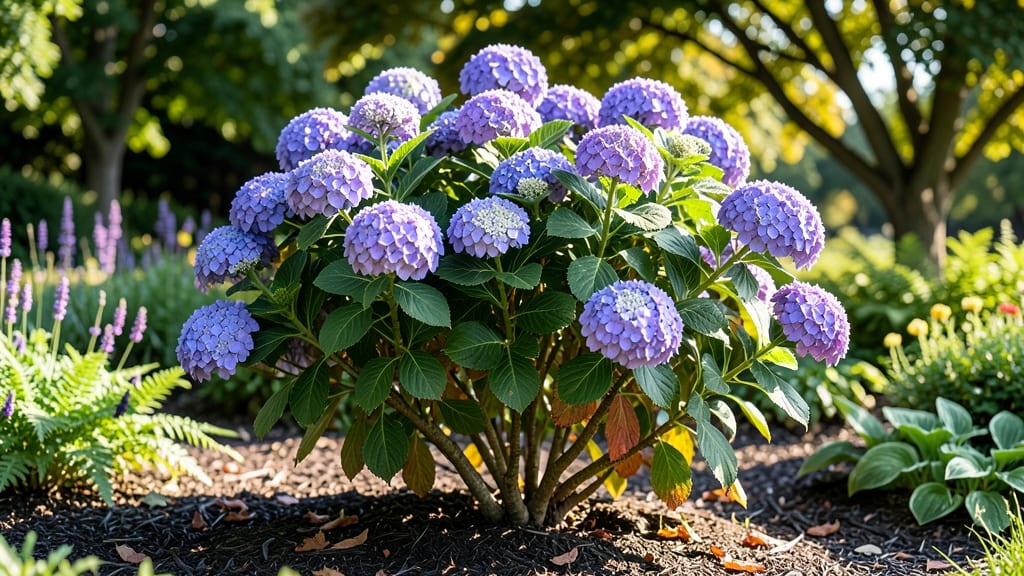
Growing the Oakleaf Hydrangea 'Amethyst' means adding a cold-hardy showstopper to your garden that thrives from spring through winter. 🌿 This variety stands out with its deep purple foliage and large, fragrant blooms that shift from white to pink as the season progresses.
Unlike other hydrangeas, 'Amethyst' keeps its drama even after the blooms fade, with striking fall colors and exfoliating bark that adds winter interest. The secret to its success lies in the right conditions: partial shade, well-draining soil, and consistent moisture.
I’ve found that planting it where it gets morning sun and afternoon shade prevents leaf scorch while keeping the blooms vibrant. Once established, it’s remarkably low-maintenance—just mulch annually to retain moisture and protect roots from temperature swings.
You’ll love how it transforms your landscape with year-round texture and seasonal color changes. The blooms attract pollinators in summer, and the foliage provides a lush backdrop for other perennials.
Prune lightly in late winter to shape it and remove deadwood, but avoid heavy cuts that can reduce next year’s flowers. Perfect for borders, foundation plantings, or as a focal point in mixed beds.
Its adaptability makes it a favorite for gardeners in zones 4-9, and its disease resistance means fewer headaches than other hydrangeas. Let’s get yours growing!
📚 In This Guide
- What you need
- Instructions
- Tips and common mistakes
- Wrapping up and next steps
What you need
- ● Oakleaf Hydrangea 'Amethyst' plants: 1–3 nursery-grown plants (3–4 ft tall, in 3–5 gallon pots for mature size)
- ● Check roots for health—avoid pot-bound or wilted specimens!
- ● Well-draining soil: Mix 50% topsoil, 30% compost, and 20% perlite/sand (1 cubic yard per plant)
- ● pH range: 5.0–6.0 (slightly acidic)
- ● Organic mulch: 2–3 inches of pine bark or shredded leaves (spread in a 3-ft radius around base)
- ● Slow-release fertilizer: 10–10–10 or balanced organic fertilizer (1 lb per plant, applied in early spring)
- ● Watering can or hose with soaker nozzle
- ● Garden trowel or spade (for digging holes)
- ● Gloves & knee pads (because gardening is a labor of love!)
- ● Pruning shears (sterilized, for shaping and deadheading)
- ○ pH test kit (optional but handy for soil prep)
- ○ Stakes & twine (optional, for young plants in windy areas)
- ● Sunlight: Partial shade (4–6 hours of morning sun; afternoon shade in hot climates)
- ● Hardiness zone: USDA Zones 5–9 (cold-hardy down to -20°F/-29°C)
- ● Spacing: 6–8 feet apart (allows for mature growth and airflow)
- ● Patience: Amethyst’s full glory unfolds over 3–5 years—worth the wait!
How to plant and care for oakleaf Hydrangea 'Amethyst' for maximum impact
This cold-hardy beauty thrives with the right approach—here's how to set it up for years of color and texture.
🌱 Step 1: Choose the Perfect Planting Location
Oakleaf hydrangeas like 'Amethyst' demand partial shade to full sun—at least 4-6 hours of direct light daily, but with afternoon shade in hotter climates. I always scout the site first, watching how sunlight moves across the area throughout the day. The ideal spot offers dappled shade from nearby trees or a north-facing wall that protects from harsh afternoon rays.
Check the soil pH before planting—'Amethyst' blooms best in slightly acidic to neutral soil (pH 6.0-7.0). Test with a simple soil kit from your local nursery. If your soil is too alkaline, the deep purple blooms will fade to pink, and the foliage may struggle. Amend with sulfur or peat moss if needed, working it into the top 12 inches of soil.
🪴 Step 2: Dig and Prepare the Planting Hole
Dig a hole twice as wide as the root ball but only as deep as the container's root base. This encourages outward root growth, which stabilizes the plant and supports its heavy blooms. Gently loosen the roots if they're circling the pot—just tease them apart with your fingers. I always add a handful of compost or well-rotted manure to the bottom of the hole for extra nutrients.
Backfill with native soil mixed with one-third organic matter (like compost or aged bark). Press lightly around the roots to remove air pockets, but don't compact the soil. The top of the root ball should sit 1 inch below ground level—this prevents stem rot and ensures the plant establishes properly. Water deeply to settle the soil and eliminate air gaps.
☀️ Step 3: Water and Mulch for Year-Round Health
'Amethyst' thrives with consistent moisture—water deeply once a week during the first growing season, or more often if your area experiences hot, dry spells. The soil should feel damp 2-3 inches down between waterings. Overwatering causes root rot, while underwatering leads to crispy leaves and faded blooms. I always water at the base, avoiding the foliage to prevent fungal diseases.
Apply 3-4 inches of mulch (like shredded bark or pine needles) around the base, keeping it 2-3 inches away from the stem. Mulch conserves moisture, regulates soil temperature, and protects roots during winter. Replenish mulch annually—it breaks down over time and loses effectiveness. This is the secret to 'Amethyst's' dramatic fall foliage and cold hardiness.
✂️ Step 4: Prune Strategically for Season-Long Beauty
Prune 'Amethyst' in late winter or early spring (before new growth begins) to shape the plant and encourage strong blooms. Remove dead, diseased, or crossing branches first—these compete with healthy growth. Then, cut back last year's stems by one-third to promote bushier growth and more vibrant flowers. The key is to leave 3-5 strong buds on each stem, as these will develop into next season's blooms.
Deadhead spent flowers in early summer to redirect energy into new growth and extend the blooming season. I also trim back leggy stems by half their length in midsummer to maintain a compact shape. Avoid heavy pruning in fall—this stimulates tender new growth that won't survive winter. 'Amethyst' rewards patience with stunning fall foliage and winter interest from its exfoliating bark.
Tips & tricks for perfect oakleaf Hydrangea Amethyst planting and care
A few strategic moves can transform your 'Amethyst' from merely surviving to thriving with showstopping color and resilience.
Lighting Strategy: I've learned the hard way that the 4-6 hours of sunlight recommendation isn't just about quantity—it's about quality. In hotter climates, that afternoon shade is non-negotiable. I always test potential spots by observing how sunlight shifts throughout the day. A north-facing wall or deciduous tree overhead creates that perfect dappled light effect that prevents leaf scorch while still fueling those dramatic blooms.
Soil Science: That pH 6.0-7.0 range isn't just a suggestion—it's the difference between vibrant purple and disappointing pink. I keep a soil test kit handy and always amend with sulfur or peat moss if needed. The key is working these amendments into the top 12 inches of soil where the roots will actively grow. This creates an ideal environment for the plant to access nutrients year-round, especially during that critical first growing season.
Planting Precision: The 1-inch depth adjustment when planting might seem minor, but it's what prevents stem rot while ensuring proper root establishment. I always verify this by checking the root flare—the point where roots meet the stem—should sit just above soil level. This small detail makes all the difference in preventing waterlogging and encouraging strong root development that supports those heavy blooms.
Seasonal Maintenance: The 3-4 inches of mulch isn't just about moisture—it's your plant's winter blanket. I replenish mine annually because that mulch breaks down and loses its insulating properties. The secret is keeping it 2-3 inches away from the stem to prevent rot while still protecting those vulnerable roots. This simple layering strategy is what gives 'Amethyst' its legendary cold hardiness and stunning fall foliage.
Pro Tips for Oakleaf Hydrangea Amethyst
- A few strategic moves can transform your 'Amethyst' from merely surviving to thriving with showstopping color and resilience.
- Lighting Strategy: I've learned the hard way that the 4-6 hours of sunlight recommendation isn't just about quantity—it's about quality.
- Soil Science: That pH 6.0-7.0 range isn't just a suggestion—it's the difference between vibrant purple and disappointing pink.
Frequently asked questions
about the Oakleaf Hydrangea 'Amethyst'—because even the most stunning plants come with a few curious questions! Here are the answers you need to keep your shrub thriving.How cold-hardy is 'Amethyst' compared to other oakleaf hydrangeas?
'Amethyst' is one of the hardiest oakleaf hydrangeas, surviving USDA zones 4-9 (as low as -30°F/-34°C). While it shares cold tolerance with varieties like 'Snow Queen,' its deep purple foliage stands out year-round—even in winter! Just mulch heavily in zone 4 for extra protection.
Can I grow 'Amethyst' in containers? If so, what size pot do I need?
'Amethyst' thrives in containers with at least 15-gallon capacity (20+ gallons for mature plants). Use well-draining soil, and move pots to partial shade in summer. Pro tip: Elevate pots to prevent root rot, and fertilize monthly during spring/summer with a balanced formula.
What pests commonly attack 'Amethyst,' and how do I treat them?
The biggest threats are aphids, lace bugs, and scale insects. For aphids, blast them off with water or use insecticidal soap. Lace bugs? Prune heavily infested leaves and apply neem oil. Prevention tip: Encourage beneficial insects like ladybugs by planting nearby herbs like dill or fennel!
How long does it take for 'Amethyst' to reach full size (6-8 ft tall)?
'Amethyst' grows 1-2 feet per year, so expect full size in 5-7 years with proper care. Prune lightly in late winter to shape it, but avoid heavy cuts—this hydrangea blooms on old wood, so patience pays off for dramatic, long-lasting color.
Are there any non-toxic alternatives if 'Amethyst' is too high-maintenance?
If you love the look but want lower upkeep, try 'Pee Wee' oakleaf hydrangea (compact, 3-4 ft tall) or Hydrangea paniculata 'Little Lime' (disease-resistant, lime-green blooms). Both are cold-hardy and thrive in similar conditions with less fuss!
Wrapping up and next steps
The Oakleaf Hydrangea 'Amethyst' is a true gem for gardeners—its vibrant foliage, durability in cold climates, and low-maintenance charm make it a standout perennial. Whether you’re a seasoned gardener or just starting, this plant delivers year-round beauty with minimal effort.
Ready to elevate your garden? Plant one this season and enjoy its show-stopping colors and resilience! For extra inspiration, explore companion plants or design tips to create a stunning landscape.