
Light Requirements
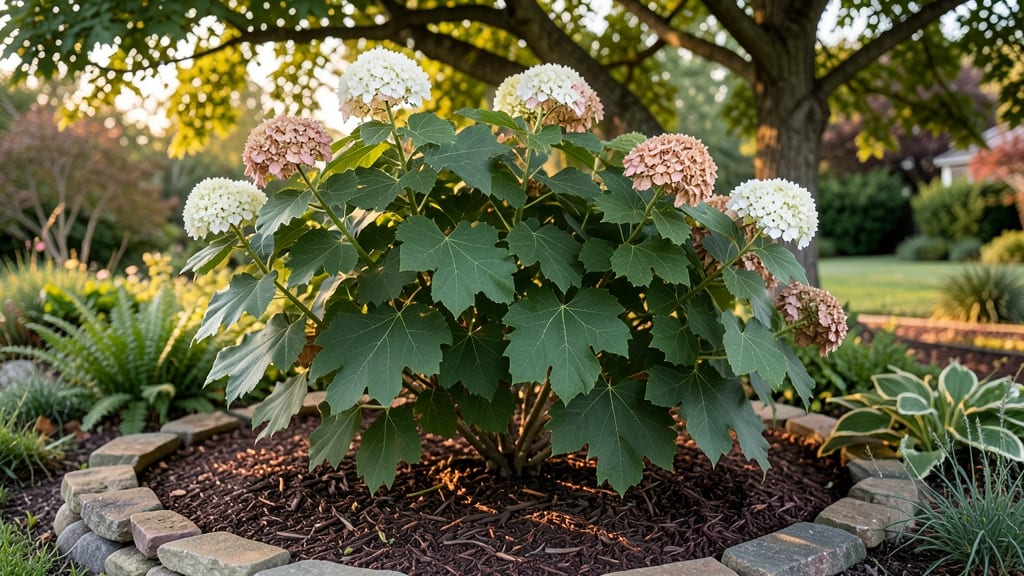
The oakleaf hydrangea light requirements are simple but crucial—these beauties thrive with 3 to 6 hours of morning sun and afternoon shade 🌸 — the key to vibrant blooms and lush foliage that lasts all season.
Struggling to keep your oakleaf hydrangea thriving? The secret might be hiding in its light preferences—morning sun paired with afternoon shade creates the perfect balance for vibrant blooms and lush foliage.
Too much direct sun can scorch those stunning leaves, while too little light weakens growth and reduces flowers. I’ve seen oakleaf hydrangeas go from weak stems to bursting with color just by adjusting their spot, and I’ll show you how to get it right.
From positioning in your garden to container care, we’ll cover everything you need to know to give your oakleaf hydrangea the ideal light conditions for year-round beauty.

Optimal light exposure for oakleaf hydrangea growth and blooms
If you're growing oakleaf hydrangeas, understanding their light requirements is the key to unlocking stunning foliage and abundant blooms. These beauties thrive in morning sun with afternoon shade, but getting the balance right can make all the difference between a lush shrub and a struggling one.
The right light exposure ensures vibrant leaf color and prolonged flowering, while too much or too little can stress your plant.
Oakleaf hydrangeas are more adaptable than their bigleaf cousins, but they still need 3-6 hours of direct sunlight daily. The trick is positioning them where they get gentle morning rays to kickstart growth and protection from harsh afternoon sun that can scorch delicate leaves.
This balance is especially critical in hot climates where afternoon intensity can be brutal.
Why does light matter so much? Sunlight fuels photosynthesis, which determines how well your hydrangea produces energy for blooms and develops rich fall foliage. Too little light leads to weak stems and sparse flowers, while too much can cause leaf burn and faded colors. Let’s break down the perfect light conditions for your oakleaf hydrangea.
| Light Condition | Daily Sunlight Hours | Best Time of Day | Impact on Plant |
|---|---|---|---|
| Partial Shade | 3-6 hours | Morning sun, afternoon shade | Vibrant foliage, abundant blooms, healthy growth |
| Full Sun | 6+ hours | All day | Risk of leaf burn, reduced blooms, stressed plant |
| Deep Shade | Less than 3 hours | Filtered light only | Weak stems, sparse blooms, pale foliage |
| Dappled Sunlight | 3-4 hours | Scattered light (e.g., under trees) | Ideal for hot climates, prevents overheating |
In cooler climates, oakleaf hydrangeas can handle more direct sunlight without stress, especially if they receive afternoon shade during heatwaves. The goal is to mimic their natural habitat—understory plants that thrive with filtered light but still need enough sun to photosynthesize.
If you’re in a Zone 5 or higher, prioritize morning sun exposure to build energy reserves for winter.
For container-grown oakleaf hydrangeas, light needs are even more critical because roots have less room to regulate temperature. Place your pots near east-facing windows or under lightweight shade cloths during peak afternoon hours.
Containers also dry out faster, so combine proper light with consistent watering to avoid stress. A 5-gallon container is ideal for young plants, while mature shrubs need at least 15 gallons to thrive.
Seasonal adjustments are key, especially in summer and winter. During summer heat, increase shade protection if temperatures exceed 85°F, as prolonged exposure can cause leaf scorch.
In winter, these hydrangeas appreciate some winter sun to maintain color, but avoid harsh midday rays. A lightweight frost cloth can help protect tender new growth in early spring.
If your oakleaf hydrangea isn’t blooming as expected, light might be the culprit.
Plants need 6-8 weeks of proper light exposure before buds form, so if you’ve recently moved yours, give it time to adjust. Prune in late winter or early spring to encourage new growth, but avoid heavy cuts that remove next year’s flower buds.
Focus on shaping rather than thinning to maintain a balanced canopy.
One common mistake is assuming "partial shade" means deep shade. Oakleaf hydrangeas need bright, indirect light, not the dim conditions of a north-facing window. If your plant looks leggy or has fewer blooms, it’s likely not getting enough light.
Try moving it to a sunnier spot with afternoon shade or supplement with a grow light for 4-6 hours daily if outdoor options are limited.
For landscape design, oakleaf hydrangeas make stunning foundation plants or woodland garden accents. Pair them with hostas or ferns for a shade-loving combo, or plant near roses or daylilies for a sun-tolerant mix.
Just remember: the east side of your home is usually the sweet spot for these shrubs, offering morning sun and afternoon relief from direct rays.
With the right light balance, your oakleaf hydrangea will reward you with showy blooms in spring and stunning fall foliage that rivals maple leaves. Experiment with positioning—even a 10-foot shift can make a world of difference—and don’t forget to monitor your plant’s
Signs your oakleaf hydrangea isn’t getting the right light
If your oakleaf hydrangea leaves look pale or crispy at the edges, it’s screaming for help—likely from too much afternoon sun. These plants thrive on morning sunlight but wilt under harsh midday rays.
Watch for bleached patches or scorched foliage as red flags. Even weak stems or sparse blooms can signal light stress, whether from too little or too much exposure.
Another clue? Yellowing leaves that drop early in the season often mean your hydrangea isn’t getting enough bright indirect light. Without proper light, the plant struggles to produce energy for blooms, leading to fewer flowers and leggy growth.
Even container-grown oakleaf hydrangeas show these signs if their spot changes suddenly—like moving from a shaded patio to full sun.
🌿 Light Stress Warning Signs
Too much sun? Look for white or brown leaf edges and crispy textures. Too little? Pale, sparse leaves and fewer blooms are your cues. Adjust shade cloth or move pots to east-facing windows immediately to prevent permanent damage.
Diagnosing the issue starts with a simple location check. If your hydrangea sits in full afternoon sun (especially in hot climates), it’s time to add shade. Use a lightweight shade cloth (30-50% block) or plant near tall trees that provide dappled shade.
For underwatered plants, increase watering while you adjust light—stress compounds when both issues occur.
Fixing light problems often means strategic pruning. Thin out dense branches to improve airflow and reduce heat stress. If your hydrangea is in a container, relocate it to a spot with morning sun only—like near a north-facing wall.
For in-ground plants, consider adding mulch to protect roots from temperature swings caused by improper light exposure.
Seasonal shifts matter too. In summer’s peak heat, even partial shade becomes critical. If your hydrangea’s leaves curl or drop suddenly, it’s overheating. Move it to a cooler microclimate or create shade with a lightweight umbrella.
Conversely, in winter, ensure it gets enough bright winter light to prevent weak growth in spring.
Pro tip: Observe leaf color changes daily. Healthy oakleaf hydrangeas have deep green leaves with vibrant fall colors. If yours stays dull or loses color early, it’s a sign of chronic light stress. Act fast—hydrangeas recover better from quick adjustments than long-term neglect.
Remember, oakleaf hydrangeas are flexible but not forgiving. With the right light, they’ll reward you with lush foliage and stunning blooms for years. Start with small tweaks—like moving a pot or adding shade—and watch your plant bounce back! 🌸