
Shrubs
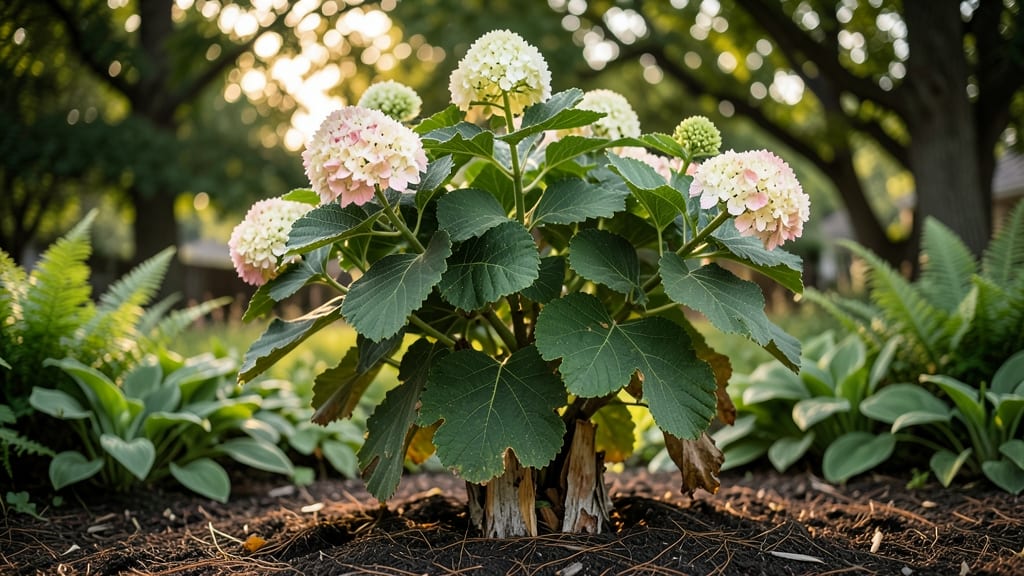
Oakleaf hydrangeas in partial shade transform your garden into a year-round foliage showpiece—even when other plants fade. 🌿 I’ve grown them under big maples for years, and their deep burgundy leaves in fall and creamy blooms in summer never disappoint, proving shade doesn’t mean dull.
The secret lies in moist, well-draining soil and patience—these hydrangeas thrive where others struggle. They’ll reward you with 3-foot-tall bushes that bloom from midsummer to frost, their leaves turning fiery red before dropping. Just avoid soggy roots and late pruning, or you’ll miss next year’s spectacle.
You’ll end up with a low-maintenance star that outshines fussy shade plants. The key is morning sun and afternoon shade, plus occasional pruning to keep their dramatic shape. Even in deep shade, they’ll surprise you with blooms.
Works in woodland gardens, foundation plantings, or under trees—anywhere else wants to grow. Let’s get yours thriving!
📚 In This Guide
- What you need
- Instructions
- Tips and common mistakes
- Wrapping up and next steps
What you need
- ● Oakleaf hydrangea plants (3–5 per desired cluster, depending on spacing goals)
- ● Well-draining potting mix or garden soil (amended with 30% organic matter like compost or peat moss)
- ● Organic mulch (3–4 inches of shredded bark or pine needles)
- ● Slow-release fertilizer (10-10-10 or 12-4-8, 1–2 lbs per plant)
- ● Garden trowel or spade (for digging holes)
- ● Watering can or hose with a gentle nozzle (for deep watering)
- ● Gloves and knee pads (for comfort and protection)
- ● Pruning shears (sterilized, for shaping and maintenance)
- ● Soil pH test kit (oakleaf hydrangeas prefer slightly acidic soil, pH 5.5–6.5)
- ● Epsom salt or aluminum sulfate (if you want to boost blue/purple blooms)
- ● Drip irrigation system (for consistent moisture in dry spells)
- ● Plant support stakes (for taller varieties in windy areas)
- ● Decorative rocks or edging (to define planting areas)
How to plant and maintain oakleaf hydrangeas in shade
This shade-loving beauty thrives with the right soil, spacing, and seasonal care—here’s how to set it up for years of stunning foliage.
🪴 Step 1: Choose the Perfect Spot and Prepare the Soil
Oakleaf hydrangeas love partial shade—think 3-6 hours of morning sun with afternoon shade, especially in hot climates. Avoid deep, dark shade where leaves stay dull and growth stalls. Test your spot: if you can read a book comfortably there, it’s likely ideal.
Amend the soil with 2-3 inches of organic matter (like compost or aged manure) mixed into the top 12 inches of soil. These plants prefer acidic to neutral soil (pH 5.5-7.0)—test your soil if unsure. If your soil is heavy clay, blend in 20% perlite or sand to improve drainage. Poor drainage is their #1 enemy, leading to root rot and leaf drop.
🌱 Step 2: Plant at the Right Depth and Spacing
Dig a hole twice as wide as the root ball but only as deep—planting too deep suffocates roots and causes stress. Gently loosen the roots if they’re circling tightly in the container. Place the plant so the top of the root ball sits level with the surrounding soil—never buried deeper than it grew in the nursery.
Space 4-6 feet apart for mature plants (they’ll spread!). Grouping 3-4 plants together creates a lush, natural screen faster than solitary plantings. Water deeply immediately after planting to eliminate air pockets and encourage root contact with soil.
☀️ Step 3: Water Deeply and Mulch for Retention
Water once a week for the first month, soaking the soil to 12 inches deep. After establishment, aim for 1 inch of water per week, either from rainfall or irrigation. Oakleaf hydrangeas are drought-tolerant once established, but wilting leaves mean it’s time to water—don’t wait for crispy foliage.
Apply 3 inches of mulch (pine bark or shredded leaves work best) around the base, keeping it 2 inches away from the stem. Mulch conserves moisture, regulates soil temperature, and slowly feeds the plant as it breaks down. Refresh mulch annually in early spring to maintain coverage.
✂️ Step 4: Prune Strategically for Seasonal Interest
Prune late winter or early spring (before new growth starts) to shape the plant and encourage blooms. Remove dead or crossing branches first—these compete for energy and create entry points for disease. Cut back last year’s flower stems (they’ll produce this year’s blooms) to just above a strong outward-facing bud.
For older plants, thin out 10-20% of the oldest stems at the base to rejuvenate growth. Oakleaf hydrangeas shine with their fall foliage, so avoid heavy pruning in late summer—you’ll sacrifice those vibrant reds and oranges. Fertilize lightly in early spring with a balanced 10-10-10 formula to support new growth.
🌿 Step 5: Protect and Enjoy Year-Round Beauty
In winter, these plants handle cold down to Zone 4, but young specimens benefit from a 2-3 inch layer of mulch over the root zone for extra insulation. Watch for scale insects on new growth—spray with neem oil if you spot sticky residue on leaves.
Oakleaf hydrangeas reward patience with four-season interest: fragrant summer blooms, fiery fall foliage, and exfoliating bark in winter. Deadhead spent flowers in late summer to redirect energy to next year’s display. With the right care, your plants will mature into 10-foot-tall shrubs that steal the show in any garden.
Tips & tricks for perfect oakleaf hydrangea planting and care
Between us, these shade-loving beauties reward patience with four seasons of drama—but only if you nail the details. Here’s how to avoid the pitfalls I’ve learned from years of trial and error.
Lighting Secret: That "3-6 hours of morning sun" rule is non-negotiable for vibrant foliage. I’ve seen dull, lackluster leaves when plants get afternoon sun—it’s the UV exposure that fades the color. Test your spot with a book: if you can read comfortably, it’s perfect. For hot climates, even morning sun should be filtered through sheer curtains or nearby trees.
Soil Science: The 2-3 inches of organic matter isn’t just about nutrients—it’s about creating that perfect air-to-water ratio in the top 12 inches. I’ve found that mixing in 20% perlite makes all the difference in clay soils. Pro tip: Test your soil pH before planting. If it’s above 7.0, amend with sulfur or peat moss to bring it down to that ideal 5.5-7.0 range.
Planting Precision: That hole should be twice as wide but only as deep as the root ball—no deeper! I’ve seen gardeners bury the root ball too deep, and the plant struggles to breathe. A good trick is to use a level to ensure the top of the root ball sits perfectly flush with the surrounding soil. After planting, water deeply to eliminate air pockets that could strangle new roots.
Seasonal Care Calendar: Mark your calendar for these critical dates: late winter/early spring for pruning, early spring for fertilizing, and late summer for deadheading. The fall foliage display is worth protecting—avoid heavy pruning after July or you’ll lose those stunning reds and oranges. And that 2-3 inch winter mulch? It’s your plant’s winter blanket against temperature swings.
Pro Tips for Oakleaf Hydrangea Shade
- Between us, these shade-loving beauties reward patience with four seasons of drama—but only if you nail the details.
- Lighting Secret: That "3-6 hours of morning sun" rule is non-negotiable for vibrant foliage.
- Soil Science: The 2-3 inches of organic matter isn’t just about nutrients—it’s about creating that perfect air-to-water ratio in the top 12 inches.
Frequently asked questions
Got questions about growing oakleaf hydrangeas in shade? You’re not alone! Here are the answers to the most common queries from gardeners just like you.
How much shade can oakleaf hydrangeas tolerate?
Oakleaf hydrangeas thrive in partial shade (4–6 hours of dappled sunlight daily), but they can handle full shade (especially in hot climates). In deep shade, expect slower growth and less vibrant foliage. For best results, aim for morning sun + afternoon shade—this balances blooms and lush leaves.
When is the best time to plant oakleaf hydrangeas in shade?
Plant in early spring or fall when soil temps are mild (50–70°F). Avoid extreme heat or frost, as these stress young roots. If planting in full shade, amend soil with compost to improve drainage—hydrangeas hate soggy feet! A mulch layer (2–3 inches) helps retain moisture and regulate temperature.
Will my oakleaf hydrangea bloom in deep shade?
Yes, but expect fewer flowers than in partial shade. Oakleaf hydrangeas prioritize foliage drama—their stunning fall colors (red, purple, orange) shine even without sun. For more blooms, prune lightly in late winter to encourage new growth. Pro tip: Deadhead spent blooms to redirect energy to leaves!
How do I prevent leaf scorch or yellowing in shade?
Yellowing leaves often signal overwatering or poor drainage. Ensure soil is well-draining (raise beds if needed) and water deeply 1–2 times per week (adjust for rain). Brown edges? Boost humidity with mulch or a shade cloth to protect from harsh afternoon sun sneaking through trees.
What’s a great shade-loving alternative if oakleaf hydrangeas are too high-maintenance?
Try these low-fuss, shade-tolerant shrubs:
- Pieris japonica (evergreen, fragrant spring blooms)
- Daphne odora (winter-scented, compact)
- Abelia grandiflora (glossy leaves, pink flowers)
- Boxwood (Buxus) (structural, drought-tolerant)
Wrapping up and next steps
Transforming your shady garden into a lush, ever-changing masterpiece is easier than you think with the oakleaf hydrangea! 🌿 Its year-round drama—from fiery fall foliage to delicate blooms—makes it a standout for partial sun spots.
Whether you’re a seasoned gardener or just starting, this shade-loving shrub offers low-maintenance beauty and adaptability.
Ready to elevate your outdoor space? Plant one this season and watch your garden thrive with vibrant color and texture—no green thumb required! For extra inspiration, explore design ideas or check local nurseries for your perfect oakleaf hydrangea variety.