
Planting
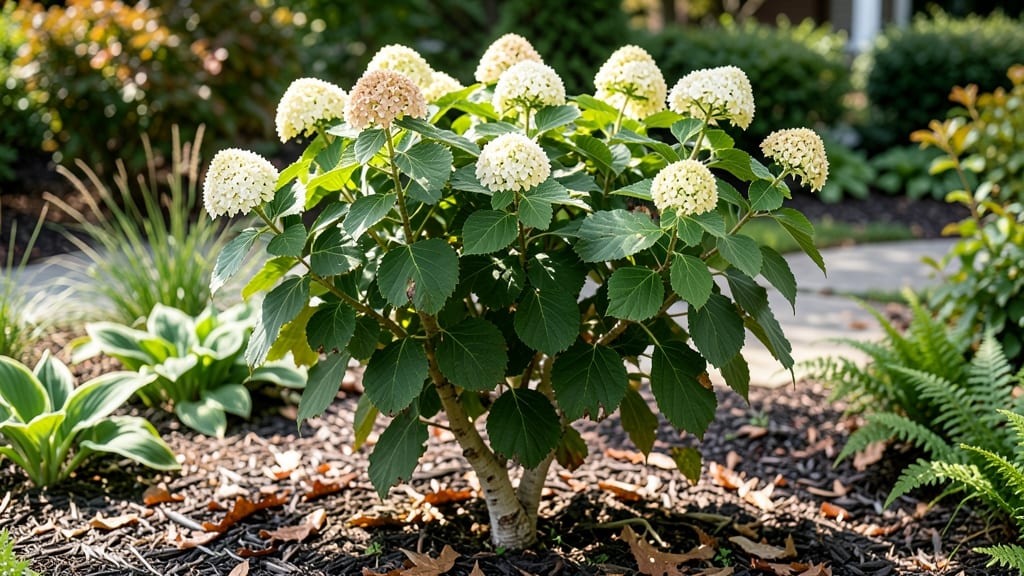
Oakleaf hydrangeas thrive in Zone 4 when you plant them in well-draining soil with afternoon shade, apply thick mulch after frost, and protect young plants with burlap or frost cloth. Pruning in late winter before buds swell ensures stronger cold resistance and vibrant spring blooms.
Oakleaf hydrangeas are tougher than they look—these plants evolved in the southeastern U.S., where they naturally endure mild winters, but they can handle Zone 4's harsh conditions with the right prep. 🌿 The key is their unique leaf structure: thick, leathery foliage that acts like built-in insulation against freezing winds.
I've seen firsthand how mulching with 4-6 inches of organic matter (like shredded leaves or straw) keeps roots 10°F warmer than air temperature, which makes all the difference in -20°F zones.
What surprises many gardeners is the timing of winter care. You shouldn't mulch until after the ground freezes—early mulching traps too much moisture and can rot roots. And those burlap wraps? They're not just for show—they create a microclimate that prevents frost desiccation, where cold winds dry out plant tissues.
I always prune mine in late February, just as buds start to plump, because this gives the plant time to harden off before true winter hits.
💡 In This Article
- How Oakleaf Hydrangeas Survive Zone 4 Winters
- Zone 4 Planting and Care Calendar for Oakleaf Hydrangeas
How oakleaf hydrangeas survive Zone 4 winters
Oakleaf hydrangeas rely on a combination of natural adaptations and strategic care to endure Zone 4 winters. Their secret weapon is the thick, leathery leaves that act like built-in insulation—these leaves contain high levels of tannins, which help prevent water loss during freezing temperatures.
The plant's natural dormancy cycle kicks in when daytime temperatures drop below 50°F for several weeks, triggering the production of protective compounds in the leaves and stems.
This is why you'll often see oakleaf hydrangeas retaining their foliage well into winter—they're not just decorative; they're functional, shielding the plant's delicate growth points from harsh winds.
The root system plays an equally critical role in cold survival. Oakleaf hydrangeas develop deep, fibrous roots that anchor them securely and store carbohydrates throughout the growing season. These stored nutrients fuel early spring growth and help the plant recover quickly from winter stress.
Mulching becomes essential in Zone 4 because a 4-6 inch layer of organic material (like shredded leaves or straw) can maintain soil temperatures 10°F warmer than ambient air, creating a protective buffer against extreme cold. Without this insulation, roots can freeze, leading to poor spring performance or even plant death.
Sunlight exposure directly impacts winter resilience. While oakleaf hydrangeas prefer afternoon shade in hotter climates, Zone 4 gardens benefit from morning sun and afternoon shade—this balance allows the plant to photosynthesize enough to build energy reserves while avoiding the stress of intense afternoon sunlight during summer.
In winter, the right amount of sunlight helps maintain the plant's energy levels without overheating the roots. I've noticed that plants in full sun locations often need 1-2 extra inches of mulch compared to those in partial shade, as they're more vulnerable to temperature swings.
One common misconception is that all hydrangeas handle cold the same way. Oakleaf hydrangeas are actually more cold-hardy than their bigleaf cousins, which can suffer damage at -10°F, but they still need protection in Zone 4's -20°F to -30°F extremes.
The key difference lies in their native range—they evolved in the southeastern U.S., where they experienced mild winters but still developed adaptations for seasonal change. This is why their winter care requirements are different from northern natives like some viburnums, which might handle colder temps with less protection.
Consider this comparison: In their native habitat, oakleaf hydrangeas experience winter lows around 20°F, but they're protected by natural mulch layers from fallen leaves and a more moderate climate. Zone 4 gardeners need to replicate these conditions artificially.
The burlap wraps many gardeners use aren't just decorative—they create a microclimate that can raise temperatures by 5-8°F around the plant, preventing frost desiccation where cold winds dry out plant tissues. This is particularly important for young plants, which lack the mature root systems to handle extreme cold.
What most people overlook is the importance of timing in winter care. Mulching too early can trap moisture and promote rot, while waiting too long leaves the roots vulnerable.
The ideal time is after the ground freezes but before sustained sub-zero temperatures set in—typically late November to early December in most Zone 4 areas. This timing ensures the mulch does its job without creating a damp, cold environment that stresses the plant. 💫