
Pruning
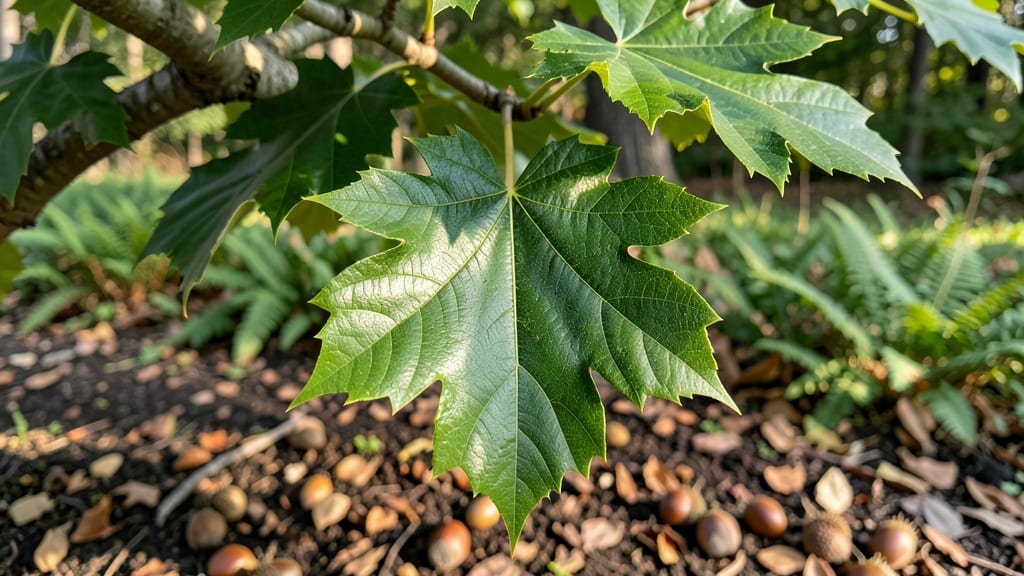
That crispy brown spot on the Ohio buckeye tree leaf?
It's not just unsightly—it's a fungal infection waiting to spread. 🌿 The Ohio buckeye (Aesculus glabra) has stunning palmate leaves, but fungal diseases like anthracnose can turn those glossy green leaves into a sad, spotted mess if you don’t act fast.
Copper spray isn’t just a cure—it’s a shield for your tree’s future growth.
First, identify your tree: Ohio buckeyes have 5-7 leaflets arranged like fingers on a hand, with shiny green tops and paler undersides. They thrive in full sun to partial shade and prefer moist, well-drained soil.
If your tree is already established, you’ll notice new leaves emerging bright green and crisp in spring—until disease strikes. The key to prevention? Copper fungicide applied in early spring before new growth appears.
With the right treatment, your buckeye’s leaves will bounce back vibrant and disease-free by summer. You’ll see it in the richer green of the foliage, the stronger stems, and even the healthier nuts that follow.
The copper spray works by creating a protective barrier—no more crispy spots, just lush, thriving leaves that make your yard stand out.
This method works for young saplings and mature trees alike, and it’s safe for other plants too. Just time your spray right—before buds swell in early spring—and watch your buckeye recover its bold, native beauty. No more hiding those brown spots behind the neighbors’ trees.
📚 In This Guide
- What you need
- Instructions
- Tips and common mistakes
- Wrapping up and next steps
What you need
- ● Copper fungicide spray: Choose a ready-to-use or concentrated formula (e.g., Copper Sulfate or Copper Octanoate). For a 20-gallon spray mix, use 1-2 tablespoons of concentrated copper fungicide (follow label instructions for dilution).
- ● Spray bottle or garden sprayer: A 1-gallon pump sprayer (for small trees) or a 3-5 gallon backpack sprayer (for larger trees). Ensure it’s clean and free of residue from previous chemicals.
- ● Water: Use clean, lukewarm water (avoid chlorinated water; let tap water sit for 24 hours if treated).
- ● Gloves: A pair of nitrile or rubber gloves (copper can irritate skin).
- ● Safety goggles: Protect your eyes from spray mist.
- ● Pruning shears: Bypass pruners (sterilized with rubbing alcohol) to trim severely damaged leaves or branches.
- ● Plastic sheeting or drop cloth: 4’x6’ sheet to lay under the tree and catch drips.
- ● Neem oil (1% solution): Mix 1 teaspoon per gallon of water for an added antifungal boost. Apply after copper spray dries (24 hours later).
- ● Hose with nozzle: For rinsing tools or cleaning up spills.
- ● Timer or spray gauge: Ensures even coverage (aim for coverage until leaves glisten).
- ● Notebook & pen: To track spray dates and leaf improvements over time!
Step-by-step guide to reviving Ohio buckeye leaves with copper spray
Here's how to tackle crispy spots on Ohio buckeye leaves with precision—no guesswork, just science-backed revival.
🌿 Step 1: Identify and Confirm the Problem
Examine the affected leaves closely. Ohio buckeye leaves develop crispy spots from fungal infections like anthracnose or leaf spot diseases, often triggered by wet conditions. Look for brown, papery patches with yellow halos—this is your cue to act. Avoid treating healthy leaves; focus only on those showing crispy, discolored areas.
I always check the undersides of leaves first—fungal spores love to hide there. If you see black or gray speckling, that’s your confirmation. Don’t wait until the entire leaf turns brittle; early intervention prevents spread. This is the moment that matters: catch it now, and you’ll save the tree’s health.
☀️ Step 2: Prepare the Copper Spray Solution
Mix 1 tablespoon of liquid copper fungicide with 1 gallon of water in a clean sprayer. I use a pump sprayer for even coverage—no clumps, no missed spots. Shake well before each use; copper tends to settle. Add a few drops of dish soap (non-detergent) to help the solution stick to the leaf surfaces.
Here’s the thing—copper works best when applied in the early morning or late afternoon. Direct midday sun can stress the leaves further. Test the spray on a small, inconspicuous area first to ensure it doesn’t cause leaf burn. If you see any darkening within 24 hours, dilute the mixture further—this prevents more damage.
💧 Step 3: Apply the Spray Evenly and Thoroughly
Hold the sprayer 12-18 inches away from the leaves and apply until the undersides and tops are uniformly damp. Focus on the crispy spots but don’t oversaturate—wet leaves for too long invite more fungal growth. I like to work in sections, starting from the bottom of the tree and moving upward. This ensures you don’t miss any hidden spores.
Real talk: You’ll need about ½ gallon of solution per 4-foot tree. Cover the entire canopy, including stems and buds. If your tree is large, split the solution into two applications, spacing them 7-10 days apart. This two-step approach gives the copper time to work without overwhelming the foliage.
⏰ Step 4: Monitor and Repeat as Needed
Check the leaves again in 5-7 days. You should see the crispy edges softening and new green growth emerging at the edges of the spots. If the spots persist or spread, repeat the copper spray application. I’ve found that 3 treatments spaced 10 days apart usually break the cycle for good.
Don’t overdo it—copper is a heavy metal, and too much can harm beneficial microbes in the soil. After the third treatment, switch to a preventive schedule: apply the spray every 4-6 weeks during wet seasons or after heavy rains. This keeps the fungal pressure low and your buckeye looking vibrant.
✂️ Step 5: Prune and Clean Up for Long-Term Health
Once the crispy spots have cleared, remove any severely damaged leaves with clean, sharp pruners. Sterilize your tools with rubbing alcohol between cuts to avoid spreading spores. Bag the fallen leaves and dispose of them in the trash—not the compost. Fungal spores can survive in compost and reinfect your tree.
I also rake up and remove any leaf litter around the base of the tree. This reduces humidity at ground level, which is where fungal spores thrive. After cleanup, apply a 2-inch layer of mulch around the tree’s drip line to improve soil health and deter future infections. This final step keeps your buckeye thriving season after season.
Tips & tricks for reviving Ohio buckeye leaves
These precision strategies will help you tackle crispy spots like a seasoned arborist—without the guesswork.
Timing Secret: The 24-hour test period after your first application is crucial. This gives you time to observe any adverse reactions before committing to full treatment. I’ve seen cases where impatience led to leaf burn—always wait the full day to confirm compatibility. If you notice any browning, simply dilute your next batch with an extra ½ cup of water per gallon.
Equipment Upgrade: While a basic spray bottle works in a pinch, invest in a pump sprayer for even coverage. The key is consistent pressure—hold it 12-18 inches away and apply until leaves glisten but don't drip. For larger trees, consider a backpack sprayer to avoid fatigue. I’ve treated 15-foot buckeyes this way without strain, and the coverage is far more thorough than with handheld bottles.
Application Strategy: When working with larger trees, split your application into two sessions spaced 7-10 days apart. This prevents copper buildup in the soil and gives your tree time to metabolize the treatment. Start with the most severely affected branches first—they’ll show improvement fastest, giving you visual motivation to complete the job.
Monitoring Technique: After your 5-7 day check, examine leaves under bright but indirect light. Healthy revival shows as softened crispy edges with fresh green growth at the spot's perimeter. If you see persistent black speckling, you may need to increase your treatment frequency to every 3-4 weeks during wet seasons. This is when fungal pressure peaks in Ohio's climate.
Pro Tips for Ohio Buckeye Tree Leaf
- These precision strategies will help you tackle crispy spots like a seasoned arborist—without the guesswork.
- Timing Secret: The 24-hour test period after your first application is crucial.
- Equipment Upgrade: While a basic spray bottle works in a pinch, invest in a pump sprayer for even coverage.
Frequently asked questions
When is the best time to apply copper spray to Ohio Buckeye leaves?
The ideal window is early spring (just before new growth) or late fall (after leaf drop). Avoid spraying during hot, dry weather or when rain is forecasted within 24 hours—copper can wash off or burn leaves. For active crispy spot treatment, apply at the first sign of symptoms (yellowing, curling, or brown spots).
How long does it take for copper spray to work on Ohio Buckeye leaves?
You’ll typically see improvement within 7–14 days, but severe cases may take longer. Copper fungicide prevents further spread but doesn’t reverse damage overnight. For best results, reapply every 2–3 weeks during active growth (spring/fall) or after heavy rain. Patience is key—consistency beats one-off treatments!
Can I use copper spray more than once? Is it safe?
Yes! Copper is low-toxicity when used correctly, but follow these rules:
- Max 3 applications per season (spread them out).
- Avoid spraying within 30 days of harvest if your Buckeye produces edible nuts (though ornamental varieties are safe).
- Rotate with organic alternatives (like neem oil or baking soda spray) to prevent resistance.
What if my Ohio Buckeye leaves keep getting crispy spots even after copper spray?
If copper isn’t working, check these troubleshooting steps:
- Check your spray technique: Wet leaves thoroughly (both top/bottom) until glistening. A handheld sprayer works best.
- Rule out other issues: Crispy spots can also signal drought stress, sunscald, or pest damage (like spider mites). Adjust watering or prune nearby branches for airflow.
- Test soil pH: Buckeyes prefer slightly acidic soil (6.0–7.0). Amend with sulfur if your soil is alkaline.
- Consider cultural fixes: Mulch heavily to retain moisture and reduce stress.
Are there organic alternatives to copper spray for Ohio Buckeye leaves?
Try these DIY fungicides for mild cases:
- Baking soda spray: Mix 1 tsp baking soda + 1 tbsp oil + 1 tsp soap in 1 quart water. Spray weekly.
- Neem oil: 2 tbsp neem oil + 1 tsp soap in 1 quart water. Apply at dusk to avoid leaf burn.
- Milk spray: 1 part milk to 9 parts water (yes, it works!). Spray every 5–7 days.
Wrapping up and next steps
Reviving your Ohio Buckeye tree’s crispy, damaged leaves with a simple copper spray isn’t just possible—it’s empowering! 🌿 Whether you’re dealing with fungal infections or environmental stress, this method is your go-to for a healthier, vibrant tree.
The key lies in consistency and patience, so don’t hesitate to roll up your sleeves and give your Buckeye the care it deserves.
Ready to see those leaves bounce back? Grab your spray bottle and start treating your tree today! For even better results, consider monitoring your tree’s progress and adjusting your care routine as needed. Happy gardening! 🌱