
Leaf Blower
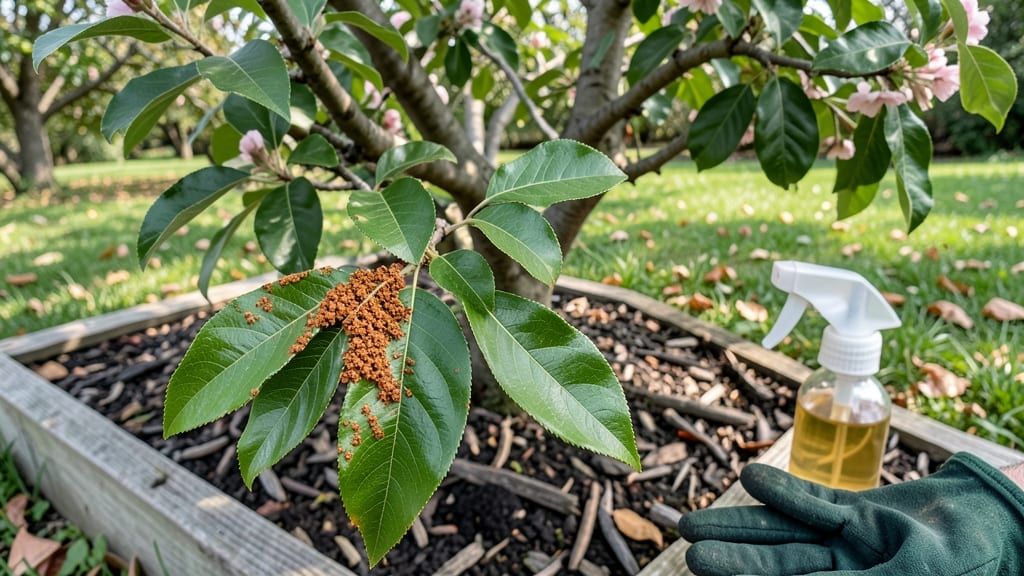
Seeing those bright orange pustules on your peach leaves is a surefire sign of peach leaf rust—✨ and the good news is, copper spray can turn things around in just three days.
I’ve seen this fungal nightmare ruin entire harvests, but with the right approach, you can save your trees before the damage spreads. The key is acting fast, because once the leaves curl and drop, your peaches suffer too.
This fungal pathogen, Tranzschelia discolor, thrives in wet, humid conditions—so if your peach tree is in a shady spot or you’ve had recent rain, that’s your answer. The orange spots start small but multiply fast, weakening the tree’s ability to photosynthesize.
Left unchecked, it can reduce your fruit yield by up to 50% in a single season. That’s why early detection is everything.
Copper fungicide sprays are your best defense, but timing matters—apply them before the spores spread, ideally in early spring or after heavy rain. Prune infected branches immediately to stop the cycle, and make sure your trees have good airflow to dry out quickly.
With the right mix of copper, pruning, and prevention, your peach tree can bounce back stronger than ever.
This works for home orchards, backyard trees, and even commercial plantings—just adjust the spray volume based on tree size. The goal? A lush, rust-free canopy by harvest time. Let’s get those trees back to their best.
Root Causes Of Fungal Overgrowth
Peach leaf rust isn’t just a random bad luck scenario—it’s a perfect storm of conditions that give fungal spores the green light to thrive. Understanding these triggers helps you prevent outbreaks before they turn your orchard into a rust-colored nightmare.
Let’s break down the key culprits behind this stubborn fungal foe.
Fungal spores love moisture—think of them as tiny, spore-covered astronauts floating through the air until they find a damp landing zone. Peach leaf rust spores (Transchelidium sp.) germinate and infect leaves when humidity stays above 90% for 9+ hours or when rain splashes spores onto fresh foliage.
- Why it matters: Warm, wet springs (50–75°F) are peak infection season because spores germinate faster in these conditions.
- Actionable fix: Use fungicides (like copper spray) before rain events, and prune for airflow to reduce leaf wetness.
- Pro tip: 🌡️ Monitor your local weather forecast—spray when humidity hits 85%+ for 6+ hours.
Peach trees with dense, shaded foliage create the perfect fungal hotel. Poor airflow traps moisture, and overlapping leaves provide ideal surfaces for spores to latch onto. Overgrown trees also retain moisture longer after rain, extending the infection window.
- Why it matters: Rust spores can’t spread if they’re drying out—but thick canopies keep leaves damp for days.
- Actionable fix:
- 🔪 Prune in late winter to open the canopy (remove 20–30% of branches for airflow).
- 🌿 Thin out suckers and water sprouts that block sunlight.
- Pro tip: ✨ Train vines on trellises if growing vertically—this reduces leaf overlap by 40%.
Fungal spores overwinter in fallen leaves, mummified fruit, and pruned branches. If you don’t clean up after harvest, next year’s spores are already waiting in the wings. Some rust pathogens can survive 2+ years in organic matter!
- Why it matters: A single infected leaf left on the ground can re-infect 100+ new leaves the following spring.
- Actionable fix:
- 🍂 Rake and remove all leaf litter, fruit mummies, and prunings from under trees.
- 🔥 Compost debris only if it’s heated to 140°F+ (kills spores).
- 🚫 Avoid mulching directly under trees—keep mulch 3–4 inches away from the trunk.
- Pro tip: 💡 Solarize infected debris: Pile it in clear plastic sheets for 4–6 weeks in summer sun to sterilize it.
Peach trees under nutritional stress, drought, or poor soil have weaker cuticles and slower healing—making them easy targets for fungal invaders. Common stressors include:
- Nitrogen deficiency (yellow leaves, stunted growth).
- Iron/chlorosis (yellow between veins).
- Compacted or poor-draining soil (root rot risk).
- Sudden drought followed by heavy watering (osmotic shock).
Why it matters: A healthy tree can resist rust better—but stressed trees get infected faster and recover slower.
Actionable fix:
- 📊 Test soil (pH 6.0–7.0 ideal; amend with lime/sulfur if needed).
- 💪 Fertilize in early spring with balanced NPK (10-10-10) + micronutrients (iron, zinc).
- 💧 Water deeply 1–2x/week (avoid wetting leaves at dusk).
Pro tip: 🌱 Apply compost tea in spring to boost microbial defense—beneficial fungi outcompete rust pathogens.
Now that you know why rust strikes, the next step is how to stop it—and copper spray is your secret weapon. Stay tuned for our 3-day cure plan to turn those rusty leaves back to vibrant green!
Quick Fixes for Rusty Leaves
Fungal infections like peach leaf rust can turn your once-vibrant trees into a patchwork of unsightly spots—but don’t panic! With the right approach, you can restore your peach tree’s health and prevent future outbreaks.
Below, we’ve broken down practical, science-backed solutions tailored to the root causes of rust, from organic remedies to proactive care.
Cause: Overcrowded branches or lingering infected foliage trap moisture, fueling fungal spores. Fix:
- 🔪 Prune aggressively in late winter or early spring (before new growth). Cut out:
- Branches with thick rust patches (sterilize pruners with rubbing alcohol between cuts).
- Crossing or dead branches to improve airflow.
- 🧹 Rake and remove all fallen leaves from the base of the tree and surrounding area. Do not compost them—burn or bag them to prevent spore spread.
- Pro Tip: 💡 If rust appears on lower branches, prune higher to encourage upward growth and sunlight exposure.
Cause: Wet leaves for prolonged periods create the perfect breeding ground for rust spores. Fix:
- ⏰ Water early in the day (before 10 AM) to allow foliage to dry quickly.
- 🌱 Improve soil drainage by:
- Adding 1–2 inches of organic mulch (wood chips or straw) around the tree base (keep mulch 3–4 inches away from the trunk).
- Amending heavy clay soil with compost or perlite to prevent waterlogging.
- 🚫 Avoid overhead irrigation—use drip irrigation or soaker hoses to keep leaves dry.
Cause: Fungal spores thrive when left unchecked; copper disrupts their cell walls. Fix:
- 🍳 Apply copper fungicide (like copper sulfate or copper hydroxide) at the first sign of rust (yellow spots or pustules).
- Mix: Follow label instructions (typically 1–2 tbsp per gallon of water).
- 👨🍳 Spray thoroughly on both sides of leaves, focusing on undersides (where spores often hide).
- ⏰ Best timing: Early morning or late afternoon (avoid midday sun to prevent leaf burn).
- 🔄 Reapply every 7–14 days during rainy seasons or after heavy pruning.
- ⚠️ Safety Note: Wear gloves and avoid spraying on windy days to prevent drift onto edible fruit.
Cause: Weak or nutrient-deficient trees are more susceptible to infections. Fix:
- 📊 Fertilize properly in early spring with a balanced 10-10-10 or organic fertilizer (like alfalfa meal).
- 💪 Strengthen immunity with:
- Neem oil spray (1 tsp neem oil + 1 tsp mild soap per quart of water) as a preventative fungicide.
- Baking soda solution (1 tbsp baking soda + 1 tsp oil + 1 gallon water) for mild cases (spray every 2 weeks).
- 🌿 Companion planting: Surround your peach tree with garlic, chives, or marigolds—their antifungal properties deter spores.
Stop rust before it starts with these easy habits:
- 🌡️ Monitor humidity: Use a hygrometer—keep levels below 60% near the tree.
- 🎯 Space trees properly: Plant peach trees 15–20 feet apart for airflow.
- ✨ Sanitize tools: Clean pruners and rakes with bleach solution (1:9 bleach:water) after each use.
- 🍑 Harvest promptly: Remove ripe fruit quickly to avoid attracting pests that spread disease.
🚀 Pro Tip: For severe cases, combine copper spray + pruning + neem oil for a 3-day revival plan. Most trees show improvement within 7–10 days of consistent care!
Frequently asked questions
What do peach leaf rust spots actually look like?
Peach leaf rust starts as tiny, yellowish spots that quickly turn into bright orange pustules on the undersides of leaves. These pustules eventually burst, releasing spores that spread to new leaves. The upper leaf surface may develop yellow or brown patches as the infection progresses.
Can I still harvest peaches if my tree has leaf rust?
Yes, but monitor the fruit closely. While leaf rust primarily affects foliage, severe infections can reduce fruit quality or cause premature dropping. Harvest peaches as soon as they ripen to prevent pests from exploiting weakened trees. Remove any mummified fruit from the ground to stop spore cycles.
How often should I apply copper spray for prevention?
For prevention, apply copper fungicide every 10–14 days during peak rust season (spring through early summer). If you've had past infections, start spraying at bud break and continue until one month after harvest. Always follow label instructions for concentration.
Will pruning alone stop peach leaf rust?
Pruning helps reduce rust spread by improving airflow, but it's not a complete cure. Remove only heavily infected branches (sterilize tools between cuts), but combine pruning with copper sprays and proper sanitation. The fungus overwinters in debris, so thorough cleanup is essential for long-term control.
Are there organic alternatives to copper spray?
Yes! Try these organic options: neem oil (1 tsp + 1 tsp soap per quart of water), baking soda spray (1 tbsp baking soda + 1 tsp oil per gallon), or potassium bicarbonate. While effective for mild cases, copper remains the gold standard for severe rust. Always test sprays on a small leaf area first.