
Leaf Blower
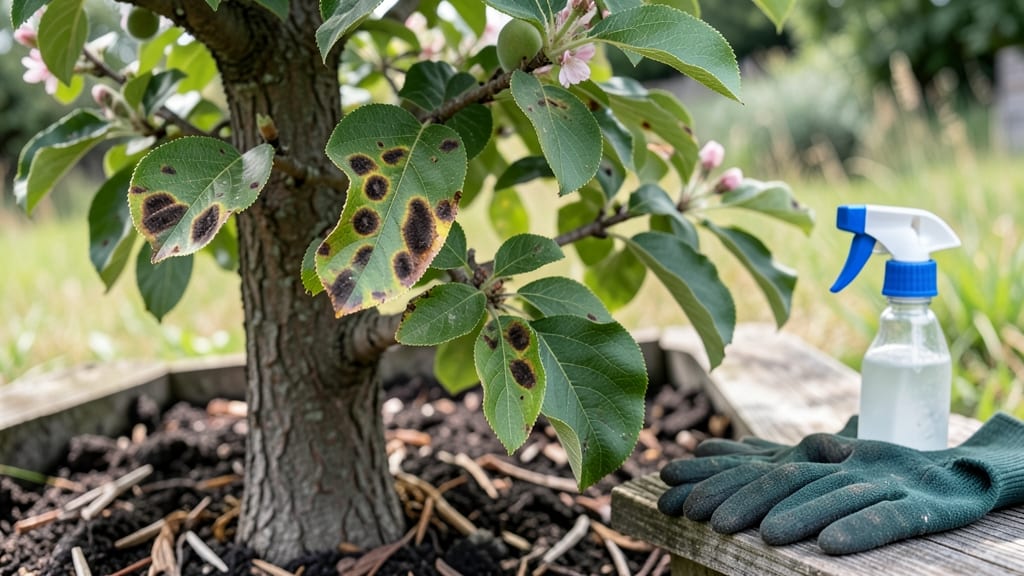
Peach tree leaf spots turn your tree into a patchwork of brown and yellow—like someone splashed it with rusty paint. 🌿 I’ve watched this fungal nightmare spread from a few leaves to the whole canopy in just two weeks, and I’m here to tell you it’s fixable without harsh chemicals.
The key is acting fast with organic sprays and good tree care habits.
Those ugly spots start as tiny black or brown dots with yellow rings, then grow into larger patches that drop leaves early. Fungal spores hitch rides on wind, rain, or even your pruners, so crowded trees or wet springs make it worse.
The good news? A 7-day organic cure using copper fungicide or neem oil can stop it in its tracks—if you catch it early.
First, rake up fallen leaves and prune infected branches (sterilize your tools with rubbing alcohol). Then spray your tree with a homemade mix of 1 tablespoon baking soda, 1 tablespoon neem oil, and 1 teaspoon dish soap per gallon of water.
Repeat every 7–10 days until new leaves stay spot-free. The goal? A tree that looks as healthy as it tastes by harvest time.
If spots keep coming back year after year, your tree might need a stronger fungicide or even a professional inspection. But for most home growers, this method works—no black thumb required.
Let’s get your peach tree back to its lush, productive self before the birds get all the fruit.
Root Causes Of Leaf Discoloration
Peach tree leaf spots don’t just appear out of nowhere—they’re often the result of a perfect storm of environmental and biological factors. Understanding why these spots develop is the first step to stopping them in their tracks.
Below, we break down the most common culprits, from sneaky fungal invaders to weather patterns that create the ideal breeding ground for trouble.
Fungi are the #1 cause of peach tree leaf spots, and they thrive in warm, humid conditions. Here’s how they hijack your tree:
- 🔬 Cladosporium and Alternaria Species These fungi love hot, wet summers and can spread rapidly when leaves stay damp for more than 12 hours. They produce dark, irregular spots with fuzzy edges that expand quickly if left unchecked.
- How they strike: Spores land on leaves, germinate in moisture, and penetrate leaf tissue through natural openings (like stomata) or tiny wounds.
- Actionable clue: Look for yellow halos around spots—this is a classic sign of fungal activity.
- 🍒 Cercospora (Peach Leaf Spot) This fungus targets young, tender leaves and creates small, circular spots with purple or reddish margins. Severe infections can cause premature leaf drop, weakening the tree’s ability to photosynthesize.
- Why it spreads: Overhead irrigation or frequent rain splashes spores onto leaves, giving them direct access.
- Pro tip: 💡 Prune lower branches to improve airflow and reduce humidity near the canopy.
Fungal spores are everywhere, but they need the right conditions to take hold. These weather factors turn your peach tree into a fungal buffet:
- 🌡️ High Humidity (60%+ for Days) Fungi require moisture to grow. When humidity stays high, spores germinate faster, and leaf spots multiply exponentially.
- Critical threshold: ⚠️ If your area has 3+ consecutive days of 90%+ humidity, treat your tree immediately.
- 💦 Frequent Rain or Overwatering Rain isn’t the enemy—excessive leaf wetness is. Overhead watering (like sprinklers) or poor drainage can create a soggy leaf surface, perfect for fungal growth.
- Fix it: Switch to drip irrigation or water at the base of the tree in the early morning to let leaves dry quickly.
- 🌞 Sudden Temperature Shifts Cool nights followed by hot, sunny days stress peach trees, making them more susceptible to infections. Fungi exploit this weakness by latching onto compromised leaves.
- Prevent stress: Mulch around the base to regulate soil temperature and reduce shock.
A stressed or malnourished peach tree is like an open invitation for fungi. These factors weaken defenses:
- 🍃 Nutrient Deficiencies (Especially Nitrogen & Potassium)
- Nitrogen: Leaves turn yellow between veins (chlorosis), making them easier targets.
- Potassium: A deficiency leads to weak cell walls, allowing fungi to penetrate effortlessly.
- Solution: Test soil pH (ideal: 6.0–6.5) and amend with balanced organic fertilizer (e.g., 10-10-10).
- 🪓 Physical Damage (Pruning Wounds, Hail, Pests) Open wounds provide entry points for spores. Even minor damage from insects (like aphids) can create gateways.
- Best practice: 💡 Sterilize pruning tools with rubbing alcohol (70%+) to prevent spreading spores.
- 🌿 Overcrowded Canopy Dense foliage traps moisture and blocks airflow, creating a fungal paradise. Thinning out branches can reduce spots by up to 40%.
- How to thin: Remove 20–30% of inner branches to improve light penetration.
Some insects don’t just damage leaves—they spread fungal spores like a bad rumor. Watch for:
- 🐜 Aphids & Leafhoppers These sap-suckers excrete honeydew, a sticky residue that attracts sooty mold—a secondary fungus that thrives on leaf spots.
- Combat them: Blast off pests with a hose (1–2 minutes) or use neem oil spray (1 tsp per quart of water).
- 🦋 Scale Insects Their waxy shells trap moisture against leaves, creating the perfect environment for Cercospora and Alternaria.
- Remove them: Scrape off scales with a plastic scraper or apply horticultural oil in dormant season.
Now that you know why those pesky spots appear, the next step is act fast with organic solutions to stop the spread. But first—identify the exact fungus causing the problem for targeted treatment!
Quick Fixes for Fungal Spots
When those unsightly brown or black spots start appearing on your peach tree leaves, acting fast is key! Below are targeted solutions based on the most common causes—fungal infections, environmental stress, or pest damage—along with preventive tips to keep your tree thriving.
Let’s get your peach tree back to its healthy, lush self in no time!
Fungal leaf spots are the #1 culprit behind peach tree leaf spots, often caused by Cladosporium, Cercospora, or Alternaria. Here’s how to stop the spread and heal your tree:
🔥 Step 1: Prune Infected Leaves (Immediately!)
- 🌿 Remove all severely spotted leaves (drop them in a sealed bag—do not compost).
- ✂️ Trim small branches with heavy infection to improve airflow.
- Pro Tip: Sterilize pruners with rubbing alcohol between cuts to avoid spreading spores.
🍳 Step 2: Apply an Organic Fungicide Spray
Mix one of these DIY or store-bought solutions and spray both sides of leaves (early morning or evening to avoid sunburn):
| Solution | How to Make/Use It | Frequency |
|---|---|---|
| Baking Soda Spray | 1 tbsp baking soda + 1 tsp dish soap + 1 gallon water. Shake well before spraying. | Every 7–10 days until spots stop. |
| Neem Oil Spray | 2 tbsp neem oil + 1 tsp horticultural oil + 1 tsp soap + 1 gallon water. | Every 5–7 days (rotates resistance). |
| Copper Fungicide | Follow label instructions (e.g., Bonide Copper Fungicide). | Every 10–14 days. |
| Milk Spray (Lactic Acid) | 1 part milk + 9 parts water. Spray directly on leaves. | Every 3–5 days (great for powdery mildew). |
Pro Tip: 🌡️ Add a fan near the tree for 10–15 minutes daily to reduce humidity—fungi love damp leaves!
🌱 Step 3: Boost Tree Immunity
- 💪 Fertilize with a balanced organic fertilizer (10-10-10 or compost tea) to strengthen defenses.
- 🍎 Mulch with wood chips or straw (3–4 inches deep) to prevent soil splashing onto leaves.
If spots are yellow with crispy edges (sun scorch) or pale with no pattern (nutrient deficiency), adjust care:
👨🍳 Step 1: Adjust Watering & Sun Exposure
- 💧 Water deeply 1–2 times per week (check soil moisture—top 2 inches should be dry).
- 🌳 Provide afternoon shade if your tree is in a hot, dry climate (use shade cloth if needed).
- Pro Tip: 🎯 Mulch heavily to retain moisture and cool roots.
🍽️ Step 2: Fix Nutrient Imbalances
- 📊 Test soil (use a DIY kit or send to a lab) to check for low nitrogen, potassium, or magnesium.
- 🥗 Apply:
- Nitrogen (fish emulsion or blood meal) for green leaf recovery.
- Potassium (wood ash or greensand) for disease resistance.
- Magnesium (Epsom salt spray: 1 tbsp per gallon) for chlorotic (yellow) spots.
If spots are sticky, accompanied by holes, or have tiny webs, pests may be the issue:
🔪 Step 1: Blast Off Pests
- 🕷️ Spray with insecticidal soap (1 tbsp soap + 1 quart water) for aphids & mites.
- 🐛 Use neem oil (same recipe as above) for borers & scale.
- 🕸️ Introduce beneficial insects (ladybugs, lacewings) to naturally control pests.
⏰ Step 2: Monitor & Repeat
- Check undersides of leaves daily for new pests.
- 🌿 Prune heavily infested branches and dispose of them far from the tree.
Once your tree is healthy, lock in that progress with these long-term strategies:
- 💡 Space trees properly (15–20 ft apart) for better airflow.
- 🌧️ Water at the base (avoid overhead watering).
- 🍂 Clean up fallen leaves in autumn to remove overwintering fungi.
- 🌱 Plant companion plants like marigolds or garlic to repel pests naturally.
- 📅 Spray preventatively in spring & early summer with neem oil or copper fungicide.
Remember: Consistency is key! Fungal spots can return if conditions (like humidity) aren’t controlled. With these steps, your peach tree should bounce back in 7–14 days—and stay spot-free for years to come! 🌳💚
Frequently asked questions about peach tree leaf spots
Why do peach tree leaves develop yellow halos around brown spots?
Those yellow rings are a classic sign of fungal activity! Fungi like Cladosporium or Alternaria release toxins that damage leaf cells around the infection site, causing the yellow discoloration. The halo appears as the fungus spreads and the leaf's natural defenses react.
Can I use regular dish soap to treat fungal leaf spots?
Yes, but only with caution! Mix 1 teaspoon mild dish soap with 1 gallon water—never use harsh detergents. The soap helps fungicides stick to leaves, but too much can damage the tree. Always combine it with baking soda or neem oil for best results.
How often should I spray my peach tree with fungicide?
For organic sprays like neem oil or baking soda, apply every 5-7 days during active spot outbreaks. Once spots disappear, switch to monthly preventative sprays in spring and early summer. Always spray in early morning or evening to avoid leaf burn.
Will removing spotted leaves stop the problem?
Pruning helps, but it's only part of the solution! Remove heavily infected leaves immediately, but also treat the entire tree with fungicide and improve airflow. Spores can linger on remaining leaves or in the soil, so combine pruning with chemical prevention for best results.
Are there any chemical-free ways to prevent leaf spots?
Start by improving tree health with proper spacing (15-20 ft between trees) and mulching (3-4 inches deep). Use compost tea for nutrients and plant marigolds nearby to repel pests. Also water at the base in the morning to keep leaves dry.