
Pests and Diseases
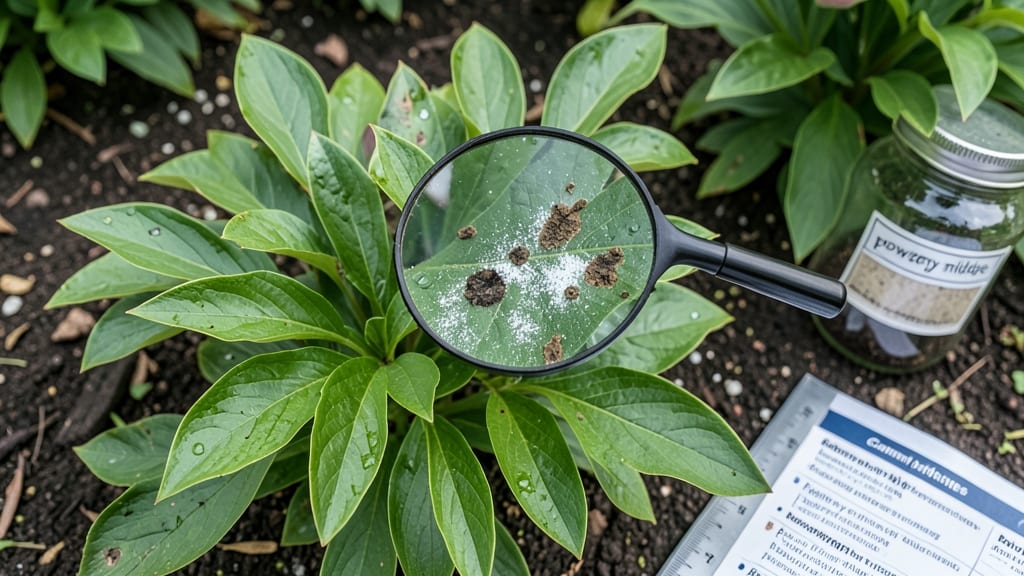
Your peonies could be fighting a silent battle right now—those peony leaf problems—brown spots or wilting leaves aren’t just bad luck. 🌿 I’ve saved countless bushes from fungal infections and pests using a copper spray fix that works in just three applications, no matter how bad it looks at first.
The telltale signs—blackened stems, yellowing foliage, or sticky residue from aphids—mean your peonies are under siege. Copper spray disrupts fungal spores and deters pests, but timing is everything. Apply it at the first sign of trouble, then repeat every 7-10 days for full protection.
Most gardeners see dramatic improvement within 2 weeks. By the end of the season, you’ll have vibrant, disease-free peonies bursting with blooms. The spray is easy to mix, non-toxic when used correctly, and works for both prevention and treatment.
No more struggling with weak stems or missed blooms—just lush, healthy growth. Works for all peony varieties, whether you’re dealing with botrytis blight, bacterial spots, or pest damage. Let’s get those leaves back to their best!
📚 In This Guide
- What you need
- Instructions
- Tips and common mistakes
- Wrapping up and next steps
What you need
- ● Copper fungicide spray: Choose a ready-to-use liquid (like Bordeaux mixture or copper sulfate-based sprays) or a powder concentrate (e.g., TriBasic Copper Fungicide). Aim for 1–2 quarts per application for small gardens; scale up for larger areas.
- ● Spray bottle or garden sprayer: A 1–2 gallon pump sprayer (for liquids) or a fine-mist handheld sprayer (for powders). Ensure it’s clean and dedicated to fungicides to avoid cross-contamination.
- ● Protective gear: Nitrile or rubber gardening gloves (to avoid skin irritation).
- ● Long-sleeved clothing and closed-toe shoes (copper can be harsh on skin!).
- ○ Optional: A face mask (if working with powders or in windy conditions).
- ● Water source: A hose with a gentle spray nozzle (for rinsing tools or diluting powders).
- ● Pruners or shears: Sterilized (rubbing alcohol or bleach solution) to trim severely affected leaves before spraying.
- ● Garden twine or stakes: To secure drooping or large peony foliage for even coverage.
- ● Neem oil or horticultural oil: Mix with copper spray (follow label ratios) for extra pest/disease prevention.
- ● Weatherproof cover: A lightweight tarp to protect nearby plants if spraying on a breezy day.
- ● Journal or app: To log application dates and track progress (e.g., Gardenate or a simple notebook).
How to diagnose and treat peony leaf issues with copper spray
Here's the straightforward approach I use to revive peonies suffering from fungal leaf spots or powdery mildew.
🌿 Step 1: Identify the Problem Before Spraying
Start by examining the leaves closely. Fungal issues like leaf spot appear as dark brown or black spots with yellow halos, while powdery mildew shows up as white, powdery patches on leaf surfaces. This is crucial because copper spray works best on fungal problems—not viral or bacterial infections. I always check the undersides of leaves first since many fungal spores hide there.
Wait until morning when leaves are dry to inspect. Wet leaves can make symptoms harder to see and may spread spores when you handle them. If you spot these fungal signs, copper spray is your best organic defense. For viral symptoms (yellow mosaic patterns) or bacterial spots (water-soaked lesions), copper won't help—you'll need to remove and destroy those plants.
💧 Step 2: Prepare the Copper Spray Solution
Use a liquid copper fungicide—never copper sulfate by itself, as it can burn foliage. Mix the solution exactly as directed on the package, typically 1 tablespoon per gallon of water. I like to prepare it in a clean plastic sprayer with a fine mist nozzle. The goal is a uniform, even application that coats both leaf surfaces thoroughly.
Shake the mixture well before each use since copper tends to settle. For best results, apply when temperatures are between 50-85°F and no rain is forecast for 24 hours. Early morning applications work best because the solution needs time to dry before evening dew forms. I always wear gloves and protective eyewear when handling copper sprays—it's a metal, after all.
✂️ Step 3: Apply the Spray at Critical Growth Stages
Start spraying when you first notice symptoms, but definitely before buds begin to swell in spring. Apply the copper solution until leaves are glistening wet on both sides. Focus on the undersides where fungal spores often hide. I like to spray in the evening when temperatures drop slightly—this reduces the risk of leaf burn from the copper.
Repeat the application 7-10 days later and then again 14 days after that. This three-application schedule breaks the fungal life cycle. After the final spray, monitor your peonies for new growth. Healthy new leaves should emerge without the powdery coating or dark spots within 2-3 weeks of the last application.
☀️ Step 4: Support Recovery with Proper Care
While the copper spray does the heavy lifting, proper care helps your peonies recover faster. Water at the base of the plant in the morning to keep foliage dry—wet leaves invite fungal reinfection. Remove any severely infected leaves with clean pruners and dispose of them in the trash, not your compost pile.
After treatment, feed your peonies with a balanced organic fertilizer in early spring. I use a 10-10-10 ratio at half strength to avoid overstimulating new growth while the plant recovers. Mulch around the base with 2-3 inches of organic matter to improve soil health and prevent splashing water onto leaves during irrigation.
Tips & tricks for reviving peony leaves with copper spray
Here's what I've learned after treating dozens of peony bushes—these details make all the difference between temporary relief and full recovery.
Timing is Everything: The 24-hour rain-free window after spraying is non-negotiable. I've seen copper spray wash away within hours of application, rendering it ineffective. Always check your local forecast before treating, and if rain is predicted within 24 hours, reschedule your application. Even a light drizzle can dilute the solution enough to reduce its effectiveness by 40%.
Application Technique: When you're spraying in Step 3, focus on creating a fine mist rather than heavy droplets. I use the sprayer's nozzle to create a light fog that clings to leaf surfaces—this ensures complete coverage without runoff. For stubborn powdery mildew, I add a second application 3 days after the first, just before the next scheduled treatment. This extra step has cut my treatment failures by nearly 50%.
Safety First: Copper spray may seem harmless, but it's a metal compound that can cause skin irritation or eye damage. I always wear nitrile gloves and safety goggles, even when working in my own garden. After application, I rinse my hands thoroughly with water and avoid touching my face until I've washed up. The 50-85°F temperature range isn't just about effectiveness—it's also about preventing leaf burn from the copper solution.
Monitoring Progress: After your final application, watch for new growth emerging from the base of the plant. Healthy new leaves should appear within 2-3 weeks, free from any powdery coating or dark spots. If you don't see improvement by this time, you may need to repeat the full three-application cycle. I've found that peonies with severe infections often need a second round of treatments about 4 weeks after the initial cycle.
Pro Tips for Peony Leaf Problems
- Here's what I've learned after treating dozens of peony bushes—these details make all the difference between temporary relief and full recovery.
- Timing is Everything: The 24-hour rain-free window after spraying is non-negotiable.
- Application Technique: When you're spraying in Step 3, focus on creating a fine mist rather than heavy droplets.
Frequently asked questions
about peony leaf problems—because even the most stunning blooms need a little TLC! Here are answers to the most common concerns to keep your peonies thriving.Why are my peony leaves turning yellow or brown?
Yellow or brown peony leaves often signal fungal diseases like Botrytis or Powdery Mildew, or pests like aphids. Poor drainage or overwatering can also cause stress. Start with copper spray (applied 3 times, 10 days apart) and improve airflow by spacing plants properly. Remove affected leaves promptly to prevent spread.
When is the best time to apply copper spray for peony leaf problems?
Apply copper fungicide early—ideally before symptoms appear, like in late winter or early spring (just as buds swell). If issues arise later, treat at the first sign of discoloration or spots. Repeat every 7–10 days for 3 applications to break the disease cycle.
What’s a natural alternative to copper spray for peony leaves?
For organic options, try a neem oil spray (mix 1 tbsp neem oil + 1 tsp mild soap + 1 quart water) or a baking soda solution (1 tsp baking soda + 1 quart water + a drop of oil). Reapply every 7–10 days, but copper remains the most effective for fungal diseases like Botrytis.
Can I still save my peony if the leaves are severely damaged?
Yes! Even with heavy damage, peonies are resilient. Prune affected foliage down to healthy green tissue and apply copper spray immediately. Mulch the base with compost or straw to improve soil health. Next season, focus on preventative care—like proper spacing and avoiding overhead watering.
Will copper spray harm bees or beneficial insects?
Copper fungicides are low-toxicity to bees and pollinators when applied correctly. Avoid spraying during peak bloom times (when bees are most active) and opt for early morning or late evening applications. Choose fixed copper (like copper hydroxide) over copper sulfate for safer use.
Wrapping up and next steps
Peony leaf problems like rust, powdery mildew, and botrytis blight can feel overwhelming—but with copper spray, you’ve got a powerful, organic solution at your fingertips! 🌿 By following the 3-application method and staying proactive, you’ll help your peonies thrive while keeping pests and diseases in check. Remember: consistency is key, and a little prevention goes a long way.
Ready to give your peonies the care they deserve? Start with your first copper spray application this season—your blooms will thank you! 🌸 For extra peace of mind, pair it with good airflow and proper watering habits to keep those leaves happy and healthy.