
Planting
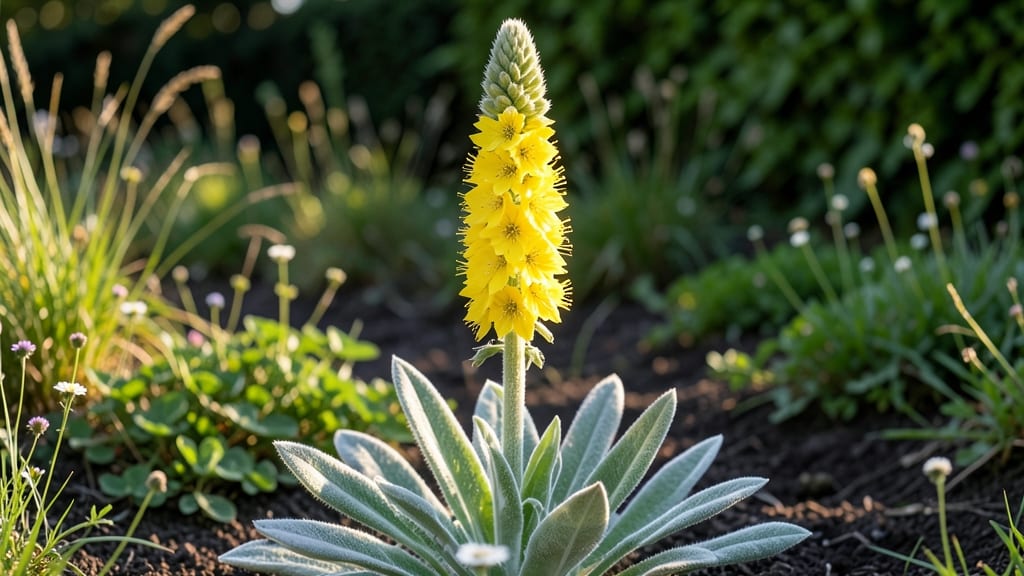
Growing mullein leaf (Verbascum thapsus) feels like cultivating a low-maintenance medicinal powerhouse—tall, fuzzy stems and velvety leaves that thrive where other plants struggle. 🌿 I planted mine last spring in a forgotten corner of the garden, and by summer, it was already sending up its signature 5-foot-tall flower spikes.
The best part? This biennial plant practically grows itself once established, making it perfect for gardeners who want results without constant fuss.
Mullein loves full sun and tolerates poor soil, drought, and even rocky ground—ideal for neglected patches or wildflower meadows. Start with seeds in early spring or fall, pressing them lightly into well-draining soil.
The first year produces a rosette of leaves, while the second year delivers those iconic yellow flower spikes that bees adore. No fancy fertilizers or pampering needed; just water occasionally once established.
Harvest leaves anytime, but peak potency comes before flowering. The fuzzy, lance-shaped leaves make a soothing tea for respiratory ailments or can be crushed to repel pests like aphids. I’ve used them to treat minor burns and coughs, and the plants keep coming back year after year.
Once you grow mullein, you’ll never want to dig it up—it’s that reliable.
Pro tip: Deadhead spent flowers to encourage more leaf growth, and save seeds for next year’s crop. Mullein spreads easily, so give it space or contain it in a large pot.
Whether you’re growing it for medicine, pollinators, or just a striking addition to the garden, this plant delivers big rewards with almost no effort—exactly what a busy gardener needs.
📚 In This Guide
- What you need
- Instructions
- Tips and common mistakes
- Wrapping up and next steps
What you need
- ● Mullein seeds: 1 packet (50–100 seeds, organic preferred for best results).
- ● Well-draining soil: 1 bag (1–2 cubic feet) of sandy loam or cactus/succulent mix (pH 6.0–7.5).
- ● Containers or garden bed: Option 1: 4–6-inch deep pots (3–5 pots for spacing).
- ● Option 2: Open garden bed (full sun, 6+ hours daily).
- ● Watering can or hose: With a gentle spray nozzle (avoid overwatering!).
- ○ Gloves (optional but recommended): To protect hands from prickly stems.
- ● Seed-starting tray: For indoor germination (if sowing early).
- ● Compost or worm castings: 1 cup mixed into soil for nutrient boost.
- ● Mulch (straw or gravel): To retain moisture and deter weeds.
- ● Pruning shears: For harvesting mature leaves (sterilized with rubbing alcohol).
- ● Label markers: To track planting dates (mullein has a 2-year life cycle!).
Step-by-step guide to cultivating mullein leaves
This hardy perennial thrives with almost no effort—here's how to coax its medicinal properties into your garden.
🌱 Step 1: Select the Perfect Planting Site
Mullein adores full sun—choose a spot receiving at least 6-8 hours of direct sunlight daily. I've found it tolerates poor, dry soil better than most herbs, but it rewards you best in well-draining locations. Avoid low-lying areas where water pools after rain.
Test your soil by squeezing a handful—if it stays clumped, amend with sandy loam or plant on a slight slope. Mullein's deep taproot seeks moisture underground, so even droughty sites work if the soil isn't compacted. The key is no standing water—this plant despises soggy roots.
🌿 Step 2: Prepare the Soil and Plant
Loosen the top 6 inches of soil with a garden fork or tiller, breaking up any compacted layers. Mullein's roots need space to establish, so avoid heavy tilling that could damage them later. Sprinkle a light layer of compost (about 1 inch) over the area—this improves drainage without adding excessive fertility.
Plant seeds ¼ inch deep in early spring after the last frost or in late summer for fall germination. Space them 12-18 inches apart—they'll self-seed aggressively if given room. Water gently after planting, but don't overdo it. The soil should feel damp but not soggy—think of a wrung-out sponge.
☀️ Step 3: Maintain With Minimal Care
Once established, mullein needs almost no maintenance. Water deeply once a week during the first growing season, then only when the soil feels bone-dry 2 inches below the surface. You'll know it's thirsty when the leaves start wilting slightly in the afternoon.
Fertilizer is rarely needed—too much nitrogen produces lush foliage but weakens the plant's medicinal properties. If your soil is truly barren, apply a balanced organic fertilizer (5-5-5 ratio) in early spring, but skip it entirely if the soil drains well. Mulch lightly with straw or wood chips to suppress weeds without smothering the young plants.
✂️ Step 4: Harvest and Propagate
Harvest leaves anytime after the first year when the plant reaches 12-18 inches tall. Use clean scissors to cut just above a leaf node—this encourages bushier growth. The best medicinal properties develop in second-year plants, so avoid heavy harvesting until then.
Mullein spreads easily through self-seeding. Let some plants flower and go to seed, then scatter them where you want new growth. You can also divide mature clumps in early spring by digging up the root and splitting it into sections with 3-4 stems each. Replant immediately at the same depth.
⏰ Step 5: Overwintering and Long-Term Care
Mullein's deep roots protect it from most winters, but young plants may need light mulching (2-3 inches of straw) in harsh climates. The plant goes dormant in cold weather but regrows vigorously in spring. Remove dead foliage in early spring to prevent disease.
Watch for rust fungus (orange spots on leaves) or aphids—both are rare but treatable. Spray affected areas with neem oil if needed. With proper spacing and minimal intervention, a single mullein plant can thrive for 5-10 years, providing a steady supply of medicinal leaves.
Tips & tricks for perfect mullein leaf cultivation
Between us, these small adjustments can transform your mullein from a struggling understudy to a thriving medicinal powerhouse.
Location Intelligence: That 6-8 hours of sunlight requirement isn't just a suggestion—it's non-negotiable for medicinal potency. I've seen mullein grow in partial shade, but the leaves develop significantly weaker compounds. If your yard has only partial sun, consider container growing near a south-facing window or balcony where it can get supplemental light. The plant's deep taproot actually helps it access moisture in dry, sunny conditions, so embrace those hot spots rather than avoiding them.
Soil Science Secret: The instructions mention sandy loam amendments, but here's what nobody tells you—mullein actually prefers soil that's slightly alkaline. If your soil tests acidic (pH below 7.0), add a handful of crushed eggshells or wood ash to the planting hole. This subtle pH adjustment boosts the plant's ability to absorb minerals like calcium and magnesium, which directly impact its medicinal properties. Test your soil before planting to avoid this common oversight.
Watering Wisdom: That damp but not soggy soil guideline is your golden rule. I learned this the hard way after watching mullein plants drown in containers with poor drainage. For container growing, use pots with drainage holes and a cactus/succulent soil mix. The deep watering schedule (bone-dry 2 inches down) works because mullein's taproot seeks moisture deep underground—surface watering creates weak, shallow roots that produce less potent leaves.
Harvesting Hack: The instructions recommend harvesting after the first year when plants reach 12-18 inches, but here's the pro move: harvest the youngest leaves first. These contain the highest concentration of mucilage and anti-inflammatory compounds. Use clean scissors to cut just above a leaf node, but leave at least half the plant intact to maintain growth. For medicinal preparations, harvest in the morning after dew has dried but before the heat of the day—this preserves the maximum concentration of volatile oils.
Pro Tips for Plant Mullein Leaf
- Between us, these small adjustments can transform your mullein from a struggling understudy to a thriving medicinal powerhouse.
- Location Intelligence: That 6-8 hours of sunlight requirement isn't just a suggestion—it's non-negotiable for medicinal potency.
- Soil Science Secret: The instructions mention sandy loam amendments, but here's what nobody tells you—mullein actually prefers soil that's slightly alkaline.
Frequently asked questions
Got questions about growing and using plant mullein leaf? You’re not alone! Here are answers to the most common inquiries—from beginners to seasoned gardeners.
How long does it take for mullein leaves to grow large enough to harvest?
Mullein leaves are ready for harvest in their first year, typically 6–12 weeks after planting, when they reach 6–12 inches tall. For the largest, most potent leaves, wait until late spring or early summer. Pro tip: Avoid harvesting during the plant’s flowering stage—focus on the basal rosette for maximum medicinal benefits!
Can I grow mullein indoors, or does it need full sun?
Mullein thrives outdoors in full sun (6+ hours daily) and struggles indoors due to its love for light and space. If you must try it inside, place it near a south-facing window and supplement with a grow light. Warning: Mullein’s taproot makes it tricky to transplant later—start seeds directly in the garden for best results!
How do I store fresh mullein leaves for later use?
Fresh leaves keep in the fridge for 3–5 days in a sealed container with a paper towel to absorb moisture. For long-term storage, dry them: Tie stems in bundles and hang upside down in a dark, well-ventilated area for 1–2 weeks. Once brittle, store in airtight jars away from light. Bonus: Dried leaves retain potency for up to 1 year!
What’s a good alternative if mullein doesn’t grow well in my climate?
If mullein struggles in your zone (it prefers USDA Zones 3–9), try these resilient, medicinal leafy greens:
- Plantain (Broadleaf or Ribwort) – Similar lung-supportive properties, thrives in poor soil.
- Yarrow – Anti-inflammatory and easy to grow in partial shade.
- Calendula – Mildly medicinal, edible, and drought-tolerant.
Why are my mullein leaves turning yellow or spotted?
Yellowing or spotted leaves usually signal overwatering, fungal issues, or pests. Let soil dry between waterings—mullein tolerates drought better than soggy roots. For spots, remove affected leaves and improve airflow. Pests like aphids? Spray with neem oil or introduce ladybugs. Prevention: Space plants 1–2 feet apart to reduce humidity-related problems.
Wrapping up and next steps
Growing plant mullein leaf is a rewarding journey that brings a versatile, low-maintenance medicinal powerhouse right to your garden or windowsill! 🌱 With its hardy nature and impressive benefits—from respiratory support to skin healing—this plant proves that nature’s pharmacy is just a seed away.
Whether you’re a seasoned gardener or a curious beginner, its ease of care makes it the perfect addition to your green space.
Ready to harness its magic? Start small—plant a few seeds or cuttings today, and watch your mullein thrive with minimal effort. Your future self (and your wellness routine) will thank you! 💚