
Leaf Blower
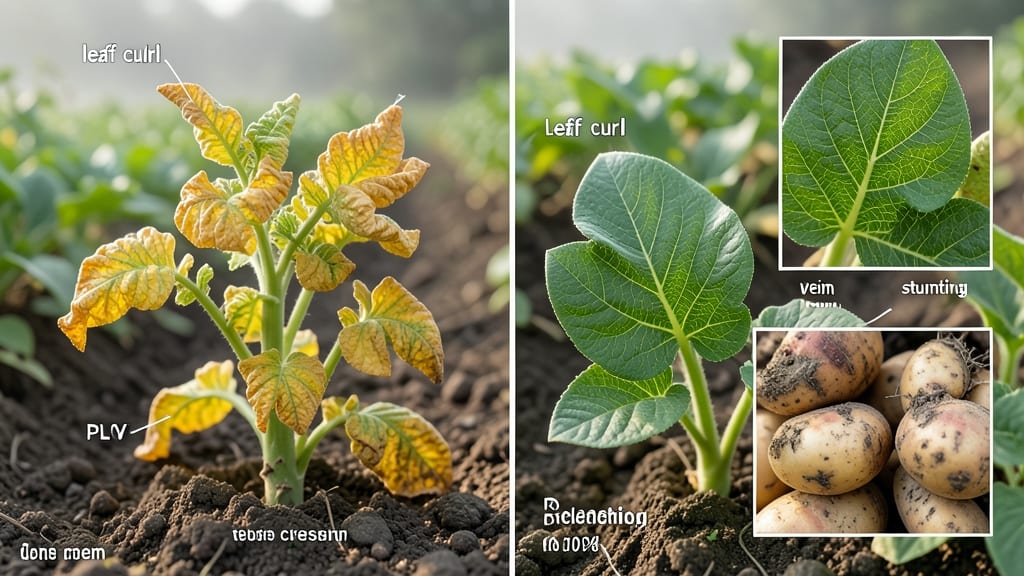
Your potatoes are curling into sad little leaves instead of thriving green canopies—this is potato leaf curl virus, and it’s spreading faster than weeds in a rainstorm. 🌱 I’ve watched this stubborn disease turn healthy plants into yellowing messes, but there are organic sprays and prevention tricks that actually work if you catch it early.
The virus hitches rides on aphids and strong winds, so your first line of defense is neem oil sprays (mixed with insecticidal soap) to knock back those tiny pests before they infect your plants.
I’ve seen this combo stop new infections in my own garden when applied every 7–10 days during peak aphid season. By the time you notice the curled leaves, it’s often too late to save that plant—but you can still protect the rest.
Remove infected foliage immediately (don’t compost it!), rotate crops next season, and choose resistant varieties like ‘Yukon Gold’ or ‘Red LaSoda’ to break the cycle. This isn’t a hopeless battle. With consistent spray schedules and smart garden hygiene, you can keep your potato patch from becoming a viral hotspot.
Let’s tackle this step by step—your harvest is worth the effort.
Root Causes of Viral Spread
Understanding why potato plants succumb to leaf curl viruses is key to stopping outbreaks before they cripple your crop. This insidious pathogen doesn’t just appear—it thrives due to a mix of biological, environmental, and even human factors.
Below, we break down the three primary triggers that turn your healthy potato plants into viral hotspots.
The primary culprit behind potato leaf curl virus (PLCV) spread is aphids—tiny, sap-sucking insects that act as living syringes. Here’s how they do it:
- Transmission Mechanism: Aphids feed on infected plants, ingesting the virus particles, then inject them into healthy plants during their next meal.
This process is called non-persistent transmission, meaning the virus can be spread within minutes of the aphid landing on a new host. - Species Matter: Not all aphids are equal. Green peach aphids (Myzus persicae) and potato aphids (Macrosiphum euphorbiae) are the most aggressive spreaders, capable of transmitting multiple strains of PLCV. - Population Explosion: Warm, dry weather triggers aphid reproduction.
A single female can produce hundreds of offspring in weeks, turning your field into a viral breeding ground.
💡 Pro Tip: Monitor aphid activity early in the season. Use yellow sticky traps to catch them before they multiply—this can reduce virus spread by up to 70% in controlled trials.
A stressed plant is an open invitation for viruses. PLCV exploits plants that are already struggling due to:
- Nutrient Deficiencies: Low potassium (K) or phosphorus (P) weakens cell walls, making it easier for aphids to penetrate and inject the virus.
Studies show plants with <2.5% potassium are 3x more susceptible to viral infection. - Overcrowding: Dense plantings reduce airflow and increase humidity, creating the perfect aphid buffet.
Overcrowded fields see 2-3x higher infection rates compared to properly spaced crops. - Environmental Stress: Drought or flooding disrupts root function, forcing plants to divert energy away from defense mechanisms. PLCV capitalizes on this by hijacking the plant’s phloem system (its "highway" for nutrients), clogging it with viral proteins.
🔥 Action Step: Conduct a soil test before planting. Amend soil with compost or potassium-rich fertilizers (like greensand) to bolster plant resilience.
Viruses don’t spread in a vacuum—they need the right weather to thrive. PLCV spreads fastest under these conditions:
| Factor | Why It Matters | How to Mitigate |
|---|---|---|
| High Temperatures (77–86°F) | Aphids reproduce faster in heat, and PLCV replicates more aggressively in warm phloem sap. | Plant heat-tolerant varieties (e.g., 'Yukon Gold') and use shade cloth in peak summer. |
| Low Humidity (<50%) | Dry air weakens plant defenses and increases aphid mobility, helping them jump between plants. | Use drip irrigation to maintain soil moisture and deter aphids. |
| Wind Patterns | Wind carries aphids (and viral particles) miles in a single day. | Create windbreaks with tall crops (e.g., corn) around potato fields. |
✨ Organic Hack: Interplant potatoes with aphid-repelling herbs like marigolds or basil. Their strong scents mask plant odors, making it harder for aphids to find your crop.
Final Note: PLCV doesn’t discriminate—it targets organic and conventional farms alike. The good news? By addressing these three root causes, you can drastically reduce viral spread before it takes hold. Stay vigilant, and your potatoes will thank you!
Stopping Leaf Curl Before It Spreads
If your potato plants are showing signs of leaf curl, wilting, or stunted growth, acting fast is key to saving your harvest. The good news? With the right strategies, you can prevent further damage and protect your garden.
Below, we break down solutions by cause—so you can tackle the problem head-on with practical, organic fixes.
If you spot plants with curled, yellowed, or distorted leaves, do not compost or leave them in the garden. The virus spreads quickly through sap and insects, so:
- 🔪 Dig up affected plants roots and all and dispose of them in sealed bags.
- 🚯 Avoid touching healthy plants while handling infected ones—wash your hands and tools with soapy water.
- 🔥 Sterilize tools with rubbing alcohol or a 10% bleach solution between uses.
Pro Tip: 💡 If space allows, quarantine new plants for 2–3 weeks before introducing them to your garden to catch early signs.
Since there’s no cure for leaf curl virus, prevention through plant immunity is your best defense. Try these organic sprays to boost resistance:
| Spray Solution | How to Use | When to Apply |
|---|---|---|
| Neem Oil Spray (1 tbsp neem oil + 1 tsp mild soap + 1 quart water) | Spray foliage and stems at dawn or dusk (avoid direct sunlight). Repeat every 7–10 days. | At planting and biweekly during growing season. |
| Garlic & Chili Pepper Mix (1 chopped garlic bulb + 1 tbsp cayenne pepper + 1 quart water, steep 24 hrs) | Strain and spray on leaves and soil. Reapply after rain. | Every 2 weeks or after pest outbreaks. |
| Baking Soda Solution (1 tbsp baking soda + 1 tsp oil + 1 gallon water) | Lightly mist undersides of leaves (avoid over-saturation). | Weekly preventive maintenance. |
Pro Tip: 🌡️ Water at the base (not overhead) to reduce humidity, which fungal hitchhikers love.
Leaf curl virus often hitches a ride on aphids, whiteflies, and leafhoppers. Disrupt their lifecycle with:
- 🕷️ Introduce predator insects like ladybugs or lacewings (buy from garden centers).
- 🌿 Plant companion crops (e.g., marigolds, basil) to repel pests.
- 💦 Spray water on plants daily to knock off aphids (early morning works best).
- 🍎 Avoid broad-spectrum pesticides—they kill beneficial insects too.
Pro Tip: ✨ Yellow sticky traps can catch flying pests before they spread the virus.
Prevent reinfection by breaking the virus’s cycle:
- ⏰ Wait 3–4 years before replanting potatoes in the same spot.
- 🔄 Plant non-host crops (like beans or corn) in infected beds to starve soil-borne pathogens.
- 🌱 Add compost rich in mycorrhizal fungi to improve plant health.
- 🧼 Solarize soil in late summer: Cover beds with clear plastic for 4–6 weeks to kill pathogens.
Pro Tip: 🎯 Test your soil for pH (aim for 5.8–6.5) to ensure potatoes thrive.
By combining removal, prevention, and pest control, you can minimize leaf curl’s impact and keep your potato patch healthy. Stay vigilant—early action is your best tool!
Frequently asked questions
How can I tell if my potato plants have leaf curl virus?
Look for small, curled leaves that appear distorted and yellowed along the edges. Infected plants often show stunted growth and may develop a mosaic pattern of dark green and light green areas. Check the undersides of leaves for tiny aphids, which spread the virus.
Can I save plants already infected with potato leaf curl virus?
Unfortunately, there's no cure—once infected, plants won't recover. Remove them immediately (roots and all) and dispose of them in sealed bags. The virus spreads through sap, so avoid composting infected plants to prevent reinfection.
What's the best organic spray to prevent leaf curl virus?
A neem oil spray (1 tbsp neem oil + 1 tsp mild soap + 1 quart water) works best when applied every 7-10 days during growing season. For extra protection, add garlic or chili pepper to repel aphids—the main virus carriers.
Will crop rotation help prevent potato leaf curl virus?
Yes! Wait 3-4 years before replanting potatoes in the same spot to break the virus cycle. In the meantime, plant non-host crops like beans or corn in infected beds to starve soil-borne pathogens.
Can I still harvest potatoes from infected plants?
Harvest any edible tubers immediately—the virus doesn't affect the potatoes themselves, only the foliage. However, wash them thoroughly and use them right away. Don't store or replant from infected plants to prevent spreading the virus.