
Leaf Blower
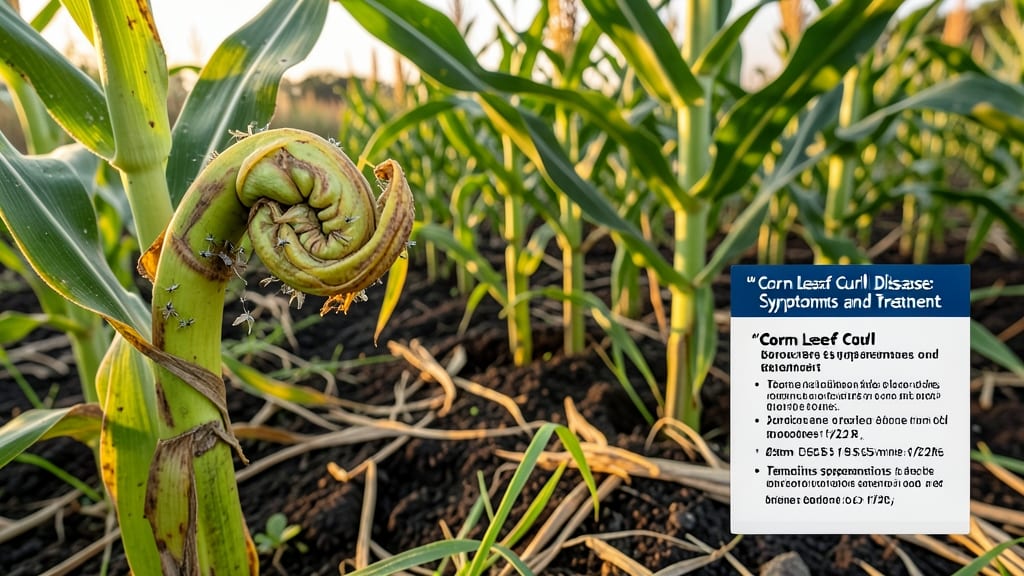
That first sight of curled, yellowing leaves on your corn plants hits like a gut punch—especially when you’ve poured so much into the garden. 🌱 Corn leaf curl isn’t just ugly; it stunts growth, slashes yields, and spreads faster than weeds in a summer downpour.
The good news? Copper spray isn’t just a bandage—it’s precision medicine when applied right.
Here’s the hard truth: leafhoppers (those tiny, winged pests) are the real villains, carrying the virus that triggers this disease. Warm, humid climates? Perfect breeding ground. But copper spray disrupts the fungus’s lifecycle and deters leafhoppers—if you time it correctly.
The key is catching it early, before the damage spirals. I’ve seen gardens bounce back in weeks with the right approach.
You’ll start by removing infected plants immediately (yes, even if they’re half-grown). Then, mix your copper spray (1 tablespoon per gallon of water) and apply it at dusk to avoid burning leaves.
Repeat every 7–10 days until new growth stays crisp and green. The payoff? Corn plants that outgrow the disease instead of surrendering to it.
This works for tomatoes and peppers too—just adjust the spray frequency based on heat and humidity. The secret weapon? Consistency. One spray won’t cut it; it’s a marathon, not a sprint. But trust me, your harvest will thank you.
The Hidden Triggers Behind Plant Stress
Corn leaf curl—whether caused by fungal infections, viral agents, or environmental strain—rarely appears out of nowhere. Understanding the root causes helps farmers and gardeners take preventive action before symptoms spiral. Below, we break down the key factors that create the perfect storm for leaf distortion, curling, and stunted growth.
The most notorious culprit behind corn leaf curl is the Corn Leaf Curl Virus (CLCuV), transmitted exclusively by insect vectors. Here’s how it works:
- 🐜 Insect-Mediated Spread: The virus hitches a ride on corn leafhoppers (Dalbulus maidis), which feed on infected plants and inject the virus into healthy ones via their saliva. A single leafhopper can spread the virus to hundreds of plants in a season.
- 🌿 Systemic Infection: Once inside, CLCuV disrupts the plant’s phloem tissue (the "highway" for nutrients and water), causing cells to swell abnormally. This leads to the signature cupping, thickening, and stunted growth of leaves.
- 🌡️ Warm, Dry Conditions: Viral spread peaks in temperatures above 75°F (24°C) and low humidity. Drought-stressed plants are 3x more susceptible to infection because their weakened defenses make them easier targets.
Pro Tip: 💡 Monitor leafhopper populations early in the growing season. Use yellow sticky traps to catch them before they multiply—reducing viral spread by up to 60%.
While viruses dominate headlines, fungal pathogens like Bipolaris maydis (causal agent of gray leaf spot) and Cercospora species exploit stressed corn to trigger curling and necrosis. Here’s why:
| Fungal Factor | How It Works | Trigger Conditions |
|---|---|---|
| Spores in Soil | Fungi overwinter in crop residue or soil, releasing spores when conditions are ideal. | Cool nights (<60°F/15°C) + wet foliage (dew or rain). |
| Poor Airflow | Dense plantings or lack of row spacing trap humidity, creating a fungal-friendly microclimate. | Stagnant air + >75% humidity for >24 hours. |
| Nutrient Imbalance | Excess nitrogen or potassium deficiency weakens cell walls, making leaves easier targets for fungal invasion. | Soil pH <5.5 or NPK ratios skewed toward N. |
Pro Tip: ✨ Rotate crops with non-grass families (e.g., legumes) to break fungal life cycles. Copper-based sprays (like the one we’ll cover later) disrupt fungal spores on contact.
Even without pathogens, extreme or inconsistent growing conditions force corn to curl its leaves as a survival tactic. Here’s what pushes plants to the brink:
- 💧 Water Woes:
- Drought Stress: Roots struggle to absorb water, causing leaf edges to curl upward (a way to reduce water loss).
- Overwatering: Compacted soil cuts off oxygen, leading to anaerobic roots and downward curling as leaves gasp for air.
- 🌡️ Temperature Swings:
- Heat Shock: Temperatures above 95°F (35°C) scramble cell membranes, causing leaf cupping within days.
- Cold Snaps: Below 50°F (10°C) slows nutrient uptake, leading to purpling and curling in young leaves.
- 🌬️ Wind and Physical Damage:
- High winds desiccate leaf edges, mimicking drought stress. Hail or mechanical injury (e.g., from tillage) triggers abnormal growth patterns as the plant repairs itself.
Pro Tip: 🌡️ Use mulch or drip irrigation to stabilize soil moisture. For heat stress, shade cloth (30-50%) can reduce leaf curling by 40%.
Sometimes, well-intentioned farming choices create the perfect conditions for leaf curl. Watch for these red flags:
- 🌾 Overcrowded Plantings: Dense rows (12 inches apart) restrict airflow, trapping humidity and fungal spores.
- 🚜 Poor Soil Health: Compacted or nutrient-depleted soil limits root growth, forcing plants to conserve resources by curling leaves.
- 🌱 Delayed Planting: Late-season corn faces shorter daylight and cooler soils, weakening its ability to fight stress.
- 🧴 Pesticide Overuse: Broad-spectrum chemicals (e.g., neonicotinoids) can kill beneficial insects that prey on leafhoppers, indirectly increasing viral spread.
Pro Tip: 🎯 Test soil before planting—aim for pH 6.0-6.8 and balanced NPK (e.g., 10-10-10). Reduce tillage to preserve soil structure and microbial life.
Quick Fixes for Leaf Distress
When your corn leaves start curling, yellowing, or showing signs of fungal spots, acting fast can save your crop. Below are targeted solutions mapped to common causes—whether it’s viral infections, fungal pressure, or environmental stress.
Each fix is designed to be practical, cost-effective, and easy to implement, even for busy gardeners.
If your corn leaves are developing dark spots, scabs, or powdery mildew, copper-based fungicides are your best defense. Copper disrupts fungal spores without harming plants (when used correctly).
How to Apply:
- 🔥 Choose the Right Spray: Opt for a copper hydroxide or copper sulfate solution (e.g., Bordeaux mixture or liquid copper fungicide).
- 🍳 Mix It Up: Follow label instructions—typically 1–2 tablespoons per gallon of water for spot treatments.
- 👨🍳 Spray Early & Evenly: Apply at dawn or dusk (when humidity is high) to maximize adhesion. Focus on undersides of leaves and stems.
- ⏰ Repeat Weekly: Fungal spores spread fast—reapply every 7–10 days or after rain.
✨ Pro Tip: Add a sticker spray (like horticultural oil) to help the copper stick better in rainy conditions.
If your corn shows stunted growth, thickened veins, or curled leaves (classic signs of corn leaf curl virus), prevention is key—there’s no cure once infected.
How to Prevent Spread:
- 🎯 Remove Infected Plants: Dig up and destroy severely curled leaves to stop the virus from spreading via aphids.
- 🛡️ Use Reflective Mulch: Silver or aluminum mulch confuses aphids (the virus’s primary carrier) and reduces landings by up to 70%.
- 💡 Plant Resistant Varieties: Choose hybrid corn varieties labeled "leaf curl resistant" (e.g., ‘Pioneer 33T28’ or ‘DeKalb DKC65-55’).
- 🐜 Control Aphids: Spray with neem oil or introduce ladybugs to keep aphid populations low.
🔥 Warning: Avoid chemical sprays like imidacloprid—they can kill beneficial insects that help control aphids naturally.
Heat, drought, or poor soil can mimic leaf curl by causing curling, yellowing, or stunted growth.
Quick Adjustments:
| Issue | Fix |
|---|---|
| Drought Stress | 💧 Water deeply 2x/week (early morning) and mulch with straw. |
| Nutrient Deficiency | 🌱 Side-dress with compost or use a balanced fertilizer (10-10-10). |
| Heat Scorch | 🌿 Provide shade cloth (30–50%) if temps exceed 90°F (32°C). |
| Poor Drainage | 🏗️ Raise beds or amend soil with perlite/sand for better airflow. |
💡 Pro Tip: Morning watering reduces fungal risk (leaves dry faster) and prevents heat stress.
Stop leaf issues before they start with these low-effort habits:
- 🌱 Rotate crops every 3 years to break disease cycles.
- 🍃 Test soil pH (aim for 6.0–7.0 for corn) and amend if needed.
- 🕵️ Scout weekly for early signs of curl, spots, or pests.
- 🌿 Keep the garden clean—remove weeds and debris where fungi/viruses hide.
Final Note: Act fast, but don’t over-treat. Copper sprays and cultural fixes work best when used strategically, not as a last resort. For severe cases, consult a local agricultural extension office—they often offer free soil/pest testing!
Frequently asked questions
Can copper spray harm beneficial insects like bees or ladybugs?
Copper-based sprays are generally safe for bees when applied after sunset or during cooler hours when pollinators are less active. However, avoid spraying directly on blooming plants to protect foraging insects. Ladybugs and other beneficial predators are also less affected than pests, but always apply in the evening to minimize collateral damage.
How do I tell if my corn has viral leaf curl or just heat stress?
Viral leaf curl shows thickened, puckered veins and stunted growth from the plant’s base, while heat stress causes edge curling and yellowing only on newer leaves. Check for aphids (common carriers of the virus) and test soil moisture—if roots are dry, it’s likely drought/heat, not a virus.
Will removing infected plants really stop the virus from spreading?
Destroying infected plants within 48 hours of noticing symptoms can reduce viral spread by up to 80%. Burn or bury curled leaves (don’t compost them) and sanitize tools with rubbing alcohol. This breaks the cycle before leafhoppers migrate to healthy plants.
Can I use copper spray on tomatoes and peppers too?
Yes! Copper sprays work on tomatoes, peppers, and other solanaceous plants for fungal diseases like early blight. Just reduce the concentration to 1 tablespoon per gallon and apply at dawn/dusk. Avoid spraying fruit directly to prevent copper residue buildup.
What if my soil is too acidic for copper sprays?
Copper works best in slightly acidic to neutral soil (pH 6.0–7.0). If your soil is below pH 5.5, raise it gradually with lime before applying copper. For urgent fungal issues, use a lower copper concentration (½ tablespoon/gallon) and monitor plants closely for sensitivity.