
Leaf Blower
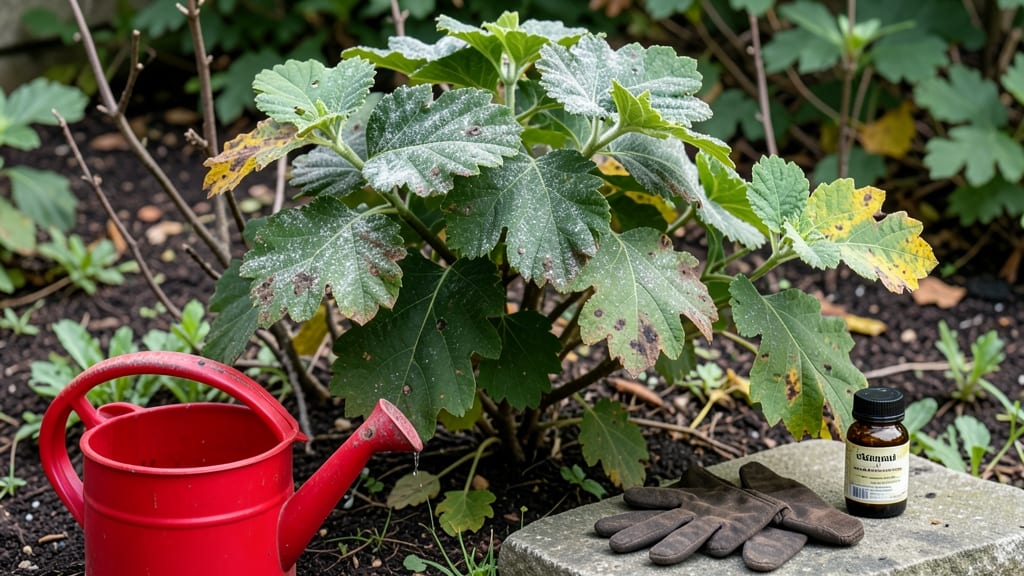
The problems with oak leaf hydrangeas can turn your garden into a seasonal disappointment—but with the right care, those crisp leaves become a thing of the past. 🌿 I've seen everything from leaf scorch to powdery mildew ruin what should be a drama-free shrub, and I'm here to help you diagnose and fix it before it spreads.
The real villain is often a mix of poor drainage, overwatering, or fungal spores hiding in last year's leaves. My oak leaf hydrangeas used to look like they'd been through a leaf blower in July until I adjusted my watering schedule and cleared the mulch.
The difference was night and day—lush, glossy foliage all season long. You'll learn to spot the early warning signs (yellowing edges, white powder, tiny webs) and take action before your plant throws in the towel.
With the right care, your hydrangea will bounce back stronger than ever, proving that even "problem" plants can be turned around. This works for both in-ground shrubs and container-grown plants. Let's get your oak leaf hydrangea back to its glory days!
Root Causes Behind Oak Leaf Hydrangea Struggles
Oak leaf hydrangeas (Hydrangea quercifolia) are prized for their stunning foliage and adaptability, but when they start showing signs of distress—like yellowing leaves, poor blooms, or early leaf drop—it’s usually a sign that something fundamental is off.
Understanding the why behind these issues helps you address them before they spiral. Let’s break down the science and environmental triggers that turn your hydrangea’s lush beauty into a botanical mystery.
Oak leaf hydrangeas thrive in USDA Zones 5–9, but they’re sensitive to extreme conditions outside their comfort zone. Here’s how temperature plays a role:
- Heat Stress: Prolonged exposure to temperatures above 90°F (32°C) causes leaves to scorch, curl, or drop prematurely. High heat disrupts photosynthesis by closing stomata (leaf pores), reducing water uptake and nutrient absorption. Symptoms: Brown, crispy edges on leaves, wilting despite moist soil.
- Cold Damage: Young plants or those in Zone 5 can suffer from late spring frosts (<32°F/0°C) or early fall freezes. Cold snaps damage meristem tissue (growth points), leading to stunted growth or dead branches. Symptoms: Blackened leaf tips, delayed spring foliage, or no blooms.
- Winter Desiccation: In dry winter climates (e.g., Zone 7+), wind and low humidity cause leaves to dry out even under snow. This winter burn appears as brown, papery patches. Pro Tip: Mulch heavily (4–6 inches) and use burlap windbreaks to protect plants.
💡 Fix It: Choose a microclimate with afternoon shade in hot zones, and group plants to create a protective buffer. For cold snaps, wrap young plants in frost cloth (remove by late winter to avoid fungal buildup).
Oak leaf hydrangeas have semi-deciduous habits—they keep foliage year-round in mild climates—but their roots are not drought-tolerant. Water issues are the #1 culprit behind leaf problems.
| Problem | Why It Happens | Symptoms |
|---|---|---|
| Underwatering | Roots dry out, triggering abscisic acid (a stress hormone) that causes leaf drop. Hydrangeas need 1–1.5 inches of water weekly (more in containers). | Wilting, dry leaf edges, crinkled foliage, or leaves curling upward. |
| Overwatering | Soggy soil cuts off oxygen to roots, leading to root rot (caused by Phytophthora fungi). Hydrangeas hate waterlogged conditions. | Yellowing leaves (starting at base), mushy stems, foul-smelling soil, or stunted growth. |
| Inconsistent Watering | Fluctuating moisture stresses roots, causing osmotic shock. Plants can’t regulate nutrient uptake, leading to chlorosis (yellowing). | Patchy yellow leaves, weak stems, or leaf scorch. |
💡 Fix It:
- Water deeply 2–3 times per week (early morning) rather than daily shallow watering.
- Use mulch (3–4 inches of shredded bark) to retain moisture and regulate soil temp.
- Check soil moisture with your finger—if the top 2 inches are dry, it’s time to water.
- For containers, ensure pots have drainage holes and elevate them to prevent root suffocation.
Oak leaf hydrangeas prefer acidic, well-draining soil (pH 4.5–6.0), but poor soil conditions—whether too alkaline, compacted, or nutrient-deficient—can derail their health.
- Alkaline Soil (High pH): Locks out iron, manganese, and zinc, causing iron chlorosis (yellow leaves with green veins). Common in clay or limestone-heavy soils.
- Compacted Soil: Restricts root growth and oxygen flow, leading to anaerobic stress. Roots can’t absorb water/nutrients efficiently.
- Nitrogen Deficiency: Leads to pale, yellowing leaves (starting on older foliage). Hydrangeas need balanced NPK (10-10-10) but hate excess nitrogen, which promotes leafy growth at the expense of blooms.
- Over-Fertilization: Too much salt (from fertilizers) burns roots, causing fertilizer burn. Symptoms: Brown leaf tips, crispy edges, or leaf drop.
💡 Fix It:
- Test soil pH with a home kit or send a sample to a lab. Amend alkaline soil with elemental sulfur or peat moss.
- Improve drainage by adding compost or perlite to heavy clay soils.
- Fertilize once in early spring with a balanced, slow-release fertilizer (avoid high-nitrogen formulas).
- For chlorosis, apply chelated iron (like Ironite) or use acid-loving plant food.
While oak leaf hydrangeas are not as prone to fungal diseases as other hydrangeas (like H. macrophylla), they’re still targeted by pests and occasional pathogens. Here’s what’s likely gnawing on your plant:
- Spider Mites: Tiny pests that thrive in dry, hot conditions. They suck sap, causing stippled, yellowing leaves and fine webbing. Severe infestations lead to premature leaf drop.
- Scale Insects: Sap-sucking bugs that appear as brown/white bumps on stems and leaves. They excrete honeydew, which attracts sooty mold (a black fungal growth).
- Japanese Beetles: Adults chew notches in leaves, skeletonizing foliage. Larvae (grubs) feed on roots, weakening the plant.
- Powdery Mildew: A fungal issue (not bacterial!) that appears as white, powdery patches on leaves. It thrives in humid, shaded conditions with poor air circulation.
💡 Fix It:
Quick Fixes for Common Oak Leaf Hydrangea Issues
Oak leaf hydrangeas are prized for their stunning year-round foliage, but when problems strike, they can leave gardeners frustrated. The good news? Most issues have simple, effective solutions—whether it’s reviving wilted leaves, preventing pests, or ensuring vibrant blooms.
Below, we’ve mapped the most common problems to practical fixes, so you can get your hydrangea back to its lush, healthy glory in no time.
If your oak leaf hydrangea’s leaves are turning yellow or drooping, the culprit is often overwatering, underwatering, or poor drainage. Here’s how to diagnose and fix it:
💧 Overwatering or Poor Drainage
- Fix: Let the top 1–2 inches of soil dry out between waterings. If your plant is in a pot, ensure it has drainage holes.
- Prevention: Amend heavy or clay soil with compost or perlite to improve aeration.
Mulch around the base (but not touching the stem) to retain moisture without suffocating roots. - Pro Tip: 🌡️ If the soil smells sour or feels soggy, your hydrangea is likely drowning. Adjust your watering routine immediately.
💦 Underwatering or Drought Stress
- Fix: Water deeply until the soil is moist 6–8 inches down. Oak leaf hydrangeas prefer consistently moist (not soggy) soil.
- Prevention: Install a drip irrigation system or soaker hose for slow, steady hydration.
Group plants together to create a microclimate that retains moisture.
🍂 Nutrient Deficiency (Yellowing with Green Veins)
- Fix: Fertilize with a balanced, slow-release fertilizer (10-10-10) in early spring.
For a quick boost, use a liquid iron supplement if leaves appear pale. - Prevention: Test your soil every 2–3 years and amend with compost or organic matter to replenish nutrients.
Oak leaf hydrangeas can attract aphids, spider mites, or scale insects, but you don’t need harsh chemicals to evict them.
🔥 Aphids or Spider Mites
- Fix:
- Blast them off with a strong stream of water from your hose.
- Spray with neem oil (1 tsp per quart of water) or insecticidal soap.
Repeat every 5–7 days until gone. - Prevention: Encourage ladybugs and lacewings—natural predators of aphids—by planting companion flowers like marigolds or dill nearby.
🛡️ Scale Insects (Bumpy, Brown Bumps on Stems)
- Fix:
- Scrape off visible scale with a soft brush or cotton swab dipped in rubbing alcohol.
- Apply horticultural oil (like dormant oil) in early spring to suffocate eggs and adults.
- Prevention: Prune and dispose of heavily infested stems immediately to stop the spread.
Oak leaf hydrangeas are prized for their showy summer flowers, but if yours is skipping the spectacle, it’s likely due to over-pruning, poor light, or lack of nutrients.
✂️ Pruning Mistakes
- Fix: Prune in late winter or early spring (before new growth starts). Remove dead or crossing branches but avoid cutting back more than 1/3 of the plant.
- Prevention: Never prune in fall—this removes next year’s flower buds!
Oak leaf hydrangeas bloom on old wood, so minimal trimming is key.
☀️ Insufficient Sunlight
- Fix: Move your hydrangea to a spot with partial shade (morning sun + afternoon shade works best). Too much direct sun can stress the plant.
- Prevention: If your hydrangea is in a container, rotate it occasionally for even light exposure.
🌱 Fertilizer for Flower Power
- Fix: Use a low-phosphorus fertilizer (like 10-6-10) in early spring to encourage foliage and blooms. Avoid high-phosphorus fertilizers, which can reduce flowers.
- Pro Tip: 🎯 Feed lightly—hydrangeas are sensitive to over-fertilizing. A handful of compost around the base is often enough!
If leaves are developing brown, crispy edges, your hydrangea is likely suffering from low humidity, salt buildup, or winter damage.
💧 Low Humidity or Salt Burn
- Fix:
- Mist leaves regularly in dry climates or place a tray of water near the plant.
- Flush the soil with water to remove excess salt (common if using tap water or fertilizers).
- Prevention: Use rainwater or distilled water if your tap water is hard.
Group plants together to increase humidity.
❄️ Winter Damage (Freeze or Thaw Stress)
- Fix: If leaves are brown but stems are still green, prune back damaged foliage in early spring.
The plant will regrow! - Prevention: Mulch heavily (4–6 inches) around the base before winter. In extreme climates, wrap young plants with burlap for extra protection.
Once you’ve addressed the immediate issue, preventative care will keep your oak leaf hydrangea looking its best year-round.
| Problem | Solution | Prevention Tip |
|---|---|---|
| Root rot | Repot in well-draining soil | Use pots with drainage holes |
| Powdery mildew | Spray with baking soda mix (1 tsp/L water) | Space plants for airflow, avoid overhead watering |
| Stunted growth | Test soil pH (aim for 5.5–6.0) | Amend soil with sulfur if too alkaline |
| Leaf scorch | Water deeply and consistently | Mulch to retain moisture |
Final Thought: Oak leaf hydrangeas are resilient—with the right care, they’ll bounce back stronger. Monitor your plant regularly, adjust watering and sunlight as needed, and don’t hesitate to prune problem areas. Before you know it, you’ll have a lush, vibrant hydrangea that’s the envy of the neighborhood! 🌿✨
Frequently asked questions
Why are my oak leaf hydrangea leaves turning brown and crispy at the edges?
This is likely leaf scorch, caused by inconsistent watering, low humidity, or salt buildup from tap water. Check if the soil is drying out too quickly or if you're using hard water. Try misting leaves regularly and flushing the soil with rainwater to remove excess salts. Mulch heavily to retain moisture and reduce stress.
Can I prune my oak leaf hydrangea in fall to encourage more blooms next year?
No! Oak leaf hydrangeas bloom on old wood, so pruning in fall removes next year's flower buds. Wait until late winter or early spring (before new growth starts) to prune. Just remove dead or crossing branches—never cut back more than 1/3 of the plant. This preserves next season's spectacular blooms!
What should I do if my hydrangea has white powdery spots on the leaves?
That's powdery mildew, a common fungal issue in humid conditions. Improve airflow by spacing plants apart and avoid overhead watering. Spray leaves with a baking soda mix (1 tsp baking soda + 1 quart water + a drop of dish soap) weekly until it clears. For severe cases, use neem oil as a natural fungicide.
My oak leaf hydrangea isn't blooming this year—what's wrong?
Lack of blooms usually means over-pruning, poor light, or insufficient nutrients. Check if you pruned too aggressively last year (they bloom on old wood). Move to partial shade if it's getting too much direct sun, and fertilize lightly in early spring with a low-phosphorus formula (like 10-6-10). A handful of compost around the base can also help!
How do I protect my oak leaf hydrangea from winter damage in cold climates?
Mulch heavily (4-6 inches) around the base before winter to insulate roots. In Zone 5 or colder, wrap young plants with burlap to protect against windburn. Remove any damaged foliage in early spring—healthy stems will regrow. Avoid pruning in fall as it removes next year's flower buds.