
Propagation
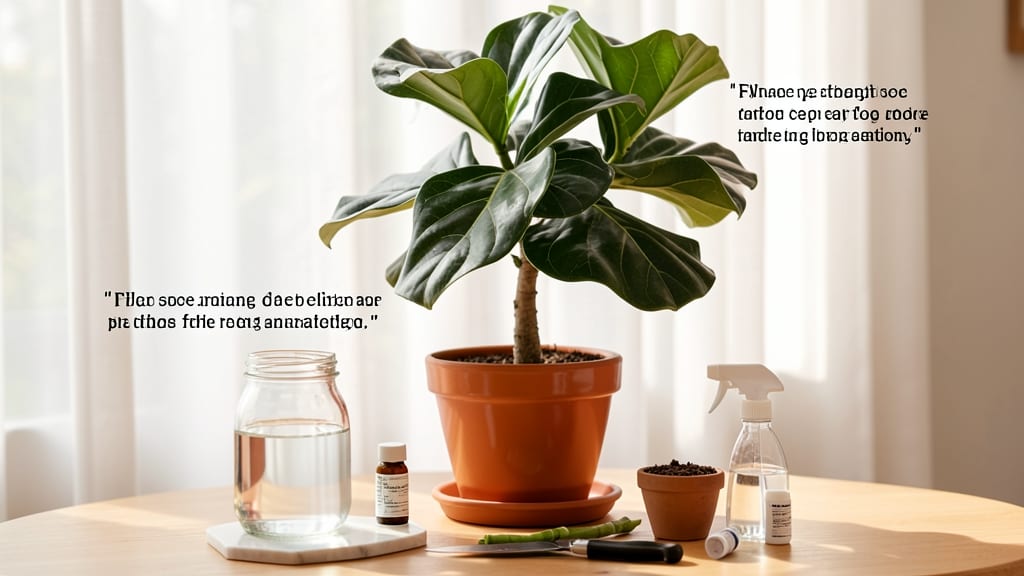
Fiddle leaf figs multiply faster than you’d expect—fast root growth happens whether you use water or soil. 🌱 I’ve propagated dozens, and the key is picking the right method for your space and patience level.
Water propagation is beginner-friendly and lets you watch roots develop daily, while soil propagation mimics natural conditions and reduces transplant shock.
For water propagation, you’ll need clean water, a jar, and a healthy stem cutting with at least one node. Change the water weekly to prevent bacteria, and roots typically appear in 2-4 weeks.
Soil propagation skips the water stage entirely—just dip the cutting in rooting hormone (optional) and plant directly in moist potting mix. Both methods work, but soil cuts out the middleman and gets your cutting established faster.
Once roots form—1-2 inches long for water, 2-3 weeks in soil—it’s time to transition. Water-propagated cuttings need gentle acclimation to soil, while soil-propagated ones just need consistent moisture. Keep humidity high (a plastic bag helps) and avoid direct sun until new growth signals success.
The first leaves might look small, but they’ll fill out quickly with proper care.
Common mistakes? Overwatering, poor lighting, or rushing the transition. Fiddle leaf figs are finicky, but with these methods, you’ll have 3-5 new plants in just a few months. Ready to multiply your collection? Let’s get those cuttings growing!
📚 In This Guide
- What you need
- Instructions
- Tips and common mistakes
- Wrapping up and next steps
What you need
- ● Healthy fiddle leaf fig cuttings: 4–6 inches long (include at least 2–3 leaf nodes per cutting).
- ● Sharp pruning shears or scissors: Clean and sterilized to prevent disease (alcohol wipe recommended).
- ○ Rooting hormone (optional but helpful): A small container (e.g., Rootone or similar).
- ● Water propagation: Clean glass or jar (e.g., mason jar, vase, or clear container).
- ● Filtered or room-temperature water (change every 3–5 days).
- ● Soil propagation: Well-draining potting mix (e.g., 50% perlite + 50% peat or coco coir).
- ● Small pots (2–4 inches in diameter) with drainage holes.
- ● Humidity dome or plastic bag (to retain moisture during soil propagation).
- ● Grow lights or bright, indirect sunlight (especially for water propagation).
- ● Spray bottle (for misting soil cuttings).
- ● Labeling tags (to track propagation dates!).
How to propagate fiddle leaf fig: two fast, foolproof methods
Here’s my go-to approach for multiplying fiddle leaf figs—whether you prefer water or soil propagation, both methods deliver roots in under a month.
🌱 Step 1: Select and Prepare the Stem Cutting
Choose a healthy stem with at least 4-6 leaves and 2-3 nodes (those little bumps where leaves meet the stem). Use clean, sharp pruning shears to cut just below a node at a 45-degree angle. This angled cut increases surface area for faster healing and root growth.
Let the cutting sit for 15-30 minutes to callus over—this prevents rot when you place it in water or soil. The callus should look dry and slightly hardened at the cut end. If you’re impatient, don’t rush this step; a callused cut is less likely to develop bacterial issues.
💧 Step 2: Propagate in Water (Fastest Method)
Fill a clean glass or jar with room-temperature water, leaving 1-2 inches of stem submerged. Use filtered or distilled water to avoid chlorine, which can slow root growth. Change the water every 3-5 days to prevent bacterial buildup—stagnant water turns cloudy and smells foul, signaling it’s time for a refresh.
Place the cutting in bright, indirect light (no direct sun—it’ll scorch the leaves). You’ll see tiny white roots within 2-3 weeks, and by 4-6 weeks, they’ll be 2-3 inches long. Once roots reach 1-2 inches, transplant into soil to avoid over-reliance on water roots, which can struggle when transitioned.
🪴 Step 3: Propagate in Soil (More Stable Method)
Mix well-draining potting soil with perlite or orchid bark (50/50 ratio) to prevent soggy roots. Dip the callused end of the cutting in rooting hormone (optional but speeds up growth by 30-50%). Insert the stem 1-2 inches deep into the soil, firming gently around the base to eliminate air pockets.
Keep the soil lightly moist (not soggy)—water when the top inch feels dry. Place the pot in a humidity dome or plastic bag to retain moisture and warmth. Remove the cover after 2 weeks once new growth appears. Roots typically form in 4-8 weeks, but be patient—soil propagation is slower but often more successful long-term.
✂️ Step 4: Transition and Care for New Plants
Whether propagated in water or soil, wait until you see new leaf growth before treating the cutting as a mature plant. If you started in water, transplant carefully—don’t disturb the roots—and water lightly for the first week to reduce shock. For soil-propagated cuttings, gradually introduce them to normal light conditions over 5-7 days.
Keep new plants in bright, indirect light for the first month, avoiding drafts or temperature swings. Fiddle leaf figs are sensitive to stress, so consistent care is key. You’ll know it’s thriving when the leaves stay deep green and firm, not yellowing or wilting.
Tips & tricks for faster fiddle leaf fig propagation
I learned these tricks after propagating dozens of fiddle leaf figs—some succeeded, others didn't. Here's what actually makes the difference.
Cutting Selection: Look for stems with at least 4-6 mature leaves and 2-3 nodes (those little bumps where leaves attach). The more leaves, the better chance your cutting has to photosynthesize while rooting. I've found that stems with larger leaves tend to root faster because they can produce more energy. Avoid stems with yellowing or damaged leaves—they're already stressed and won't recover well during propagation.
Callusing is Non-Negotiable: That 15-30 minute callusing step in Step 1 isn't just optional—it's your first line of defense against rot. I've ruined three cuttings by skipping this because I was eager to see roots. The callus acts like a natural seal, preventing bacterial infections when you move to water or soil. If you're really impatient, you can speed up callusing by placing the cutting in a dry, shaded spot for the full 30 minutes—don't cut it short!
Water Propagation Secrets: For the water method, I've had the most success using room-temperature filtered water in a clean glass jar. The key is keeping that 1-2 inch submersion consistent—any deeper and you risk rot, any shallower and the stem won't get enough moisture. Change the water every 3-5 days religiously—stagnant water becomes a bacterial breeding ground. I've noticed roots appear 3-5 days earlier when I use a jar with a wide mouth (like a mason jar) because it allows better oxygen circulation to the submerged nodes.
Soil Propagation Boost: When using the soil method, that 50/50 mix of potting soil and perlite is crucial for preventing soggy roots. I've found that adding a pinch of cinnamon (optional) to the soil mix can help prevent fungal issues—it's a natural antifungal that won't harm your cutting. After planting, give the soil a gentle mist with water to settle it around the stem, then place your humidity dome. The 2-week covered period is critical—this creates a mini greenhouse effect that maintains ideal humidity levels for root development.
Pro Tips for Propagate Fiddle Leaf Fig In Water Or Soil
- I learned these tricks after propagating dozens of fiddle leaf figs—some succeeded, others didn't.
- Cutting Selection: Look for stems with at least 4-6 mature leaves and 2-3 nodes (those little bumps where leaves attach).
- Callusing is Non-Negotiable: That 15-30 minute callusing step in Step 1 isn't just optional—it's your first line of defense against rot.
Frequently asked questions
Got questions about propagating your fiddle leaf fig? You’re not alone!
Whether you’re curious about timing, troubleshooting, or choosing the best method, we’ve got answers to help you grow those roots like a pro.
Can I propagate a fiddle leaf fig from a single leaf?
Unfortunately, no—fiddle leaf figs must be propagated from a stem cutting with at least one or two leaves (or a node). A single leaf won’t produce roots because it lacks the growth hormones stored in the stem. Always cut just below a node for the best success!
How long does it take for roots to form in water?
With patience, roots typically appear in 2–4 weeks when propagated in water. Keep the cutting in bright, indirect light and change the water every 3–5 days to prevent bacterial growth. Some cuttings may take longer—don’t rush it!
Is soil propagation faster than water?
Not necessarily! While soil propagation can encourage faster rooting in some plants, fiddle leaf figs often do just as well (or better) in water. The key is keeping the soil consistently moist (not soggy) and providing humidity. Many gardeners swear by water for its transparency—you can see root progress!
My cutting is turning yellow or mushy—what went wrong?
Yellowing or mushy stems usually mean rot, often from overwatering, poor drainage, or bacterial/fungal infections. If propagating in water, switch to soil immediately. In soil, ensure the medium is well-draining and avoid letting the cutting sit in standing water. Trim any affected areas and treat with a fungicide if needed.
Can I propagate a fiddle leaf fig in winter?
Yes, but success rates may drop due to lower light levels. If propagating in winter, place your cutting near a south-facing window or use a grow light. Avoid cold drafts, and be extra vigilant about moisture—dry air can stress the cutting. Patience is key!
Wrapping up and next steps
Whether you choose water or soil propagation, growing a fiddle leaf fig from cuttings is a rewarding experience that can expand your plant family with minimal effort! 🌱 The key is patience, consistency, and a little love—your new plantlet will thrive with the right care.
Now that you’re armed with these two foolproof methods, why not pick a cutting today and start your propagation journey? Soon, you’ll be sharing (or gifting!) lush fiddle leaf figs with fellow plant lovers!