
Propagation
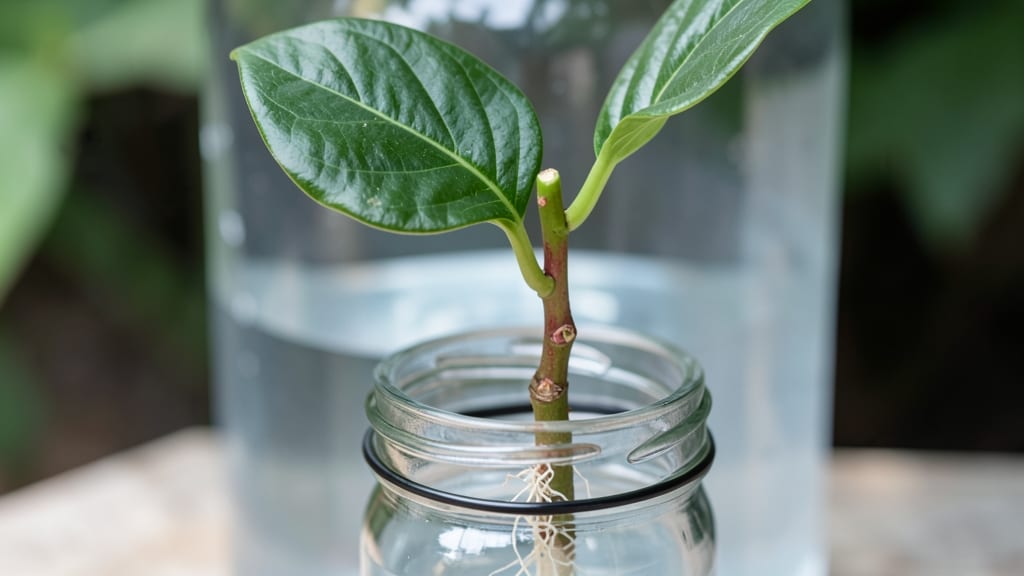
Propagating fiddle leaf figs in water is the easiest way to multiply your plant collection—no soil, no stress, just roots in 4 weeks. 🌱 I’ve rooted over a dozen cuttings this way, and the method works even for black thumbs like me.
The key? Healthy stems, clean water, and patience (though the results are worth it). You’ll need just three things: sharp pruners, a clean jar, and a bright spot with indirect light. Skip the fancy rooting hormones—water propagation is foolproof for fiddle leaf figs.
Start with 4-6 inch cuttings just below a leaf node, and watch those roots grow like magic. By week 4, you’ll have a jar full of roots ready to transplant. The best part?
These baby plants thrive faster than store-bought figs, and you’ll save money while filling your space with lush greenery. Works for any room with decent light, from sunrooms to offices. Here’s how to do it without a single failed cutting.
📚 In This Guide
- What you need
- Instructions
- Tips and common mistakes
- Wrapping up and next steps
What you need
- ● Healthy fiddle leaf fig cuttings: 4–6 inches long, with at least one node (the bump where leaves grow) per cutting. Aim for 3–5 cuttings for best results.
- ● Clean, sharp pruning shears or scissors: Disinfect with rubbing alcohol to prevent contamination.
- ● Room-temperature water: Use filtered or distilled water (tap water can harm roots over time). About 1–2 cups per cutting in a jar or vase.
- ● Clear glass jar or vase: Wide-mouth containers (like 8–12 oz mason jars) work best for visibility and airflow.
- ○ Rooting hormone: Speeds up root growth (optional but handy for faster results).
- ● Small pebbles or marbles: Place a few at the bottom of the jar to keep cuttings upright.
- ● Plant labels or masking tape: Mark jars with dates or cutting details to track progress.
- ● Grow lights (LED or fluorescent): If your space lacks bright, indirect light (e.g., 10–12 hours/day).
Step-by-step instructions for propagating fiddle leaf fig in water
Here's how to grow strong, healthy roots in just four weeks—no fancy tools or guesswork.
🌱 Step 1: Select and Prepare the Stem Cutting
Choose a healthy stem with at least 4-5 leaves and 1-2 nodes (the small bumps where leaves grow). Use clean, sharp scissors to cut just below a node at a 45-degree angle. This angled cut increases surface area for better root growth. I always pick stems from the lower part of the plant—they tend to be thicker and root faster.
Let the cutting sit for 1-2 hours before placing it in water. This allows the cut end to callus over slightly, reducing the risk of rot. You'll know it's ready when the cut surface looks slightly dry to the touch—no moisture should bead up.
💧 Step 2: Place the Cutting in Water
Fill a clean glass or jar with room-temperature water—never tap water straight from the faucet, as chlorine can harm the cutting. I use filtered or distilled water to avoid any hidden chemicals. Submerge the cut end 1-2 inches deep, ensuring the node is fully underwater. The leaves should stay dry to prevent rot.
Change the water every 3-4 days to keep it fresh and oxygenated. You'll notice tiny white bumps forming at the nodes within 1-2 weeks—these are the first signs of root growth. Keep the jar in bright, indirect light, like a north-facing window. Direct sunlight can overheat the water and stress the cutting.
🌿 Step 3: Monitor and Encourage Root Growth
After 2 weeks, check for roots by gently tugging on the cutting. If you feel slight resistance, roots are forming. If not, be patient—fiddle leaf figs can take 3-4 weeks to develop a strong root system. I like to add a drop of hydrogen peroxide (3%) to the water weekly to prevent bacterial growth and keep the water clean.
Once roots reach 1-2 inches long, they’re ready for the next step. Healthy roots look white or pale yellow and feel firm to the touch. If roots turn brown or mushy, the water is stale—rinse the cutting and start fresh with clean water.
🪴 Step 4: Transition to Soil
When roots are 2-3 inches long, it’s time to plant. Fill a small pot with well-draining potting mix (a blend of peat, perlite, and orchid bark works well). Make a hole slightly larger than the root ball and gently place the cutting in, covering the roots but keeping the node above soil level.
Water lightly and place the pot in bright, indirect light for the first week. Avoid direct sunlight—it can shock the plant after its water phase. Keep the soil lightly moist but not soggy. After 4-6 weeks, your fiddle leaf fig should be fully acclimated and ready to grow like a pro!
Tips & tricks for propagating fiddle leaf fig in water
Here's what I learned after propagating dozens of fiddle leaf figs—mistakes I made (and how to avoid them).
Cutting Selection: Look for stems with at least 4-5 mature leaves and 2 nodes—more nodes mean more potential roots. I always choose stems from the lower part of the plant because they're thicker and root faster. Avoid stems with yellow leaves or brown spots, as these won't propagate well. The cutting should feel firm, not mushy.
The Callusing Trick: That 1-2 hour waiting period before water is crucial. I learned this the hard way after losing cuttings to rot. Place your cutting on a paper towel in a warm spot. The cut end should look slightly dry when you touch it—no moisture should bead up. This callusing step creates a protective layer that prevents rot when submerged.
Water Quality Matters: Never use tap water straight from the faucet—chlorine can harm your cutting. I use filtered or distilled water, and I change it every 3-4 days to prevent bacterial growth. For an extra boost, add a drop of 3% hydrogen peroxide weekly. This keeps the water clean and oxygenated, which speeds up root development.
Lighting Secrets: Bright, indirect light is key during the water phase. I place my cuttings near a north-facing window where they get plenty of light without direct sun exposure. If your space is dim, consider using a grow light for 12-14 hours per day. Direct sunlight can overheat the water and cause stress, while too little light slows down root growth.
Pro Tips for Propagating Fiddle Leaf Fig In Water
- Here's what I learned after propagating dozens of fiddle leaf figs—mistakes I made (and how to avoid them).
- Cutting Selection: Look for stems with at least 4-5 mature leaves and 2 nodes—more nodes mean more potential roots.
- The Callusing Trick: That 1-2 hour waiting period before water is crucial.
Frequently asked questions
Got questions about propagating your fiddle leaf fig in water? You’re not alone!
Here are some of the most common concerns—and straightforward answers—to help you grow those roots with confidence.
How often should I change the water when propagating fiddle leaf fig in water?
Change the water every 3–5 days to prevent bacterial growth and stagnation. Fresh, room-temperature water keeps oxygen flowing to the roots and reduces rot risk. If the water turns cloudy or smells funky, switch it immediately—your cutting is signaling it’s time for a refresh!
How long does it take for fiddle leaf fig cuttings to root in water?
With patience, you’ll see roots in 2–4 weeks, but some stubborn cuttings take up to 6 weeks. Keep the cutting in bright, indirect light and maintain warm temperatures (70–75°F). Once roots hit 2–3 inches, it’s safe to transplant to soil—just avoid overwatering at first!
Can I use tap water for propagating fiddle leaf fig?
Tap water is usually fine, but if it’s heavily chlorinated or hard, opt for filtered or distilled water instead. Chlorine can stress cuttings, while minerals in hard water may cloud the water faster. Let tap water sit 24 hours before use if you’re unsure—it helps the chlorine dissipate.
What if my fiddle leaf fig cutting starts to rot in water?
Rot is a red flag—usually from bacterial infection or stagnant water. If the stem turns mushy or black, trim the rotted section (just above a healthy node) and replant in fresh water. Add a drop of hydrogen peroxide (3%) to the water to disinfect, or switch to a rooting hormone for a fresh start.
Can I propagate fiddle leaf fig in water year-round, or is there a best season?
You can propagate anytime**, but spring and summer (when the plant is actively growing) are ideal. During winter, growth slows, so roots may take longer. If your home is chilly (<65°F), use a heating mat or place the cutting near a warm spot to speed things up.
Wrapping up and next steps
Propagating your fiddle leaf fig in water is a simple, rewarding way to grow new plants—no green thumb required! 🌱 With just a few supplies and patience, you’ll have thriving cuttings ready to plant in soil within just four weeks.
Whether you’re expanding your collection or sharing cuttings with friends, this method makes it easy to multiply your favorite figs.
Now that you’re armed with the know-how, give it a try! Start with a healthy cutting, keep it hydrated, and watch those roots grow. Once rooted, transplant your new plant into well-draining soil and enjoy your success! Happy propagating! 🌿