
Leaf Blower
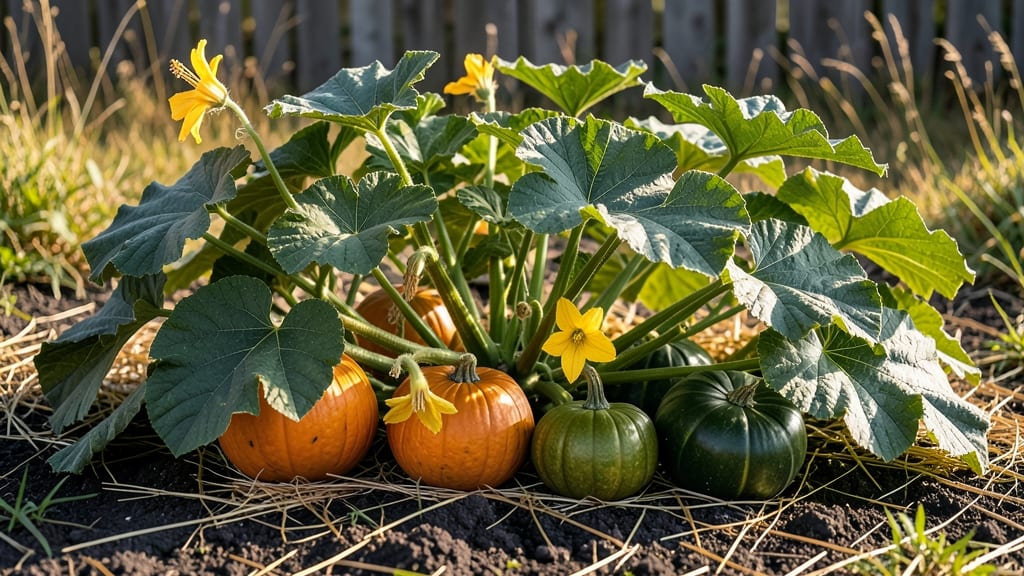
Mastering pumpkin leaf identification saves your harvest from powdery mildew and pests. 🌿 The key lies in those deep lobes—some varieties have 5-7 jagged edges, while others sport smoother curves, and spotting the difference early prevents costly mistakes.
Healthy leaves glow with deep green veins and crisp edges, but watch for yellowing or brown spots—signs of bacterial wilt or fungal infections. Squash leaves often mimic pumpkins, but their serrations are finer, and the stems stay smoother.
Cucurbita pepo (like jack-o'-lanterns) has more pronounced lobes than Cucurbita maxima (giant pumpkins).
Once you master these patterns, you'll spot trouble before it spreads. A quick leaf check every few days keeps your vines thriving, and you'll harvest pumpkins that are heavier and disease-free than ever. The right identification means fewer sprays and more fruit.
This works for backyard gardens, greenhouses, or even container-growing setups. Let's get those leaves under the microscope—your pumpkins will thank you.
Understanding Leaf Shape Changes
Pumpkin leaves are as diverse as the varieties of pumpkins themselves, and their unique shapes—whether lobed, serrated, or smooth—are influenced by a mix of natural and environmental factors.
If you’ve ever wondered why some pumpkin leaves look drastically different from others, the answer lies in a combination of genetics, growth conditions, and even subtle biological quirks. Let’s break down the key reasons behind these variations.
At the heart of every pumpkin leaf’s shape is its genetic code. Just like how some pumpkins grow into giant jack-o’-lanterns while others stay small and round, the Cucurbita species (the family that includes pumpkins) carry distinct traits for leaf morphology. Here’s how genetics play a role:
- Species and Variety: Different pumpkin species—like Cucurbita pepo (common pumpkins) or Cucurbita moschata (Cushaw pumpkins)—have inherent leaf shapes. For example, C. pepo often produces deeply lobed leaves, while C. maxima (like some winter squash) may have broader, less divided leaves. Even within a species, heirloom varieties (like Howden or Jarrahdale) can have uniquely lobed or serrated edges.
- Hybridization: Crossbreeding two pumpkin varieties can lead to unpredictable leaf shapes. If you’re growing a hybrid seed (e.g., from a store-bought pumpkin), the resulting plant might inherit a mix of traits—like one parent’s jagged edges and another’s smooth lobes.
- Dominant vs. Recessive Traits: Some leaf characteristics (like deep serrations) may be dominant, meaning they’ll appear even if only one parent carries the gene. Others, like smoother edges, might be recessive and only show up if both parents pass them along.
Actionable Tip: 💡 If you’re growing pumpkins from seed, check the parent plant’s leaf shape for clues about what your seedlings might inherit. Save seeds from plants with your favorite leaf patterns to propagate desirable traits!
Pumpkin leaves aren’t just shaped by genes—they’re also highly responsive to their environment. Stressors like temperature, water, and light can trigger changes in leaf development, sometimes making them look very different from the "ideal" shape. Here’s how:
| Stressor | Effect on Leaf Shape | Why It Happens |
|---|---|---|
| Temperature Fluctuations | Smaller, thicker leaves with less pronounced lobes or more serrations | Extreme heat or cold can slow cell division in growing leaves, leading to stunted or irregular shapes. Cold snaps may also cause edge necrosis (brown, crispy tips), mimicking serrations. |
| Water Stress (Drought or Overwatering) | Leaves may become curled, cupped, or deeply lobed to reduce water loss | Pumpkins conserve water by altering leaf surface area. Drought stress can cause leaves to grow more lobes or serrations to create a "rugged" edge that minimizes evaporation. Overwatering, meanwhile, can lead to soft, droopy leaves with less definition. |
| Light Intensity | Shady conditions = larger, smoother leaves; full sun = smaller, more lobed leaves | Pumpkins grow toward light (phototropism). In low light, they produce broader leaves to capture more sunlight. In intense sun, leaves may develop deeper lobes or serrations to reduce heat absorption (a survival tactic!). |
| Nutrient Deficiencies | Yellowing (chlorosis) or distorted lobes, especially if nitrogen or magnesium is low | Lack of key nutrients disrupts chlorophyll production and cell growth. For example, magnesium deficiency (common in alkaline soils) causes interveinal yellowing and can lead to crinkled or lobed edges as the plant struggles to form healthy tissue. |
Pro Tip: ✨ To encourage lobed, healthy leaves, ensure your pumpkins get:
- 6–8 hours of direct sunlight daily.
- Consistent moisture (1–2 inches of water per week).
- Well-draining soil rich in compost (add Epsom salt occasionally for magnesium).
Pests and pathogens don’t just damage pumpkin leaves—they can alter their growth patterns in response to the plant’s defensive mechanisms. Here’s how:
- Viral Infections (e.g., Cucumber Mosaic Virus):
Viruses like CMV can cause mosaic patterns, stunted growth, and irregular lobing. The plant’s cells may divide abnormally due to viral interference with genetic instructions, leading to puckered or serrated edges.
- Bacterial or Fungal Leaf Spots:
Diseases like Alternaria or Phytophthora create necrotic (dead) spots on leaves, which can mimic serrations or cause lobes to appear uneven or ragged. The plant may also overproduce lobes in an attempt to "escape" the damaged areas.
- Insect Feeding (e.g., Squash Bugs, Aphids):
Pests like squash bugs inject toxins while feeding, which can trigger abnormal leaf growth. For example, aphid saliva contains growth hormones that may cause curling, puckering, or extra lobes near feeding sites.
Prevention Tip: 🔥 To minimize pest/disease-induced leaf deformities:
- Rotate crops annually to prevent soil-borne pathogens.
- Use neem oil or insecticidal soap to deter pests early.
- Remove and destroy infected leaves immediately to stop spread.
Young pumpkin leaves start simple and smooth but gradually develop lobes or serrations as they mature. Here’s the timeline:
- Cotyledons (First Leaves):
These seed leaves are usually round and unlobed, as they emerge from the seed’s stored nutrients. They’re not true pumpkin leaves but a sign the seedling is healthy.
- True Leaves (2–4 Weeks Old):
Quick fixes for common leaf issues
Identifying pumpkin leaves is just the first step—now let’s tackle the most common problems that can affect their health, growth, and appearance. Whether your pumpkins are struggling with pests, diseases, or environmental stress, these practical solutions will help you restore those vibrant, lobed leaves to their best.
Here’s how to diagnose and fix issues fast, plus tips to keep them thriving.
Pests like aphids, squash bugs, and spider mites can turn lush pumpkin leaves into a chewed-up mess. Here’s how to handle them:
🔥 Identify the Culprit
- Aphids: Tiny, clustered insects on the undersides of leaves (they excrete sticky honeydew).
- Squash Bugs: Flat, brownish ovals that leave yellowing patches.
- Spider Mites: Tiny red or yellow specks with fine webbing on leaves.
🍳 Manual Removal (Early Stages)
- Handpick visible pests (especially squash bugs) and drop them into soapy water.
- Blast off aphids with a strong spray of water from a hose—this disrupts their colonies.
👨🍳 Organic Treatments
- Neem Oil Spray: Mix 1 tbsp neem oil + 1 tsp mild soap in 1 quart of water.
Spray leaves thoroughly every 5–7 days. (Pro tip: 🌡️ Apply in the early morning or late evening to avoid burning leaves.) - Diatomaceous Earth: Sprinkle food-grade DE around the base of plants (reapply after rain). ⚠️ Avoid overapplying—it can harm beneficial insects too. - Companion Planting: Interplant with marigolds or nasturtiums to repel pests naturally.
🔪 Severe Infestations?
- Insecticidal Soap: Use a commercial or homemade version (1 tbsp castile soap + 1 quart water). Test on a small leaf first.
- Row Covers: Protect young plants with lightweight fabric to block pests entirely.
Powdery mildew, downy mildew, and bacterial leaf spot can turn your pumpkin leaves into a splotchy disaster. Act fast!
🔥 Recognize the Symptoms
- Powdery Mildew: White, powdery coating on leaves (common in humid weather).
- Downy Mildew: Yellow spots on top, fuzzy gray growth on undersides.
- Bacterial Spot: Dark, water-soaked lesions with yellow halos.
🥘 Prevention First!
- Improve Airflow: Space plants 3–4 feet apart and prune nearby foliage to reduce humidity.
- Water Wisely: Water at the base (not overhead) and early in the day so leaves dry quickly.
- Rotate Crops: Avoid planting pumpkins in the same spot yearly to break disease cycles.
💡 Treatment Steps
- Remove Infected Leaves: Snip off heavily diseased leaves and dispose of them in the trash (not compost).
- Baking Soda Spray: Mix 1 tbsp baking soda + 1 tsp soap + 1 gallon water.
Spray every 7–10 days. (🎯 Works best for powdery mildew.) 3. Copper Fungicide: Use a pre-mixed solution like copper hydroxide for bacterial spot or downy mildew. 4. Hydrogen Peroxide: For a natural boost, spray a 3% solution (1 part H₂O₂ to 3 parts water) weekly.
Pumpkin leaves can wilt, yellow, or curl due to extreme temperatures or poor soil conditions.
🔥 Diagnose the Problem
Symptom Likely Cause Quick Fix Yellowing Leaves Nitrogen deficiency Add compost or a balanced fertilizer. Brown Edges Overwatering or salt buildup Let soil dry; flush with water. Wilting Underwatering or heat stress Water deeply; provide afternoon shade. Purple Stems Phosphorus deficiency Use a phosphate-rich fertilizer. 💡 Adjust Care Routine
- Mulch Heavily: Use straw or shredded leaves to retain moisture and regulate soil temp.
- Shade Cloth: In extreme heat (above 90°F), drape lightweight fabric over plants temporarily.
- Test Soil: Use a DIY pH kit (aim for 6.0–6.8) and amend with lime (to raise pH) or sulfur (to lower it).
- Plant Resistant Varieties: Choose pumpkin types like ‘Howden’ or ‘Jack Be Little’, bred for disease resistance.
- Crop Rotation: Avoid planting cucurbits (pumpkins, squash, melons) in the same spot for 3+ years.
- Monitor Regularly: Inspect leaves weekly—catch issues before they spread!
- Boost Soil Health: Add worm castings or compost tea at planting time for stronger plants.
With these targeted fixes, your pumpkin leaves should bounce back in no time. Remember: early action is key—whether it’s a pest outbreak or a fungal flare-up, the faster you respond, the better your harvest will be. Happy growing! 🎃🌿
Frequently asked questions
1How many lobes should a healthy pumpkin leaf have?
Healthy pumpkin leaves typically have 5-7 deep lobes with jagged edges, though varieties like Cucurbita maxima may have smoother, broader lobes. Young leaves start simple and develop more pronounced lobes as they mature. Count the main divisions—if you see fewer than 3-4, it might be a different species or nutrient-stressed.
2Can I tell if my pumpkin is diseased just by looking at the leaves?
Yes! Watch for these red flags: yellowing between veins (magnesium deficiency), white powder (powdery mildew), or brown spots with yellow halos (bacterial wilt). Dark veins with wilting often signal viral infections. Compare both sides of leaves—undersides often show early signs of pests or fungal growth.
3Why do my pumpkin leaves look like squash leaves?
Squash leaves often have finer serrations and smoother stems compared to pumpkins. True pumpkin leaves grow directly from the vine with 5-7 pronounced lobes, while squash leaves may have more uniform edges. Check the plant's flowers—pumpkins have yellow blooms with bulbous bases, while squash flowers are usually smaller and less showy.
4What's the best way to photograph pumpkin leaves for identification?
Use natural light and include a ruler or coin for scale. Focus on the leaf shape, vein pattern, and stem attachment. Take both top and bottom shots—undersides often reveal hidden clues like fungal growth or pest activity. Compare your photos to online databases like the USDA Plants Database for accurate matches.
5Do pumpkin leaf patterns change as the plant grows?
Early leaves are small and simple, while mature leaves develop more pronounced lobes and serrations. Some varieties even show color changes**—young leaves might be lighter green, deepening to rich green as they age. This progression helps distinguish between species when identifying seedlings.