
Flowers
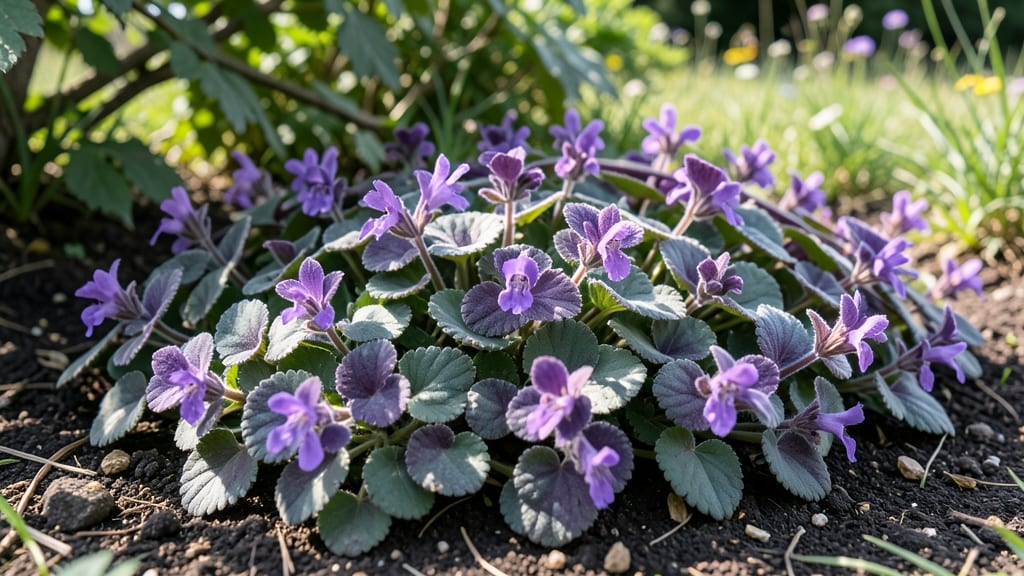
That purple broadleaf weed creeping into your garden isn't just unsightly—it's stealing nutrients from your prized plants. 🌱 I've battled this persistent invader for years, and the organic methods I've perfected actually work without harsh chemicals.
The key is acting fast before it spreads through those tiny seeds hidden in its fuzzy stems.
Start with proper identification—purple broadleaf weeds often get confused with clover or young dandelions, but their jagged leaves and purple stems give them away. Grab a sturdy pair of gloves and a sharp hoe, then focus on removing the entire root system.
Pulling by hand works for small patches, but larger infestations need a systematic approach to prevent regrowth.
Once you've cleared them, smother bare soil with thick mulch to block sunlight, their biggest growth trigger. For stubborn cases, a vinegar spray (3% acetic acid) mixed with dish soap cuts through the tough stems without harming surrounding plants.
The results are visible within a week—no more purple invaders stealing your garden's spotlight.
Prevention is where real victory lies. Plant dense ground covers like creeping thyme or clover to outcompete weeds naturally. Regular garden maintenance and proper watering keep your soil healthy, making it less inviting for these tenacious intruders. With consistency, your garden will stay lush and weed-free all season long.
📚 In This Guide
- What you need
- Instructions
- Tips and common mistakes
- Wrapping up and next steps
What you need
- ● Gloves (2 pairs): Heavy-duty rubber or nitrile gloves (for protection against sap and prickles).
- ● Hand weeder or dandelion digger: 1 sturdy, long-handled tool (for deep extraction).
- ● Sharp pruners or shears: 1 pair (for trimming thick stems).
- ● Mulch (organic): 2–3 bags of straw, wood chips, or shredded leaves (to suppress regrowth).
- ● Vinegar (5% acetic acid): 1 gallon (for spot treatment—use cautiously near desirable plants).
- ● Dish soap (unscented): 1 small bottle (1 tbsp per gallon of vinegar for adhesion).
- ○ Boiling water (optional): Kettle or large pot (for targeted weed elimination).
- ● Hoe or stirrup hoe (for large areas).
- ● Spray bottle (for vinegar-soap mix application).
- ● Compost bin (to repurpose pulled weeds as nutrient-rich soil).
- ● Knee pads (for comfort during long sessions).
- ● Label maker (to mark treated areas if using herbicides).
Step-by-Step organic control for purple broadleaf weeds
Here's how I tackle these stubborn weeds—naturally and effectively—without harsh chemicals.
🌱 Step 1: Identify and Target Active Growth
First, scan your yard for purple broadleaf weeds like henbit, chickweed, or creeping charlie. These weeds thrive in moist, shady spots, so focus on areas where they're most dense. I like to work on a dry, sunny morning when the leaves are crisp and easy to spot—no need to pull when they're wet and slippery.
Look for new growth (young, tender leaves) and established plants with purple stems. These are your prime targets. Avoid pulling when the soil is soggy—you'll end up with a muddy mess and may uproot too little. Instead, wait until the ground feels dry to the touch about an inch below the surface.
💧 Step 2: Apply Vinegar-Based Herbicide (Spot Treatment)
Mix 1 gallon of white vinegar with 1 cup of salt and 1 tablespoon of dish soap in a spray bottle. The vinegar breaks down the weed's cell structure, salt dehydrates it, and dish soap helps the solution cling to leaves. Shake well before each use—vinegar separates easily.
Spray directly on the leaves (avoid desirable plants) until fully saturated. I use a paintbrush applicator for stubborn weeds in cracks or tight spaces. Reapply every 3-5 days until the weeds turn brown and crispy. This method works best on small to medium-sized weeds—large, established plants may need multiple treatments.
☀️ Step 3: Hand-Pull or Smother Remaining Weeds
For weeds that survive the vinegar treatment, hand-pull them when the soil is dry. Grab the weed at the base and twist gently to loosen the roots—don’t just yank, or you’ll leave fragments behind that regrow. I use a weed-pulling tool for stubborn roots in lawns or garden beds.
For large infestations, smother weeds with cardboard or thick layers of mulch. Lay down 2-3 sheets of wet cardboard (ink-free) over the area, then cover with 3-4 inches of mulch4-6 weeks. Check periodically and pull any survivors that poke through.
✂️ Step 4: Prevent Regrowth with Maintenance
After clearing weeds, keep your yard healthy to discourage regrowth. Water deeply but infrequently to encourage deep root growth in your grass or plants—weeds thrive in shallow, moist soil. Mow regularly to 3 inches tall, leaving clippings on the lawn to return nutrients to the soil.
Apply corn gluten meal in early spring as a natural pre-emergent. It prevents weed seeds from germinating while feeding your lawn. Spread 20 pounds per 1,000 square feet with a spreader, then water lightly to activate it. Repeat in fall for year-round control.
Tips & tricks for effective purple broadleaf weed control
These practical strategies will help you tackle stubborn purple broadleaf weeds without harsh chemicals.
Timing is Everything: Target weeds on a dry, sunny morning when leaves are crisp—this makes them easier to spot and treat. Wet leaves cling to tools and can make identification harder. I've found that working in the early morning also means you avoid the afternoon heat, making the process more comfortable.
Precision Application: When using the vinegar mixture in Step 2, focus on the leaves only—avoid spraying desirable plants. A paintbrush applicator works wonders for weeds in tight spaces like cracks or between pavers. I like to test the spray on a small area first to ensure it won't damage nearby plants.
Root Removal Technique: In Step 3, when hand-pulling, twist gently at the base to loosen roots completely. I've learned the hard way that leaving even small root fragments behind leads to regrowth. A weed-pulling tool gives extra leverage for stubborn roots in lawns or garden beds.
Smothering Strategy: For large infestations, wet cardboard (ink-free) creates an effective barrier when layered with mulch. The 3-4 inch mulch layer blocks sunlight completely, which is what kills weeds over 4-6 weeks. Check periodically to pull any survivors that emerge.
Pro Tips for Purple Broadleaf Weed
- These practical strategies will help you tackle stubborn purple broadleaf weeds without harsh chemicals.
- Timing is Everything: Target weeds on a dry, sunny morning when leaves are crisp—this makes them easier to spot and treat.
- Precision Application: When using the vinegar mixture in Step 2, focus on the leaves only—avoid spraying desirable plants.
Frequently asked questions
Got questions about tackling purple broadleaf weed? You’re not alone—this persistent plant can be tricky! Here are some of the most common concerns, answered clearly so you can reclaim your garden with confidence.
What is purple broadleaf weed, and why does it keep coming back?
Purple broadleaf weed (often Trifolium or Oxalis species) thrives in sunny, well-drained areas and spreads via seeds or underground runners. Its resilience comes from deep roots and prolific seed production—even a tiny fragment can regrow! Regular removal and soil disturbance prevention are key to stopping its comeback.
When is the best time to remove purple broadleaf weed?
Target removal before flowering (spring to early summer) to prevent seed spread. Pull weeds after rain when soil is soft, or use vinegar/herbicide treatments on dry, sunny days. Fall is also effective—weeds weaken as temperatures drop, making them easier to eradicate.
What’s the most effective organic method to kill it?
Combine manual removal (dig deep to avoid regrowth) with vinegar-based sprays (20% acetic acid + dish soap) for stubborn patches. For large areas, smothering with cardboard or mulch blocks sunlight, starving roots. Repeat treatments every 2–3 weeks for best results.
Will purple broadleaf weed grow back if I just cut it down?
Yes! Cutting alone won’t kill it—it’ll regrow from the base or seed. Always pull from the root or use a targeted herbicide. For thick mats, repeat removal weekly until the area stays clear for 30+ days. Patience is key!
Can I use purple broadleaf weed in compost?
No—never compost it! Weeds like this can survive decomposition and spread via seeds or roots. Instead, bag and trash them (sealed!) or use them as mulch only if fully dried and buried deep (12+ inches) to prevent germination.
Pro Tip:
For prevention, improve soil health with clover-based cover crops or dense ground covers (like creeping thyme) to outcompete weeds. Healthy turf or plants leave no room for invaders!
Wrapping up and next steps
Dealing with purple broadleaf weed doesn’t have to be a battle—just a strategic, eco-friendly cleanup! By using organic methods like vinegar sprays, manual removal, or mulching, you’re not only protecting your garden but also contributing to a healthier planet. 🌱
Ready to reclaim your space? Start small—tackle one patch at a time, and soon, your garden will thrive without a single purple intruder in sight. Your green oasis awaits!
- Next step: Pick your favorite organic method and schedule a weekend cleanup session.
- Need extra tips? Check out our FAQ section for quick solutions!