
Blooming
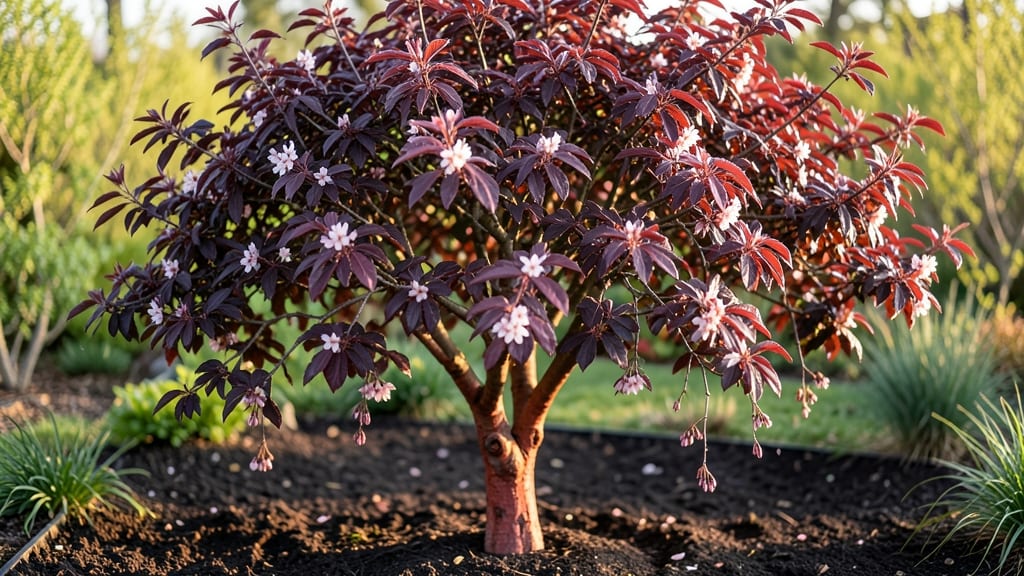
Purple leaf plum blooms transform your garden into a jewel-toned dream every spring—those delicate white flowers against deep purple foliage are pure magic. 🌸 The timing is everything: expect blooms in late March to early May, depending on your zone, with foliage turning even richer as summer arrives.
The secret to showstopping blooms? Full sun (at least 6 hours daily) and light pruning after flowering. Too much shade dulls the purple, while aggressive pruning cuts back next year’s flowers.
In my zone 6 garden, the trees bloom for 2-3 weeks, then the leaves deepen into that signature burgundy. You’ll love how these trees steal the show as focal points, whether planted solo or mixed with spring bulbs.
The fragrance alone makes them worth growing—imagine that floral scent mingling with warm spring air. Perfect for small yards, urban gardens, or as a dramatic entryway plant. Here’s how to get the most from their stunning seasonal display.
📚 In This Guide
- What you need
- Instructions
- Tips and common mistakes
- Wrapping up and next steps
What you need
- ● Purple leaf plum tree: 1-3 Prunus cerasifera 'Atropurpurea' (bare-root or potted, 1-3 years old for best results)
- ○ Optional: Grafted varieties for disease resistance (e.g., 'Newport' or 'Thundercloud')
- ● Planting site: Full sun (6+ hours/day) or partial shade (3-6 hours) for cooler climates
- ● Well-draining soil (amend with compost if needed)
- ● Soil amendments (if needed): 5 lbs compost or aged manure per planting hole
- ● 1 cup slow-release fertilizer (10-10-10 ratio) or organic options like bone meal
- ● Digging tools: 1 shovel (for planting holes)
- ● 1 trowel (for delicate root adjustments)
- ● Pruning tools (for maintenance): 1 pair bypass pruners (for clean cuts)
- ● 1 loppers (for thicker branches)
- ○ 1 pruning saw (for large branches, optional)
- ● Watering supplies: 1 hose with adjustable nozzle or watering can
- ● 5+ gallons water (for initial watering)
- ○ Mulch (optional but recommended): 2-3 inches organic mulch (wood chips, straw, or pine needles)
- ● Know your USDA Hardiness Zone (Purple leaf plums thrive in Zones 5-9). Check yours here!
- ● Test soil pH (ideal range: 6.0–7.0; adjust with lime or sulfur if needed).
- ● Timing: Plant in early spring or fall (avoid extreme heat or frost).
- ● Check local planting regulations (some areas restrict certain plum varieties).
Step-by-Step guide to encouraging stunning purple leaf plum bloom
Here's how to coax those breathtaking purple leaves and vibrant spring blooms from your tree.
🌱 Step 1: Prune for Airflow and Light Penetration
Start pruning in late winter or early spring before buds swell. Remove any dead, diseased, or crossing branches first—these compete with your tree for energy. I always cut about ¼ inch above a bud or branch collar to prevent damage to the growth point.
Focus on thinning the canopy by removing about 20-30% of the smallest branches. This opens the tree up so sunlight reaches all those purple leaves. You'll see the difference immediately after pruning—more light means deeper purple foliage and better bloom production. Never remove more than 30% in one year or you'll stress the tree.
☀️ Step 2: Position for Maximum Sun Exposure
Purple leaf plums need full sun—at least 6-8 hours daily—to maintain their vibrant foliage color. If your tree is in partial shade, the leaves will fade to green. I always check my tree's position in late winter when days are shortest to ensure it gets enough light.
If you notice leaves losing their purple hue by midsummer, your tree needs more sun. Consider transplanting to a sunnier location if possible. The blooms also need full sun to develop properly—shaded trees often produce fewer flowers. Watch for the first signs of bud swell in early spring to confirm your tree's light conditions.
💧 Step 3: Water Deeply During Critical Growth Periods
Water your tree deeply once a week during the first year after planting, then reduce to every 10-14 days once established. The key is getting water down to the root zone—about 12-18 inches deep. I use a soil probe to check moisture levels; if it comes out dry, water again.
Deep watering encourages strong root development, which supports both the purple foliage and heavy spring blooms. Avoid shallow watering that only wets the surface—this leads to weak roots and poor color retention. You'll notice healthier growth and more vibrant purple leaves when the roots are properly hydrated.
✂️ Step 4: Fertilize for Vibrant Foliage and Blooms
Apply a balanced 10-10-10 fertilizer in early spring when buds begin to swell. I use about ½ pound per inch of trunk diameter, spread evenly in a circle around the tree. Water thoroughly after applying to help distribute the nutrients.
For even more vibrant purple foliage, add a low-nitrogen, high-phosphorus fertilizer in late summer. This promotes better bloom production for next spring. Avoid high-nitrogen fertilizers—they encourage leafy growth at the expense of purple color. You'll see the difference in just a few weeks as the leaves deepen in color and the buds swell more noticeably.
⏰ Step 5: Protect Blooms from Late Frosts
Purple leaf plum blooms are beautiful but delicate. Watch your local weather forecast in early spring and be ready to protect flowers if frost is predicted. I've used floating row covers or even old bedsheets to shield the blooms from damage—just drape them over the tree and secure with stakes.
Even a light frost can damage blooms, but don't worry if it happens. Your tree will still produce foliage, just with slightly fewer flowers. The purple leaves will remain vibrant regardless. If frost is forecast after buds have opened, act quickly—damage occurs within minutes of temperatures dropping below 28°F. You'll know it's working when you see the blooms remain intact the next morning.
Tips & tricks for stunning purple leaf plum bloom
These simple strategies will help you transform your purple leaf plum into a showstopping spring spectacle.
Pruning Precision: When you're thinning the canopy in Step 1, focus on removing branches that are growing inward or rubbing against each other. These branches create shaded areas where leaves won't develop their signature purple hue. I like to make my cuts just outside the branch collar—this little detail prevents unsightly scars that can weaken the tree. The goal is to create an open, airy structure that lets sunlight reach every leaf surface.
Sunlight Strategy: Step 2 mentions full sun, but here's the secret: the first 3 hours after sunrise are most critical for developing that deep purple color. If your tree is in partial shade, consider pruning nearby trees or shrubs to increase sunlight exposure during these morning hours. I've seen trees in afternoon shade still produce vibrant purple leaves because of this morning light advantage.
Watering Wisdom: The deep watering technique in Step 3 works best when you water in the early morning. This gives the roots all day to absorb moisture before evaporation sets in. I use a simple test: if you can push a 12-inch soil probe into the ground with minimal resistance, your tree is getting enough water. For newly planted trees, I even add a 2-inch layer of mulch around the base (but keep it 6 inches away from the trunk) to help retain moisture.
Fertilizer Timing: When applying that balanced 10-10-10 fertilizer in Step 4, here's what I've learned: split the application into two doses—half when buds first swell and the remaining half 4-6 weeks later. This staggered approach prevents fertilizer burn while ensuring your tree has nutrients available throughout the growing season. The low-nitrogen, high-phosphorus boost in late summer is particularly important for next year's blooms, so don't skip it!
Pro Tips for Purple Leaf Plum Bloom
- These simple strategies will help you transform your purple leaf plum into a showstopping spring spectacle.
- Pruning Precision: When you're thinning the canopy in Step 1, focus on removing branches that are growing inward or rubbing against each other.
- Sunlight Strategy: Step 2 mentions full sun, but here's the secret: the first 3 hours after sunrise are most critical for developing that deep purple color.
Frequently asked questions
Got questions about purple leaf plum blooms?
You’re not alone! Here are some of the most common inquiries—plus quick, practical answers to help you make the most of this stunning spring spectacle.
When is the best time to see purple leaf plum blooms?
The peak bloom time varies by climate, but in most regions, purple leaf plums burst into color late winter to early spring (February–April). In colder zones, blooms may appear slightly later, while warmer areas can enjoy them as early as January. Check your local USDA zone for precise timing—some varieties even rebloom in fall!
How do I care for a purple leaf plum tree after it blooms?
After the showy flowers fade, focus on pruning (remove dead/diseased branches in late winter) and fertilizing (balanced 10-10-10 in early spring). Water deeply but avoid soggy soil—these trees thrive in well-draining soil. Mulch around the base to retain moisture and protect roots. Pro tip: Purple foliage darkens in full sun, so prune to encourage airflow and prevent fungal issues.
Can I grow a purple leaf plum in a container?
Yes! Dwarf varieties like ‘Okame’ or ‘Fashion’ adapt well to containers (15–20 gallon pots). Use a fast-draining potting mix and repot every 2–3 years. Place in full sun and water when the top inch of soil dries. Just know: container-grown trees may bloom slightly later and need winter protection in cold zones.
Are purple leaf plum flowers good for bees?
Their early blooms provide critical nectar for bees when other flowers are scarce. The pink/purple blossoms are especially attractive to pollinators. For extra bee-friendly appeal, plant them near native perennials like lavender or coneflowers. Just avoid pesticides during bloom season—keep those wings buzzing!
Why aren’t my purple leaf plum leaves staying purple?
Dull or greenish foliage often signals too much shade or over-fertilizing with nitrogen. Ensure your tree gets 6+ hours of sun daily and use a low-nitrogen fertilizer (like 5-10-5). Yellow leaves? Check for iron deficiency—apply chelated iron or adjust soil pH (aim for 6.0–7.0). Bonus: Prune to improve airflow and reduce stress.
Wrapping up and next steps
The purple leaf plum bloom isn’t just a splash of color—it’s a celebration of nature’s artistry at its finest! 🌸 Whether you’re growing one in your garden or simply admiring its beauty, this stunning tree brings joy, texture, and a touch of whimsy to any spring landscape.
Now that you’re armed with the right knowledge—from planting tips to troubleshooting—why not take the next step?
Plant one today! Whether you’re a seasoned gardener or a newbie, adding a purple leaf plum to your outdoor space is a rewarding way to invite spring’s magic into your life. Happy planting—and happy blooming! 🌿✨