
Planting
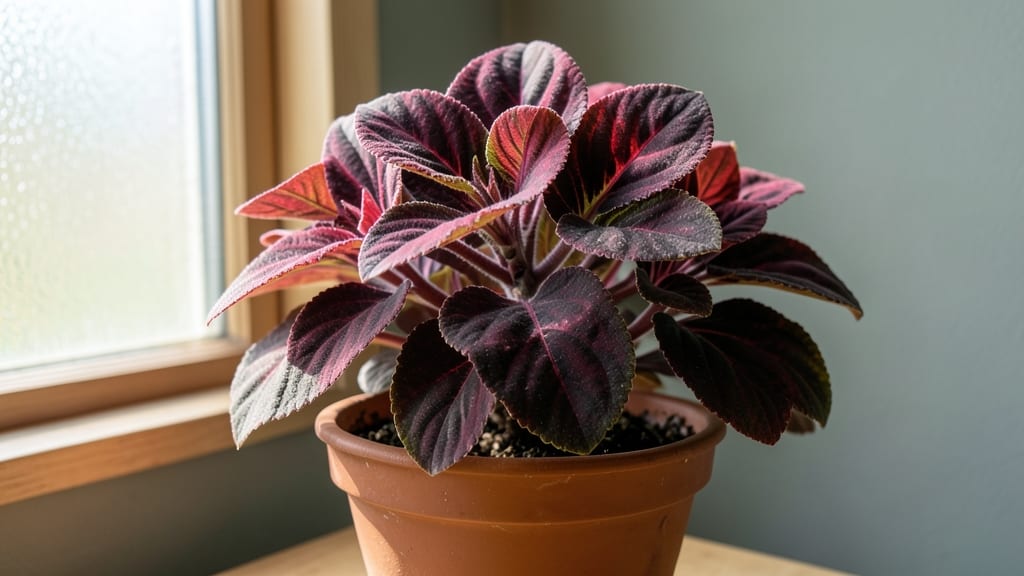
Your garden just got a bold upgrade with purple-red leaf plants. 🌿 These crisp, velvety foliage stars—like Coleus or Purple Heart—bring drama without needing flowers. Their deep hues glow in sunlight, turning ordinary beds into eye-catching focal points.
Mix them with silver foliage for contrast or tuck them into containers for portable pops of color. In shady spots, they thrive where other plants fade, while heat-resistant varieties keep their vibrancy through summer. The secret? Most just need well-draining soil and occasional watering—no fuss, all impact.
Imagine a border where every leaf shimmers like a jewel, or a patio pot that steals the show. These plants deliver year-round interest, with some even sporting variegated edges. They’re the perfect way to add sophistication with minimal effort.
Whether you’re designing a tropical-themed garden or just want to liven up a dull corner, these foliage darlings are your go-to. Let’s explore how to make them shine in your space!
📚 In This Guide
- What you need
- Instructions
- Tips and common mistakes
- Wrapping up and next steps
What you need
- ● Seeds or cuttings: Choose purple-red varieties (e.g., Coleus ‘Black Dragon’ or Boehmeria ‘Purple’). Buy from a reputable nursery or online seed bank.
- ● Well-draining potting mix: 10–12 quarts of a blend designed for container plants (or mix 60% peat moss, 30% perlite, and 10% vermiculite).
- ● Containers: 2–4 pots (5–7 inches deep) with drainage holes, or a raised garden bed (if planting outdoors).
- ● Watering can or spray bottle: With a fine rose attachment for gentle hydration.
- ● Fertilizer: Balanced liquid fertilizer (10-10-10) or slow-release granules (follow package instructions).
- ○ Pruning shears: Sharp, sterilized shears for trimming (optional but helpful for propagation).
- ○ Gloves (optional): To protect hands from soil or sap.
- ● Sunlight access: Bright, indirect light (4–6 hours daily) or a grow light for indoor setups.
- ● Heat tolerance: These plants thrive in USDA Zones 9–11; use shade cloth if in hotter climates.
- ● Mulch (e.g., straw or pine bark) to retain moisture.
- ● Decorative pebbles or moss for aesthetic garden beds.
- ● Humidity tray (for indoor plants in dry climates).
Step-by-step guide to growing a thriving purple red leaf plant
Here’s how to cultivate this stunning, heat-loving plant with bold foliage and minimal fuss.
🌱 Step 1: Choose the Perfect Planting Spot
Purple red leaf plants adore full sun, so pick a location that gets at least 6-8 hours of direct sunlight daily. A south- or west-facing spot works best. If you’re in a hotter climate, they’ll tolerate partial shade in the afternoon to prevent leaf scorch.
Check the soil first—it should drain well but retain moisture. Amend heavy clay with compost or sand to improve aeration. Dig a hole twice as wide as the root ball but only as deep as the container’s drainage holes. This ensures the plant sits at the same level it was in its nursery pot.
☀️ Step 2: Plant with Proper Spacing and Support
Space plants 18-24 inches apart to allow airflow and prevent disease. Purple red leaf plants grow upright but can get top-heavy, so bury a 3-foot stake or trellis next to each plant at planting time. Gently press it into the soil at a 45-degree angle to support future growth without damaging roots.
Remove the plant from its container and loosen the roots if they’re circling. Place it in the hole, backfill with soil, and firm gently around the base. Water deeply right after planting to settle the soil and eliminate air pockets. You’ll know it’s right when water drains freely from the bottom.
💧 Step 3: Water Consistently Without Overdoing It
Water when the top 1-2 inches of soil feel dry—about once a week in ideal conditions, but adjust for heat or rain. Purple red leaf plants are drought-tolerant once established, but they’ll reward you with vibrant foliage if you keep them evenly moist. Avoid wetting the leaves to prevent fungal issues like powdery mildew.
Mulch around the base with 2-3 inches of organic mulch (like shredded bark or straw) to retain moisture and regulate soil temperature. Keep mulch a few inches away from the stem to prevent rot. In hot climates, mulch also protects roots from extreme heat fluctuations.
✂️ Step 4: Prune for Bushier Growth and Pest Control
Prune in early spring or after flowering to encourage dense, bushy growth. Cut back leggy stems by one-third to promote branching. Use clean, sharp pruners to make cuts just above a leaf node or bud. This prevents disease and encourages new growth from the base.
Watch for aphids or spider mites, which love tender new growth. Spray infested areas with a soapy water solution (1 tsp mild dish soap per quart of water) if you spot sticky residue or fine webbing. Pruning regularly also improves airflow, reducing pest problems naturally.
🌿 Step 5: Fertilize for Vibrant Foliage and Heat Resistance
Feed purple red leaf plants with a balanced, slow-release fertilizer (10-10-10 or similar) in early spring. Apply according to package instructions—typically every 6-8 weeks during the growing season. Avoid high-nitrogen fertilizers, which promote leafy growth at the expense of heat resistance.
For extra vigor, mix in compost or worm castings into the soil annually. This boosts organic matter and helps the plant withstand heat stress. Purple red leaf plants are tough, but a little extra nutrition keeps their foliage deep purple and crisp—perfect for cutting or container displays.
Tips & tricks for perfect purple red leaf plant cultivation
These essential insights will help you nurture vibrant, heat-resistant foliage that stands out in any garden.
Sunlight Strategy: While the instructions emphasize 6-8 hours of direct sun, I’ve found that morning sun paired with afternoon shade in extremely hot climates (above 95°F) actually preserves the plant’s deep purple hue longer. Monitor leaf color—if it starts fading to green, provide more shade during peak afternoon heat. This subtle adjustment prevents sunburn while maintaining that stunning foliage.
Support System: The 3-foot stake recommendation is perfect, but I’ve learned to angle it slightly toward the prevailing wind direction for added stability. For container plants, use a lightweight trellis instead—it distributes weight better and allows for more flexible growth patterns. This prevents the plant from toppling over as it matures, especially in windy areas.
Watering Wisdom: Checking soil moisture at the 1-2 inch depth is smart, but I’ve noticed that purple red leaf plants actually appreciate a deeper watering every 10-14 days in well-draining soil. This encourages deeper root growth, making them more drought-resistant over time. Just be sure to water at the base, avoiding those beautiful leaves to prevent fungal issues.
Pruning Precision: When cutting back leggy stems by one-third, always make your cuts just above a leaf node that faces outward. This encourages bushier growth while maintaining an open structure that improves airflow. I’ve seen plants become overly dense when pruned incorrectly, leading to more pest problems—so think of it as sculpting rather than just trimming.
Pro Tips for Purple Red Leaf Plant
- These essential insights will help you nurture vibrant, heat-resistant foliage that stands out in any garden.
- Monitor leaf color—if it starts fading to green, provide more shade during peak afternoon heat.
- Support System: The 3-foot stake recommendation is perfect, but I’ve learned to angle it slightly toward the prevailing wind direction for added stability.
Frequently asked questions
Got questions about your purple red leaf plant? You’re not alone! Here are some of the most common queries—and their answers—to help you grow this stunning, heat-loving plant with confidence.
What’s the best way to plant purple red leaf for maximum color?
For vibrant purple-red foliage, plant in full sun (6+ hours daily) and well-draining soil. Amend clay soil with compost to prevent soggy roots. Space plants 12–18 inches apart for airflow and bushier growth. Pro tip: Mulch with straw to retain moisture and enhance color intensity!
How long does it take for purple red leaf to show its signature color?
Expect subtle hints of purple within 4–6 weeks of planting, but full, deep color typically develops by late summer or early fall. Heat and sunlight accelerate the process—so if your plant is slow to change, check for partial shade or overwatering.
Can purple red leaf survive extreme heat or drought?
This plant is heat-resistant (up to 90°F+) and drought-tolerant once established. Water deeply once a week during dry spells, but avoid soggy soil. Warning: Overwatering can cause leaf drop—let the top inch of soil dry out between waterings.
What are some great companion plants for purple red leaf?
Pair it with silver-blue foliage (like lamb’s ear) or yellow flowers (e.g., black-eyed Susans) for striking contrast. Avoid overcrowding—this plant thrives with 6+ inches of spacing from other perennials. Bonus: It’s deer-resistant!
Why are my purple red leaves turning yellow or brown?
| Issue | Cause | Fix |
|---|---|---|
| Yellow leaves | Overwatering or poor drainage | Reduce watering; improve soil drainage with sand/compost. |
| Brown edges | Underwatering or high heat | Water deeply 1–2x/week; mulch to retain moisture. |
| Pale color | Too much shade or nutrient deficiency | Move to sunnier spot; fertilize with balanced 10-10-10 in spring. |
Are there purple red leaf alternatives for cooler climates?
Yes! Try ‘Purple Smoke’ bush bean (annual) or ‘Royal Purple’ smoking tobacco (edible foliage). For perennials, heuchera (coral bells) or ‘Black Scallop’ ajuga offer similar drama in partial shade. Note: These may not tolerate full sun like purple red leaf.
Wrapping up and next steps
Transforming your garden into a vibrant, heat-resistant haven is easier than you think with the purple red leaf plant! 🌿 This crisp, sweet, and resilient beauty not only thrives in tough conditions but also adds a stunning pop of color to any space.
Whether you're a seasoned gardener or just starting out, its low-maintenance charm makes it the perfect addition to your outdoor oasis.
Ready to get growing? Start by gathering your supplies—soil, seeds, and a sunny spot—and dive in! With the right care, you’ll soon be enjoying a lush, eye-catching garden that stands out all season long. Happy planting! 🌱