
Pests and Diseases
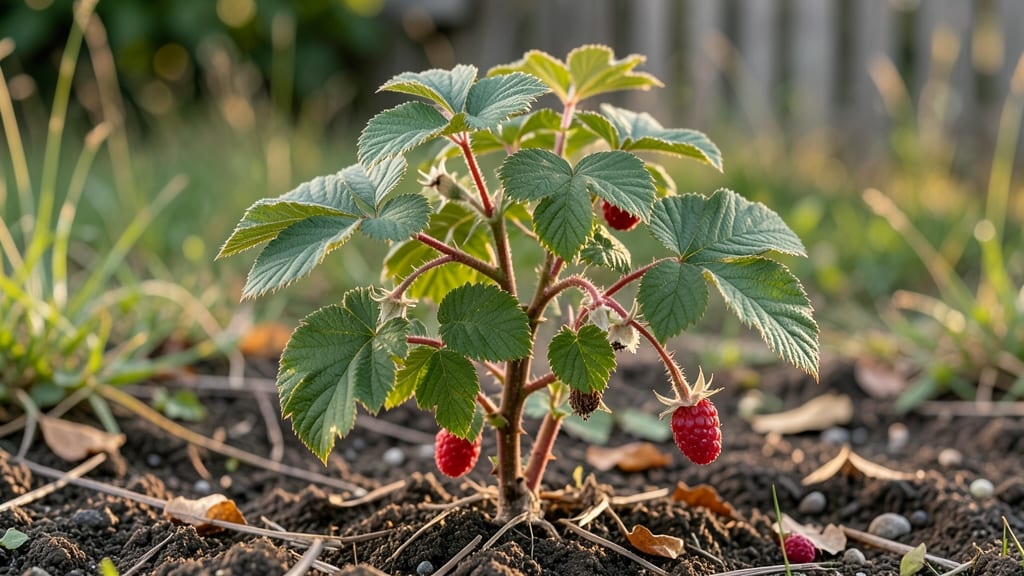
Raspberry leaf identification starts with knowing what healthy leaves look like—because spotting trouble early saves your whole patch. 🌿 I’ve seen anthracnose turn vibrant green into a sad, spotted mess in just two weeks, and rust make leaves look like they’ve been dusted with rusty powder.
The key is comparing your leaves to these telltale traits: color, texture, and any weird marks or curls.
Healthy raspberry leaves are a rich, deep green with jagged edges and a slightly waxy feel. But when pests like spider mites strike, you’ll notice tiny yellow speckles first, then webbing on the undersides. Aphids?
Look for curled, sticky leaves—those little bugs leave behind a sugary residue that attracts ants. Fungal diseases like anthracnose show up as dark, sunken spots, while rust appears as orange pustules on the leaf surface.
Grab a magnifying glass and flip leaves over—the undersides often reveal the first clues. A quick check for holes, discoloration, or unusual growth (like galls from sawfly larvae) can tell you exactly what’s wrong.
Once you spot the issue, you’ll know whether to prune, spray, or adjust your care routine. No more guessing—just action.
This method works for both summer-bearing and fall-bearing varieties, and it’s the same process whether you’re dealing with a single plant or a whole garden. The faster you identify the problem, the faster you can fix it—and that means more berries next season. Let’s get those leaves under the microscope.
Understanding Leaf Misidentification Triggers
When it comes to raspberry leaf identification, mistakes often happen due to a mix of natural variations, environmental stress, and even human error. Here’s why misidentifying raspberry leaves is more common than you’d think—and how to avoid falling into these traps.
Not all raspberry plants look alike! Different cultivars—like Heritage, Boyne, or Caroline—have distinct leaf shapes, serration patterns, and even color tones. For example:
- Heritage raspberries often have broader, more rounded leaves with fewer serrations.
- Wild red raspberries (like Rubus idaeus) tend to have smaller, more finely toothed leaves.
- Black raspberries may have a slightly darker, glossier leaf surface.
If you’re comparing a leaf to a generic guide, you might mislabel it—especially if the plant isn’t a common cultivar. Pro tip: Always cross-reference with the plant’s fruit or growth habit (e.g., primocanes vs. floricanes) for accuracy. 🔍
Leaves don’t grow in a vacuum—they react to their surroundings. Extreme conditions can warp their appearance, making identification tricky:
| Stress Factor | Leaf Changes | How It Affects ID |
|---|---|---|
| 🌡️ Heat or Drought | Smaller, curled, or yellowing leaves with crispy edges | Might resemble heat-stressed blackberry leaves or early disease symptoms |
| ❄️ Cold Damage | Purple-black discoloration, brittle texture, or stunted growth | Could be mistaken for fungal infection (like anthracnose) if not checked for other symptoms |
| 💧 Overwatering | Yellowing (chlorosis), soft spots, or mold growth on undersides | May look like bacterial leaf spot without closer inspection |
Actionable fix: Observe the whole plant, not just the leaves. Healthy raspberries should have vibrant green (or reddish) foliage, firm stems, and no unusual spots. If stress is the issue, adjust watering or shading to see if leaves recover. 💧
Some pests and diseases intentionally alter leaf appearance to thrive, making them look like normal raspberry foliage at first glance:
🐜 Insect Damage That Fools Identifiers
- Japanese beetles: Skeletonize leaves (chew between veins), leaving a lace-like pattern that can resemble nutrient deficiency.
- Aphids: Cause curling and sticky honeydew, which might be confused for powdery mildew.
- Spider mites: Create stippling (tiny white/yellow dots) that mimic nutritional stress.
🍄 Fungal and Bacterial Tricks
- Anthracnose: Produces dark, sunken spots with concentric rings—easily mistaken for normal aging or cold damage.
- Raspberry leaf curl virus: Causes thickened, puckered leaves that may look like genetic mutation in new cultivars.
- Bacterial leaf spot: Creates water-soaked lesions that can resemble physical trauma (e.g., hail damage).
🔥 Key clue: Check the leaf underside and new growth. Pests often leave eggs or webbing, while pathogens may have spores or oozing lesions. Use a magnifying glass if needed! 🕷️🔬
Even experienced gardeners can misidentify leaves due to:
- Partial views: Only seeing a leaf’s edge (e.g., a serrated margin) without the full shape.
- Seasonal confusion: New spring leaves are softer and lighter than mature ones.
- Lighting tricks: Shadows or backlighting can exaggerate or hide serrations.
✨ Pro tip: Always examine 3-5 leaves per plant, including young and old foliage. Take photos from multiple angles—your eyes (or camera) might catch details you missed at first glance. 📸
Quick Fixes for Leaf Confusion
When you’re staring at a plant and wondering, "Is this really a raspberry leaf?"—or worse, "Why is it looking so off?"—don’t panic. Most issues have straightforward fixes, whether you’re dealing with misidentification, pests, or disease.
Below, we’ll break down the most common problems and how to tackle them fast, plus tips to keep your plants thriving.
Cause: Confusing raspberry leaves with other plants (like blackberry, dewberry, or even poison ivy) is easy—especially if you’re new to gardening.
Fix It:
- 📏 Compare Shape & Texture
- Raspberry leaves are palmately lobed (like fingers spreading from a central point) with serrated edges and a slightly fuzzy underside.
- Pro Tip: 💡 Hold the leaf up to light—raspberry leaves often have a veiny, almost translucent quality.
- 🌱 Check the Plant’s Growth Habit
- Raspberries grow on canes (thorny or smooth) and produce aggregate fruits (like a cluster of tiny drupelets).
- Red Flag: If the plant has smooth, heart-shaped leaves with no thorns, it’s likely a blackberry.
- 📸 Snap a Photo & Compare
- Use a plant ID app (like PlantNet or Google Lens) to double-check. Upload a clear shot of the leaf and the plant’s structure.
Prevent Future Mix-Ups: ✅ Label your plants with tags or stakes as soon as you transplant them. ✅ Keep a gardening journal with photos of new additions.
Cause: Common pests like spider mites, aphids, or Japanese beetles can distort leaves, making them look diseased.
Fix It:
- 🔥 Spot & Squash Soft-Bodied Pests (Aphids, Caterpillars)
- Method: Spray with a soapy water solution (1 tsp mild dish soap + 1 quart water) or neem oil (1 tbsp per gallon).
- Quick Fix: 👨🍳 Blast them off with a strong stream of water in the morning.
- 🕷️ Tackle Spider Mites (Tiny Webs on Leaves)
- Signs: Yellow stippling, fine webbing on undersides.
- Fix: Wipe leaves with a damp cloth or use horticultural oil (follow label rates).
- Pro Tip: 🌡️ Increase humidity—mites love dry conditions.
- 🐞 Japanese Beetles (Skeletonized Leaves)
- Method: Handpick beetles into soapy water or use milky spore (a natural bacteria treatment) for long-term control.
Prevent Pest Outbreaks: 🌿 Encourage beneficial insects (ladybugs, lacewings) by planting dill, fennel, or marigolds nearby. 🚫 Remove fallen leaves where pests hide over winter.
Cause: Overwatering, poor airflow, or wet foliage can lead to rust, powdery mildew, or bacterial leaf spot.
Fix It:
- 🍅 Powdery Mildew (White Dusty Coating)
- Fix: Spray with baking soda mix (1 tsp baking soda + 1 quart water + a drop of soap).
- Prevention: 🌬️ Space plants for airflow and water at the base (avoid overhead spraying).
- 🟡 Rust Fungus (Orange Pustules on Undersides)
- Fix: Prune infected leaves immediately and apply copper fungicide (follow instructions).
- Quick Fix: 🔪 Remove heavily infected canes to stop spread.
- 💧 Bacterial Leaf Spot (Brown, Greasy Spots)
- Fix: Use copper-based spray and sterilize pruners with rubbing alcohol between cuts.
- Prevention: 🌧️ Water early in the day so leaves dry fast.
Prevent Fungal Spread: ✨ Mulch properly (2-3 inches of organic mulch) to keep soil moist but not soggy. 🌱 Rotate crops—don’t plant raspberries in the same spot year after year.
Cause: Poor soil or over/under-fertilizing can make leaves look unhealthy.
Fix It:
- 🟡 Yellow Leaves (Nitrogen Deficiency)
- Fix: Add compost or a balanced fertilizer (10-10-10) in spring.
- Quick Fix: 🥗 Side-dress with coffee grounds (rich in nitrogen).
- 🟢 Dark Green, Stunted Growth (Phosphorus or Potassium Lack)
- Fix: Use a bone meal (phosphorus) or wood ash (potassium) supplement.
- Pro Tip: 🎯 Test your soil (kits are cheap and save guesswork).
- 🌿 Pale or Purple Leaves (Magnesium or Iron Deficiency)
- Fix: Spray Epsom salt solution (1 tbsp per gallon) for magnesium or use chelated iron for chlorosis.
Prevent Nutrient Issues: 📊 Test soil every 2-3 years and amend as needed. 💧 Water deeply but infrequently—raspberries hate soggy roots.
If your raspberry leaves are severely chewed, blighted, or dying, act fast: 1. 🗑️ Prune Out the Worst - Cut away any leaves with holes, spots, or mold—don’t compost them (disease can spread).
- 💦 Give It a Deep Water (If Soil Is Dry) - Wilting leaves often mean root stress from drought.
- 🌿 Boost Recovery with Foliar Feed - Mix liquid seaweed or fish emulsion for a quick nutrient boost.
Final Pro Tip: 🌟 When in doubt, isolate the plant—sometimes the best fix is keeping the problem from spreading while you diagnose!
Frequently asked questions
How can I tell if a leaf is from a raspberry plant vs. blackberry or dewberry?
Raspberry leaves have palmately lobed shapes (like fingers spreading from a central point) with serrated edges and a slightly fuzzy underside. Blackberry leaves are smooth, heart-shaped with fewer serrations, while dewberry leaves are smaller and more rounded. Hold the leaf up to light—raspberry leaves often appear translucent due to their vein structure.
What do healthy raspberry leaves look like compared to diseased ones?
Healthy leaves are a vibrant green with jagged edges and no spots. Diseased leaves show distinct signs: anthracnose (dark sunken spots), rust (orange pustules), or bacterial leaf spot (greasy brown patches). Always check the leaf undersides for early clues like webbing (spider mites) or curling (aphids).
Can I use a phone app to identify raspberry leaves?
Yes! Apps like PlantNet or Google Lens can help confirm raspberry leaves by comparing them to a database. Upload a clear photo of the leaf shape, vein pattern, and plant structure for the best results. For tricky cases, include a photo of the fruit or canes too.
Why do my raspberry leaves look yellow even though I’m fertilizing?
Yellowing leaves often signal nitrogen deficiency, but over-fertilizing can also cause issues. Test your soil first—raspberries prefer well-draining, slightly acidic soil (pH 5.5-6.5). If the soil is too alkaline, nutrients like iron and manganese become unavailable. Try Epsom salt (magnesium) or chelated iron for chlorosis.
What’s the fastest way to tell if my raspberry leaves have spider mites?
Look for tiny yellow stippling on the leaf surface and fine webbing on the undersides. Hold a white sheet of paper under the leaf and shake gently—mites will fall onto it. Early signs include dry, brittle leaves and speckled discoloration. Increase humidity and spray with horticultural oil to treat them.