
Blooming
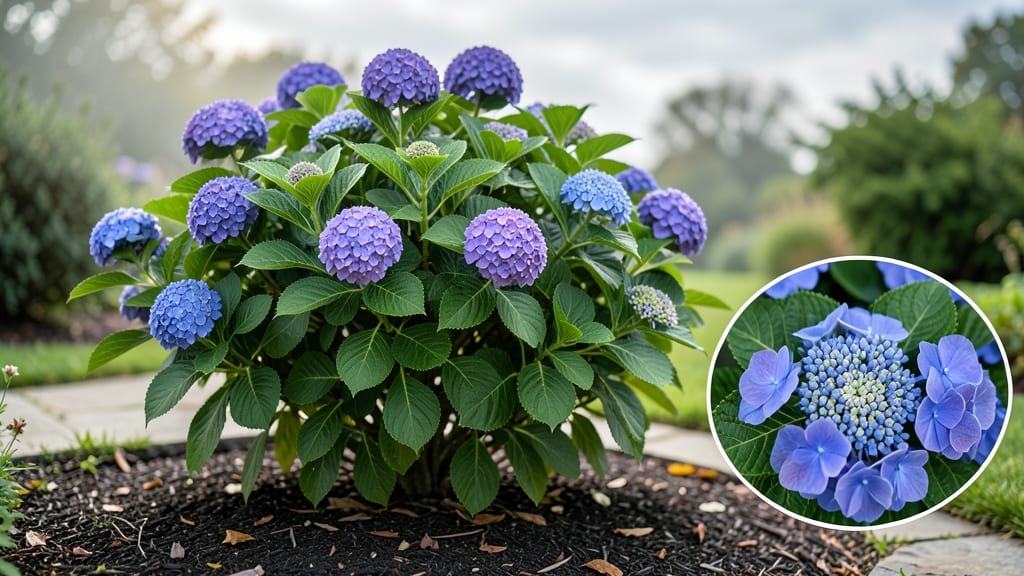
Bigleaf hydrangeas refuse to rebloom? The secret is in two simple steps—pruning at the right time and a copper spray that jumpstarts new growth. 🌿 I’ve turned my once-sleepy bushes into summer-long bloomers by following this exact protocol, and your plants can too.
Most gardeners prune at the wrong time, cutting back too late in the season or removing last year’s blooms when they should be preserving them. The key is pruning after flowering—never before—and using a copper fungicide spray to prevent disease that stunts buds.
Within 4-6 weeks, you’ll see fresh green shoots where there were none before. By late summer, those shoots will burst into clusters of vibrant blooms, staying lush well into fall.
The difference between a one-time spring show and a season-long display comes down to timing, copper, and a little patience. Your neighbors will wonder how you got hydrangeas to perform like this.
This works for bigleaf varieties like 'Endless Summer' or 'Nikko Blue,' but not for panicle or oakleaf types—they have different blooming cycles. Let’s get those blooms coming back strong!
📚 In This Guide
- What you need
- Instructions
- Tips and common mistakes
- Wrapping up and next steps
What you need
- ● Pruning shears or loppers – Sharp, sterilized (alcohol or bleach wipe), with bypass blades for clean cuts. Size: 6–8" for small branches, 10–12" for thicker stems.
- ● Gloves – Garden gloves (nitrile-coated for grip and protection from thorns/spray).
- ● Copper fungicide spray – 2–3% copper sulfate (e.g., Bonide Copper Fungicide or Dyna-Gro Copper Soap). Quantity: 1–2 gallons (enough to cover foliage thoroughly).
- ○ Spray bottle or pump sprayer – 1–2 gallon capacity (for even coverage). Optional: Add a surfactant (like Soap Nut) to help adhesion.
- ○ Pruning sealant – Optional but helpful (e.g., Tanglefoot Tree Wound Pruning Seal) for cuts larger than ½ inch.
- ● Disposable bags or bucket – For removing dead/diseased foliage (1–2 large bags or a 5-gallon bucket).
- ● Label or marker – To tag pruned stems (if tracking growth stages).
- ● Timing: Prune after the first flush of blooms (late spring/early summer) and before new buds form for fall reblooms.
- ● Weather: Calm, dry day (avoid wind/rain for 24–48 hours post-spray to prevent fungal spread).
- ● Hydrangea health: Remove only last year’s wood (stems with blooms) and dead/diseased foliage.
- ● Safety: Wear eye protection if spraying near face/eyes.
Instructions for revitalizing bigleaf hydrangeas
Here’s how I bring back lush blooms and vibrant foliage—step by step, with pruning precision and copper spray timing.
✂️ Step 1: Prune at the Right Time and with Surgical Precision
Wait until late winter or early spring, just before new growth begins—you’ll see swollen buds along the stems. This is the critical window to avoid cutting off next year’s blooms. Grab your sharp pruners and remove dead or crossing branches first, cutting back to a healthy outward-facing bud or lateral branch.
For reblooming varieties, prune only the oldest wood—look for stems that are thicker than a pencil and have no leaves or flowers. Cut these back to 5-7 inches from the ground, leaving 3-5 strong buds on each remaining stem. This encourages new growth from the base, which produces the most vibrant blooms. If you’re unsure which stems are old, wait until late spring when new shoots emerge—then prune the bare stems.
💧 Step 2: Apply Copper Spray for Disease Prevention
Mix 1 tablespoon of copper fungicide (like copper sulfate) with 1 gallon of water in a spray bottle or pump sprayer. Apply this preventative treatment twice: once right after pruning and again 4-6 weeks later when buds begin to swell. Copper disrupts fungal spores before they take hold, which is especially important for bigleaf hydrangeas prone to powdery mildew and leaf spot.
Spray early in the morning on a calm, dry day to avoid fungal growth from prolonged moisture. Focus on both sides of leaves, stems, and buds—this is where pathogens hide. If you notice white powdery residue or dark spots on leaves, increase frequency to every 2 weeks until the threat passes. Copper is safe for plants but wear gloves—it can irritate skin.
☀️ Step 3: Optimize Light and Water for Revival
Bigleaf hydrangeas thrive in morning sun and afternoon shade, but after pruning, they need consistent moisture to recover. Water deeply once a week (or more in hot, dry spells) until water drains 6-8 inches deep into the soil. Check by sticking your finger in—if the soil feels dry past 2 inches, it’s time to water. Mulch with 2-3 inches of organic mulch (like shredded bark) to retain moisture and protect roots from temperature swings.
If your hydrangea isn’t blooming as expected, it might need more light. Move it to a sunnier spot (but avoid harsh afternoon sun in hot climates). You’ll see new leaves emerge within 2-3 weeks—these should be bright green and firm, not yellow or wilted. If leaves appear pale or leggy, it’s getting too much indirect light; trim back nearby trees or relocate slightly.
🌿 Step 4: Fertilize for Strong, Colorful Blooms
Use a balanced, slow-release fertilizer (like 10-10-10) 4-6 weeks after pruning when new growth is 2-3 inches tall. Apply ½ cup per plant and water deeply to activate the granules. Bigleaf hydrangeas respond well to acidic soil—if your blooms are pink instead of blue, add 1 tablespoon of aluminum sulfate per gallon of water once a month during the growing season. For blue blooms, keep soil slightly acidic (pH 5.2-5.5); for pink, aim for neutral (pH 6.0-6.2).
Stop fertilizing 8 weeks before the first frost to allow the plant to harden off for winter. Over-fertilizing late in the season leads to soft, tender growth that freezes easily. You’ll know you’ve got the right balance when stems are sturdy, leaves are deep green, and buds form abundantly by mid-summer. If buds appear but fail to open, it’s often due to late-season heat stress—water deeply and provide light afternoon shade to protect them.
Tips & tricks for revitalizing bigleaf hydrangeas
Reviving bigleaf hydrangeas takes patience and precision—here’s how to avoid common pitfalls and maximize your plant’s potential.
Pruning Precision: In Step 1, when identifying "oldest wood," look for stems that are thicker than a pencil and completely bare—these are the ones to cut back to 5-7 inches. I always make my cuts at a 45-degree angle just above a bud or lateral branch to encourage proper regrowth. If you're unsure which stems are old, wait until late spring when new shoots emerge, then prune the bare stems. This ensures you're not accidentally removing next year's blooms.
Copper Spray Technique: The timing of copper applications in Step 2 is crucial—apply the first spray immediately after pruning to protect fresh cuts, then again at 4-6 weeks when buds swell. I’ve found that using a small handheld sprayer gives better coverage than a large bottle, especially for dense foliage. Always spray early in the morning to allow leaves to dry quickly, which prevents fungal growth from prolonged moisture. If you notice any powdery residue or dark spots before the second application, increase frequency to every 2 weeks until the threat passes.
Light and Water Optimization: After pruning, bigleaf hydrangeas need consistent moisture to recover. In Step 3, I recommend watering deeply until water drains 6-8 inches deep, which ensures roots get the hydration they need. For light adjustments, if your plant isn’t blooming, move it to a sunnier spot but avoid harsh afternoon sun in hot climates. You’ll notice new leaves emerge within 2-3 weeks—these should be bright green and firm, not yellow or wilted. If leaves appear pale or leggy, it’s a sign of too much indirect light.
Fertilizer Timing and Soil pH: In Step 4, applying fertilizer 4-6 weeks after pruning when new growth is 2-3 inches tall is key. I use a balanced, slow-release fertilizer like 10-10-10 and always water deeply afterward to activate the granules. For blue blooms, aim for slightly acidic soil (pH 5.2-5.5), and for pink blooms, neutral soil (pH 6.0-6.2). Stop fertilizing 8 weeks before the first frost to allow the plant to harden off for winter. Over-fertilizing late in the season can lead to soft, tender growth that freezes easily.
Pro Tips for Reblooming Bigleaf Hydrangeas
- Reviving bigleaf hydrangeas takes patience and precision—here’s how to avoid common pitfalls and maximize your plant’s potential.
- Pruning Precision: In Step 1, when identifying "oldest wood," look for stems that are thicker than a pencil and completely bare—these are the ones to cut back to 5-7 inches.
- Copper Spray Technique: The timing of copper applications in Step 2 is crucial—apply the first spray immediately after pruning to protect fresh cuts, then again at 4-6 weeks when buds swell.
Frequently asked questions
Got questions about reviving your bigleaf hydrangeas? You’re not alone!
Here are answers to the most common concerns—from timing tricks to troubleshooting tips—so you can get those blooms back in action.
Can I rebloom bigleaf hydrangeas every year?
With the right care—like late-summer pruning (after blooming) and a copper spray protocol—bigleaf hydrangeas can reliably rebloom annually. Just avoid heavy pruning in early spring, as this removes next year’s flower buds.
When is the best time to prune for reblooming?
The ideal window is late summer to early fall (after blooms fade). This ensures you’re cutting back old wood without sacrificing next year’s flower buds. Skip spring pruning—it can stunt reblooming!
Will copper spray harm beneficial insects?
Copper-based fungicides are selective and generally safe for pollinators like bees when used as directed. Apply early morning or late evening to minimize exposure to bees. Avoid spraying directly on flowers during bloom time.
What if my hydrangeas still don’t rebloom after pruning?
Check for these red flags:
- Over-pruning: Leave 2–3 sets of buds per stem.
- Poor sunlight: Bigleaf hydrangeas need partial shade (not deep shade).
- Nutrient deficiency: Feed with acid-loving plant fertilizer in spring.
- Disease stress: Yellow leaves? Try a copper fungicide or neem oil.
Are there alternatives to copper spray for reblooming?
Yes! Try these natural fungicide options:
- Baking soda spray: Mix 1 tbsp baking soda + 1 tsp dish soap + 1 gallon water (spray weekly).
- Neem oil: Apply every 2–3 weeks (great for powdery mildew).
- Compost tea: Boosts soil health and plant resilience.
Wrapping up and next steps
Reblooming your bigleaf hydrangeas is totally doable with the right pruning timing and copper spray care! 🌸 By cutting back after blooming and applying a copper-based fungicide, you’ll encourage lush, repeat flowers and keep pests at bay.
The key? Patience and consistency—your hydrangeas will thank you with vibrant blooms year after year.
Ready to give it a try? Start small—pick one plant, follow the steps, and watch your garden transform! 🌿 For extra confidence, jot down your pruning dates and spray schedule in a gardening journal. Happy blooming!