
Shrubs
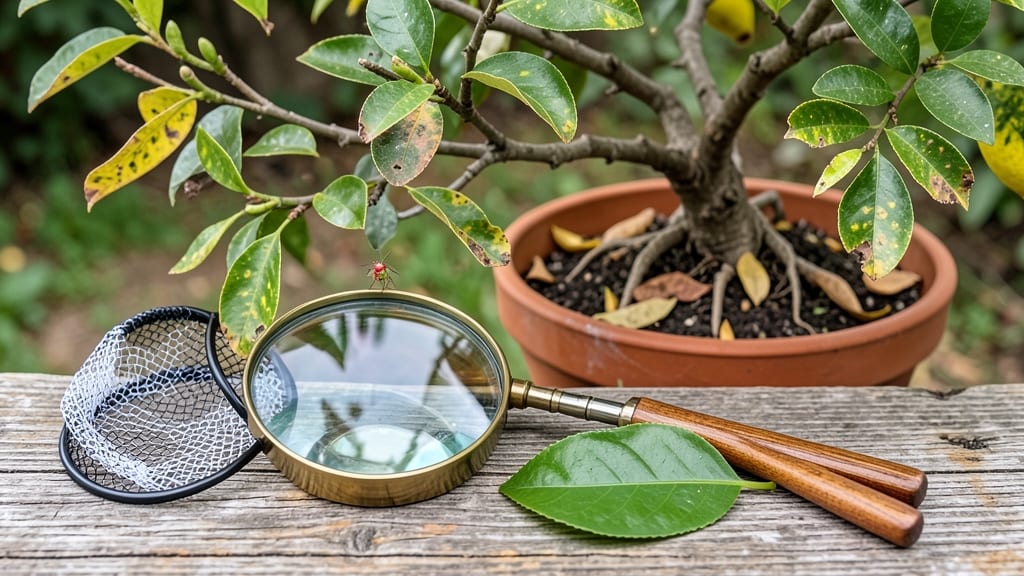
Your plants' crispy, curling leaves aren't just a cosmetic issue—they're a red banded leaf hopper emergency. 🌿 These tiny pests turn lush foliage into brittle paper overnight, and copper spray is the game-changer that stops them in their tracks.
The damage starts with tiny white specks on undersides of leaves, then progresses to crispy edges and stunted growth. I've seen entire shrubs defoliate in weeks when these hoppers go unchecked. The good news? Copper spray disrupts their feeding cycle without harming beneficial insects.
By the time you finish spraying, you'll see new growth emerging within 10-14 days—thick, green, and free from those telltale brown bands. The key is timing: apply when you first spot damage, and repeat every 7-10 days until new growth appears.
Works on roses, azaleas, and fruit trees—any plant these hoppers love. Let's rescue your garden before they move on to the next bush.
Root Causes Of Leaf Damage
Understanding why these tiny pests target your shrubs is the first step to stopping them in their tracks. The red-banded leafhopper isn’t just a random nuisance—it thrives due to specific conditions that make your plants irresistible.
Let’s break down the science behind their behavior and how your garden might be unknowingly inviting them over.
When shrubs are packed too closely together or struggling from poor soil, drought, or nutrient deficiencies, they become weakened and stressed. Here’s why this makes them prime targets:
- Reduced Resilience: Stressed plants produce less sap and weaker cell walls, making it easier for leafhoppers to pierce tissues and feed on phloem (the plant’s nutrient-transport system).
- Higher Sugar Content: Under stress, some plants overproduce sugars as a survival mechanism—leafhoppers are drawn to this sweet, energy-rich sap like a buffet.
- Slower Recovery: Damaged leaves take longer to heal, giving pests more time to transmit plant viruses (like aster yellows) while feeding.
Actionable Fix: Prune for airflow, mulch to retain moisture, and fertilize with a balanced, slow-release formula (like 10-10-10) to reduce stress signals.
These pests love heat and drought. Here’s how climate plays a role:
- Faster Reproduction: Red-banded leafhoppers mature in as little as 30 days in warm conditions (75–90°F), leading to explosive population growth.
- Dry Soil = Sticky Sap: When soil lacks moisture, plants concentrate sugars in their leaves, making them even more appealing to feeders.
- Desiccation Stress: Dry air weakens plant defenses, while leafhoppers’ waxy exoskeletons help them retain moisture—giving them a survival advantage.
Actionable Fix: Use drip irrigation or soaker hoses to keep roots hydrated without wetting foliage (which can spread fungal diseases). Early morning watering (before 10 AM) minimizes evaporation.
In a healthy ecosystem, predators like ladybugs, lacewings, and parasitic wasps keep leafhopper populations in check. But when these helpers are missing:
- Chemical Overuse: Broad-spectrum pesticides (e.g., neonicotinoids) kill beneficial insects faster than they harm pests, creating a vacuum that leafhoppers rush to fill.
- Monoculture Planting: Gardens with only one type of shrub (like a row of boxwoods) offer no habitat diversity, reducing predator populations.
- Urban Heat Islands: Concrete and pavement disrupt microclimates, making it harder for predator species to thrive near your plants.
Actionable Fix: Introduce pollinator-friendly plants (e.g., dill, yarrow, or alyssum) to attract predators. Avoid systemic pesticides—opt for targeted sprays (like horticultural oil) during nymph stages.
Stagnant air isn’t just uncomfortable for you—it’s a leafhopper’s dream. Here’s how it helps them:
- Higher Humidity: Moist, still air slows plant transpiration, making leaves softer and easier to penetrate. - Fungal Hitchhikers: Leafhoppers often carry sooty mold spores, which thrive in damp, low-light conditions.
The mold blocks sunlight, further stressing the plant. - Pest Traps: Dense foliage creates hidden microclimates where nymphs (baby leafhoppers) can develop undetected.
Actionable Fix: Prune to open the canopy by 30–50%, and use fan oscillators in greenhouses or shaded areas to improve airflow. Space shrubs 3–5 feet apart based on mature size.
Some plants are naturally more resistant, but genetic susceptibility and past damage can tip the scales:
- Genetic Vulnerability: Certain shrubs (e.g., boxwood, lilac, or viburnum) are known hosts because their leaf chemistry lacks defensive compounds like tannins or alkaloids.
- Past Infestations: Plants that have survived a leafhopper attack once may retain damaged vascular tissue, making them easier targets for repeat visits.
- Root Damage: Compaction or girdling roots (from lawnmowers or construction) starve the canopy, signaling to pests that the plant is an easy meal.
Actionable Fix: Choose resistant varieties (e.g., ‘Green Velvet’ boxwood) or rotate crops if growing in containers. Test soil pH (aim for 6.0–7.0)—acidic soil can weaken defenses in some species.
Pro Tip 💡: Early detection is key! Check undersides of leaves and new growth weekly—leafhoppers lay eggs in slits they cut into stems, and nymphs emerge in 7–10 days. Catching them young means less damage and fewer sprays needed.
Quick Fixes for Leaf Damage
If your shrubs are showing signs of stress from tiny sap-sucking pests leaving behind sticky residue and curled leaves, don’t panic—there are practical ways to restore their health. Below are targeted solutions based on the root causes of the problem, along with prevention tips to keep your plants thriving.
Cause: Heavy infestations weaken plants by draining nutrients. Fix:
- 🍳 Inspect daily: Check for curled, yellowed, or sticky leaves (a sign of honeydew).
- 👨🍳 Prune aggressively: Snip off severely damaged leaves with clean, sharp shears.
- 🔪 Dispose properly: Seal infested leaves in a trash bag to prevent reinfestation.
Pro Tip: Focus on new growth first—these areas are most vulnerable. 💡
Cause: Early-stage pests can be controlled without harsh chemicals. Fix:
- 🥘 Neem oil spray: Mix 1 tbsp neem oil + 1 tsp mild soap in 1 quart of water. Spray undersides of leaves where pests hide.
- 🌡️ Insecticidal soap: Apply in the evening to avoid harming beneficial insects.
- ✨ Repeat weekly: Consistency is key—pests multiply fast!
Pro Tip: Test sprays on a small leaf first to avoid over-wetting delicate shrubs. 🎯
Cause: Large clusters of pests or repeated outbreaks. Fix:
- 🔥 Copper fungicide spray: Use a pre-mixed solution (follow label rates).
- 👨🍳 Apply at dusk: Reduces risk to bees and other pollinators.
- ⏰ Reapply every 7–10 days: Copper disrupts pest life cycles over time.
Pro Tip: Combine with pruning for faster results. Copper works best as a preventive barrier. 🔥
Cause: Poor plant health or environmental factors attract pests. Fix:
- 💪 Strengthen plants: Water deeply but infrequently to avoid stress.
- 🥗 Mulch heavily: Use organic mulch (like wood chips) to deter pests naturally.
- 🍎 Encourage predators: Ladybugs and lacewings love these pests—plant companion flowers like marigolds nearby.
Pro Tip: Avoid over-fertilizing—soft new growth is a buffet for sap-suckers! 💪
Final Note: Start with removal and natural sprays before resorting to copper. Early action saves your shrubs—and your sanity! 🌿
Frequently asked questions
What do red-banded leaf hopper eggs look like?
These tiny eggs are white to pale yellow and about 1/16-inch long, laid in neat rows along leaf veins or inside slits the adults cut in stems. Look closely at new growth—eggs hatch in 7-10 days into nymphs that resemble miniature adults but without wings.
Can copper spray harm beneficial insects?
When used correctly, copper fungicide is selective and targets pests while being less harmful to beneficial insects than broad-spectrum chemicals. Apply at dusk to minimize exposure to bees, and avoid spraying when flowers are open. Always follow label instructions for dilution rates.
Why do my plants keep getting reinfested after treatment?
Reinfestations often happen because adults migrate from nearby untreated plants or because treatments weren't reapplied frequently enough. The red-banded leaf hopper has multiple generations per year, so apply copper spray every 7-10 days until new growth appears. Also check neighboring plants—they may be acting as reservoirs.
Are there any plants that are completely resistant?
No plants are 100% resistant, but some varieties tolerate infestations better. Try 'Green Velvet' boxwood or dwarf lilacs—they show less severe damage. For containers, rotate crops annually to disrupt the pest's life cycle and reduce buildup in soil.
How can I tell if my plant has a virus from leaf hoppers?
Watch for yellowing between leaf veins, stunted growth, or distorted new leaves—classic signs of aster yellows virus transmitted by these pests. Unlike direct feeding damage, viral symptoms won't improve with copper spray. Remove severely infected plants immediately to prevent spread.