
Shrubs
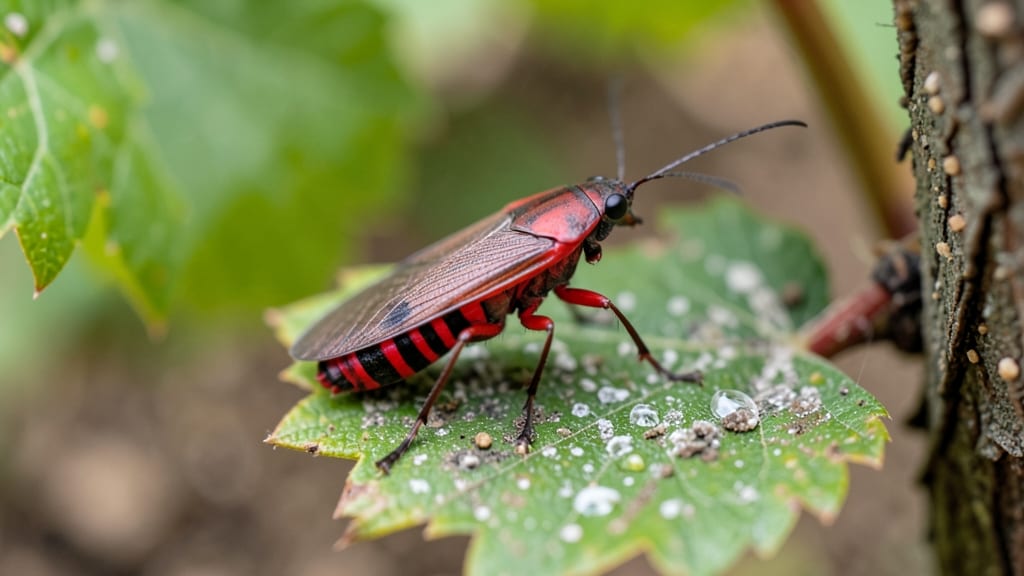
Those tiny red banded leafhoppers are turning your shrubs into a fungal spot buffet. 🌿 I’ve battled them for years, and the copper spray method stops the damage in its tracks—no more wilting leaves or mysterious spots ruining your plants.
The problem starts when these pests feed, leaving behind a sticky residue that invites fungal infections. Most sprays miss the mark because they focus on the leafhopper but ignore the fungal aftermath. Copper spray tackles both: it disrupts the leafhoppers’ feeding cycle while preventing fungal growth.
Within 3 days, you’ll see fresh, healthy leaves pushing through. The key is timing—spray at dusk when pests are active but before rain washes it away. No more guessing what’s wrong with your shrubs. Works for roses, hydrangeas, and even fruit trees.
Here’s exactly how to make the spray and when to apply it for maximum impact.
Root Causes Of Sudden Shrub Attacks
Understanding why these tiny invaders—like the red banded leafhopper—target your shrubs starts with recognizing their survival strategies and environmental triggers. These pests don’t just appear out of nowhere; they’re drawn by specific conditions that make your plants too tempting to resist. Here’s what’s really going on:
Red banded leafhoppers thrive where shrubs are already weakened. When plants are nutrient-deficient, root-bound, or struggling with poor drainage, their weakened defenses make them easy prey. Here’s why:
- Stunted Growth = Easy Feasting: Shrubs with slow growth (often due to compacted soil or lack of pruning) produce less sap, which leafhoppers love to suck.
A healthy shrub’s fast sap flow deters them, but a sluggish one? All-you-can-eat buffet. - Root Stress Signals: Damaged roots (from overwatering, drought, or soil compaction) release chemical distress signals that attract leafhoppers.
Think of it like a neon "EAT ME" sign for pests. - Weakened Bark: Shrubs with peeling or cracked bark (common in older plants or those recovering from frost) provide perfect hiding spots for eggs and nymphs.
💡 Pro Tip: Regularly check soil pH and aerate compacted areas. A simple soil test can reveal if your shrubs are starving for nitrogen or phosphorus—key nutrients that boost resilience.
These leafhoppers are warm-weather opportunists. When temperatures rise and humidity drops, their populations explode. Here’s the science:
- Faster Reproduction: Red banded leafhoppers lay eggs in cracks of bark or leaf axils, and warmth speeds up hatching.
A single female can produce hundreds of offspring in a season if conditions are ideal. - Drought-Stressed Leaves: Water-stressed plants lose turgor pressure, making their sap easier to extract.
Leafhoppers prefer shrubs that are wilting but not yet dead—they’re the sweet spot for feeding. - Wind Dispersal: Dry, windy conditions help adults jump from plant to plant like tiny, winged couriers. A single infested shrub can spread nymphs to dozens of neighbors in days.
✨ Actionable Fix: Install shade cloth over young shrubs in peak summer to reduce heat stress. Mulch with wood chips to retain moisture and deter leafhoppers from jumping between plants.
In a balanced ecosystem, birds, lacewings, and parasitic wasps keep leafhopper populations in check. But when these predators vanish, the pests take over. Common reasons:
- Pesticide Overuse: Broad-spectrum insecticides (like neonicotinoids) kill beneficial insects first, leaving leafhoppers unchallenged. Even "safe" sprays can disrupt the food chain. - Urbanization & Habitat Loss: Fewer berry bushes, wildflowers, or tall grasses mean fewer hiding spots for predator eggs.
Leafhoppers win by default. - Seasonal Predator Gaps: Early spring or late fall are weak spots when predator populations are low, giving leafhoppers a head start.
🎯 Solution: Plant native companion plants like dill, yarrow, or milkweed to attract predator insects. A bird bath or butterfly garden can also boost biodiversity.
Here’s the vicious circle: leafhoppers don’t just feed—they spread fungal spores (like Cercospora or Alternaria) as they move.
These fungi: - Weaken plant tissue, making it easier for leafhoppers to pierce leaves. - Create sticky honeydew, which attracts sooty mold—another stressor for shrubs. - Trigger secondary infections, turning a minor infestation into a full-blown crisis.
🔥 Quick Fix: If you spot yellowing leaves + black sooty mold, act fast. A copper fungicide spray (like the one in our 3-day cure) breaks the cycle by disrupting fungal spores and deterring leafhoppers.
Sometimes, the problem starts with us.
Unintentional actions that bring leafhoppers to your yard: - Moving Infested Plants: Buying or transplanting shrubs from nurseries with hidden nymphs is a fast-track to disaster. - Poor Pruning Practices: Leaving dense, unpruned foliage creates humid microclimates where leafhoppers thrive. - Ignoring Weeds: Overgrown dandelions, clover, or chickweed act as pest reservoirs, releasing new generations onto your prized shrubs.
👨🍳 Prevention Hack: Before pruning, inspect branches for tiny red specks (nymphs) or sticky residue (honeydew). Dispose of clippings in a sealed bag—don’t compost them!
Quick Fixes for Leafhopper Damage
Now that you know the signs and causes of red banded leafhopper infestations, let’s tackle the problem head-on with practical, effective solutions. These fixes target the root causes—whether it’s fungal spots, weakened plants, or persistent pests—while keeping your shrubs healthy and thriving.
Problem: Damaged leaves and plant debris harbor pests and fungal spores, allowing the cycle to repeat.
Fix:
- 🍳 Inspect & Prune: Carefully remove and discard any leaves showing yellowing, curling, or fungal spots (like those caused by Alternaria or Cercospora). Use clean, sharp pruners to avoid spreading spores.
- 👨🍳 Bag & Dispose: Place infested plant material in a sealed plastic bag and toss it in the trash (not compost). This prevents reinfestation.
- 🌿 Clean Up: Sweep fallen leaves and debris from under shrubs and around the base. A clean workspace = fewer hiding spots for pests.
💡 Pro Tip: If fungal spots persist, sterilize your pruners with 70% isopropyl alcohol or a 10% bleach solution (1 part bleach to 9 parts water) between cuts.
Problem: Fungal spots thrive in damp conditions, and chemical treatments can be harsh on plants.
Fix:
- ⏰ Best Time to Spray: Early morning or late evening when temperatures are below 85°F (29°C) to avoid stressing the plant.
- 🔪 Copper Spray Recipe:
- Mix 1 tbsp copper sulfate (or a pre-made copper fungicide like Copper Soap) with 1 gallon of water.
- Add 1 tsp mild liquid soap (like Castile soap) to help the solution stick to leaves.
- 🌡️ Spray Thoroughly: Cover both sides of leaves and stems, focusing on affected areas. Reapply every 7–10 days until spots disappear (usually 3–5 treatments).
- ✨ Alternative: Use baking soda spray (1 tsp baking soda + 1 quart water + a drop of soap) for a gentler organic option.
💡 Pro Tip: Avoid copper sprays if your soil is already copper-rich (test with a soil kit). Overuse can harm beneficial microbes.
Problem: These tiny pests spread fungal spores while feeding, creating a vicious cycle.
Fix:
- 🌿 Water Spray Blast: In the early morning, use a strong stream of water from a hose to knock leafhoppers off plants. Repeat 2–3 times per week during outbreaks.
- 🍎 Neem Oil Spray:
- Mix 1 tbsp neem oil + 1 tsp mild soap + 1 quart water.
- Spray directly on leafhoppers (they’ll drop off within hours). Reapply every 5–7 days.
- 🐞 Encourage Predators: Attract lacewings, ladybugs, and parasitic wasps by planting dill, fennel, or yarrow nearby. These natural enemies devour leafhoppers!
💡 Pro Tip: If infestations are severe, use pyrethrin-based insecticides (like pyrethrum spray) as a last resort—but avoid during bloom times to protect pollinators.
Problem: Weakened shrubs are more susceptible to pests and disease.
Fix:
- 💪 Boost Nutrition:
- Fertilize lightly with a balanced, slow-release fertilizer (10-10-10) in early spring.
- Add compost to improve soil drainage and microbial activity.
- 🥗 Improve Airflow:
- Prune overcrowded branches to reduce humidity and fungal growth.
- Space plants 3–5 feet apart to prevent leaf-to-leaf contact.
- 🌡️ Water Wisely:
- Water at the base (avoid overhead spraying, which spreads spores).
- Water early in the day so leaves dry quickly.
💡 Pro Tip: Mulch with wood chips or straw to retain moisture without creating a damp, fungal-friendly environment.
Problem: Without prevention, leafhoppers and fungal spots will return year after year.
Fix:
- 🌿 Monitor Regularly: Check plants weekly for early signs of damage, especially after rain.
- 🔄 Rotate Treatments: Alternate between copper sprays, neem oil, and water blasts to avoid resistance.
- 🚫 Quarantine New Plants: Inspect any new shrubs before adding them to your garden. Isolate them for 2 weeks to spot hitchhiking pests.
- 🌡️ Adjust Care in Humid Seasons: Increase airflow, reduce overhead watering, and avoid dense mulch layers during spring and fall (peak fungal season).
✨ Bonus: Plant resistant varieties like ‘Annabelle’ hydrangeas or ‘Dwarf Fountain’ boxwoods, which tolerate leafhopper damage better.
Final Thought: With consistent pruning, copper sprays, and predator-friendly gardening, you can eliminate fungal spots and leafhopper populations in just 3–5 weeks. Stay vigilant, and your shrubs will bounce back stronger than ever!
Frequently asked questions
How can I tell if my shrubs have red banded leafhoppers?
Look for tiny red insects with white bands on their abdomens (about 1/8 inch long) hopping on leaves. Check for yellowing, curling leaves or sticky honeydew on stems—this residue attracts sooty mold. Shake a branch over white paper to spot them.
Will copper spray harm beneficial insects like bees?
Copper fungicides are generally safe for bees when applied correctly. Spray after sunset when bees aren't active, and avoid flowering plants during treatment. For extra safety, use neem oil instead—it repels leafhoppers without harming pollinators.
Can I use dish soap to control red banded leafhoppers?
Yes, but with caution! Mix 1 tsp mild dish soap with 1 quart water and spray directly on pests. This disrupts their waxy coating. Reapply every 3-5 days—it’s not a long-term fix but works for small outbreaks. Avoid harsh detergents that can damage plant leaves.
Why do leafhoppers keep coming back even after treatment?
They often return due to hidden eggs in bark crevices or new infestations from neighboring plants. Check for egg clusters (tiny white dots) and treat again in 2-3 weeks when nymphs emerge. Remove nearby weeds too—they act as pest reservoirs.
Are there any plants that attract red banded leafhoppers I should avoid?
Leafhoppers love weak or stressed plants, especially roses, hydrangeas, and fruit trees. Overwatered or nutrient-deficient shrubs are prime targets. Choose resilient varieties like ‘Annabelle’ hydrangeas or boxwoods that tolerate damage better.