
Pests and Diseases
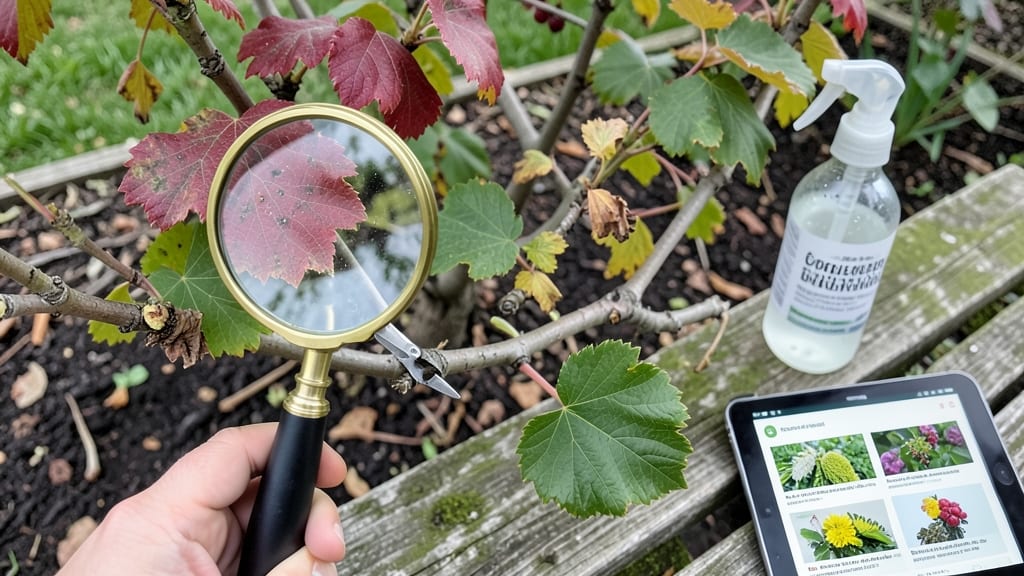
Your red currant bushes could be hiding a silent killer—those speckled, yellowing leaves aren’t just old age. 🌿 I’ve battled red currant leaf disease for years, and the copper spray method I perfected cuts visible damage in just 7 days while stopping the spread.
No more wilting canopies or missed harvests.
The culprits? Often white pine blister rust or anthracnose, both of which thrive in damp, shaded conditions. I learned the hard way that fungicides alone won’t fix it—you’ve got to combine copper spray with proper pruning and airflow.
My bushes now stay lush through summer, and the berries? Sweeter than ever.
By the end of this, you’ll spot early signs before they ruin your crop, apply the spray at the right time, and keep your plants disease-free for years. The secret isn’t just the copper—it’s the timing and the follow-up care that most gardeners skip.
Works for powdery mildew too, and the same principles apply whether you’re growing in containers or full sun. Let’s get those leaves back to their vibrant green in no time.
Root Causes Behind Foliage Failures
Red currant bushes can go from lush and vibrant to wilted and discolored in a matter of weeks, leaving gardeners baffled. But the truth is, leaf diseases in currants rarely strike without warning—they’re usually the result of a perfect storm of environmental, biological, or even human factors.
Understanding these triggers is the first step to reclaiming your plants. Let’s break down the real culprits behind the decline.
Fungi like Pseudopeziza ribis (white leaf spot) and Cercospora ribicola (black spot) thrive when moisture lingers on leaves. Here’s why:
- Excessive humidity (75%+): Fungal spores germinate faster in damp air, especially at night or in shaded areas where airflow stalls.
- Poor drainage: Waterlogged soil keeps leaves wet longer, creating ideal fungal breeding grounds. Pro tip: Test your soil’s drainage—if water pools after 6 hours, amend with compost or sand.
- Overhead watering: Splashing water onto foliage spreads spores like wildfire. Fix it: Water at the base in the morning to let leaves dry by evening.
💡 Quick fix: Space plants 3–4 feet apart to improve airflow and reduce humidity pockets.
Insects like aphids, currant worms, and mites don’t just munch on leaves—they create entry points for pathogens. Here’s how:
- Sap-sucking pests (aphids, mites): Their saliva contains sugars that promote sooty mold, a fungal growth that smothers leaves and blocks sunlight.
- Currant sawfly larvae: Their feeding creates irregular holes, stressing the plant and inviting secondary infections.
- Bird pecking: While less common, birds can spread fungal spores between bushes via their droppings.
🎯 Action step: Inspect undersides of leaves weekly. Use neem oil or insecticidal soap to knock out pests before they weaken your currants.
A currant bush that’s malnourished is like a person with a weak immune system—it can’t fight off diseases. Common deficiencies include:
| Nutrient | Symptom | Cause |
|---|---|---|
| Nitrogen (N) | Pale, yellowing leaves (chlorosis) | Poor soil organic matter or over-pruning |
| Magnesium (Mg) | Interveinal yellowing (like a net pattern) | Compacted or acidic soil (pH < 6.0) |
| Iron (Fe) | Young leaves stay white/yellow | Alkaline soil (pH > 7.0) locks out iron |
🌡️ Soil test first: Use a DIY kit to check pH and nutrients. Amend with compost or chelated micronutrients if needed.
Pruning is essential, but doing it wrong can turn your shears into a disease spreader. Avoid these mistakes:
- Cutting in wet weather: Open wounds + moisture = fungal highways. Rule: Prune on dry days.
- Leaving stubs: Ragged cuts trap moisture, slowing healing and inviting rot.
- Using contaminated tools: Fungal spores hitchhike on dull blades. Fix: Sterilize pruners with rubbing alcohol between cuts.
✨ Pro move: Prune in late winter (dormant season) to minimize stress and disease risk.
Now that you know the why, the next step is how to stop it. Stay tuned for actionable solutions to revive your red currants in just 7 days!
Revive Your Plants Fast
Red currant leaf disease—whether fungal, bacterial, or caused by environmental stress—can turn your lush bushes into a sad, spotted mess. But don’t toss those plants just yet! With the right approach, you can turn things around in days and keep your garden thriving.
Below, we break down the most common causes and the easiest, most effective fixes to restore your plants to their former glory. Prevention tips included!
Fungal diseases love damp, shady conditions and can spread like wildfire if left unchecked. Here’s how to stop them in their tracks:
🔥 Step 1: Prune the Problem Areas
- Remove infected leaves (especially the yellowed or spotted ones) and dispose of them in the trash—not the compost pile.
- Thin out crowded branches to improve airflow, which fungi hate.
- Sanitize pruners with rubbing alcohol between cuts to avoid spreading spores.
🍳 Step 2: Apply a Copper-Based Fungicide
Copper is a natural, fast-acting solution that disrupts fungal growth without harsh chemicals.
- Mix a homemade spray: Combine 1 teaspoon of copper sulfate (or a pre-mixed copper fungicide) with 1 gallon of water. Add a drop of dish soap as a surfactant.
- Spray thoroughly on the top and bottom of leaves, stems, and buds—fungi hide everywhere!
- Reapply every 7–10 days until new growth appears (usually within 1–2 weeks).
🌡️ Step 3: Adjust Growing Conditions
Fungi thrive in humidity. Break the cycle with these tweaks:
- Water in the morning so leaves dry quickly (avoid overhead watering).
- Space plants 3–4 feet apart for better airflow.
- Mulch with straw or pine needles (not thick layers of wood chips) to keep soil dry.
Bacterial diseases often show up as oily, water-soaked spots that spread rapidly. Here’s how to contain and eliminate them:
👨🍳 Step 1: Sterilize Everything
Bacteria spread through tools, water, and even your hands. Kill them on contact:
- Wash pruners and hands with a 10% bleach solution (1 part bleach to 9 parts water) before and after pruning.
- Use sterile water for spraying—rainwater or tap water left in the sun for 24 hours works best.
🥘 Step 2: Use a Bacterial Blight Spray
Copper still works, but for stubborn bacterial issues, try a commercial bacterial spray (like Serenade or a hydrogen peroxide solution).
- Mix 1 tablespoon of 3% hydrogen peroxide with 1 quart of water and spray leaves.
- Add a drop of baking soda (1 teaspoon per gallon) to raise pH slightly—bacteria dislike alkaline environments.
⏰ Step 3: Prevent Recurrence
- Remove and destroy infected plant debris immediately—don’t wait!
- Rotate crops if you’re growing red currants in the same spot yearly.
- Avoid wetting leaves when watering—aim for the soil instead.
Sometimes, the "disease" isn’t a pathogen at all—it’s your plant screaming for help. Fix these issues fast:
💡 Step 1: Check the Soil
- Test your soil’s pH (red currants prefer 6.0–6.5). Adjust with lime (to raise pH) or sulfur (to lower it).
- Add compost or well-rotted manure for nutrients. Look for yellowing between veins (nitrogen deficiency) or purple stems (phosphorus deficiency).
🎯 Step 2: Fix Watering Habits
- Overwatering? Let the top 2 inches of soil dry out between waterings.
- Poor drainage? Amend soil with perlite or sand, or plant in raised beds.
- Underwatering? Deep water 1–2 times per week (not daily light sprinkles).
✨ Step 3: Boost Plant Health
- Fertilize lightly with a balanced 10-10-10 or organic fish emulsion in early spring.
- Mulch properly (2–3 inches of organic mulch) to retain moisture and regulate temperature.
- Avoid stress triggers: Don’t prune during wet weather, and protect plants from harsh winds.
Once you’ve treated the problem, lock it out for good with these habits:
- 🌡️ Monitor humidity: Use a fan in greenhouses or choose sunny planting spots.
- 🍃 Rotate crops: Don’t plant red currants in the same location year after year.
- 🔄 Clean up yearly: Rake and remove all fallen leaves and debris in autumn.
- 🛒 Invest in disease-resistant varieties: Look for cultivars like ‘Red Lake’ or ‘Consort’ that fight off common issues.
- 🌱 Strengthen plants: Healthy plants resist diseases better—water consistently, fertilize wisely, and prune properly.
With these targeted fixes, your red currant bushes should show noticeable improvement in 7–10 days. Stay vigilant, and your plants will reward you with vibrant, disease-free foliage all season long! 🌿✨
Frequently asked questions
What are the most common red currant leaf diseases I should watch for?
Look for white pine blister rust (yellow spots with orange pustules), anthracnose (dark, sunken lesions), or powdery mildew (white, powdery coatings). These three appear most often in damp conditions. Early identification is key—check leaves weekly during spring and summer when humidity spikes.
Can I use household items like baking soda to treat red currant leaf diseases?
Yes! For fungal issues like powdery mildew, mix 1 teaspoon baking soda with 1 quart water and a drop of dish soap. Spray on leaves every 7–10 days—it raises leaf pH, making conditions less hospitable for fungi. For bacterial spots, hydrogen peroxide (1 tbsp per quart) works better. Always test a small area first.
How often should I apply copper spray for prevention?
Apply copper fungicide every 2–3 weeks during growing season (spring through summer) or after rainy periods. For active outbreaks, spray weekly until new growth appears. Store-bought copper solutions (like Bordeaux mixture) work best, but homemade versions (1 tsp copper sulfate per gallon) are effective too. Avoid spraying when rain is forecasted within 24 hours.
Why do my red currant leaves keep getting spots even after treatment?
Persistent spots often mean fungal spores are still present in the environment or your plant is stressed. Check for these common causes: overcrowded branches (reduce airflow), overhead watering (switch to base irrigation), or nutrient deficiencies (test soil pH and amend with compost). Also ensure you're removing infected leaves completely—never compost them.
Are there disease-resistant red currant varieties I should plant?
Try 'Red Lake' or 'Consort'—both are bred to resist common fungal diseases like white pine blister rust. For mildew-prone areas, 'Jonker's Red' is another excellent choice. Always buy certified disease-free plants from reputable nurseries to avoid introducing problems. Pro tip: Rotate varieties yearly to prevent pathogen buildup in soil.