
Shrubs
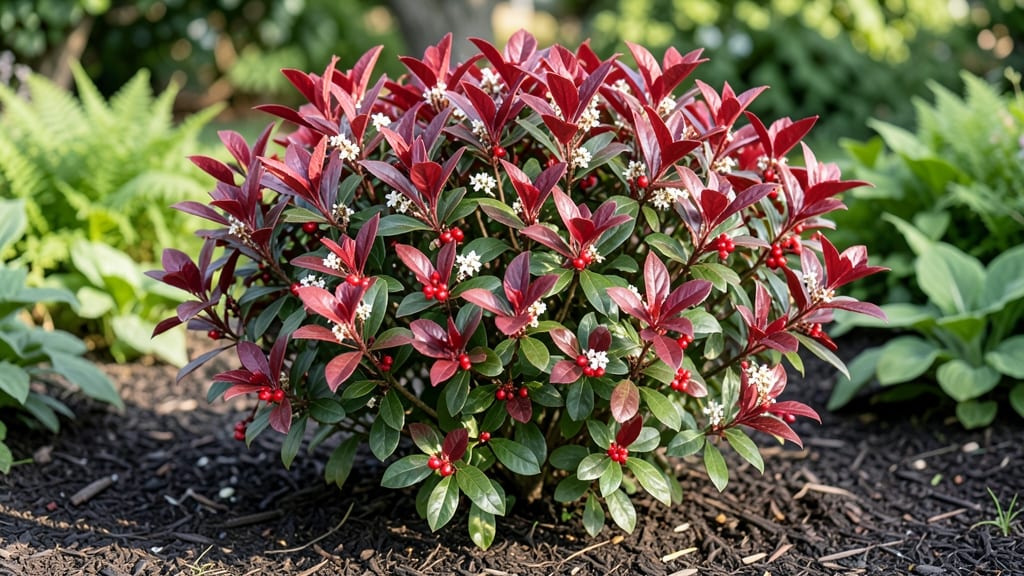
Growing red leaf photinia transforms your yard into a year-round foliage show with almost no effort. 🌿 This cold-hardy shrub thrives in zones 7-9, delivering vibrant red leaves that turn deep green in summer—then back to fiery red in fall.
The best part? It grows fast (up to 2 feet per year) and handles neglect better than most shrubs.
Start with well-draining soil and full sun to partial shade—this plant won’t fuss if you forget to water. Plant in early spring or fall, spacing them 6-10 feet apart for that lush, hedge-like look.
Red leaf photinia also tolerates urban pollution, making it perfect for city gardens or busy landscapes where other plants struggle.
Pruning is minimal—just remove dead branches in late winter or early spring. For shape, trim lightly after flowering (spring) to encourage bushier growth. The foliage stays stunning with almost no maintenance, and deer usually leave it alone, which is a bonus in rural areas.
Use it as a privacy screen, foundation plant, or bold accent shrub—its striking color pops against evergreens or perennials. Once established, it’s drought-tolerant and pest-resistant, making it one of the most foolproof shrubs for low-maintenance gardens.
📚 In This Guide
- What you need
- Instructions
- Tips and common mistakes
- Wrapping up and next steps
What you need
- ● Red Leaf Photinia plants: 1–3 nursery-grown specimens (3–4 ft tall, 2–3 ft wide at maturity). Choose healthy, disease-free plants with vibrant red leaves.
- ● High-quality soil: 2–3 cubic yards of well-draining, slightly acidic soil (pH 5.0–6.5). Mix in 20% compost or organic matter for fertility.
- ● Mulch: 3–4 inches of pine bark or shredded wood chips to retain moisture and suppress weeds.
- ● Slow-release fertilizer: 10–10–10 or 12–12–12 formula (5 lbs per plant) for initial planting.
- ● Watering can or hose: With a gentle spray nozzle (or soaker hose for efficiency).
- ● Shovel or spade: For digging holes (18–24 inches wide/deep).
- ● Garden gloves: Heavy-duty to protect hands from thorns.
- ● Pruning shears: Bypass pruners (sharp, 6–8 inch blades) for shaping.
- ● Measuring tape: To ensure proper spacing (6–10 ft apart for mature size).
- ○ Stakes & twine (optional): For young plants in windy areas.
- ● Sunlight: Full sun to partial shade (6+ hours of direct sun daily for best foliage color).
- ● Climate zone: USDA 7–11 (cold-hardy to 0°F with proper care).
- ● Water access: Drip irrigation or hose nearby for consistent moisture.
- ● Time commitment: 15–30 minutes for planting + weekly watering for the first year.
Step-by-Step guide to planting and establishing red leaf Photinia
This cold-hardy shrub thrives with minimal fuss—just follow these simple steps for vibrant foliage year after year.
🌱 Step 1: Choose the Perfect Planting Spot
Red Leaf Photinia loves full sun to partial shade, with at least 6 hours of direct sunlight daily for the deepest red foliage. I always plant mine where they’ll get morning sun and afternoon shade in hotter climates—this prevents leaf scorch while keeping the color vibrant. The soil should drain well; if yours is heavy clay, amend with 2-3 inches of compost mixed into the top 12 inches.
Dig a hole twice as wide and just as deep as the root ball. This gives roots room to spread without circling, which stunts growth. If planting multiple shrubs, space them 6-8 feet apart—they’ll grow 10-15 feet wide and tall over time. A little extra space now prevents future crowding and competition.
🪴 Step 2: Plant with Care for Strong Root Establishment
Gently remove the plant from its container and loosen any tangled roots with your fingers. Place it in the hole so the top of the root ball sits 1 inch above ground level—this prevents water from pooling around the stem, which can rot it over time. Backfill with native soil, tamping lightly every 2 inches to eliminate air pockets.
Water deeply right after planting to settle the soil and encourage root contact. You’ll know it’s right when water drains freely from the bottom of the hole—no soggy soil or puddles. Mulch with 2-3 inches of shredded bark or wood chips, keeping it 3 inches away from the stem to prevent moisture buildup that invites disease.
☀️ Step 3: Water Consistently for the First Season
Keep the soil evenly moist but not soggy for the first 6-8 weeks—this is critical for root establishment. Water when the top 2 inches of soil feel dry, which usually means 2-3 times per week in warm weather. Overwatering now leads to weak roots and fungal issues later.
After the first season, Photinia becomes drought-tolerant once established. You’ll see it when new growth appears in spring—healthy stems should be firm, not mushy, and leaves should stay a rich red without browning at the edges. If leaves wilt slightly in heat, water deeply in the morning to revive them before evening.
✂️ Step 4: Prune Strategically for Shape and Health
Prune Red Leaf Photinia in late winter or early spring, just before new growth begins. Remove any dead, diseased, or crossing branches first—these compete for energy and can spread problems. Cut back to a healthy bud or branch junction, never leaving stubs. I always sterilize my pruners with rubbing alcohol between cuts to prevent bacterial spread.
For shaping, focus on opening the center of the shrub to improve airflow and light penetration. You’ll know you’ve done it right when you can see through the middle without dense branches blocking sunlight. Avoid heavy pruning in summer—it stresses the plant and can reduce next year’s vibrant foliage.
🌿 Step 5: Maintain for Long-Term Vibrancy
Fertilize in early spring with a balanced, slow-release fertilizer (10-10-10 or similar) to support new growth. Spread it evenly over the root zone and water it in well. Over-fertilizing leads to lush foliage but weak stems—think quality over quantity. If your soil is nutrient-rich, you might skip this step entirely.
Watch for aphids or spider mites, which love Photinia’s tender new growth. A strong spray of water usually knocks them off, or use insecticidal soap if infestations persist. Healthy plants rarely need pesticides, but early intervention prevents spread. With proper care, your Red Leaf Photinia will reward you with dramatic foliage for decades.
Tips & tricks for perfect red leaf Photinia establishment
Here's what nobody tells you about getting that showstopping foliage without the fuss.
Sunlight Strategy: That 6-hour minimum of sunlight is non-negotiable for those deep red leaves, but here's the secret: position your plant where it gets morning sun and afternoon shade in hotter climates. I've seen leaf scorch turn vibrant foliage into sad brown patches when plants get too much afternoon heat. If you're in a shady spot, don't worry—Photinia will still grow, just with less intense color.
Root Ball Revelation: The 1-inch elevation above ground level in Step 2 isn't just about drainage—it's about preventing stem rot. I learned this the hard way when my first plant developed a mushy stem from sitting too low. That small adjustment makes all the difference between a thriving shrub and one that struggles from day one.
Watering Wisdom: Those first 6-8 weeks are critical, but timing matters just as much as frequency. Water in the morning so leaves dry completely by evening—this prevents fungal diseases that can turn your beautiful foliage into a sad, spotted mess. I set a reminder on my phone for the first few weeks to make sure I didn't skip watering during busy periods.
Pruning Precision: When shaping your Photinia in Step 4, focus on creating that open center like a natural vase shape. This isn't just about looks—it improves airflow which prevents fungal issues and makes future pruning easier. I always make my cuts just above a healthy bud, and I've found that using sharp, sterilized pruners keeps the plant healthier longer.
Pro Tips for Red Leaf Photinia
- Here's what nobody tells you about getting that showstopping foliage without the fuss.
- Sunlight Strategy: That 6-hour minimum of sunlight is non-negotiable for those deep red leaves, but here's the secret: position your plant where it gets morning sun and afternoon shade in hotter climates.
- Root Ball Revelation: The 1-inch elevation above ground level in Step 2 isn't just about drainage—it's about preventing stem rot.
Frequently asked questions
How cold-hardy is Red Leaf Photinia, and can it survive winter?
The Red Leaf Photinia is hardy in USDA Zones 7-10, meaning it can typically handle winters down to 0°F (-18°C). However, young plants or those in Zone 6 or colder may need winter protection like mulch or burlap wraps to prevent cold damage. Pro tip: Plant in spring to give roots time to establish before winter!
Why are the leaves on my Red Leaf Photinia turning brown or black?
Brown or black leaves often signal entomosporium fungus (a common issue), overwatering, or environmental stress (like frost or scorching sun). Prune affected branches 6-12 inches below the damage to encourage new growth. For prevention, space plants 6-10 feet apart for airflow and avoid overhead watering.
When is the best time to prune Red Leaf Photinia?
Prune late winter or early spring (before new growth starts) to shape the shrub and remove dead/diseased branches. Avoid heavy pruning in fall—it can stress the plant before winter. Light trimming after flowering (summer) is fine, but never prune more than 1/3 of the plant at once to maintain its lush form!
What are some disease-resistant alternatives to Red Leaf Photinia?
If entomosporium is a recurring problem, consider these low-maintenance, disease-resistant shrubs with bold foliage:
- Dwarf Fountain Grass (Pennisetum alopecuroides) – Adds texture and color.
- Oakleaf Hydrangea (Hydrangea quercifolia) – Disease-resistant with stunning fall foliage.
- Abelia (Abelia x grandiflora) – Thrives in heat and handles pruning well.
- Dwarf Yaupon Holly (Ilex vomitoria 'Nana') – Evergreen with year-round interest.
All are Zone 7+ hardy and require minimal pruning!
Are there pests that commonly attack Red Leaf Photinia?
The biggest pests are aphids, scale, and spider mites, which can weaken the plant. Treat infestations early with neem oil or insecticidal soap. Encourage beneficial insects (like ladybugs) by planting nearby pollinator-friendly flowers. Pro tip: Inspect leaves regularly—early detection makes treatment easier!
How fast does Red Leaf Photinia grow, and how big does it get?
This shrub grows 2-3 feet per year under ideal conditions, reaching 10-15 feet tall and 8-12 feet wide at maturity. For smaller landscapes, opt for the 'Little Red' cultivar, which stays 3-5 feet tall. Prune annually to control size and maintain its dense, glossy foliage.
Wrapping up and next steps
Growing a red leaf photinia is all about embracing its bold, vibrant foliage with minimal fuss! 🌿 With the right location, soil prep, and occasional pruning, you’ll enjoy years of stunning color and easy-care beauty.
Whether you’re a seasoned gardener or just starting out, this shrub delivers drama without the hassle.
Ready to transform your landscape? Start by planting one today—then sit back and admire the show! For extra flair, pair it with complementary shrubs or perennials to create a showstopping garden display. Happy gardening! 🌟