
Shrubs
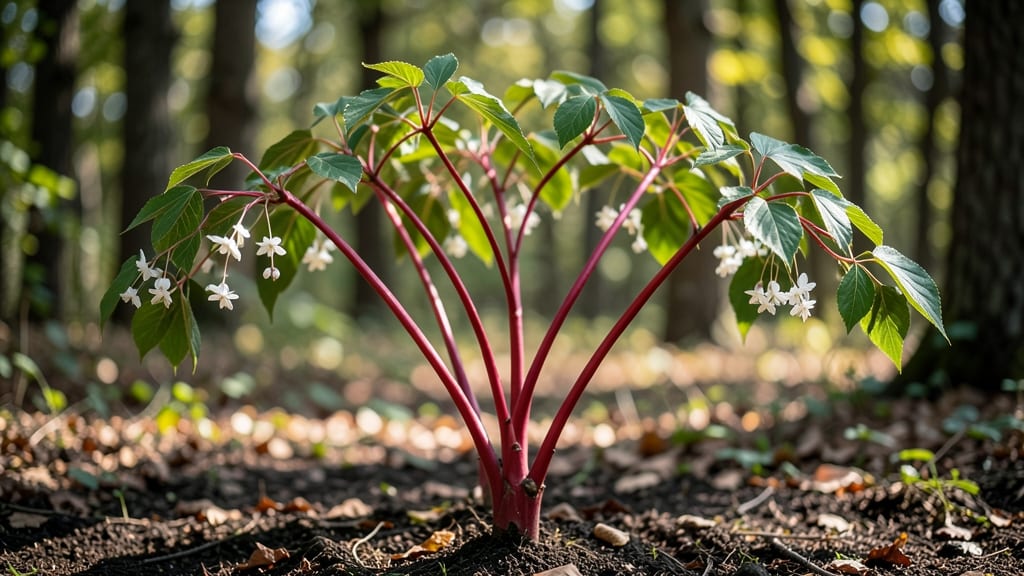
The red osier dogwood leaf turns your winter landscape into a fiery masterpiece—no paint required. 🌿 I’ve grown these shrubs for years, and their bold red stems and golden fall foliage make them the unsung heroes of cold climates.
They thrive where most plants refuse to, and with the right care, they’ll reward you with year-round interest that even snow can’t hide.
These shrubs are low-maintenance superstars—they love sun to partial shade and tolerate poor soil better than most perennials.
The key is pruning in late winter to encourage fresh, vibrant growth, and keeping an eye out for leaf spot or powdery mildew (which, honestly, is rare if you plant them in well-drained spots). Once established, they spread naturally, creating a living privacy screen that’s both functional and stunning.
By summer, you’ll see lush green leaves that turn fiery red in fall, followed by white berries that birds adore. The stems alone—bright red year-round—make them a wildlife magnet and a landscape showstopper.
They’re perfect for wet areas, slopes, or anywhere you want color without the fuss of annuals.
If you’re in USDA Zones 2-7, this shrub is a no-brainer. Start with a healthy plant, give it space to spread (they can reach 10-15 feet wide), and watch your yard transform into a four-season spectacle. Let’s get growing!
📚 In This Guide
- What you need
- Instructions
- Tips and common mistakes
- Wrapping up and next steps
What you need
- ● Red osier dogwood plants: 1–3 bare-root saplings (3–5 ft tall, 1–2 years old) OR
- ● Seeds (if starting from scratch—note: germination can be slow!)
- ● Soil: Well-draining, moist but not waterlogged soil (pH 5.0–7.0). Amend with compost (2–3 gallons per plant) if your soil is sandy or clay-heavy.
- ● Fertilizer: Balanced 10-10-10 granular fertilizer (½ cup per plant at planting)
- ● Organic mulch (3–4 inches of wood chips or shredded bark to retain moisture).
- ● Garden tools: Trowel or spade (for digging)
- ● Pruning shears (for shaping or propagation)
- ● Garden gloves (to protect your hands!)
- ● Watering: Hose with soaker hose or watering can (for deep, consistent hydration).
- ○ Optional (but helpful!): Stakes or garden twine (if planting in windy areas)
- ● pH test kit (to check soil acidity)
- ● Rooting hormone (if propagating from cuttings)
- ● Sunlight: Full sun to partial shade (6+ hours of sunlight daily for best leaf color).
- ● Climate: Hardy in USDA Zones 2–8 (thrives in cold winters!).
- ● Space: Plant 3–5 feet apart (allows for air circulation and vibrant foliage).
- ● Patience: From seed, it may take 2–3 years to see mature red stems and leaves!
Step-by-step guide to planting and cultivating red osier dogwood
This cold-hardy beauty thrives in challenging conditions—here’s how to establish it for years of bold winter color.
🌱 Step 1: Choose the Right Location and Prepare the Soil
Red osier dogwood excels in full sun to partial shade, but it truly shines in full sun where its stems develop their signature vibrant red hue. Avoid areas with afternoon shade—this plant needs at least 6 hours of direct sunlight daily to maintain its striking winter color. I always test the spot by observing how long sunlight lingers; evenings with lingering light are ideal.
Amend the soil with 2-3 inches of compost before planting to improve drainage and fertility. Red osier tolerates poor soil but performs best in moist, well-draining conditions. If your soil is heavy clay, mix in sand or perlite to prevent waterlogging. The roots spread aggressively, so space plants 8-10 feet apart to allow for mature growth without crowding.
🪴 Step 2: Plant Bare-Root or Container-Grown Stems
For bare-root plants, soak the roots in lukewarm water for 1-2 hours before planting to revive them. Dig a hole twice as wide as the root ball but no deeper—red osier prefers to sit slightly above ground level to prevent rot. Gently loosen the roots if they’re circling and position the plant so the top of the root ball is 1-2 inches above the surrounding soil. This slight elevation helps prevent stem rot during wet winters.
For container-grown plants, remove the root ball carefully and place it in the hole, backfilling with native soil mixed with compost. Press firmly around the base to eliminate air pockets, but avoid compacting the soil too tightly. Water deeply right after planting to settle the soil and encourage root contact. You’ll know it’s settled when the surface feels firm to the touch but still slightly springy.
☀️ Step 3: Water and Mulch for Establishment
Keep the soil consistently moist but not soggy for the first 6-8 weeks after planting. Water deeply 2-3 times per week, adjusting for rainfall—you’ll see new growth within 2-3 weeks if moisture is right. Overwatering is the biggest mistake here; yellowing leaves signal too much water, while crispy edges mean it’s thirsty. Aim for soil that feels like a damp sponge when squeezed.
Apply 3-4 inches of mulch around the base, keeping it 2-3 inches away from the stem to prevent rot. Use wood chips or shredded bark—they break down slowly and improve soil structure over time. Replenish mulch annually in early spring to maintain moisture and suppress weeds. This plant’s roots spread widely, so mulch helps protect them from temperature fluctuations.
✂️ Step 4: Prune and Maintain for Optimal Growth
Prune in late winter or early spring before new growth begins to shape the plant and encourage vibrant stems. Remove dead, diseased, or crossing branches first, then trim back any leggy growth to maintain a balanced shape. Red osier dogwood responds well to pruning—you can even cut stems back to the ground if needed, as it regrows vigorously. Just avoid heavy pruning in fall, which can stimulate late-season growth susceptible to frost damage.
Fertilize lightly in early spring with a balanced, slow-release fertilizer (10-10-10) to support new growth. Avoid high-nitrogen fertilizers, which promote leafy growth at the expense of stem color. Monitor for pests like scale or aphids—spray with neem oil if you spot sticky residue on stems. With proper care, your red osier will reward you with bold red stems year-round and minimal maintenance once established.
Tips & tricks for perfect red osier dogwood cultivation
Between us, these small adjustments can make all the difference in getting that signature winter color you're dreaming of.
Sunlight Strategy: That 6 hours of daily sunlight isn't just a suggestion—it's non-negotiable for vibrant stems. I've seen dogwoods in partial shade develop pale, almost greenish stems by winter. If your yard has afternoon shade, consider planting in a location where it gets morning sun and minimal afternoon exposure. The eastern side of your property often works best for this.
Root Revival Technique: When soaking bare-root plants for those critical 1-2 hours, use lukewarm water—not cold tap water that can shock the roots. I've found adding a rooting hormone powder to the water boosts success rates, especially in cooler climates. Just follow the package instructions for dilution ratios. This small step can mean the difference between a thriving plant and one that struggles to establish.
Mulching Mastery: That 3-4 inch mulch layer should feel like a cozy blanket for your dogwood's roots. I recommend using hardwood mulch rather than pine bark, as it breaks down more slowly and maintains better moisture levels. The key is keeping that mulch 2-3 inches away from the stem—this prevents rot while still protecting those wide-spreading roots from temperature swings.
Pruning Precision: Late winter pruning is your chance to shape the plant while it's dormant. I always start by removing any dead or crossing branches first—these compete for resources and can weaken the plant. For shaping, I make cuts just above a bud or branch junction, angled slightly away from the bud. This technique encourages new growth in exactly the direction you want it to go.
Pro Tips for Red Osier Dogwood Leaf
- Between us, these small adjustments can make all the difference in getting that signature winter color you're dreaming of.
- Sunlight Strategy: That 6 hours of daily sunlight isn't just a suggestion—it's non-negotiable for vibrant stems.
- Root Revival Technique: When soaking bare-root plants for those critical 1-2 hours, use lukewarm water—not cold tap water that can shock the roots.
Frequently asked questions
Got questions about growing and caring for red osier dogwood? Here are some of the most common ones—plus quick answers to help you keep your shrub thriving!
When is the best time to plant red osier dogwood?
The ideal time to plant Cornus stolonifera is in early spring or early fall. This gives roots time to establish before extreme heat or cold. Avoid planting in late summer or winter, as young plants may struggle with temperature shifts or frost.
Why are my red osier dogwood leaves turning brown or yellow?
Brown or yellow leaves can signal overwatering, underwatering, or nutrient deficiencies. Check soil moisture—it should stay consistently moist but not soggy. Yellowing between veins often means iron deficiency, while crispy edges suggest underwatering or drought stress. Adjust care and monitor for pests like spider mites.
How cold-hardy is red osier dogwood?
This shrub is extremely cold-hardy, thriving in USDA Zones 2-7. It retains its vibrant red stems even in winter, making it a winter interest plant. Just ensure it gets full sun to partial shade and well-draining soil to handle freezing temperatures without stress.
Can I propagate red osier dogwood from cuttings?
Yes! Take softwood cuttings in late spring or early summer or hardwood cuttings in late fall/winter. Dip the cut end in rooting hormone, plant in moist potting mix, and keep in bright, indirect light. Roots typically form in 4-8 weeks. For best results, use semi-hardwood cuttings in summer.
What are some alternatives if I want similar winter color?
If red osier dogwood isn’t your style, try these winter-interest shrubs:
- Winter King hawthorn (Crataegus viridis) – Bright red stems
- Smokebush (Cotinus coggygria) – Purple foliage + burgundy stems
- Arctic willow (Salix arctica) – Silvery stems
- Ninebark (Physocarpus opulifolius) – Peeling bark & berries
Wrapping up and next steps
The red osier dogwood isn’t just a shrub—it’s a showstopper that turns your winter landscape into a fiery masterpiece! 🌿 With its stunning foliage, cold-hardy resilience, and low-maintenance charm, this perennial is perfect for gardeners who crave both beauty and practicality.
Whether you’re a beginner or a seasoned pro, adding this shrub to your yard will bring year-round interest and effortless elegance.
Ready to transform your space? Start by gathering your supplies, choosing the perfect spot, and planting with confidence. Then, sit back and enjoy the vibrant rewards—your future self (and your neighbors!) will thank you. Happy gardening! 🌟