
Pruning
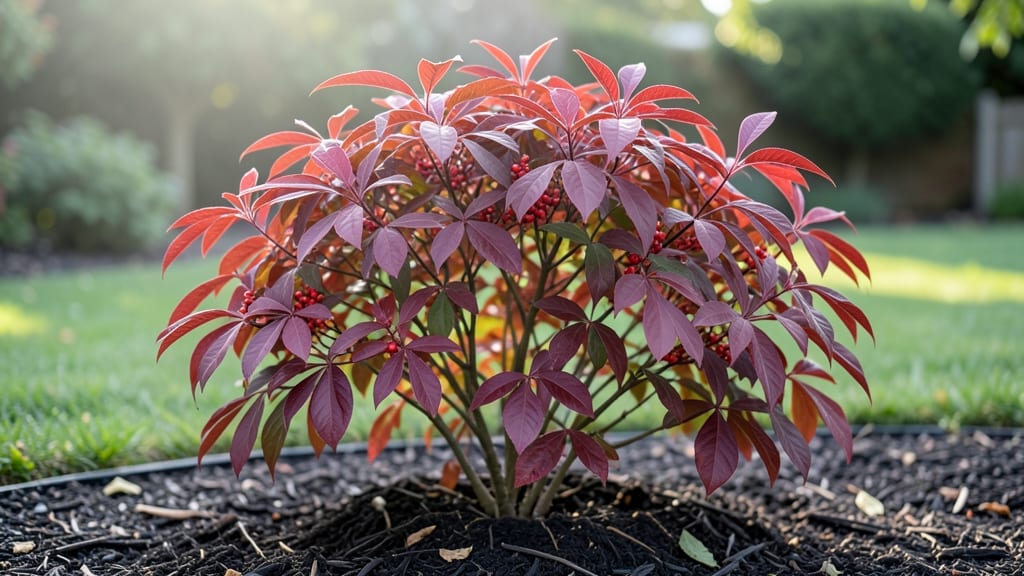
That red oval leaf tree in your yard isn’t just pretty—it’s a living masterpiece that deserves year-round care. 🌿 I’ve pruned Japanese maples, redbuds, and other stunning red-leafed varieties, and the secret to keeping their foliage vibrant lies in timing, technique, and a little patience.
One wrong cut can dull their color for months, but the right approach turns them into the showstopper of your landscape. The best time to prune is late winter or early spring, just as new growth begins.
You’ll want sharp pruners, rubbing alcohol for sterilizing cuts, and a clear understanding of which branches to keep—and which to remove. Redbuds, for example, bloom on old wood, so prune after flowering, while Japanese maples respond best to light shaping in early spring.
Even a small tree benefits from this approach, and the payoff is foliage so rich it makes your neighbors take notice. What you’ll end up with is a tree that stays lush and colorful through all four seasons.
The right cuts encourage new growth in just a few weeks, and the branches develop a natural balance that supports vibrant leaves year after year. Think of it as giving your tree a fresh haircut—except this one makes it look better than ever.
Works for both small shade trees and larger specimens, and the same principles apply whether you’re dealing with a mature redbud or a young Japanese maple. Let’s get those branches looking sharp!
📚 In This Guide
- What you need
- Instructions
- Tips and common mistakes
- Wrapping up and next steps
What you need
- ● Pruning shears: Sharp, bypass-style shears (for clean cuts on small branches). Pro tip: Disinfect with rubbing alcohol before and after use! 💡
- ● Loppers: For thicker branches (1–2 inches in diameter). Look for bypass blades for precision.
- ● Hand pruners (felco-type): Compact and great for detailed trimming.
- ○ Pruning saw: Optional but handy for branches thicker than 2 inches.
- ● Gloves: Heavy-duty gardening gloves to protect against thorns or rough bark.
- ● Ladder or step stool: If your tree is taller than 6 feet, safety first! 🔥
- ● Disposable pruning bags: To collect debris and keep your workspace tidy.
- ● Weather check: Prune on a dry, overcast day to reduce stress on the tree.
- ● Safety gear: Safety glasses (in case of debris) and closed-toe shoes.
- ● Tree identification: Confirm it’s a red oval leaf tree (e.g., Nandina domestica or similar) to tailor pruning needs.
- ○ Optional: Rubbing alcohol (70% isopropyl) for sterilizing tools.
- ● Pruning sealant (for large cuts to prevent disease).
- ● Sharpie marker (to label branches if doing structured pruning).
How to prune a red oval leaf tree for lush, year-round color
Here's my go-to pruning method for keeping that stunning red foliage vibrant all season long.
✂️ Step 1: Time Your Pruning for Maximum Impact
Prune your red oval leaf tree in early spring, just as new growth begins but before buds swell. This timing ensures you remove last year's growth while encouraging fresh, colorful foliage. Avoid pruning in late fall or winter—you'll risk exposing tender new growth to harsh cold that can scorch leaves.
Watch for the first flush of bright green shoots along the branches—that's your signal. I like to prune on a mild, dry day when temperatures are above 50°F to reduce stress on the tree. If you must prune in summer, do it during the coolest part of the day to prevent leaf burn.
✂️ Step 2: Use the Right Tools and Technique
Grab your sharp, clean pruning shears (sterilize them with rubbing alcohol first) and bypass pruners for thicker branches. Never use dull tools—they crush stems and invite disease. Make cuts at a 45-degree angle, about ¼ inch above an outward-facing bud or leaf node. This angle helps water run off instead of pooling.
Remove dead, diseased, or crossing branches first—these compete with healthy growth for nutrients. For thicker stems, use three cuts: first under the branch, then above, and finally to remove the stub. You'll see fresh, green tissue underneath where you cut—that's the tree's natural seal forming to prevent infection.
☀️ Step 3: Shape for Light and Airflow
Step back and assess the tree's natural shape. Your goal is to open the canopy so sunlight reaches all leaves—this keeps that vibrant red color consistent. Thin out overcrowded branches by cutting back to the nearest bud, but never remove more than ⅓ of the tree's foliage in one season. Over-pruning stresses the tree and dulls its color.
Focus on removing branches that grow straight up or rub against others—these create weak points and block light. You'll notice the tree's natural tiers or layers emerge as you work. For a fuller look, trim just the outer tips of some branches to encourage bushier growth. Avoid "lion's tailing" (cutting all leaves off a branch)—this leaves ugly stubs and weakens the tree.
🌿 Step 4: Maintain Through the Seasons
After the initial spring pruning, do a light maintenance trim in mid-summer to remove any dead leaves, spent flowers, or leggy growth. This keeps the tree looking tidy and encourages new, colorful foliage to fill in gaps. Use the same 45-degree cut technique—it's faster once you get the hang of it.
In fall, simply rake up any fallen leaves to prevent disease buildup over winter. Avoid heavy pruning now, but if you notice brown, crispy leaves, snip them off at the base. The tree will enter dormancy with cleaner branches, ready to burst with red leaves again next spring.
🪴 Step 5: Post-Pruning Care for Recovery
Water the tree deeply right after pruning to help it recover. Spread 2-3 inches of mulch around the base (but keep it 6 inches away from the trunk) to retain moisture and regulate soil temperature. Avoid fertilizing immediately—wait until new growth appears in spring. The tree will need its energy to heal cuts, not feed new leaves.
Keep an eye out for sap oozing from cuts—this is normal for a few days. If you see blackened edges or mold, wipe it away with a damp cloth and re-sterilize your tools. Within 4-6 weeks, you'll see fresh, vibrant red leaves pushing through. That's your reward for a job well done!
Tips & tricks for perfect red oval leaf tree pruning
These simple tricks will help you maintain vibrant red foliage and keep your tree thriving for years to come.
Timing is Everything: The early spring timing in Step 1 is crucial because that's when your tree naturally enters its growth phase. If you prune too early, you risk cutting back new shoots that haven't emerged yet. I've learned this the hard way—wait until you see those first bright green shoots before making any cuts. This timing ensures you're removing only last year's growth while encouraging fresh, colorful foliage to develop.
Tool Prep Matters: Before you start, take 5 minutes to properly sterilize your pruning shears with rubbing alcohol. I can't emphasize this enough—disease spreads quickly through open cuts. Also, make sure your tools are sharp; dull blades tear stems instead of making clean cuts. The 45-degree angle mentioned in Step 2 isn't just a suggestion—it's what allows water to run off properly, preventing rot at the cut site.
Shape with Purpose: When shaping in Step 3, think about creating a "window" effect in your tree's canopy. Remove branches that grow straight up or cross others to allow sunlight to reach all leaves. This isn't just about aesthetics—proper light exposure is what maintains that vibrant red color year-round. I like to visualize removing branches that would block light from the center of the tree outward.
Seasonal Maintenance Strategy: The mid-summer maintenance trim in Step 4 is often overlooked, but it's essential for keeping your tree looking its best. Focus on removing only dead leaves, spent flowers, and leggy growth—never more than 10% of the foliage at a time. This light approach prevents stress while encouraging fresh growth. I schedule this trim right after my summer garden maintenance to save time and keep everything organized.
Pro Tips for Red Oval Leaf Tree
- These simple tricks will help you maintain vibrant red foliage and keep your tree thriving for years to come.
- Timing is Everything: The early spring timing in Step 1 is crucial because that's when your tree naturally enters its growth phase.
- Tool Prep Matters: Before you start, take 5 minutes to properly sterilize your pruning shears with rubbing alcohol.
Frequently asked questions
Got questions about keeping your red oval leaf tree looking its best? You’re not alone! Here are some common concerns—and quick answers—to help you prune with confidence.
When is the best time to prune my red oval leaf tree for vibrant foliage?
The ideal time is late winter or early spring, just before new growth begins. This ensures you’re not removing buds that could affect flowering or foliage. Avoid pruning in fall, as it may stimulate tender new growth that won’t survive winter. Pro tip: If you spot dead or diseased branches anytime, trim them immediately!
How much can I trim without harming the tree?
Never remove more than 25% of the tree’s foliage in one session. For red oval leaf trees, focus on shaping rather than drastic cuts. Thin out crowded branches first, then lightly trim back any overgrowth. Over-pruning can stress the tree and reduce its ability to produce those stunning red leaves.
Why are my leaves turning brown or yellow after pruning?
Brown/yellow leaves usually mean over-pruning or stress. If it happens right after trimming, you may have cut too aggressively. Ensure your cuts are clean (use sharp tools!) and avoid pruning during extreme heat or drought. Water deeply after pruning to help the tree recover. Pro tip: If only a few leaves yellow, it’s likely natural shedding.
Can I prune my red oval leaf tree in summer for a bushier look?
Yes, but lightly! Summer pruning is best for shaping or removing flower spikes (if applicable). Avoid heavy cuts, as they can stress the tree during hot months. Focus on pinching back new growth to encourage bushiness. Always use sterilized tools to prevent disease.
What’s a good alternative if my red oval leaf tree isn’t thriving after pruning?
If your tree struggles post-pruning, consider these low-maintenance alternatives with similar vibrant foliage:
- Japanese Maple (Acer palmatum) – Disease-resistant and adaptable.
- Smoke Tree (Cotinus) – Drought-tolerant with striking foliage.
- Ninebark (Physocarpus) – Hardy and great for hedges.
Check soil conditions and sunlight needs before switching!
Wrapping up and next steps
The red oval leaf tree is a stunning addition to any landscape, and with the right pruning techniques, you can keep its foliage vibrant year-round! 🌿 Remember, the key is timing (early spring or late winter) and precision—focus on removing dead branches, shaping for airflow, and encouraging new growth.
Your efforts will reward you with lush, healthy leaves that pop with color.
Ready to give your tree the TLC it deserves? Grab your tools, mark your calendar, and start pruning today! Your future self—and your tree—will thank you. 🌟