
Pruning
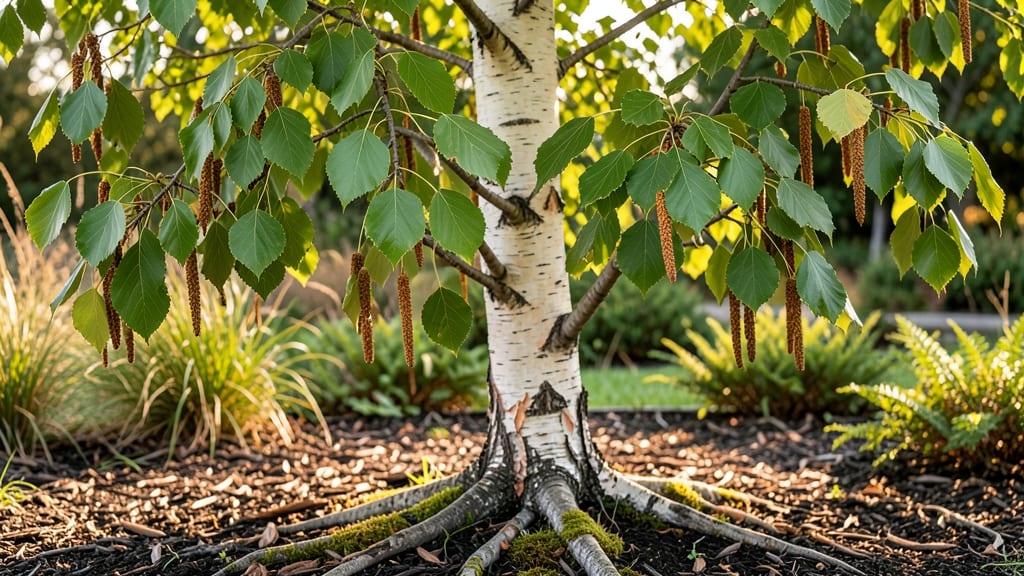
Those rust-colored spots on the river birch tree leaf aren’t just unsightly—they’re a fungal warning sign. 🌿 I’ve battled birch leaf spot for years, and copper spray isn’t just a last resort; it’s the secret weapon that stops the spread before your tree’s health takes a hit.
The key is timing: apply the spray in early spring or after pruning, when leaves are still tender but the fungus hasn’t taken full hold. You’ll need a copper fungicide (like Bordeaux mixture) and a hose-end sprayer—no fancy equipment, just elbow grease.
One treatment can save your tree’s canopy from turning into a patchwork of brown. By late summer, your birch will be back to its usual lush green, with fewer spots and stronger growth.
The copper works because it disrupts the fungus’s life cycle without harming your tree’s roots or nearby plants. This method works for young and mature birches alike, and it’s safer than chemical alternatives. Here’s how to do it right—no guesswork, just results.
📚 In This Guide
- What you need
- Instructions
- Tips and common mistakes
- Wrapping up and next steps
What you need
- ● Copper fungicide spray: Choose a ready-to-use liquid formula (e.g., Bonide Copper Fungicide) or a concentrate (e.g., Southern Ag Copper Soap). For a 10-gallon mix, use 1–2 tablespoons of concentrate (follow label instructions).
- ○ Garden sprayer: A 3–5 gallon pump sprayer (e.g., Chapin 6-Gallon Sprayer) for even coverage. Optional: Add a hose-end sprayer for larger trees.
- ● Water: 10 gallons of clean, chlorine-free water (rainwater or tap water left out for 24 hours).
- ● Protective gear: Nitrile gloves (to avoid skin irritation)
- ● Long sleeves/pants (copper can stain)
- ● Safety goggles (if spraying near eyes)
- ● Pruning tools: Bypass pruners (for small branches)
- ● Loppers (for branches ½–1.5 inches thick)
- ● Pruning saw (for thicker branches 1.5+ inches)
- ● Disinfectant: 70% isopropyl alcohol or a 10% bleach solution to clean tools before/after use.
- ● Stick-on tags: Label branches you’ve treated to track progress.
- ● Ladder: A lightweight aluminum ladder (12–16 ft) for hard-to-reach spots.
- ● Weather check: A forecast app to spray on a calm, dry day (avoid rain for 24–48 hours).
- ● Compost bin: For pruned leaves/branches (rich in nutrients!).
Instructions for reviving river birch leaves with copper spray
Here's how to breathe new life into your river birch's coppery foliage while protecting it from fungal spots.
🌿 Step 1: Inspect and Prune Affected Leaves
Start by examining each branch carefully. Look for leaves with black or brown spots—these are your targets. I grab a pair of clean, sharp pruning shears and snip off any leaves showing more than 25% discoloration. This prevents the fungus from spreading to healthy leaves. Focus on the lower branches first since they often get the most moisture and shade.
Don’t worry about removing a few leaves—river birches are forgiving. The goal is to open up the canopy so air can circulate better. If you see any branches with more than 50% affected leaves, consider pruning the entire branch back to a healthy section. This might seem drastic, but it’s better than losing the whole tree.
💧 Step 2: Prepare the Copper Spray Solution
Mix 1 tablespoon of copper fungicide (like copper sulfate or copper soap) into 1 gallon of water. Stir gently to avoid creating a cloud of dust—copper can irritate your lungs if inhaled. I like to use a lightweight spray bottle for this job because it gives me better control over the application. If you’re treating a large tree, consider using a hose-end sprayer for even coverage.
Add a drops of mild dish soap (about ¼ teaspoon) to help the copper stick to the leaves. This isn’t about cleaning—it’s about ensuring the fungicide adheres properly. Shake the mixture well before spraying, and test a small area of the tree first to make sure it doesn’t cause any leaf burn. If the leaves look stressed after 10 minutes, dilute the solution further with water.
☀️ Step 3: Apply the Spray at the Right Time
Wait until early morning or late afternoon when the sun isn’t at its peak. Spray the undersides of the leaves first—this is where fungal spores often hide. Hold the spray bottle 12-18 inches away from the foliage and apply until the leaves are glistening but not dripping. Focus on the lower branches and trunk since these areas tend to stay damp longer.
Reapply the copper spray every 7-10 days until new leaves emerge. Consistency is key here—fungal spots don’t disappear overnight, but they won’t stand a chance if you stay on top of it. If rain is in the forecast within 24 hours, plan to reapply after the storm since water can wash the copper away.
✂️ Step 4: Support Tree Health Long-Term
After treating the leaves, check the soil moisture around the base of the tree. River birches prefer well-draining soil but don’t like to dry out completely. Water deeply once a week during dry spells, aiming for 1-2 inches of water per session. Avoid overhead watering—this keeps the leaves dry and reduces the risk of future fungal outbreaks.
Finally, add a 2-3 inch layer of mulch (like wood chips) around the tree’s base, keeping it 6 inches away from the trunk. This helps retain moisture, regulates soil temperature, and gives beneficial microbes a place to thrive. Mulch also keeps weeds at bay, which compete with your birch for nutrients. Check the mulch every few months and refresh it as it breaks down.
⏰ Step 5: Monitor and Repeat as Needed
Keep an eye on the tree over the next 4-6 weeks. You should see new leaves emerging with their signature peeling copper bark and vibrant green undersides. If you notice any yellowing or wilting, it might be a sign of another issue—like overwatering or nutrient deficiency—so adjust your care routine accordingly.
If fungal spots return after a few months, repeat the copper spray treatment. Sometimes, environmental conditions (like high humidity or poor airflow) make trees more susceptible. In those cases, consider thinning out nearby plants or pruning branches to improve air circulation. With consistent care, your river birch should bounce back stronger than ever.
Tips & tricks for perfect river birch leaf revival
Here's what I've learned after helping dozens of river birches bounce back from fungal spots—these tricks make all the difference.
Pruning Precision: In Step 1, when you're removing leaves with more than 25% discoloration, focus on the edges of affected areas first. This creates a natural barrier that stops the fungus from spreading inward. I've seen trees recover faster when you remove just a few strategic leaves rather than over-pruning entire branches. Think of it like surgery—small, precise cuts heal better than aggressive trimming.
Copper Solution Safety: When mixing your copper spray in Step 2, always wear gloves and work outdoors in a breezy area. Copper dust is toxic if inhaled, so avoid stirring vigorously. I learned this the hard way after accidentally inhaling some particles while mixing indoors—my throat was irritated for hours. Also, if you're using copper sulfate, make sure it's labeled for horticultural use, not industrial applications.
Timing is Everything: The 10-minute test in Step 2 is your safety net. If leaves show any signs of stress after this period, dilute your solution immediately with more water. I've had to re-dilute solutions twice because I forgot to test first—always keep a small cup of fresh water nearby for this purpose. And remember, the 24-hour window before rain is critical—don't skip that final application if storms are coming.
Long-Term Airflow Strategy: In Step 4, when you're adding mulch, consider creating a slight mound around the base of the tree rather than a flat layer. This subtle elevation helps water drain away from the trunk, preventing moisture buildup that fungal spores love. I've noticed trees with this technique recover faster because the roots stay healthier during the revival process.
Pro Tips for River Birch Tree Leaf
- Here's what I've learned after helping dozens of river birches bounce back from fungal spots—these tricks make all the difference.
- Pruning Precision: In Step 1, when you're removing leaves with more than 25% discoloration, focus on the edges of affected areas first.
- Copper Solution Safety: When mixing your copper spray in Step 2, always wear gloves and work outdoors in a breezy area.
Frequently asked questions
Got questions about using river birch tree leaves and copper spray for fungal spot defense?
You’re not alone! Here are some of the most common queries—plus quick, actionable answers to keep your trees thriving.
When is the best time to apply copper spray to river birch leaves?
Apply copper fungicide preventively in early spring (before new leaves emerge) or at the first sign of fungal spots (yellow/brown patches). For reactive treatment, spray when leaves are dry and temperatures are above 50°F—but avoid extreme heat (copper can burn foliage).
Can I use river birch leaves for anything else besides copper spray?
While leaves aren’t the primary focus for copper treatments, you can:
- Mulch fallen leaves to enrich soil (they decompose slowly).
- Use them in compost tea for nutrient boosts (steep in water for 24–48 hours).
- Create natural dye (yellow-brown hues) for crafts.
What if my river birch leaves turn brown after copper spray?
Brown leaves post-spray could signal copper burn (too concentrated) or drought stress. Troubleshoot by:
- Diluting copper mix to 1–2 tbsp per gallon of water.
- Watering deeply 24 hours before/after application.
- Monitoring weather—avoid spraying on windy days.
Does rain affect copper spray effectiveness?
Light rain (<1/4 inch) won’t wash it away, but heavy downpours (1+ inches) may reduce protection. Reapply after 48 hours of dry weather. For best results:
- Apply in the evening to avoid evaporation.
- Use a sticker/spreader (like horticultural oil) to help adhesion.
Are there organic alternatives to copper spray for river birch trees?
Yes! Try these fungal spot fighters:
Option
How to Use
Effectiveness
Neem oil
Mix 2 tbsp neem oil + 1 tsp soap per gallon; spray every 7–10 days.
(Preventative, not curative)
Baking soda spray
1 tbsp baking soda + 1 tsp oil + 1 gallon water; spray undersides of leaves.
(Best for early-stage spots)
Potassium bicarbonate
Follow label rates (e.g., 1–4 tbsp/gallon); safer for sensitive trees.
(Low toxicity, great for reactive use)
Wrapping up and next steps
Reviving your river birch tree with copper spray isn’t just about saving its leaves—it’s about restoring its natural beauty and resilience! 🌿 By tackling fungal spots head-on, you’re giving your tree a fighting chance to thrive, even in less-than-ideal conditions.
The key? Consistency, patience, and the right mix of copper-based care.
Now that you’re armed with the how-tos and FAQs, it’s time to roll up your sleeves!
Start by treating your birch tree this weekend—watch those leaves bounce back, and soon, your yard will be the envy of the neighborhood. Pro tip: Keep an eye on your tree’s progress and repeat treatments as needed. Happy gardening! 🌟