
Planting
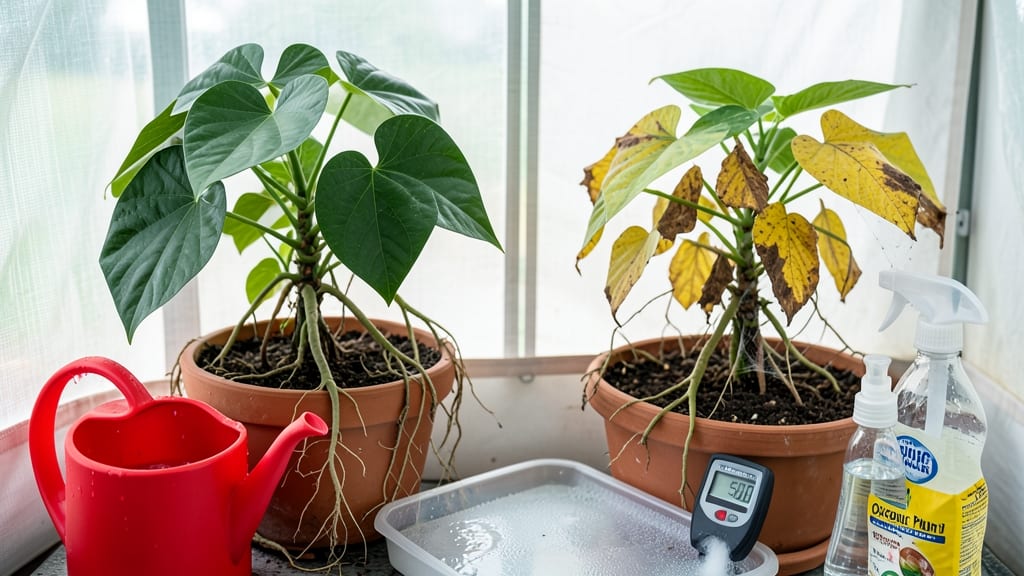
Why my betel leaf plant is dying—until I figured out the real culprit behind those drooping leaves. 🌿 The good news? Most issues have simple fixes, and I’ll walk you through the five most common reasons your Piper betle might be struggling (and how to turn it around fast).
Overwatering is the #1 killer—those thick roots hate soggy soil. Check the top inch: if it’s damp, hold off on watering. Yellowing leaves? That’s often a nutrient deficiency, especially if the soil feels exhausted after months of growth.
And don’t ignore pests: spider mites love the undersides of leaves, leaving sticky residue behind.
Once you spot the problem, act fast. Adjust your watering routine, repot if the soil’s compacted, or spray neem oil for pests. Within a week, you’ll see new growth pushing through—just give it time and the right care. Your betel plant can bounce back, even if it’s looking rough now.
Prevention is key: keep humidity high (mist daily in dry climates), use well-draining soil, and rotate the pot for even light exposure. Most betel plants recover quickly once the stressor is removed—so don’t give up on yours yet!
Root Causes Of Betel Leaf’s Struggle
Your betel leaf plant (Piper betle) thrives in warmth and humidity, but when it starts wilting, yellowing, or dropping leaves, it’s usually sending a clear SOS. Understanding the why behind its decline is the first step to revival.
Below, we break down the most common culprits—backed by plant science—and how they trigger stress in your tropical friend.
Betel leaves despise soggy roots. Unlike drought-tolerant succulents, these plants need well-draining soil and consistent moisture—but not standing water. Here’s why overwatering kills them:
- Root Rot: Betel leaves have shallow, fibrous roots that suffocate when submerged. Phytophthora and Pythium fungi thrive in waterlogged soil, cutting off oxygen and causing roots to decay. Look for mushy, black roots or a foul smell—classic rot signs.
- Nutrient Leaching: Overwatering flushes away essential nutrients (like potassium and magnesium) faster than the plant can absorb them. Yellowing leaves with brown edges? That’s your plant starving.
- Fungal Infections: Excess moisture creates the perfect breeding ground for Fusarium or Rhizoctonia, which clog root vessels and block water uptake.
Actionable Fix: Let the top 1–2 inches of soil dry out between waterings. Repot in a mix of peat moss, perlite, and coconut coir (70:20:10 ratio) to improve aeration. If rot has set in, trim affected roots with sterilized scissors and treat with a fungicide (like copper-based sprays).
While overwatering drowns betel leaves, chronic dehydration stresses them just as much. These plants are native to Southeast Asia’s lush rainforests, where humidity hovers around 70–90%. Here’s how drought harms them:
- Leaf Scorching: Low humidity causes leaf edges to dry out and crisp (a condition called necrosis). The plant prioritizes water for roots and new growth, leaving mature leaves to suffer.
- Stunted Growth: Without enough moisture, cells can’t expand properly, leading to small, curled leaves or premature wilting—even if the soil feels damp.
- Pest Attraction: Stressed plants emit signals that lure spider mites and thrips, which further drain the plant’s energy.
Actionable Fix:
- ✅ Water deeply when the top 1 inch of soil is dry (stick your finger in—if it’s bone-dry, hydrate!).
- ✅ Increase humidity with a pebble tray, humidifier, or misting (early morning only to prevent fungal risks).
- ✅ Group plants together to create a microclimate.
Betel leaves are light-loving but hate extremes. Too little sun weakens them, while too much heat or cold shocks their metabolism. Here’s the science:
- Leggy, Pale Growth: Low light (<10,000 lux) causes etiolation, where stems stretch and leaves turn pale yellow (chlorosis) due to poor chlorophyll production.
- Cold Damage: Temperatures below 50°F (10°C) disrupt enzyme activity in leaves, leading to blackened, mushy spots (cold burn). Roots may also stop absorbing water.
- Heat Stress: Above 90°F (32°C), leaf cells plasmolyze—their membranes shrink from water loss, causing wilting even when soil is moist.
Actionable Fix:
Problem
Solution
Too little light
Move to bright, indirect light (east or north-facing windows) or use a grow light 12–14 hours/day.
Cold drafts
Keep away from AC vents, doors, or windows below 60°F (15°C). Use a heat mat in winter if needed.
Direct sunburn
Filter light with a sheer curtain or move to 2–3 feet from a south-facing window.
Betel leaves are heavy feeders and need a balanced diet. Poor soil or imbalanced nutrients lead to visible distress:
- Yellow Between Veins (Chlorosis): Lack of magnesium (a central atom in chlorophyll) turns leaves pale green or yellow. Common in alkaline soils (pH >7).
- Brown Leaf Tips: Potassium deficiency weakens cell walls, causing edges to crisp. Often paired with calcium issues.
- Purple Stems/Leaves: A cry for phosphorus, which fuels root and flower growth (yes, betel leaves produce edible flowers!).
- Stunted Growth: Nitrogen deficiency stalls leaf production, while too much nitrogen leads to lush but weak, disease-prone foliage.
Actionable Fix:
- 💡 Test your soil (pH should be 5.5–6.5). Amend with sulfur to lower pH if needed.
- 💡 Use a balanced fertilizer (10-10-10 or 20-20-20) every 4–6 weeks during growing season (spring–fall).
- 💡 For deficiencies, use Epsom salt (magnesium) or kelp meal (potassium/phosphorus).
Betel leaves are not pest-proof. Common invaders and pathogens exploit weak plants, accelerating decline:
- Spider Mites: Tiny arachnids suck cell sap, causing silver stippling and webbing. They thrive in dry, dusty conditions.
- Mealybugs: Cottony white clusters on stems/leaves block photosynthesis and spread sooty mold (a black fungal film).
- Root-Knot Nematodes: Microscopic worms burrow into roots, forming galls that strangle nutrient uptake.
- Leaf Spot Fungi: Dark, circular lesions (
Revive Your Betel Leaf Plant Now
Your betel leaf plant isn’t beyond saving—it just needs the right care to bounce back! Below, we’ll tackle the most common killers of betel leaf plants and show you exactly how to fix them with step-by-step solutions.
Whether it’s soggy soil, pests, or light issues, these fixes will help your plant thrive again.
Signs: Yellow leaves, mushy stems, or a foul smell from the soil.
How to Fix It:
- Stop Watering Immediately 🚰 Let the top 2-3 inches of soil dry out completely before watering again. Betel leaf plants prefer slightly dry conditions over soggy roots.
- Check Drainage 🏗️ If your pot lacks drainage holes, repot your plant into one with holes or add a layer of perlite/pumice to improve airflow.
- Trim Damaged Leaves ✂️ Snip off any yellow or blackened leaves to prevent rot from spreading.
Prevention Tips: ✔ Water only when the topsoil feels dry to the touch (stick your finger in—if it’s damp, wait!). ✔ Use a well-draining potting mix (cactus/succulent mix works well). ✔ Avoid saucers that trap excess water—empty them after watering.
Signs: Brown leaf tips (too much sun), leggy growth or pale leaves (too little).
How to Fix It:
- Adjust Light Exposure 🌞
- Too much sun? Move your plant to a spot with morning sun + afternoon shade.
- Not enough light? Place it near a bright, indirect window (east or north-facing is ideal).
- Rotate the Pot 🌀 Every few weeks, turn the pot a quarter-turn to ensure even light exposure.
Prevention Tips: ✔ Betel leaf plants love bright, filtered light—avoid harsh afternoon sun in hot climates. ✔ If indoors, supplement with a grow light (12-14 hours/day) if natural light is weak.
Signs: Sticky residue (honeydew), tiny webs, or white cottony patches.
How to Fix It:
- Isolate the Plant 🛑 Move it away from other plants to prevent spreading.
- Wipe Down Leaves 🧼 Use a neem oil solution (1 tsp neem oil + 1 tsp mild soap in 1 quart water) or rubbing alcohol (70%) on a cotton swab to kill pests.
- Spray Systemically 💦 Apply insecticidal soap or neem oil spray every 5-7 days until pests are gone.
Prevention Tips: ✔ Inspect new plants before bringing them home. ✔ Encourage beneficial insects like ladybugs to keep pests in check. ✔ Keep humidity moderate (pests love dry air).
Signs: Drooping leaves, crispy edges, or slow growth.
How to Fix It:
- Find the Right Spot 🌡️ Betel leaf plants thrive in 65–85°F (18–30°C). Avoid drafts, AC vents, or cold windowsills.
- Boost Humidity 💧
- Mist leaves 2-3 times a week (early morning is best).
- Use a pebble tray (place pot on a tray of water + pebbles).
- Group plants together to create a microclimate.
Prevention Tips: ✔ Avoid sudden temperature swings—keep it stable! ✔ Use a humidifier if your home is very dry (common in winter).
Signs: Yellowing between veins (iron deficiency), purple stems (phosphorus deficiency).
How to Fix It:
- Fertilize Lightly 🌱 Use a balanced liquid fertilizer (10-10-10) diluted to half strength every 4-6 weeks during growing season (spring/summer).
- Repot if Needed 🏺 If roots are circling or soil is depleted, repot into fresh, well-draining mix.
Prevention Tips: ✔ Don’t over-fertilize—too much salt can burn roots! ✔ Use organic options like compost tea for a gentle boost.
Final Pro Tip: 💡 Patience is key! Betel leaf plants recover slowly—stick with the fixes, and your plant will perk up in 2-4 weeks. Once revived, it’ll reward you with lush, vibrant leaves for years!
Frequently asked questions
Why are my betel leaves turning yellow first between the veins?
This classic sign signals a magnesium deficiency—a key nutrient for chlorophyll production. Betel plants absorb magnesium from acidic soil (pH 5.5–6.5), so if your soil is alkaline or depleted, the plant can't maintain healthy green color. Test your soil and amend with Epsom salt (1 tablespoon per gallon of water, applied monthly).
Can I save my betel plant if the stems are mushy and black?
You may be dealing with root rot or stem rot, which spreads fast. First, trim all blackened stems with sterilized scissors, leaving only healthy green tissue. Repot in fresh, well-draining mix (70% peat moss, 20% perlite, 10% coconut coir) and water lightly only when the top inch is dry. If rot is severe, propagate healthy cuttings in water first.
How often should I fertilize my betel leaf plant?
Feed your betel plant with a balanced liquid fertilizer (10-10-10) every 4–6 weeks during spring and summer only. Over-fertilizing burns roots—always dilute to half-strength. In fall/winter, let the plant rest (no fertilizer). For deficiencies, use targeted amendments: Epsom salt for magnesium, kelp meal for potassium, or compost tea for organic nutrients.
Why are my betel leaves curling up at the edges?
Curled edges usually mean low humidity or underwatering stress. Betel plants thrive in 70–90% humidity—if your home is dry (common in winter), mist leaves daily or use a pebble tray. Check soil moisture too: water when the top 1 inch feels dry. Grouping plants together also helps create a humid microclimate.
Is it normal for betel plants to drop leaves?
Some leaf drop is normal during transplant shock or temperature changes, but excessive dropping signals stress. Keep your betel plant in 65–85°F (18–30°C) and avoid drafts. If leaves drop after repotting, wait 2–3 weeks for roots to establish—don’t fertilize during this time. Healthy betel plants should lose only old, yellow leaves.