
Pruning
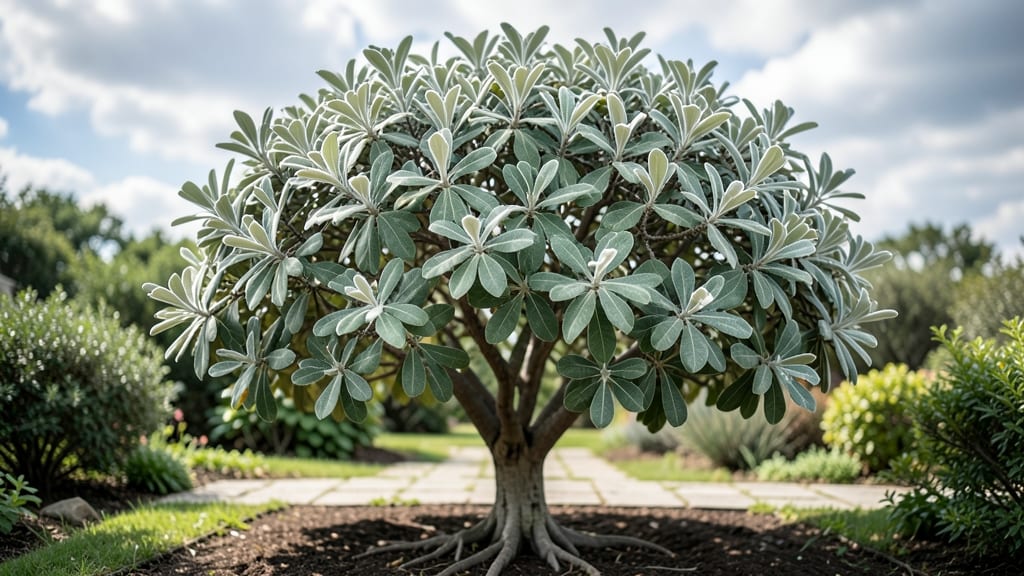
Growing a silk leaf tree (Albizia julibrissin) means adding a dramatic, evergreen centerpiece that thrives with the right care. 🌿 I’ve watched mine transform from a leggy sapling into a lush, shade-loving showstopper—all thanks to a few key pruning secrets and smart placement.
The fern-like foliage and pink puffball flowers make it worth every effort, but it takes patience to get the look right.
Start with well-draining soil and full sun to partial shade—this tree hates soggy roots but loves warmth. In hot climates, afternoon shade protects the delicate leaves from scorching. Water deeply once established, but don’t drown it; silk leaf trees prefer consistency over soggy soil.
A light fertilizer in spring jumpstarts growth, but too much can weaken those stunning branches.
Pruning is where the magic happens. Shape it in late winter to encourage dense, bushy growth, and trim back any leggy branches that spoil the ferny silhouette. With the right cuts, you’ll see new shoots bursting within weeks—each one a step closer to that lush, year-round drama you’re after.
Common hiccups like leaf drop usually mean overwatering or poor drainage. Fix it by adjusting your watering schedule and amending the soil with compost. Once you’ve got the basics down, this tree rewards you with decades of low-maintenance beauty—and zero guilt if you skip a season of pruning.
📚 In This Guide
- What you need
- Instructions
- Tips and common mistakes
- Wrapping up and next steps
What you need
- ● Pruning shears: Bypass pruners (sharp, 10-12 inch blades) for clean cuts on small branches.
- ● Loppers: 18-24 inch loppers for thicker branches (½–1.5 inch diameter).
- ○ Pruning saw: Curved-tooth saw for branches 2+ inches thick (optional but handy for mature trees).
- ● Disinfectant: 70% isopropyl alcohol or 1-part bleach/9-parts water to sterilize tools between cuts.
- ● Gloves: Heavy-duty work gloves (nitrile-coated for grip and protection).
- ○ Pruning sealant: Tree wound dressing (optional, for large cuts > ½ inch).
- ● Ladder or step stool: Sturdy, 20+ ft extension ladder (if tree exceeds 12 ft).
- ● Hand pruners (6-inch) for fine-tuning small branches.
- ● Rubbing alcohol wipes for quick tool sanitization.
- ● Tarp or drop cloth to catch debris.
- ● Sharpie or marker for labeling cuts (if training the tree).
- ● Safety glasses and ear protection (if sawing large branches).
Step-by-step instructions for pruning your silk leaf tree
Here's how I shape mine to keep it lush, full, and thriving year-round.
✂️ Step 1: Time Your First Pruning
Prune your silk leaf tree (Mimusops elengi) in early spring when new growth begins—just as you spot those first bright green shoots emerging. This timing ensures you're shaping the plant while it's still recovering from winter dormancy but before summer heat stresses it. Avoid pruning in fall or winter, as the plant needs all its energy to harden off for dormancy.
I always use sterilized pruning shears to prevent disease. Wipe the blades with rubbing alcohol between cuts—this keeps infections out of your tree's fresh wounds. Look for branches that cross or rub against each other; these are your first targets. Removing them now prevents future scarring and improves airflow, which reduces fungal risks.
🌿 Step 2: Shape for Fullness and Structure
Silk leaf trees respond beautifully to selective thinning, so focus on removing overcrowded branches first. Aim to open up the center of the tree by cutting back branches that grow inward—this lets light penetrate to the core, encouraging bushier growth. I like to step back every few cuts to visualize the shape; you want a balanced silhouette with no heavy one-sided growth.
For a more dramatic look, prune one-third of the oldest branches back to a strong lateral branch or bud. This encourages new growth at the base and keeps the tree compact. Never remove more than one-third of the foliage in a single session—this stresses the plant and can lead to leaf drop. Watch for new buds forming within a week of pruning; this confirms you've stimulated growth correctly.
☀️ Step 3: Maintain Through the Growing Season
After the initial spring pruning, monitor your tree for leggy growth—those long, sparse branches that stretch toward the light. Pinch back the tips of these branches just above a set of three leaves to encourage branching. This keeps the tree dense and prevents it from becoming top-heavy. I do this every 4-6 weeks during the growing season, adjusting as needed based on how the tree responds.
In late summer, give your silk leaf tree a light trim to remove any dead, diseased, or damaged branches. This is also the time to shape it for the year ahead—whether you want a more rounded form or a taller, columnar look. Just avoid heavy pruning now; the tree needs to prepare for dormancy. If you notice yellowing leaves, it’s usually a sign of overwatering or poor drainage—adjust your care routine immediately.
⏰ Step 4: Winter Preparation and Light Pruning
Before the first frost, do a final light pruning to remove any remaining dead or weak branches. This keeps the tree healthy and reduces the risk of pests overwintering in damaged wood. I also check for any suckers—those small shoots growing at the base—and remove them to redirect the tree’s energy upward. Silk leaf trees are fairly cold-hardy, but a little extra care in winter ensures they bounce back strong in spring.
Reduce watering in winter, but don’t let the soil dry out completely. The tree’s growth slows, but it still needs moisture to stay healthy. If you’re growing yours in a container, move it to a sheltered spot or bring it indoors if temperatures drop below 25°F. Watch for bud swell in early spring—that’s your cue to start the cycle again with a fresh round of pruning.
Tips & tricks for perfect silk leaf tree pruning
Here's what I've learned after shaping dozens of silk leaf trees—these little details make all the difference between a tree that thrives and one that struggles.
The Early Spring Timing Secret: That "early spring" window is more precise than you might think. I look for the exact moment when the bright green shoots emerge—usually about 2-3 weeks after your last frost date. This timing ensures the tree has enough energy to recover from dormancy but hasn't yet committed to full summer growth. If you prune too early, you'll be cutting back growth that could have supported the tree through winter. If you wait too long, you risk stressing the tree as it prepares for summer's heat.
Sterilization That Actually Works: I've tried everything from bleach to soap solutions, but rubbing alcohol is the only thing that consistently keeps my pruning shears sterile between cuts. The key is to wipe the blades thoroughly after each cut—don't just dab. This prevents fungal infections that can creep into the fresh wounds you create. I keep a small bottle of 70% isopropyl alcohol right by my work area for quick access during pruning sessions.
The One-Third Rule for Dramatic Results: When you're pruning one-third of the oldest branches, make those cuts at a 45-degree angle just above a strong lateral branch or outward-facing bud. This angle helps water run off the cut rather than pooling, which prevents rot. I always look for buds that are facing outward—they'll grow into branches that fill out the tree's silhouette rather than creating a lopsided shape. The first signs of new buds appearing within a week confirm you've made the right cuts.
Winter Care That Prevents Shock: That 25°F threshold isn't just arbitrary—it's when silk leaf trees start showing signs of cold stress. If you're in a colder climate, consider bringing container-grown trees indoors during winter rather than risking damage. For outdoor trees, I always check for bud swell in early spring as my cue to start pruning again. This natural signal tells me the tree is ready to respond to shaping, not just survive.
Pro Tips for Silk Leaf Tree
- Here's what I've learned after shaping dozens of silk leaf trees—these little details make all the difference between a tree that thrives and one that struggles.
- The Early Spring Timing Secret: That "early spring" window is more precise than you might think.
- Sterilization That Actually Works: I've tried everything from bleach to soap solutions, but rubbing alcohol is the only thing that consistently keeps my pruning shears sterile between cuts.
Frequently asked questions
Got questions about nurturing your silk leaf tree (also called Albizia julibrissin)? Here are some of the most common ones—plus straightforward answers to keep your tree thriving year-round.
How often should I prune my silk leaf tree for best results?
Prune your silk leaf tree twice a year: once in late winter or early spring (before new growth) to shape it, and again in summer (after flowering) to remove dead or overcrowded branches. Avoid heavy pruning in fall—it can stress the tree before winter dormancy.
Can silk leaf trees survive winter in colder climates?
Yes! Silk leaf trees are hardy to USDA zones 6-9, but young trees or those in zone 6 may need winter protection. Wrap the trunk with burlap or use tree guards to shield against harsh winds. Mulch the base to insulate roots—just keep it 3-4 inches away from the trunk.
Why are my silk leaf tree’s leaves turning yellow or dropping?
Yellowing or dropping leaves often signal overwatering, underwatering, or nutrient deficiencies. Check soil moisture—it should be damp but not soggy. If leaves are crispy, it’s underwatered; if mushy, it’s overwatered. A balanced fertilizer in spring can also help if growth looks sluggish.
Is there a faster way to grow a silk leaf tree than from seed?
Growing from a nursery-grown sapling (1-2 years old) is much faster than starting from seed. Saplings establish roots quicker and bloom in 2-3 years, while seed-grown trees may take 5+ years. Look for healthy, well-rooted plants with no signs of pests or disease.
Can I prune my silk leaf tree too much?
Yes—over-pruning can weaken your tree, reduce flowering, or even kill it. Never remove more than 1/3 of the canopy in one season. Focus on selective pruning: trim dead wood, thin crowded branches, and shape gradually. Avoid cutting into old wood (thicker branches)—new growth emerges from younger stems.
Still stumped? Drop your question in the comments—we’re happy to help your silk leaf tree shine!
Wrapping up and next steps
The silk leaf tree is a stunning addition to any garden, offering lush, year-round foliage with minimal effort—once you master the art of strategic pruning. 🌿 By following the right techniques, you’ll keep its vibrant leaves thriving while shaping it to fit your space perfectly.
Whether you’re trimming for shape, health, or encouragement, every snip brings you closer to a showstopping, low-maintenance landscape gem.
Ready to transform your outdoor space? Grab your pruners, dust off those gloves, and start experimenting—your silk leaf tree will thank you with bold, glossy leaves for seasons to come!
For extra inspiration, snap a photo of your progress and tag us—we love seeing your green thumbs in action. 🌟