
Planting
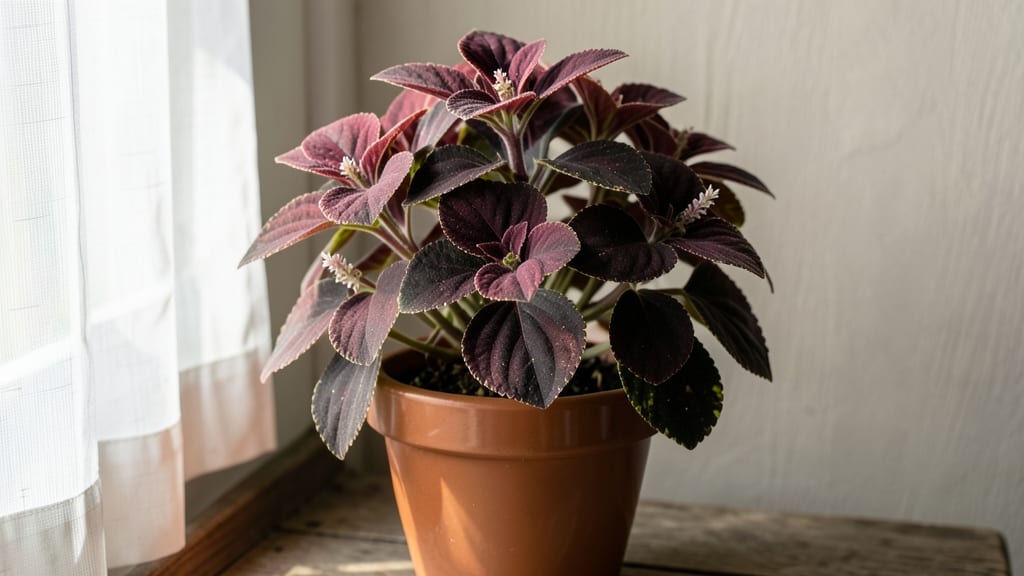
That small purple leaf plant transforms any space with its jewel-toned foliage—no green thumb required. 💜 I’ve grown coleus and purple leaf plants for years, and they thrive with less fuss than most houseplants. The secret lies in understanding their light needs and keeping soil consistently moist (but not soggy).
These plants love bright, indirect light but tolerate lower light better than most. A sunny windowsill or a spot near a grow light works perfectly. For soil, a well-draining potting mix with a bit of perlite keeps roots happy.
Propagation is easy—just snip a stem and root it in water or soil, and you’ll have a new plant in weeks. The payoff? Vibrant purple, pink, or deep green leaves that stay striking year-round. Even in winter, these plants add drama to shelves, tables, or garden borders.
The best part? They’re pet-friendly, unlike some toxic foliage plants. Whether you’re filling a tiny apartment or adding pops of color to a garden, these plants deliver. Here’s how to keep them thriving—no stress, just beauty.
📚 In This Guide
- What you need
- Instructions
- Tips and common mistakes
- Wrapping up and next steps
What you need
- ● Small purple leaf plant: 1 healthy nursery-grown specimen (check for vibrant purple leaves and sturdy stems).
- ● Well-draining potting mix: 1 bag (5-10 quarts) of peat-based or coco coir blend (avoid heavy garden soil).
- ● Pot with drainage holes: 1 container (6–8 inches in diameter) with drainage holes (terracotta or plastic).
- ● Watering can or spray bottle: 1 with a fine rose nozzle for gentle hydration.
- ○ Fertilizer (optional but helpful): 1 bottle of balanced liquid fertilizer (10-10-10 or 20-20-20) or slow-release granules.
- ● Pruning shears: 1 pair (for trimming leggy stems).
- ○ Gloves (optional): 1 pair to protect hands from sap (if sensitive).
- ● Bright, indirect light: A sunny windowsill (east or north-facing) or a grow light (12–14 hours/day).
- ○ Humidity tray (optional): 1 shallow tray + pebbles + water (to boost humidity in dry climates).
Step-by-Step instructions for growing a stunning small purple leaf plant
Here's how to keep your purple leaf plant thriving indoors with almost no effort.
🪴 Step 1: Choose the Right Container and Soil
Pick a pot with drainage holes—6-8 inches wide is perfect for a single plant. I like terracotta because it breathes and helps prevent root rot. Fill the bottom with 1-2 inches of perlite or gravel to create drainage space before adding your potting mix.
Use a well-draining, airy mix designed for houseplants. I avoid heavy garden soil—it compacts and suffocates roots. Moisten the soil lightly before planting, but don't soak it. The right mix should feel like a damp sponge when squeezed, not dripping wet.
☀️ Step 2: Position for Bright, Indirect Light
Place your purple leaf plant near an east or north-facing window where it gets bright, indirect light for at least 4-6 hours daily. Direct sunlight will scorch those gorgeous purple leaves—you'll see crispy brown edges if it's getting too much.
If your home has low light, supplement with a grow light positioned 12-18 inches away for 12-14 hours daily. Rotate the plant a quarter turn weekly so it grows evenly. You'll notice new growth leaning toward the light if it's not getting enough.
💧 Step 3: Water When the Top Inch Feels Dry
Water only when the top inch of soil feels dry to the touch. Stick your finger in—if it comes out clean, it's time. Overwatering is the #1 killer of these plants. I like to water thoroughly until it drains from the bottom, then empty the saucer to prevent soggy roots.
Mist the leaves occasionally, especially in dry climates, but don't make it a habit. The purple foliage loves humidity but can handle average home conditions. Yellowing leaves usually mean overwatering, while crispy edges signal underwatering or too much sun.
✂️ Step 4: Prune for Bushier Growth
Pinch back the tips of new growth when stems reach 4-6 inches tall to encourage bushier growth. Use clean scissors or fingers to snip just above a leaf node. This simple step prevents leggy, sparse plants and keeps that lush purple color vibrant.
Remove any yellow or brown leaves immediately—they drain energy from the plant. I also trim back overgrown stems in early spring to refresh the plant. Never cut more than ⅓ of the plant at once, or you'll shock it. You'll see fresh new growth within 2-3 weeks of pruning.
🌿 Step 5: Feed Monthly During Growing Season
Use a balanced liquid fertilizer (10-10-10 or 20-20-20) diluted to half strength every 4-6 weeks during spring and summer. I skip fertilizing in fall and winter when growth slows naturally. Always water the plant first to prevent fertilizer burn.
You'll notice slower growth in winter—that's normal. Purple leaf plants are semi-dormant then. Reduce watering slightly in winter, but never let the soil dry out completely. A little yellowing in winter is normal, but if it persists into spring, your plant needs more light.
Tips & tricks for perfect purple leaf plant care
These simple tricks will help you keep your purple leaf plant looking stunning with minimal effort—no green thumb required!
Container Selection: Terracotta pots are ideal for purple leaf plants because they wick away moisture, helping prevent root rot. If you choose plastic, make sure it has drainage holes and place it on a cache pot with pebbles to catch excess water. I've seen these plants thrive in hanging baskets too, just ensure the pot is lightweight and has good drainage.
Lighting Strategy: The 4-6 hours of bright, indirect light mentioned in Step 2 is crucial—think of it as the plant's "golden window." If your windows face south, use a sheer curtain to diffuse the light and prevent scorching. For grow lights, LED bulbs are energy-efficient and work well when positioned 12-18 inches away. I rotate my plant weekly to prevent it from leaning toward one light source.
Watering Wisdom: That top inch test in Step 3 is your best friend. I've learned the hard way that purple leaf plants hate soggy roots—when in doubt, wait another day. For extra humidity in dry climates, place the pot on a tray of pebbles with water (just make sure the bottom of the pot doesn't sit in water). You'll notice the leaves staying vibrant and perky with this method.
Pruning Pro Tip: When pinching back growth at 4-6 inches in Step 4, don't be afraid to get your fingers involved—no fancy tools needed! The key is to pinch just above a leaf node where new growth will emerge. I like to do this in the morning so the plant has the whole day to recover. You'll see bushier, fuller plants within weeks of consistent pruning.
Pro Tips for Small Purple Leaf Plant
- These simple tricks will help you keep your purple leaf plant looking stunning with minimal effort—no green thumb required!
- Container Selection: Terracotta pots are ideal for purple leaf plants because they wick away moisture, helping prevent root rot.
- Lighting Strategy: The 4-6 hours of bright, indirect light mentioned in Step 2 is crucial—think of it as the plant's "golden window."
Frequently asked questions
Got questions about keeping your small purple leaf plant thriving? You’re not alone! Here are answers to the most common queries—from care basics to troubleshooting—so you can enjoy that stunning foliage all year long.
What’s the best light for a small purple leaf plant?
These plants love bright, indirect light—think east or north-facing windows. Too much direct sun can scorch those gorgeous purple leaves, while low light dulls the color. A rotating schedule (turn the pot weekly) ensures even growth. If your home is dim, supplement with a grow light 10–12 inches away for 6–8 hours daily.
How often should I water my small purple leaf plant?
Water when the top 1–2 inches of soil feel dry (stick your finger in to check!). Overwatering is the #1 killer—these plants prefer slightly dry conditions. In summer, water every 7–10 days; in winter, stretch it to every 2–3 weeks. Always use a pot with drainage holes and empty the saucer after watering to avoid root rot.
Why are the leaves turning yellow or brown?
Yellow leaves usually mean overwatering or poor drainage, while brown edges often signal low humidity or fluoride sensitivity (tap water culprit!). Try these fixes:
- Trim yellow/brown leaves with clean scissors.
- Switch to filtered or distilled water.
- Place the pot on a pebble tray with water to boost humidity.
- Mist leaves lightly 2–3 times a week.
Can I grow a small purple leaf plant outdoors?
These plants thrive outdoors in USDA Zones 10–11 as perennials. In cooler climates, treat it as an annual or bring it indoors before frost. Choose a sheltered spot (like a porch or patio) with dappled shade—avoid harsh afternoon sun. Harden off potted plants gradually if transitioning from indoor to outdoor.
What are some low-maintenance alternatives?
If purple leaves are your vibe but you want even less fuss, try these:
- Purple Heart (Tradescantia pallida) – Drought-tolerant and trailing.
- Black Prince Calathea – Bold purple-black foliage, loves humidity.
- Purple Basil – Edible, fragrant, and thrives in pots.
- Coleus ‘Wizard’ series – Varied purple hues, great for containers.
Wrapping up and next steps
Your small purple leaf plant is the perfect way to bring vibrant color and low-maintenance beauty to any space! 🌿 With just a few simple steps—like bright, indirect light and occasional watering—you can enjoy its striking foliage all year long.
Whether you're a beginner or a seasoned plant parent, this hardy little gem makes plant care effortless and rewarding.
Ready to elevate your indoor or outdoor decor? Start by choosing your favorite spot and watch your purple leaf plant thrive—you’ve got this! 🌟