
Planting
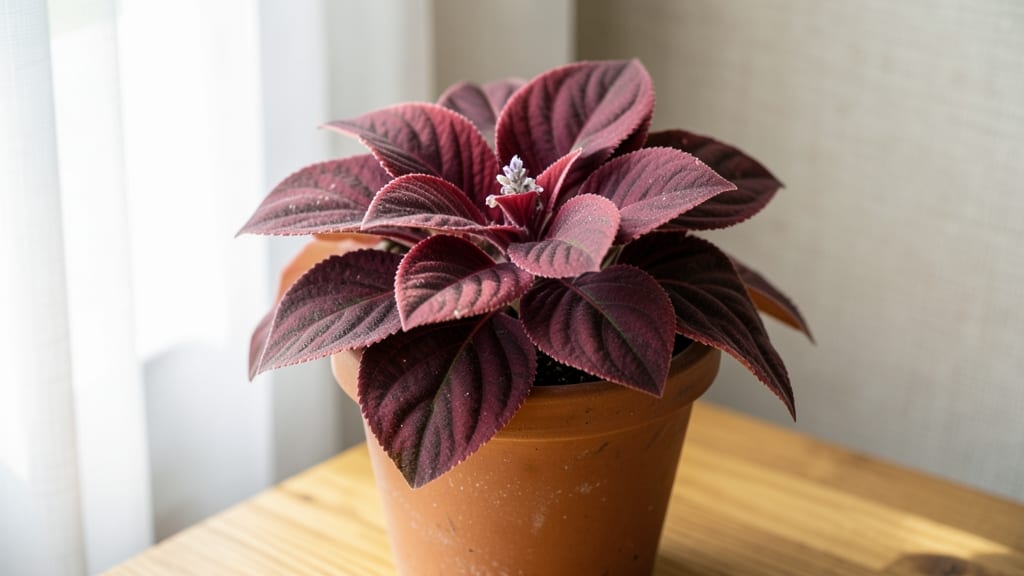
A small red leaf plant brings bold color to tight spaces with minimal effort, featuring varieties like Coleus or Red Emerald Pothos that thrive in indirect light and need little maintenance. These compact plants deliver vibrant foliage for indoor decor or small gardens without demanding specialized care.
These plants stay compact thanks to natural growth habits that limit sprawling vines or rapid height increases. 🌿 The rich red hues come from anthocyanins—pigments that protect leaves from intense light—making them perfect for bright but indirect spots.
I've found they're especially forgiving for beginners, since most varieties tolerate occasional watering mistakes better than their green-leafed counterparts.
For example, the Coleus grows just 12-18 inches tall while maintaining its fiery red patterns, while Red Aglaonema thrives in low-light corners with almost no fuss.
The key to keeping them vibrant is consistent moisture without soggy soil—most prefer their top inch of soil to stay lightly damp rather than drenched.
💡 In This Article
- Why Red Leaf Plants Stay Compact and Colorful
- Top 5 Low-Maintenance Small Red Leaf Plants for Beginners
Why red leaf plants stay compact and colorful
The vibrant red hues in these plants come from anthocyanins, water-soluble pigments that act like natural sunscreen. These compounds protect leaves from excessive sunlight while giving them their striking color.
Unlike green chlorophyll, anthocyanins thrive in bright but indirect light, which is why most red-leaf plants prefer windowsills with filtered sunlight rather than harsh midday rays. 🌿 For example, the Coleus maintains its bold patterns because its leaves contain high anthocyanin concentrations that prevent chlorophyll from dominating.
Size control comes from two key botanical traits: slow growth rates and bushy growth habits. Many compact red-leaf varieties, like the Polka Dot Plant (Hypoestes phyllostachya), grow only 12-18 inches tall because their genetic makeup limits stem elongation.
Others, such as the Red Emerald Pothos, produce trailing vines that naturally stay contained when pruned regularly. The Red Aglaonema stays under 2 feet tall by forming dense, rosette-like clusters rather than stretching upward.
Light adaptation plays a crucial role in maintaining both color and size. Plants like the Red Ruby Plant (Graptopetalum paraguayense) develop deeper red tones when exposed to 4-6 hours of indirect light daily, while too much direct sun causes bleaching.
The same light conditions that enhance pigmentation also regulate growth hormones, preventing excessive stretching. This is why these plants thrive in kitchens or bathrooms with natural light but no harsh afternoon sun.
Another factor is their natural growth cycles. Many compact red-leaf plants enter a dormant phase during cooler months, slowing growth and conserving energy. For instance, the Red Begonia grows vigorously in spring and summer but requires less water in winter, maintaining its compact form.
This seasonal adaptation makes them ideal for indoor environments where temperature and light conditions remain stable year-round.
Soil composition also influences their size and color. Well-draining potting mixes with 30-40% perlite or orchid bark prevent root rot while encouraging bushier growth. The Red Emerald Pothos, for example, develops more vibrant leaves when planted in a mix that drains quickly, as soggy conditions trigger leggy growth.
This is why most growers recommend repotting every 12-18 months to refresh the soil and maintain optimal conditions.
Finally, their compact nature stems from selective breeding. Many modern varieties, like the Red Velvet Plant (Gynura aurantiaca), were developed specifically for their small size and vibrant foliage.
Unlike their wild counterparts, which might grow several feet tall, these cultivated plants have been bred to stay under 1 foot while maintaining their striking red patterns. 🌸 This makes them perfect for small spaces like shelves, desks, or hanging baskets where larger plants wouldn't fit.